Plizio Visual Lab
Sylhet
ℹ️Practical info — Sylhet
▾
🌤 Weather — 5 days
📍 Nearby
Sights nearby
💡 Tips
- Visit the tea gardens (like Malnicherra) early in the morning to see the pluckers at work and avoid the midday heat.
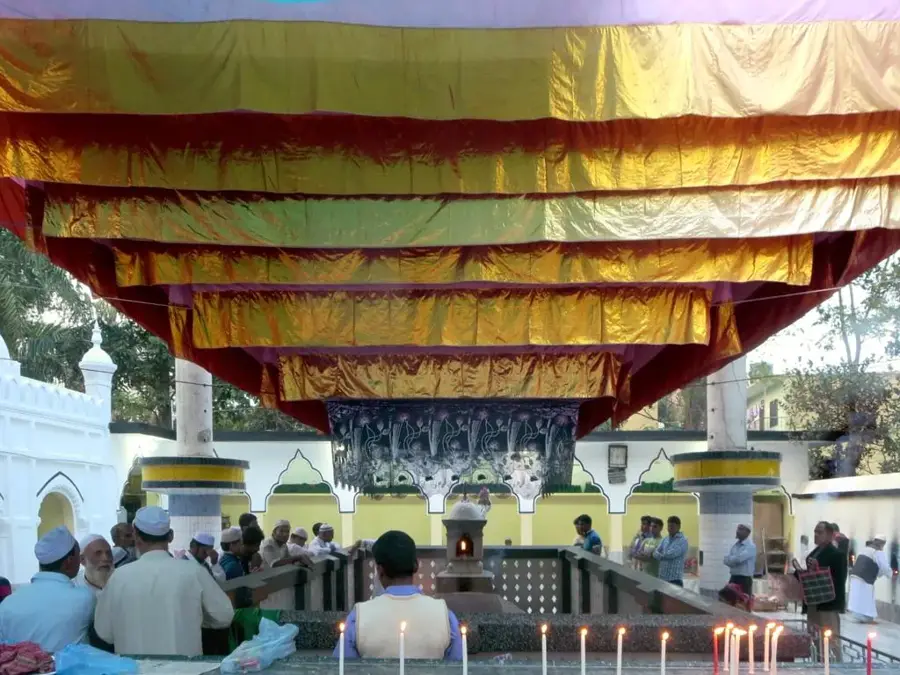
- Women should dress modestly and cover their heads when visiting the Shrine of Hazrat Shah Jalal.
- Use the green CNG auto-rickshaws for short trips, but always negotiate the fare before getting in.
- Pack an umbrella or raincoat; this region can experience sudden, heavy rain even outside the monsoon season.
🍽 Food
A local curry cooked with the bitter-sour shatkora citrus fruit. Find it in traditional Bengali restaurants in the city center.
A famous layered tea drink. Best experienced at the well-known tea cabins (like Nilkantha) in the nearby Sreemangal area.
The Sylheti take on biryani, a savory meat and rice dish served at many local eateries around Zindabazar.
🛍 Shopping · 🧘 Quiet spots
Buy fresh loose-leaf tea directly from the estate shops or at the markets in the Zindabazar area.
Look for hand-woven shawls and sarees made by the local Manipuri community in handicraft stores or the Manipuri Rajbari area.
Take a quiet evening stroll near Ali Amjad's Clock Tower to enjoy the riverside breeze.
A peaceful forest reserve just outside the city limits, first-rate for short hikes and birdwatching.
Water temperature…
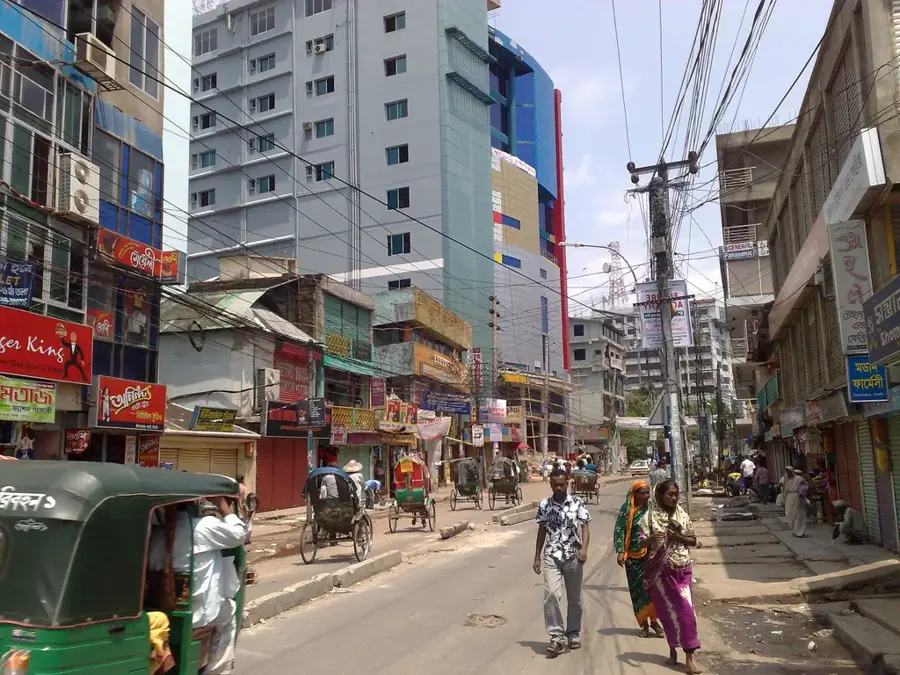
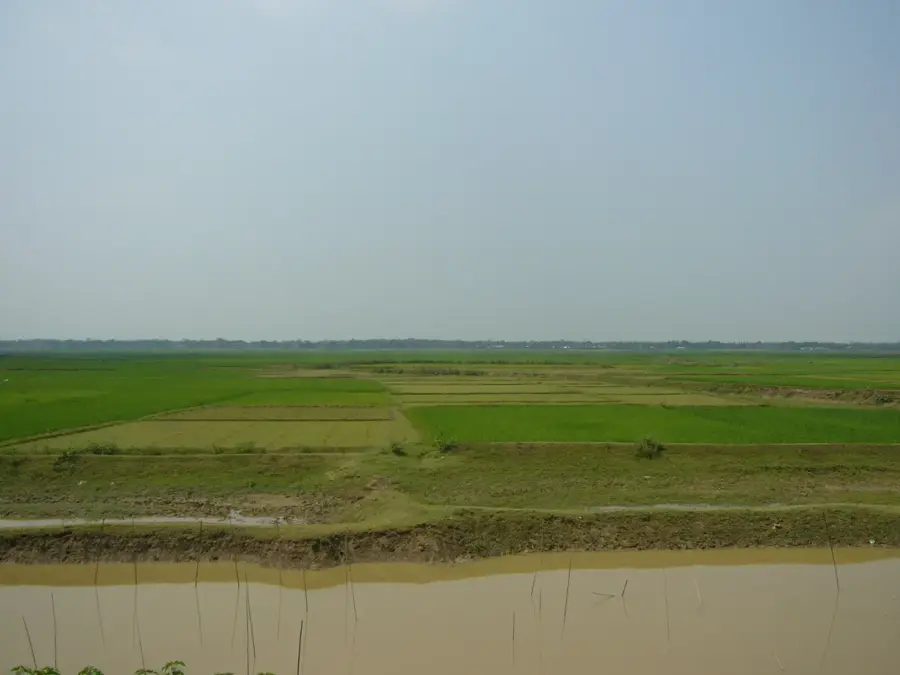
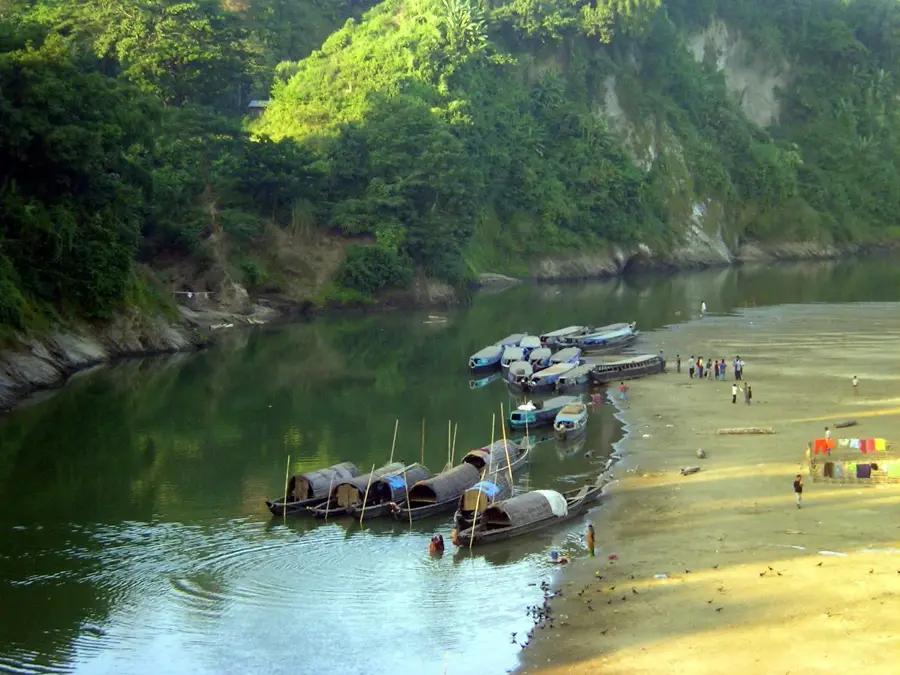
Sylhet, located in the northeastern corner of Bangladesh along the banks of the Surma River, is a city of immense spiritual, cultural, and economic significance. Known as the 'Spiritual Capital' of Bangladesh, it is the resting place of the 14th-century Sufi saint Hazrat Shah Jalal, whose shrine remains a major pilgrimage site for people across the subcontinent. The city is set against a backdrop of rolling hills and lush green tea estates, some of the oldest and largest in the world. Sylhet's unique topography and its cooler, rainier climate distinguish it from the floodplains of central Bangladesh, making it a premier destination for domestic and international tourism. Economically, Sylhet is one of the wealthiest cities in the country, driven by its vast natural gas reserves and a thriving tea industry. The region produces over 90% of Bangladesh's tea, which is a major export commodity. However, the most defining feature of Sylhet's economy is its deep connection to the Bangladeshi diaspora, particularly in the United Kingdom. Often referred to as 'Londonis,' these expatriates have invested heavily in their home city, leading to a landscape dotted with British-style mansions, luxury hotels, and modern shopping malls. This influx of foreign capital has made Sylhet a center for high-end services and real estate, supported by the Osmani International Airport which connects the city directly to major global hubs. Culturally, Sylhet features a rich heritage that includes its own language, Sylheti, and a historical script known as Sylheti Nagari. The city is a melting pot of indigenous and Bengali cultures, with significant populations of Khasi and Manipuri tribes living in the surrounding hills. Their traditional dances, especially the Manipuri dance, are celebrated for their elegance and are a staple of local festivals. The culinary scene in Sylhet is equally distinct, famous for the use of 'Shatkora' (a bitter citrus fruit) and 'Chungapura' (rice cooked in bamboo), which reflect the region's forest-based resources and historical trade links. Demographically, Sylhet is a rapidly growing urban center with a focus on higher education and technology. The Shahjalal University of Science and Technology (SUST) is one of the nation’s top-ranked institutions, fostering a culture of innovation and social activism. The city also acts as a gateway to the spectacular natural landscapes of the Sylhet Division, including the Ratargul Swamp Forest and the limestone caves of the nearby hills. Despite its modernization, Sylhet maintains a strong sense of community and religious tolerance, preserving its status as a sanctuary of peace and a beacon of economic prosperity in the northeastern frontier of the Bengal Delta.
- Location: Bangladesh
- Top sights: Bongobir Osmani Shishu Uddan · Museum of Raja's · Kumarpara point
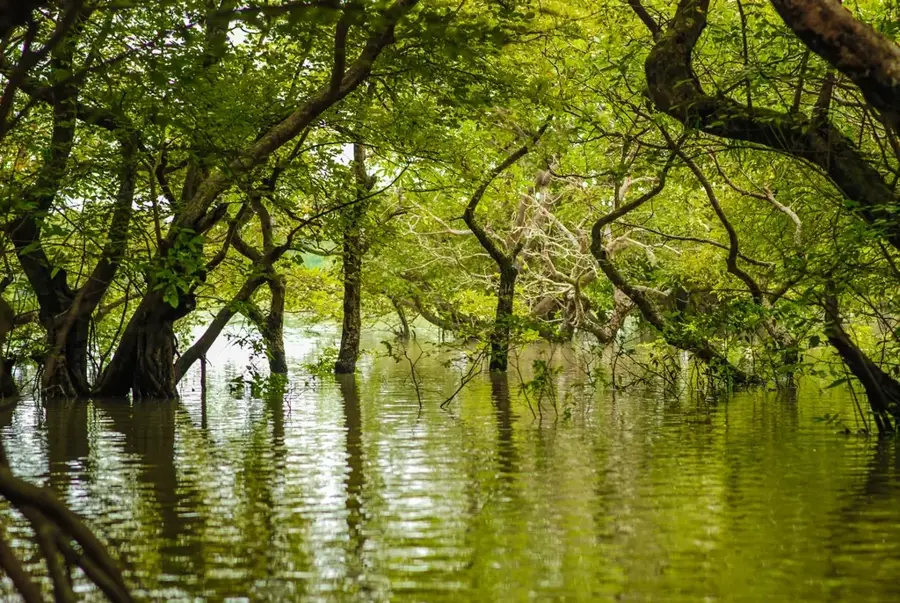
- Nearby: Ratargul Swamp Forest (7 km)
- Population: ~237.000 (2026)
Best time to visit & climate
The most pleasant time to visit is Feb, Nov, Dec.
| Jan | Feb | Mar | Apr | May | Jun | Jul | Aug | Sep | Oct | Nov | Dec | |
|---|---|---|---|---|---|---|---|---|---|---|---|---|
| Avg °C | 17 | 20 | 24 | 27 | 28 | 28 | 28 | 28 | 28 | 26 | 22 | 19 |
| Rain mm | 11 | 34 | 98 | 377 | 540 | 701 | 693 | 545 | 432 | 231 | 24 | 21 |
Geography
Facts
- Sylhet was upgraded to a City Corporation in 2002.
- The city is located just 15 kilometers from the Indian border state of Meghalaya.
- Sylhet experiences frequent mild earthquakes as it lies on a major fault line.
- The 'Londoni' community in Britain is estimated to be over 500,000 people, mostly from Sylhet.
- The Shahjalal University of Science and Technology was established in 1986.
- Sylhet's tea auction center is the second largest in the country after Chittagong.
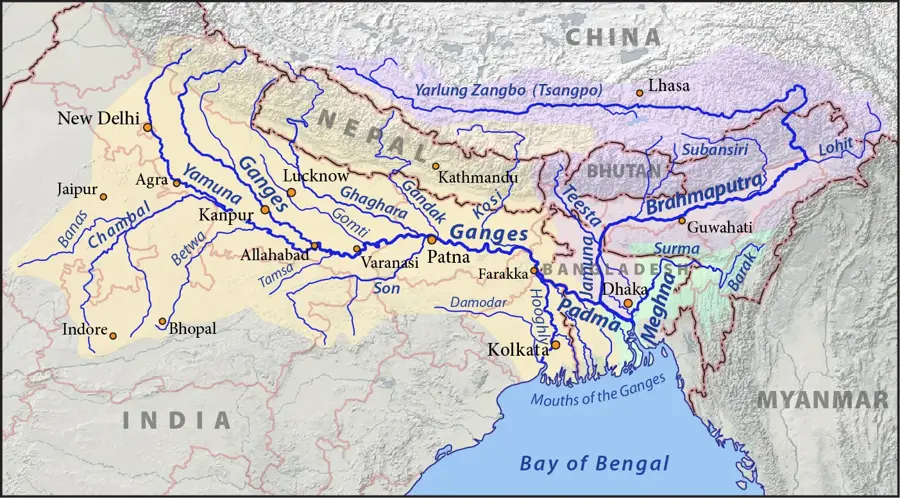
- The Surma River is part of the Barak-Surma-Kushiyara river system.
- The city is a major center for Islamic education with hundreds of madrasas.
Explore nearby
Notable places around


Route planner — Car & Motorhome
Where do you start? We build the route here, with stops and country notes along the way.
© OpenStreetMap contributors · OpenRouteService
Sights in the town Sylhet (13)
Frequently asked questions
Why is Sylhet popular with tourists?
Does it rain a lot there?
What is the Hazrat Shahjalal Shrine?
Can you visit tea gardens?
How to get to Jaflong?
Sylhet: where is it located?
Sylhet: what is there to see?
Sylhet: when is the best time to visit?
Sylhet: why is it worth visiting?

Nearby cities

History & landmarks
Nature
More places