Plizio Visual Lab

Lawachara National Park

Plizio editorial teamData Sources
national-park
—°8
Lawachara National Park (Bangladesh)

Weather…

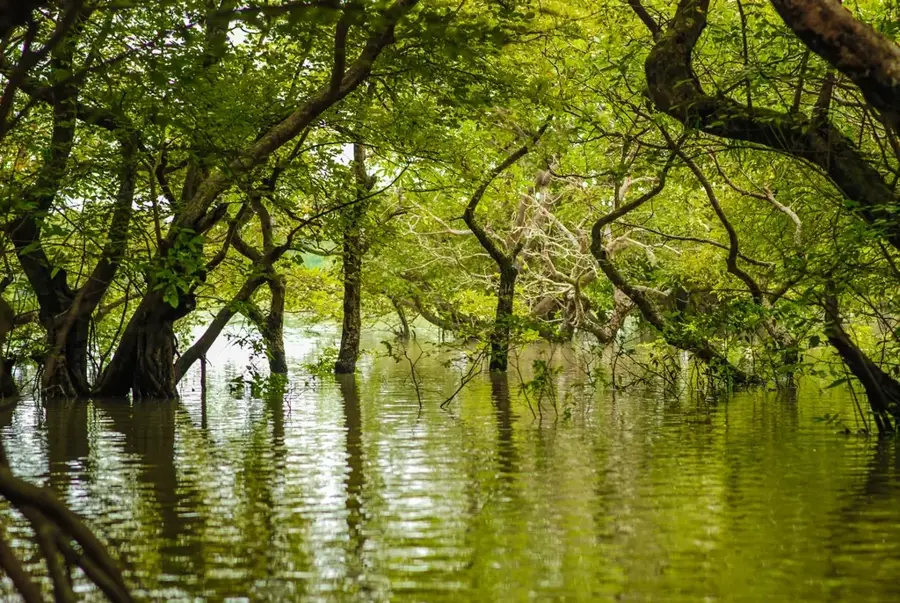
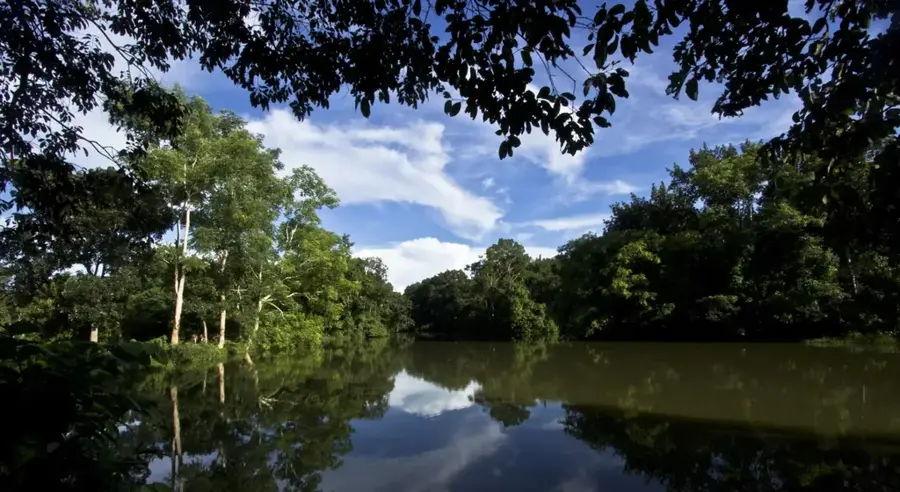
Lawachara National Park, situated in the Moulvibazar District, is one of the most significant remnants of tropical evergreen and semi-evergreen forests in Bangladesh. Officially established in 1996, the park covers an area of approximately 12.5 square kilometers. It is internationally renowned as one of the last remaining habitats for the Western Hoolock Gibbon, the only ape species found in the country. The dense vegetation features towering trees such as Champa and Teak, which form a complex multi-layered canopy. A British colonial-era railway line runs directly through the park, bisecting the forest landscape. Lawachara is home to an extraordinary variety of wildlife, including various macaques, langurs, over 240 bird species, and rare orchids. The park serves as a critical site for biodiversity conservation, ecological research, and nature-based tourism.

Best time to visit & climate

The most pleasant time to visit is Feb, Nov, Dec.

JanFebMarAprMayJunJulAugSepOctNovDec
Avg °C172125282828292828262218
Rain mm1129813044755745234323432032822

📋 Practical info

🧭
Getting there
The rainforest is usually reached via Srimangal, a nearby town acting as a base; visitors generally take a short auto-rickshaw or taxi ride to the park entrance.
📅
Best season
Visiting between November and March is widely considered the best choice, as the cooler, drier weather significantly reduces the presence of leeches and excessive mud.
⛰️
Terrain & paths
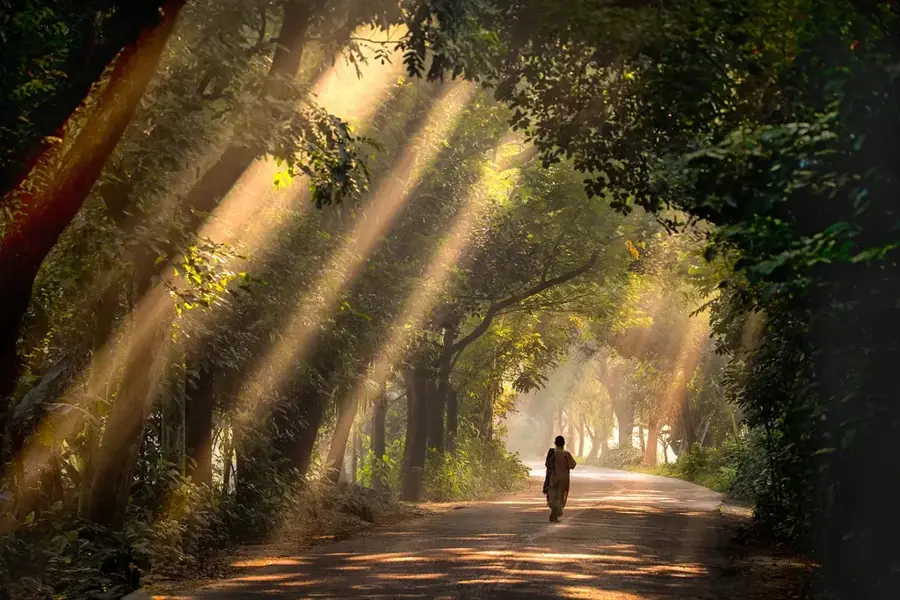
Expect a mix of well-trodden earthen trails and slightly overgrown paths winding through dense tropical vegetation, with occasional minor slopes and uneven roots.
🎒
What to bring
Long trousers and sturdy, closed-toe walking boots are crucial to protect against insect bites and leeches, along with binoculars for spotting the resident primates.
🅿️
Parking
There is typically a modest parking area designated near the visitor center or main gate, suitable for leaving hired cars or waiting auto-rickshaws during the trek.
⚠️
Safety
Leeches are very common, especially after rainfall; bringing salt or specialized leech socks is highly advised, and hiring a local guide minimizes the risk of getting lost.
⏱️
Time needed
Visitors generally spend about two to three hours exploring the diverse trails, which is usually enough time to complete the most popular circular walking routes.

Geography

Coordinates
24.33330, 91.78330

Facts

  • The park was officially established by government notification in 1996.
  • The total land area of the national park is exactly 1,250 hectares.
  • A total of 246 different bird species have been recorded within the park.
  • The park is home to a small population of about 60 Western Hoolock Gibbons.
  • Approximately 167 different plant species are found in the forest area.
  • Several small streams flow through the park, including the Lawachara stream.

Explore nearby

Notable places around

Route planner — Car & Motorhome

Where do you start? We build the route here, with stops and country notes along the way.

Vehicle
Only stops with (optional):

© OpenStreetMap contributors · OpenRouteService

Sights in the town Lawachara National Park (8)

Lawachara forest village📍 landmark

Lawachara Forest Village is a small community settlement located deep within the lush greenery of the Lawachara National Park.

Lawachara National Park🌿 nature

Lawachara National Park is a major tropical semi-evergreen forest reserve known for its rich biodiversity, including the endangered hoolock gibbons.

Lawachora Jame Mashjid📍 landmark

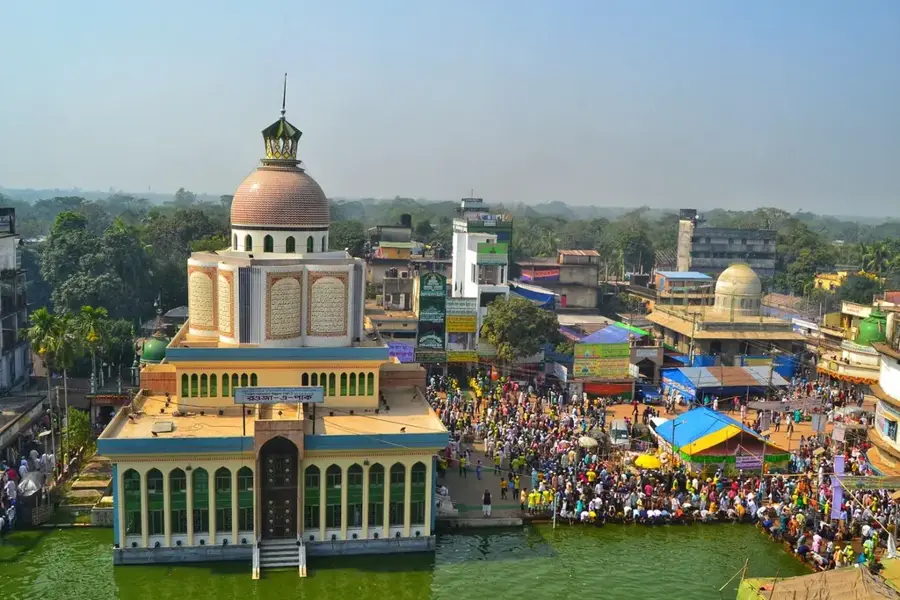
Surrounded by the dense foliage of the nearby national park, the Lawachora Jame Mashjid serves local villagers and visiting Muslims.

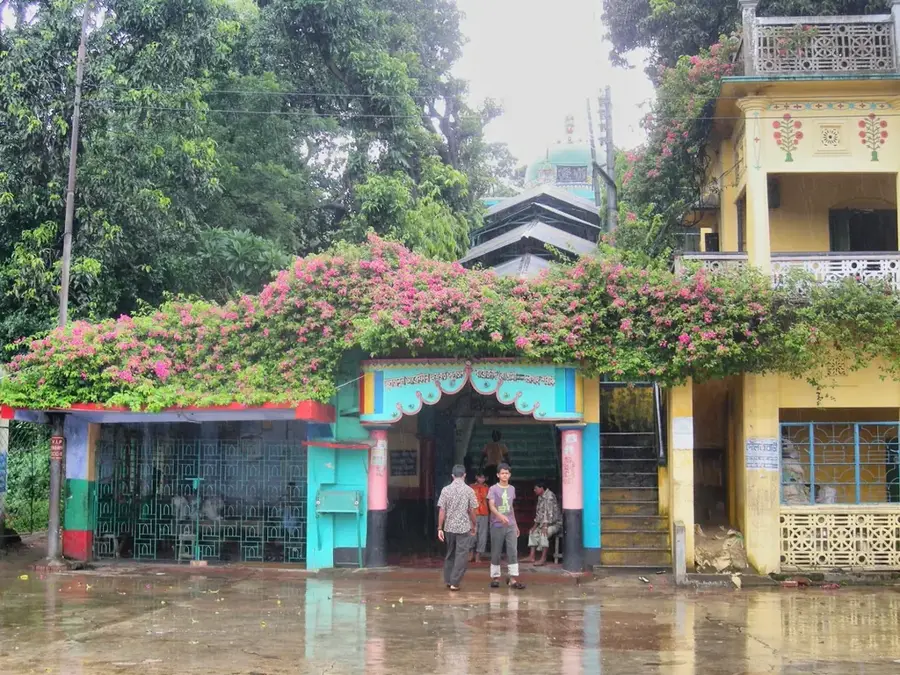
Jugibil Jame Mosjid⛪ religious

The Jugibil Jame Mosjid is a rural Islamic sanctuary located on the edge of the Lawachara reserve's diverse ecosystems.

Masjid📍 landmark

This local Islamic prayer space provides a quiet spot for worship amidst the natural surroundings of the Lawachara region.

Kalapur Bazar🎭 culture

Kalapur Bazar is a bustling rural marketplace where locals trade fresh produce and regional goods near Lawachara.

Kakia Bazar🎭 culture

The Kakia Bazar functions as an essential regional trading hub offering daily necessities for the communities around Lawachara.

Giasnagar Bazar🎭 culture

Giasnagar Bazar is a lively community market where vendors sell local crafts and fresh food near the national park.

Sights nearby

Frequently asked questions

What rare primates live here?
The Western Hoolock Gibbon is the most famous species in the park.
Are there film locations there?
Parts of the movie 'Around the World in 80 Days' were filmed here near the tracks.
Are there railway tracks through the park?
Yes, an active railway line runs through the forest, making for unique photos.
Are the hiking trails well marked?
Yes, there are three marked circular trails of different lengths.
What else should we visit nearby?
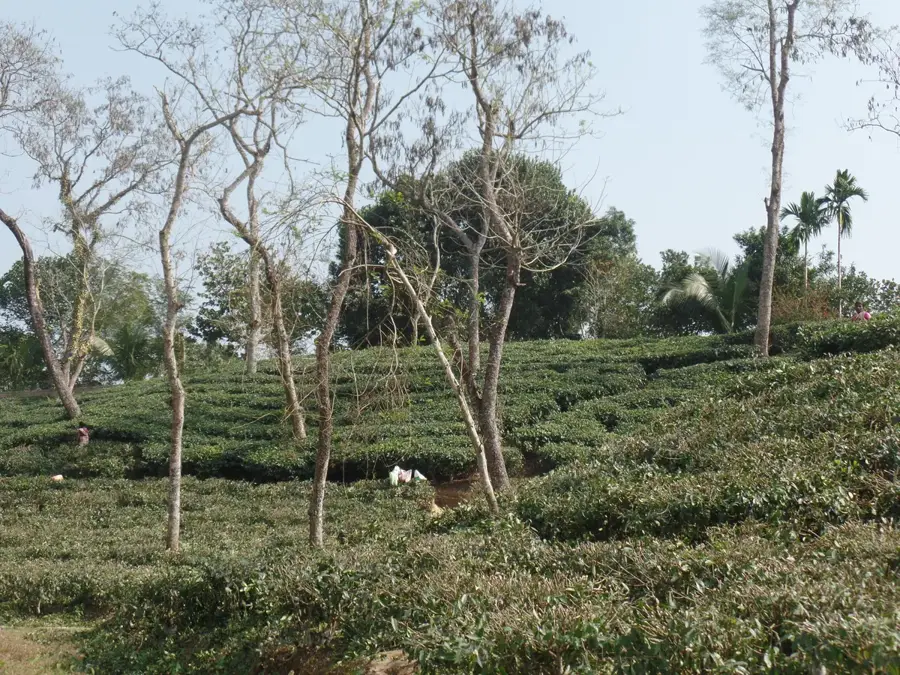
The surrounding tea gardens of Srimangal are definitely worth a visit.
Lawachara National Park: where is it located?
Lawachara National Park is located in Bangladesh.
Lawachara National Park: what is there to see?
Highlights include Lawachara forest village, Lawachara National Park, Lawachora Jame Mashjid.
Lawachara National Park: when is the best time to visit?
The most pleasant time to visit is Feb, Nov, Dec.
Lawachara National Park: why is it worth visiting?

Lawachara National Park, situated in the Moulvibazar District, is one of the most significant remnants of tropical evergreen and semi-evergreen forests in Bangladesh.
View on map → The Top 50 Attractions → OpenStreetMap →
Asia
Explore with Plizio Discover more places in Asia
More places in Bangladesh →

Nearby cities

History & landmarks
Nature

More places