Plizio Visual Lab
Argentine Sea
Weather…
Water temperature…
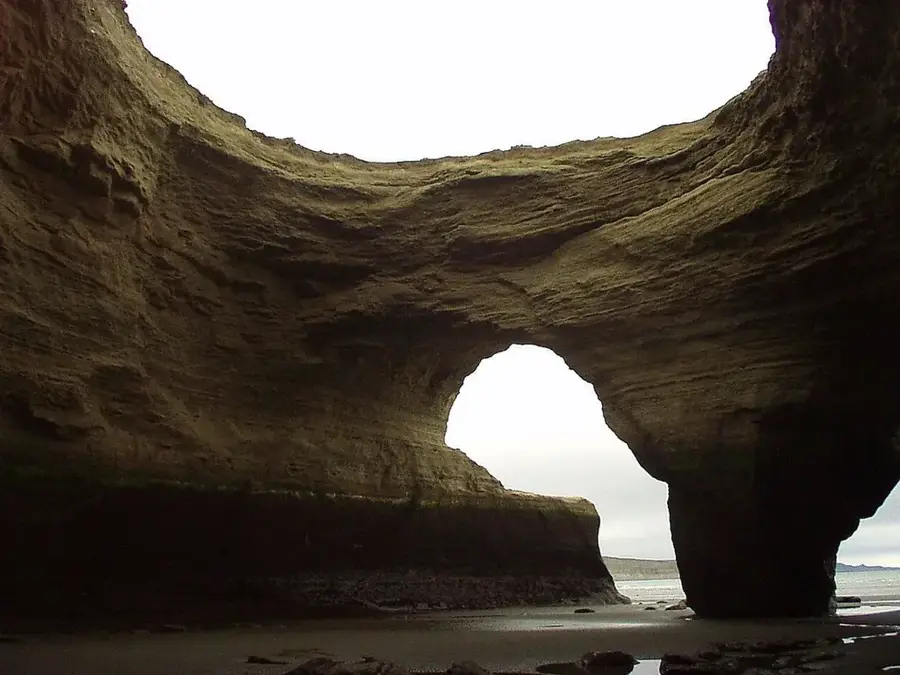
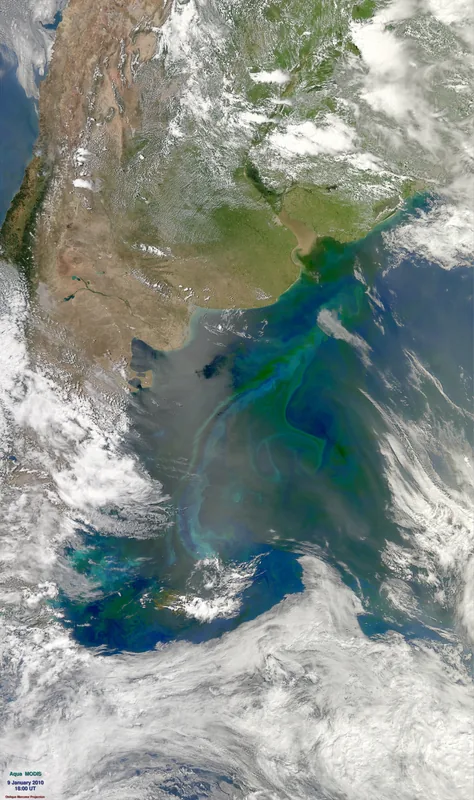
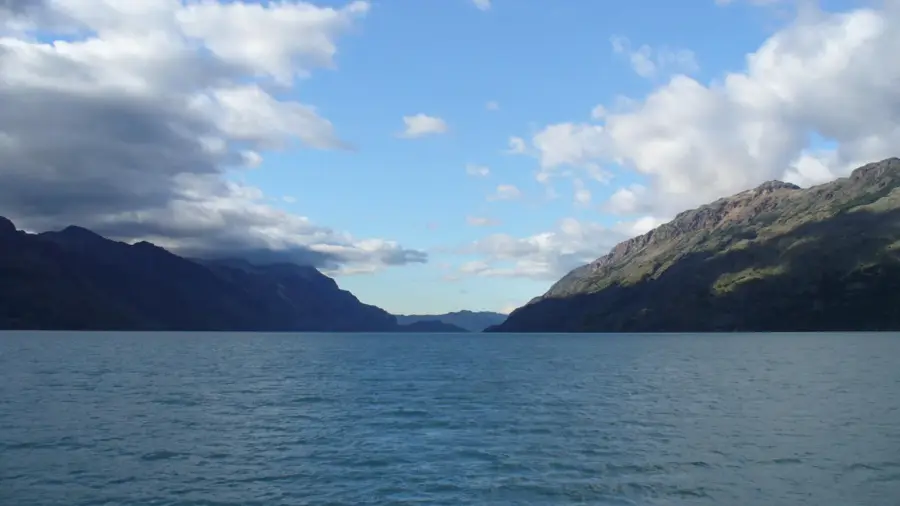
The Argentine Sea is a marginal sea of the Atlantic Ocean, covering the vast continental shelf off the coast of Argentina. With a surface area exceeding one million square kilometers, it is one of the most productive marine ecosystems in the world. This productivity is primarily driven by the meeting of the cold Malvinas Current from the south and the warm Brazil Current from the north, which creates a nutrient-rich environment. These waters are home to an impressive variety of wildlife, including the Southern Right Whale, southern elephant seals, sea lions, and massive colonies of Magellanic penguins. The sea also plays a fundamental role in the Argentine economy, particularly through the commercial fishing of species such as hake and red shrimp. To protect this fragile ecosystem, several marine protected areas and national parks have been established along the coastline. The Valdés Peninsula, a UNESCO World Heritage site, is one of the premier locations for observing this rich marine biodiversity.
Best time to visit & climate
The most pleasant time to visit is Jan–Mar.
| Jan | Feb | Mar | Apr | May | Jun | Jul | Aug | Sep | Oct | Nov | Dec | |
|---|---|---|---|---|---|---|---|---|---|---|---|---|
| Avg °C | 13 | 13 | 12 | 10 | 8 | 7 | 6 | 6 | 6 | 7 | 9 | 11 |
| Rain mm | 55 | 48 | 54 | 58 | 71 | 47 | 68 | 58 | 54 | 47 | 34 | 38 |
📋 Practical info
Geography
Facts
- The average depth on the continental shelf is approximately 200 meters.
- The Atlantic coastline of Argentina is over 4,700 kilometers long.
- The Southern Right Whale uses the waters off Chubut as a breeding ground.
- The disputed Falkland Islands (Islas Malvinas) are located within the sea.
- Tidal ranges on the Patagonian coast can exceed 12 meters in height.
- More than 600 species of fish have been identified in the Argentine Sea.
Route planner — Car & Motorhome
Where do you start? We build the route here, with stops and country notes along the way.
© OpenStreetMap contributors · OpenRouteService
Sights nearby
Frequently asked questions
What is the Mar Argentino?
What can you experience here?
Is the water suitable for swimming?
When is the best time for whale watching?
Are there protected areas there?
Argentine Sea: where is it located?
Argentine Sea: when is the best time to visit?
Argentine Sea: why is it worth visiting?
Nature
More places