Plizio Visual Lab
Bibala
ℹ️Practical info — Bibala
▾
🌤 Weather — 5 days
📍 Nearby
Sights nearby
💡 Tips
- The town is an important stop on the Moçâmedes Railway; check the schedule if you plan to travel by train as it is infrequent.
- The region is arid; ensure you have adequate water and vehicle supplies if driving outside the main town.
- Portuguese is essential here; very little English is spoken outside of official or tourist settings in the capital.
- Exploring the nearby hot springs (Aguas Quentes) is a local highlight, but roads can be rough.
🍽 Food
The Angolan staple of cassava flour porridge served with a savory meat or fish curry at small local restaurants.
Roast goat is a popular dish in this livestock-rearing region, best enjoyed at informal roadside taverns.
A sweet peanut treat, first-rate for a quick snack, often sold by street vendors near the market.
🛍 Shopping · 🧘 Quiet spots
The central hub for buying fresh local fruits, vegetables, and basic household goods.
Look for locals selling regional honey or traditional woven baskets.
Located just outside town, these natural thermal springs are a tranquil spot for relaxation.
The historic railway station has a quiet, nostalgic atmosphere between train arrivals.
Water temperature…
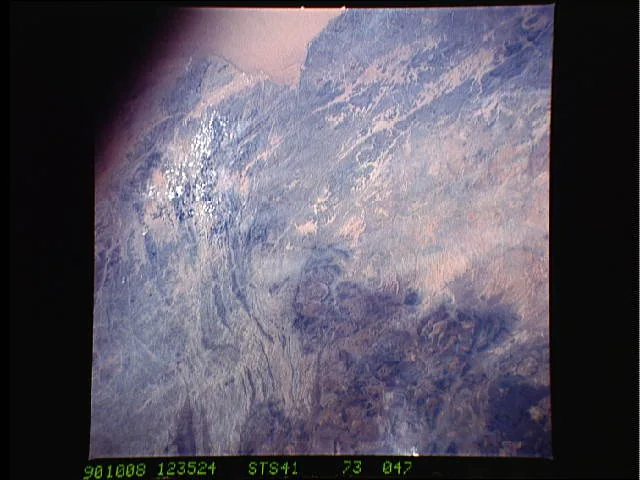
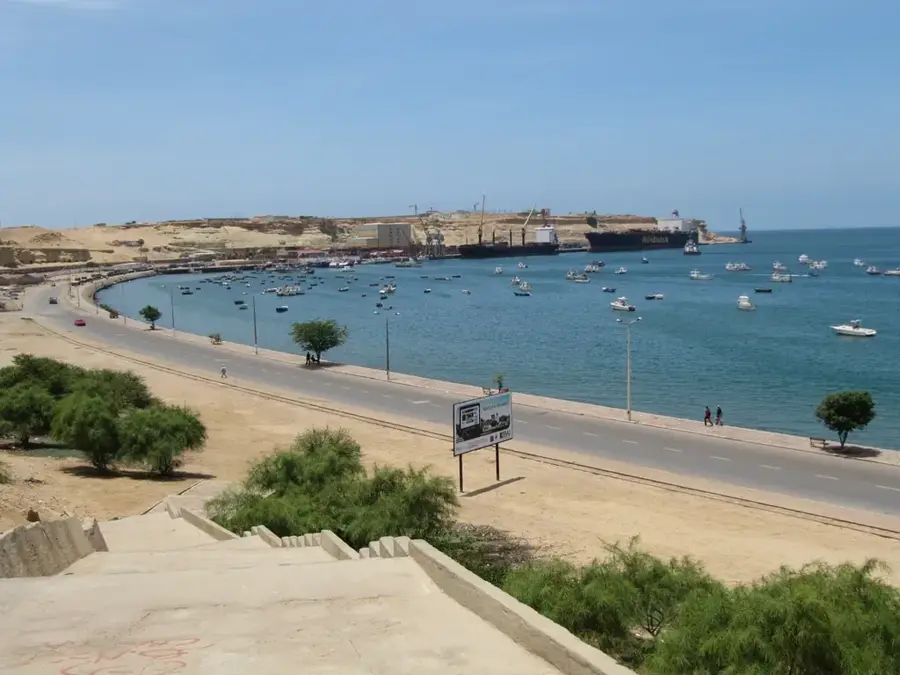
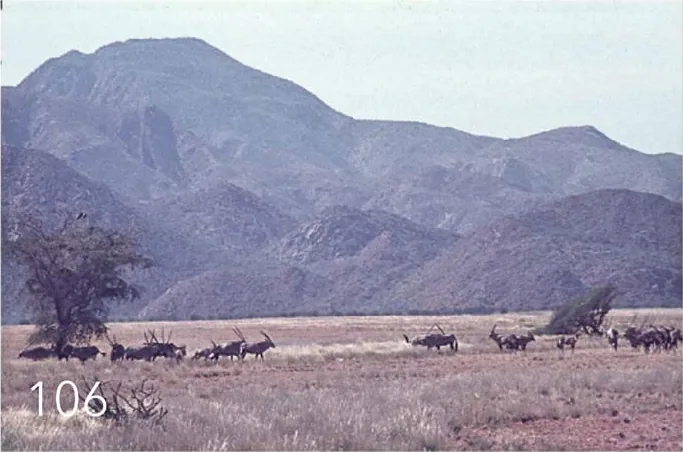
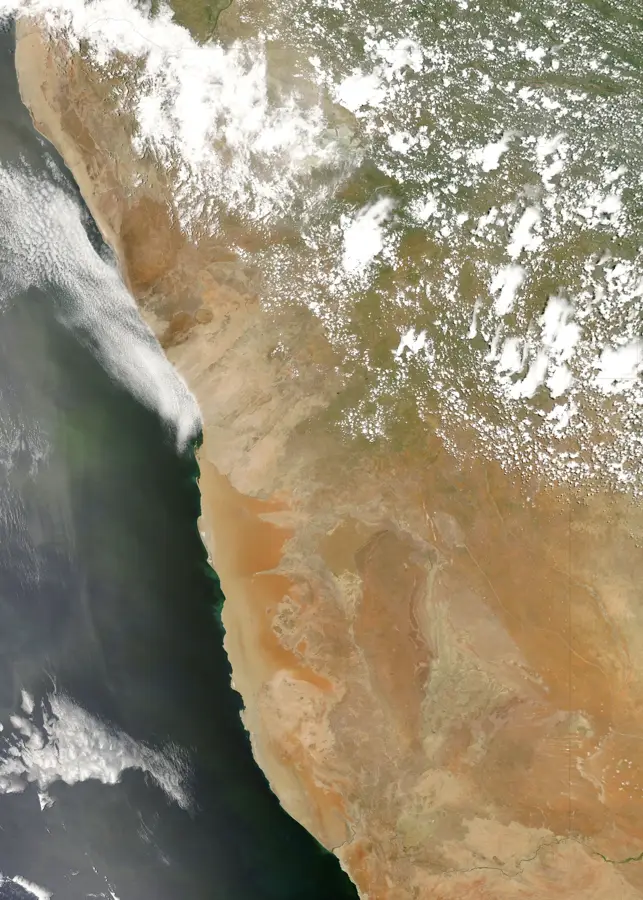
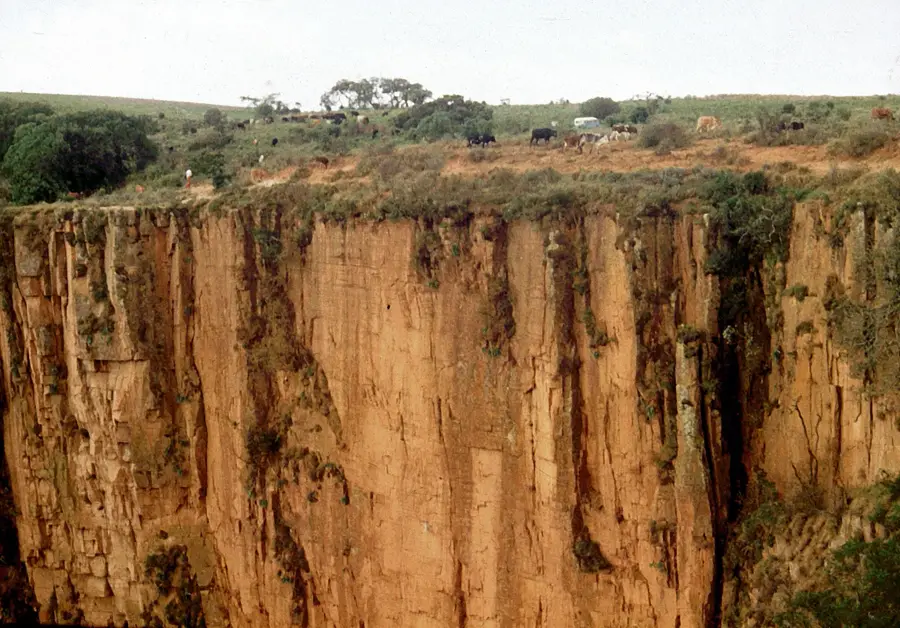
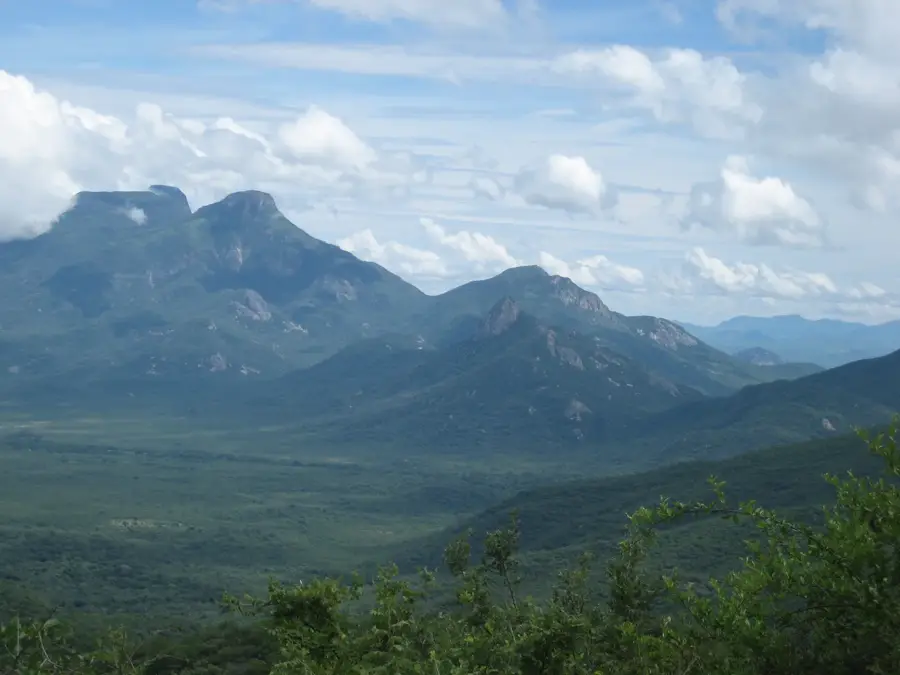
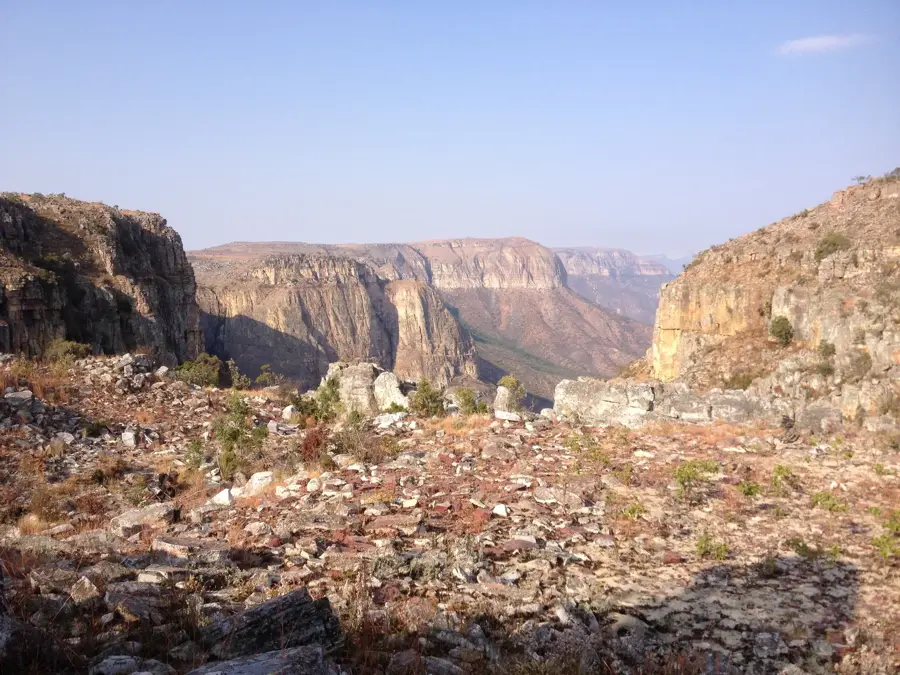
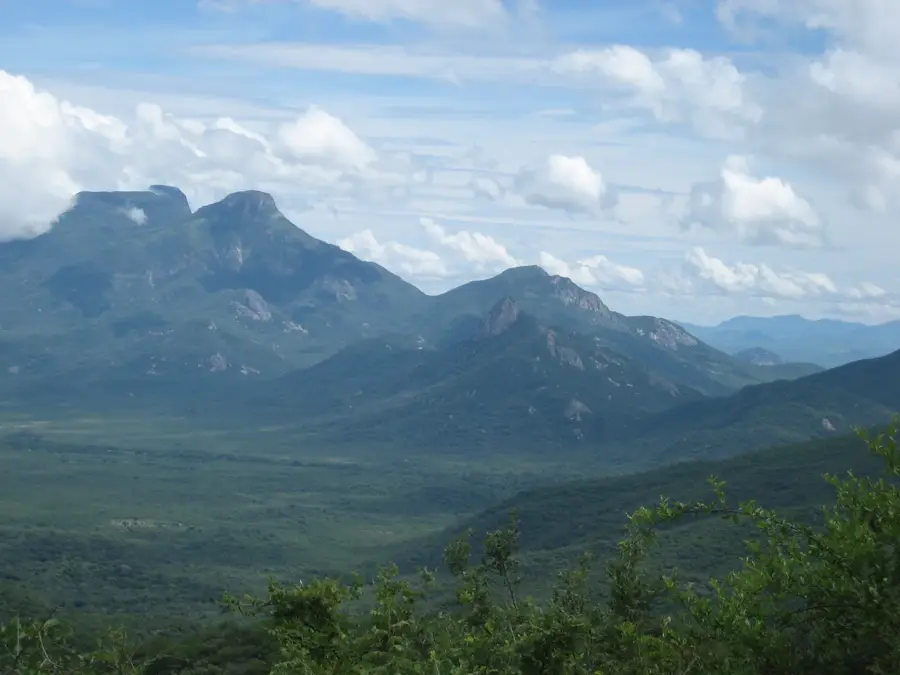
Bibala is an appealing town in the Namibe Province of southwestern Angola, set at the foothills of the Chela Mountains. The settlement is primarily renowned for its thermal springs, which are believed to possess healing properties and were used as a spa resort during the colonial era. The town is situated along the historic Moçâmedes Railway, marking the point where the tracks begin their steep ascent from the coastal lowlands to the central plateau. Geographically, Bibala acts as an oasis within a semi-arid landscape, nourished by rivers flowing down from the mountains. Agriculture, particularly the cultivation of citrus fruits and vegetables, is a key local economic sector. The climate here is notably milder than in the nearby desert regions, making Bibala a favored retreat. The surrounding mountains also offer striking rock formations and a diverse range of flora.
- Location: Angola
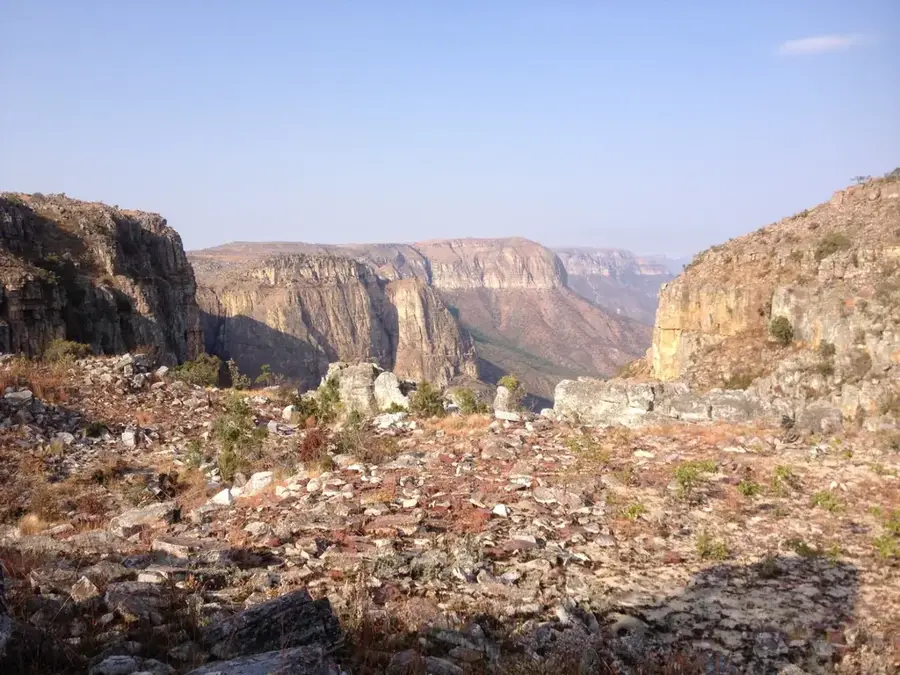
- Nearby: Tundavala Gap (6 km)
- Population: ~10.500 (2026)
Best time to visit & climate
The most pleasant time to visit is May, Aug, Sep.
| Jan | Feb | Mar | Apr | May | Jun | Jul | Aug | Sep | Oct | Nov | Dec | |
|---|---|---|---|---|---|---|---|---|---|---|---|---|
| Avg °C | 21 | 21 | 21 | 21 | 19 | 17 | 18 | 20 | 23 | 24 | 23 | 22 |
| Rain mm | 131 | 137 | 207 | 49 | 6 | 0 | 0 | 1 | 5 | 38 | 166 | 120 |
Geography
Facts
- The thermal springs of Bibala have been known for over a century.
- Bibala is situated at an elevation of approximately 800 meters.
- The town is a significant stop on the Moçâmedes Railway.
- Citrus fruits from Bibala are highly regarded throughout the region.
- The Bibala municipality borders Huíla Province to the east.
- The average annual temperature is around 22 degrees Celsius.
Explore nearby
Notable places around

Route planner — Car & Motorhome
Where do you start? We build the route here, with stops and country notes along the way.
© OpenStreetMap contributors · OpenRouteService
Frequently asked questions
How many days do you need for Bibala?
When is the best time to visit Bibala?
What is the easiest way to get to Bibala?
What food is typical in Bibala?
Is Bibala family-friendly?
Bibala: where is it located?
Bibala: when is the best time to visit?
Bibala: why is it worth visiting?

Nearby cities
History & landmarks
More places