Plizio Visual Lab

Kubango
Plizio editorial teamData Sources
River
—°
Kubango (Angola)

Weather…

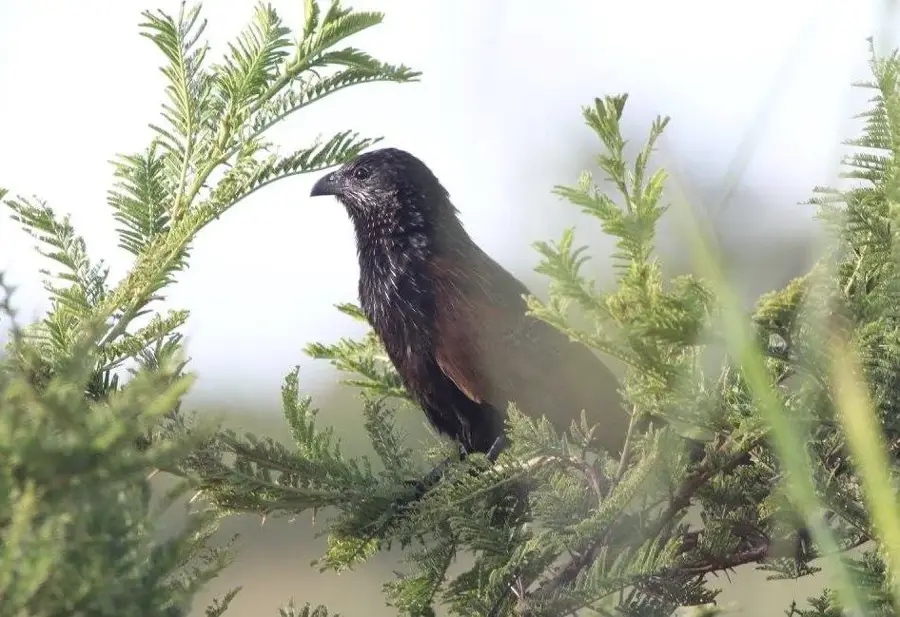
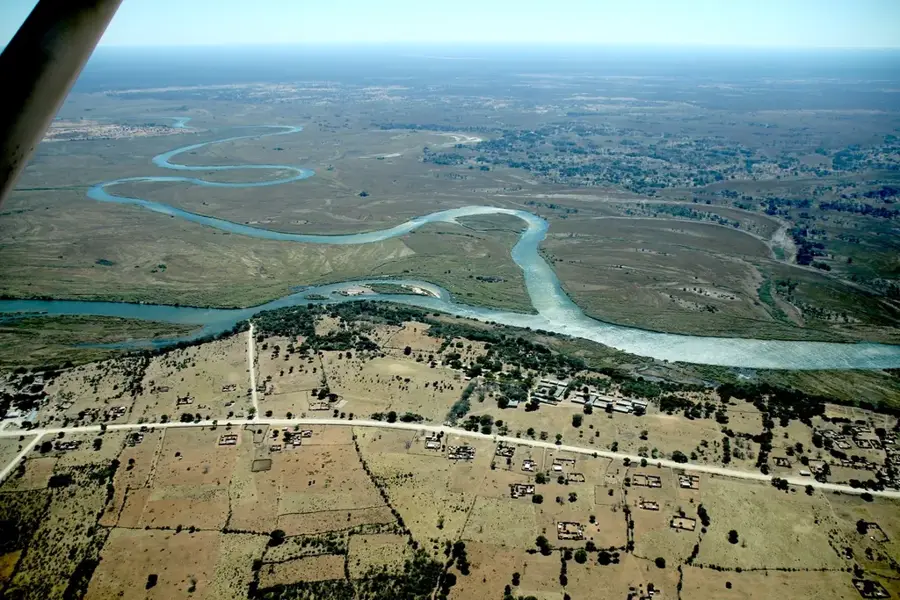
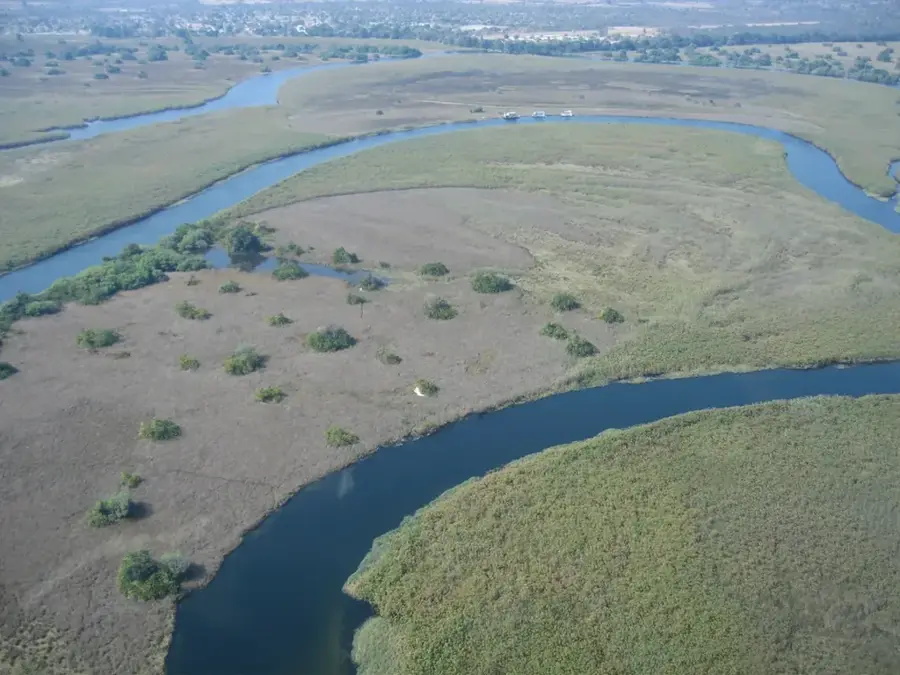
The Kubango River, mostly known internationally as the Okavango, originates in the high-rainfall Bié Plateau of central Angola and is the centerpiece of one of the world's most unique inland deltas. The river flows for over 1,600 kilometers in a southeastern direction, initially passing through Angola and later forming the border with Namibia before disappearing into the Okavango Delta in Botswana. In Angola, the river is known as the Kubango and cuts through vast plateaus and dry forests. Geographically, it is remarkable as it has no outlet to an ocean, ending instead in an endorheic basin. The Kubango feeds a vast network of channels and lagoons that provide habitat for immense biodiversity, including elephants, hippos, and crocodiles. It plays a central role in the Kavango-Zambezi (KAZA) transfrontier conservation project. The annual flood pulse of the Kubango is crucial for the ecological balance of the entire Kalahari region. For the local population in Angola, the river is a vital source of fishing and drinking water.

Best time to visit & climate

The most pleasant time to visit is May, Jun, Aug.

JanFebMarAprMayJunJulAugSepOctNovDec
Avg °C272625242118182125292828
Rain mm130129892620002116981

📋 Practical info

🧭
Getting there
Access to the water is typically via unpaved tracks that branch off from the main regional routes deep within Angola's interior. Larger bridges or ferry points in riverside settlements are usually the best and most reliable spots to approach the riverbanks.
📅
Best season
A visit is generally most pleasant during the dry season when the dirt tracks are passable and wildlife frequently gathers on the banks. During the rainy season, the river swells heavily, massively supplying the downstream delta systems with vital water.
⛰️
Terrain & paths
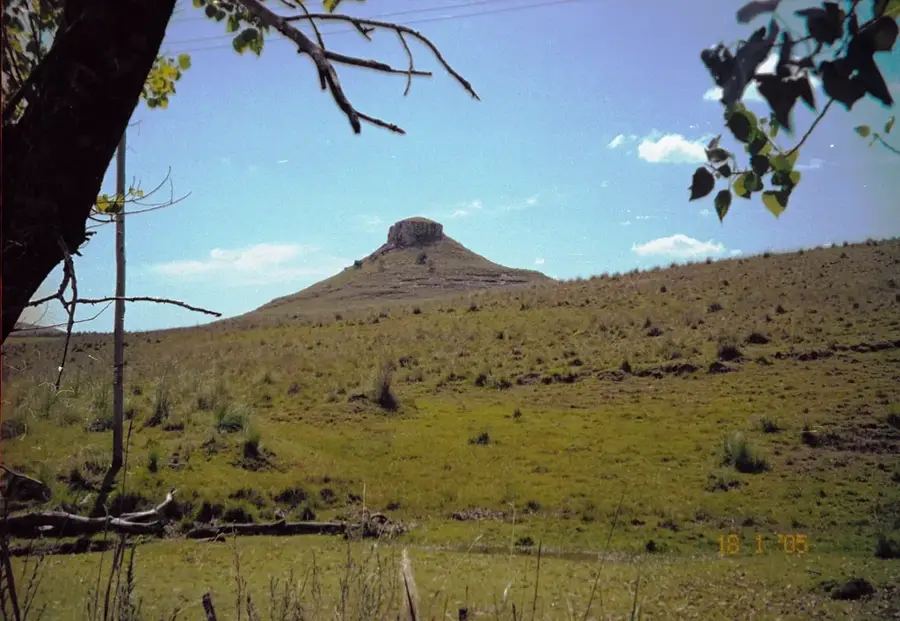
The landscape along the river typically varies from rolling hills in the upper reaches to flatter, often sandy sections further along. Paths running parallel to the banks can be uneven and heavily overgrown, requiring a basic level of physical fitness.
🎒
What to bring
For tours in this region, travelers should generally pack lightweight, long-sleeved clothing, sturdy shoes, and a hat to protect against the sun. Insect spray, sunscreen, and ample reserves of safe drinking water are consistently considered very important.
🅿️
Parking
Secure parking is generally only found in the larger settlements or at official police checkpoints along the route. It is typically recommended not to leave vehicles unattended in the wilderness, but rather to seek out local guarding for peace of mind.
⚠️
Safety
As the river is a lifeline for wildlife, travelers should generally maintain a respectful distance from the water's edge to avoid encounters with crocodiles or hippos. Guided tours led by experienced local experts are typically strongly advised for safety.
⏱️
Time needed
An excursion to this river region can easily take several days, especially if you wish to extensively observe the wildlife gathering during the drier months. Many visitors typically plan for at least a two to three-day stay in the surrounding remote area.

Geography

Coordinates
-18.20000, 17.50000

Facts

  • Total length: approx. 1,600 km
  • Source: Bié Plateau, Angola
  • Mouth: Okavango Delta
  • System: Endorheic basin
  • Region: Okavango-Zambezi KAZA
  • Main fauna: Elephants, crocodiles

Explore nearby

Notable places around

Route planner — Car & Motorhome

Where do you start? We build the route here, with stops and country notes along the way.

Vehicle
Only stops with (optional):

© OpenStreetMap contributors · OpenRouteService

Sights nearby

Frequently asked questions

Can you boat on the Kubango?
Yes in some areas, especially at calmer water levels. Local boats and guides are usually the best choice.
What is the best time to visit the Kubango?
The dry season is usually better for roads and visibility. In the rainy season, the river can become wider and harder to access.
Is the area family-friendly?
Yes, if you plan safe banks and short outings. Shaded breaks matter for small children.
What is the Kubango known for?
It is valued for river scenery, wetlands, and natural importance. In the region, it also matters for fishing and daily life.
Are there good photo spots?
Yes, especially on quiet banks, at sunrise, and where the water reflects the light.
Kubango: where is it located?
Kubango is located in Angola.
Kubango: when is the best time to visit?
The most pleasant time to visit is May, Jun, Aug.
Kubango: why is it worth visiting?
The Kubango River, mostly known internationally as the Okavango, originates in the high-rainfall Bié Plateau of central Angola and is the centerpiece of one of the world's most unique inland deltas.
View on map → The Top 50 Attractions → OpenStreetMap →
Africa
Explore with Plizio Discover more places in Africa
More places in Angola →

Nearby cities

History & landmarks

Nature

More places