Plizio Visual Lab

Guinas Lake
Plizio editorial teamData Sources
Lake
—°
Guinas Lake (Namibia)

Weather…

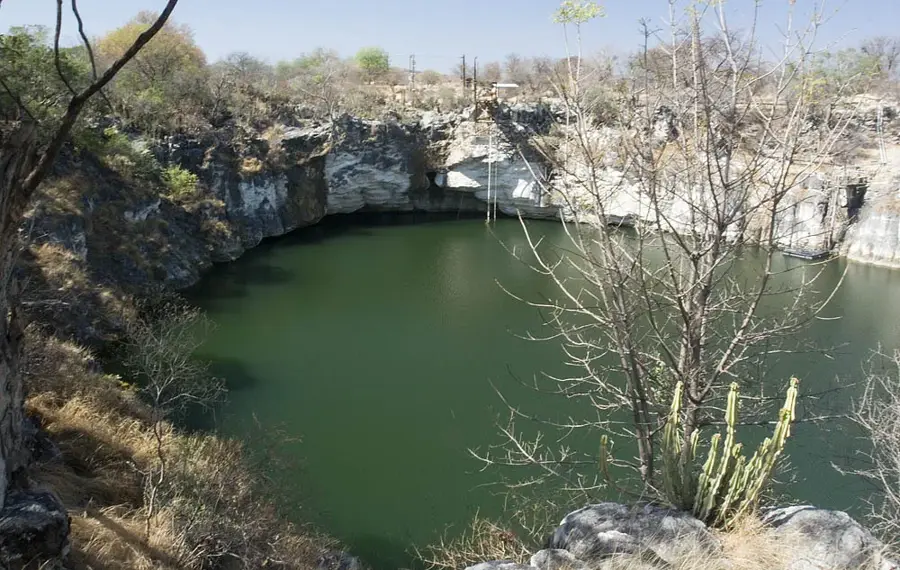
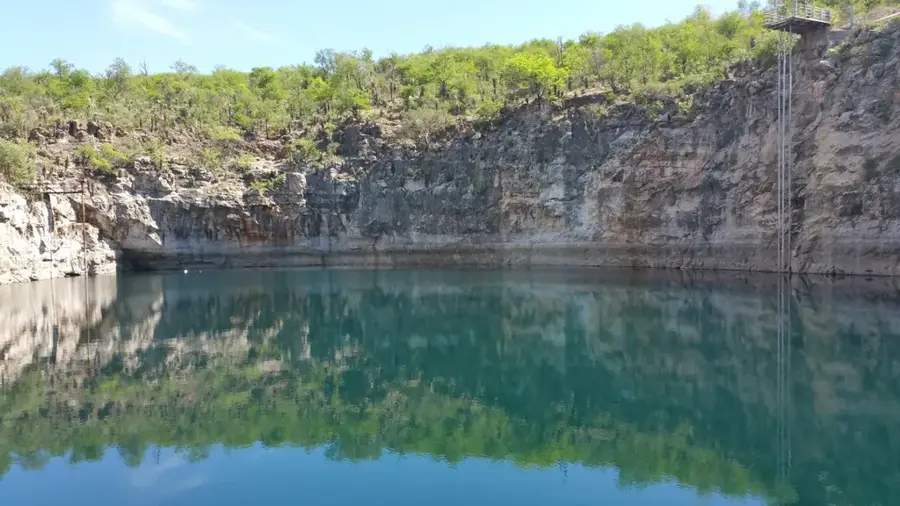
Guinas Lake is the larger of the two permanent sinkhole lakes in northern Namibia, situated about 30 kilometers west of Tsumeb. Like its better-known neighbor, Otjikoto Lake, it was formed by the collapse of a massive dolomite cave system. Guinas is significantly deeper and more imposing, with water depths estimated at around 130 meters. The steep, rugged limestone walls drop almost vertically into the deep blue water, making physical access challenging. The lake is of immense biological importance as the original natural habitat of the critically endangered Guinas Tilapia (Tilapia guinasana), a fish species noted for its spirited multi-colored variations. The water of the lake is part of a vast subterranean karst drainage system that permeates the region. Due to its depth and clarity, it is a specialized destination for technical cave divers, though it remains less developed for mainstream tourism compared to Otjikoto.

Best time to visit & climate

The most pleasant time to visit is May, Jun, Aug.

JanFebMarAprMayJunJulAugSepOctNovDec
Avg °C262625242118172125282827
Rain mm124109782720002165781

📋 Practical info

🧭
Getting there
The site is generally accessible via well-maintained gravel roads branching off from the main regional highway. Visitors typically arrive in standard self-drive vehicles, and the short path from the road to the water's edge is mostly unpaved but straightforward.
📅
Best season
The location can comfortably be visited year-round, as the water level remains relatively stable and is not heavily dependent on seasonal rains. However, the cooler winter months between May and September offer the most pleasant conditions for outdoor exploration.
⛰️
Terrain & paths
The immediate area is defined by the steep, rocky, and dramatic limestone cliffs that completely encircle this deep sinkhole lake. The ground surrounding the rim is rugged and uneven, requiring careful navigation to avoid slipping near the sharp edges.
🎒
What to bring
Sturdy, non-slip walking shoes are highly recommended to safely navigate the rocky perimeter and uneven trails. If you intend to take photographs, a wide-angle lens is very useful for capturing the impressive scale of the steep cliffs and the deep water.
🅿️
Parking
There is usually an informal but clearly visible clearing near the entrance where visitors can safely leave their vehicles. As this is a relatively remote, unmanaged natural site, it is always a good practice to take any valuables with you when you park.
⚠️
Safety
The sheer, unfenced drops from the limestone cliffs directly into the extremely deep water present a very serious falling hazard. Visitors must exercise extreme caution, stay well back from the unstable edges, and keep a very close watch on young children.
⏱️
Time needed
A typical visit simply to admire the striking geological formation, take some photographs, and enjoy the tranquil atmosphere usually takes about an hour. It is mostly considered a fascinating, brief scenic stop rather than a full-day destination.

Geography

Coordinates
-19.20000, 17.30000

Facts

  • The maximum water depth of Guinas Lake is approximately 130 meters.
  • The lake is located on a private farm and is less accessible than Otjikoto.
  • It is the type locality for the rare fish species Tilapia guinasana.
  • Water temperature remains constant at about 27°C throughout the year.
  • The lake is famous for its extremely steep and jagged limestone walls.
  • Divers have explored extensive underwater caverns in its depths.

Explore nearby

Notable places around

Route planner — Car & Motorhome

Where do you start? We build the route here, with stops and country notes along the way.

Vehicle
Only stops with (optional):

© OpenStreetMap contributors · OpenRouteService

Sights nearby

Frequently asked questions

How does Lake Guinas differ from Otjikoto?
Lake Guinas is usually quieter and is located on private farm land.
Do I need permission to visit?
Yes, as it is on private land, prior notification or permission is often required.
Is swimming allowed?
Always ask the farm owner, as this is not a public swimming lake.
What is the best time of day to visit?
In the morning, the light is best to photograph the deep blue of the lake.
Are there rare animals here?
Yes, there is an endemic species of fish living in the lake that is found only there.
Guinas Lake: where is it located?
Guinas Lake is located in Namibia.
Guinas Lake: when is the best time to visit?
The most pleasant time to visit is May, Jun, Aug.
Guinas Lake: why is it worth visiting?

Guinas Lake is the larger of the two permanent sinkhole lakes in northern Namibia, situated about 30 kilometers west of Tsumeb.
View on map → The Top 50 Attractions → OpenStreetMap →
Africa
Explore with Plizio Discover more places in Africa
More places in Namibia →

Nearby cities

Nature

More places