Plizio Visual Lab

Etosha Pan
Plizio editorial teamData Sources
Lake
—°
Etosha Pan (Namibia)

Weather…

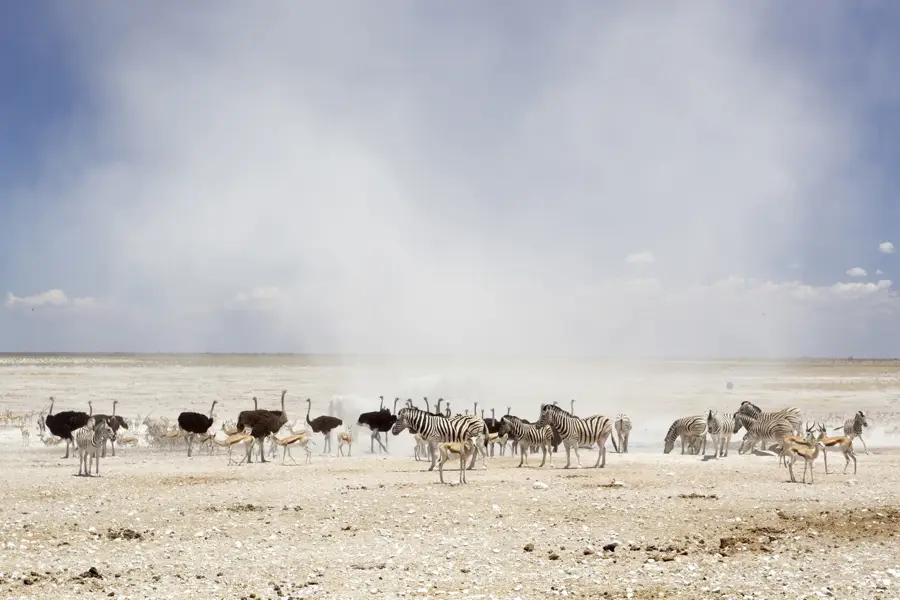
The Etosha Pan in northern Namibia is a vast, flat salt pan covering approximately 4,800 square kilometers, forming the centerpiece of the Etosha National Park. It is the remnant of an ancient inland lake that was cut off from the Kunene River by tectonic shifts millions of years ago, eventually evaporating over time. Today, the pan is a shimmering whitish-grey expanse of salt-encrusted clay, so large that it is clearly visible from space. During exceptionally high rainfall seasons, a thin layer of water covers parts of the pan, attracting thousands of flamingos and white pelicans for breeding. In the dry season, the pan itself is a desolate wasteland, but the perennial springs located along its southern fringes provide life-sustaining water for elephants, lions, black rhinos, and numerous antelope species. The name 'Etosha' translates to 'Great White Place' in the local Ovambo language. The landscape features a surreal backdrop for wildlife viewing, often characterized by extreme heat hazes and shimmering mirages.

Best time to visit & climate

The most pleasant time to visit is May, Jun, Aug.

JanFebMarAprMayJunJulAugSepOctNovDec
Avg °C272626242118172125282828
Rain mm9599702110002143860

📋 Practical info

🧭
Getting there
The surrounding national park is typically entered through well-maintained official gates, with a network of mostly unpaved roads leading to viewing points along the pan's edge. A standard vehicle is usually sufficient during the dry season.
📅
Best season
The dry winter months from May to October are universally considered optimal for wildlife viewing, as animals are forced to congregate around man-made waterholes near the pan. The pan itself remains completely dry during this entire period.
⛰️
Terrain & paths
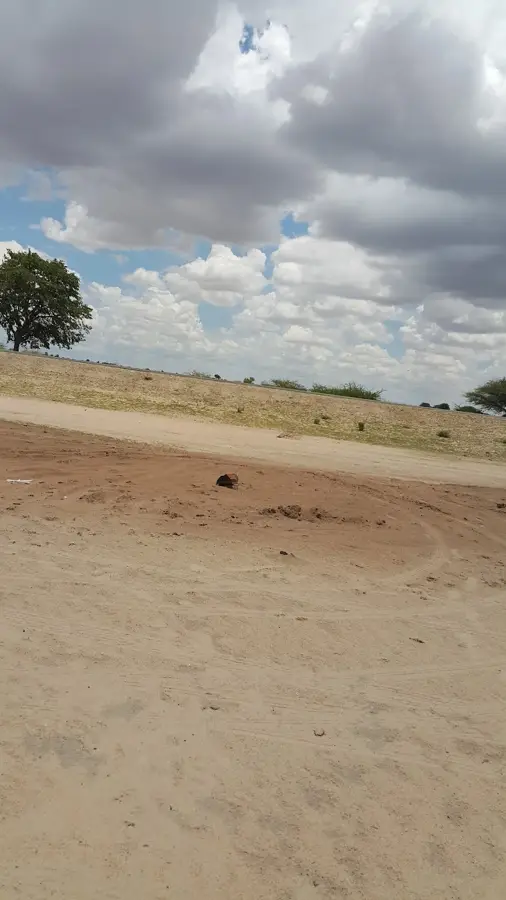
The vast expanse is largely composed of a blindingly white, flat crust of salt and hardened clay that stretches to the horizon. Visitors generally experience this from the comfort of their vehicles, adhering to the elevated, dusty perimeter roads.
🎒
What to bring
Essential equipment typically includes high-quality binoculars and a telephoto camera lens, as animals can often be quite distant. Breathable clothing, a wide-brimmed hat, strong sunscreen, and plenty of water are absolutely crucial for a comfortable safari.
🅿️
Parking
Safe parking is strictly limited to the fenced, official rest camps and designated, enclosed picnic sites scattered throughout the national park. Leaving your vehicle outside of these specific safety zones is strictly prohibited and highly dangerous.
⚠️
Safety
Due to the widespread presence of dangerous predators like lions and elephants, visitors must never exit their vehicles except in clearly designated secure areas. Speed limits within the park must be strictly observed to protect crossing wildlife.
⏱️
Time needed
To truly appreciate the massive scale of the pan and effectively scout multiple waterholes for diverse wildlife, most visitors plan a stay of at least three days. Shorter visits often feel rushed and miss the prime early morning viewing opportunities.

Geography

Coordinates
-18.80000, 16.50000

Facts

  • The pan is roughly 120 kilometers long and 72 kilometers wide.
  • It was formed about 10 million years ago from the drying of a massive lake.
  • The pan accounts for about 25% of the total area of Etosha National Park.
  • It is one of the most important breeding sites for flamingos in Southern Africa.
  • During the dry season, salt dust from the pan is blown across the continent.
  • The first Europeans to reach the pan were Francis Galton and Charles Andersson in 1851.

Explore nearby

Notable places around
Route planner — Car & Motorhome

Where do you start? We build the route here, with stops and country notes along the way.

Vehicle
Only stops with (optional):

© OpenStreetMap contributors · OpenRouteService

Sights nearby

Frequently asked questions

What is the Etosha Pan?
A huge, dried-up salt pan that briefly fills with water when it rains.
When do I see the most animals?
In the dry season (May-October) at the waterholes throughout the park.
Am I allowed to get out?
No, only at designated, fenced picnic areas for safety reasons.
Which animals will I surely see?
Zebras, giraffes, and elephants can almost always be spotted at the waterholes.
Do I need a guide?
No, the park is very well signposted and safe for self-drivers.
Etosha Pan: where is it located?
Etosha Pan is located in Namibia.
Etosha Pan: when is the best time to visit?
The most pleasant time to visit is May, Jun, Aug.
Etosha Pan: why is it worth visiting?
The Etosha Pan in northern Namibia is a vast, flat salt pan covering approximately 4,800 square kilometers, forming the centerpiece of the Etosha National Park.
View on map → The Top 50 Attractions → OpenStreetMap →
Africa
Explore with Plizio Discover more places in Africa
More places in Namibia →

Nearby cities

Nature

More places