Plizio Visual Lab
Vjosa River
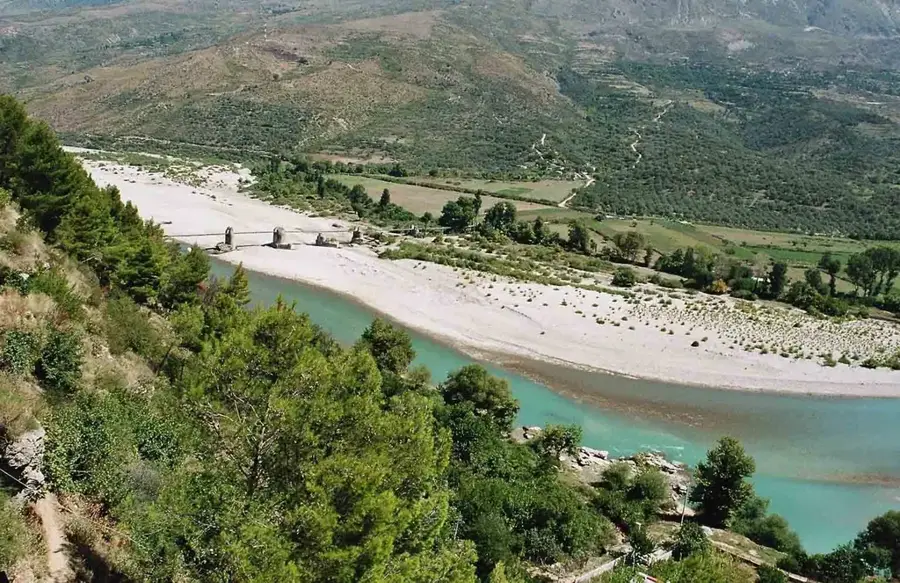
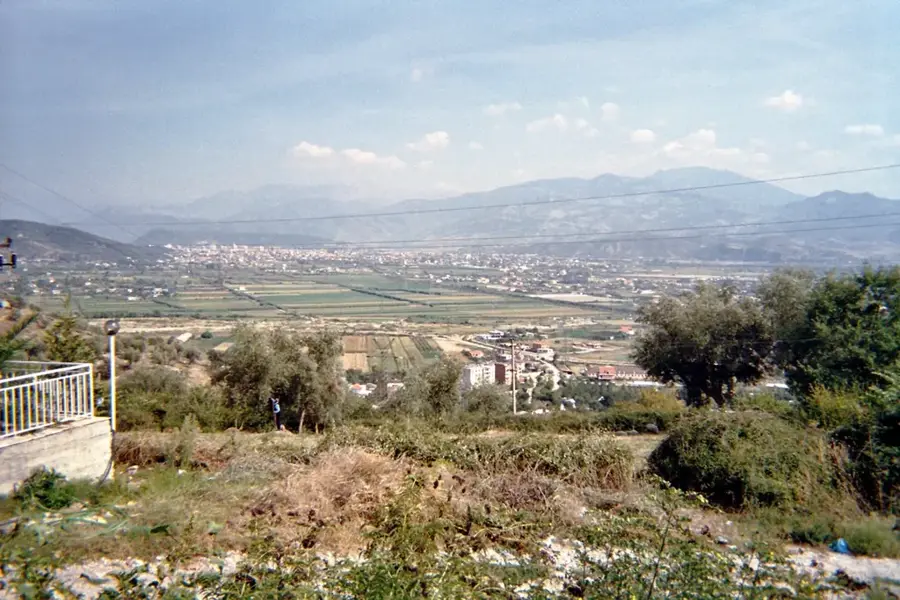
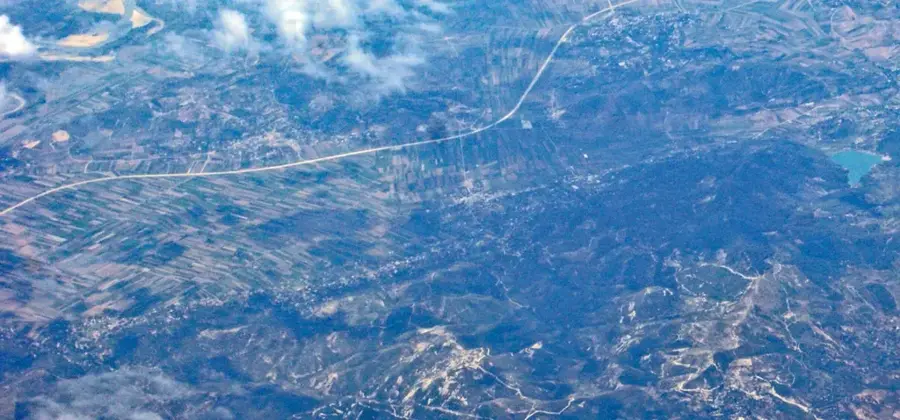
The Vjosa is widely regarded as one of Europe's last large wild rivers, flowing almost entirely unobstructed for approximately 272 kilometers. Originating in the Pindus Mountains of Greece, it winds through dramatic canyons and expansive gravel beds before reaching the Adriatic Sea in Albania. In March 2023, the Vjosa was officially designated as Europe's first Wild River National Park, a landmark decision aimed at protecting the entire ecosystem from hydroelectric dam projects. The river's natural dynamics continuously reshape the landscape, creating diverse habitats for over 1,100 species of flora and fauna. Endangered species such as the Egyptian vulture and the European eel rely on its free-flowing waters for survival. Beyond its ecological value, the Vjosa is deeply intertwined with local culture and agriculture, providing essential water resources and supporting traditional livelihoods. Scientific studies of the Vjosa now provide a vital reference for river restoration projects across Europe.
- Location: Albania
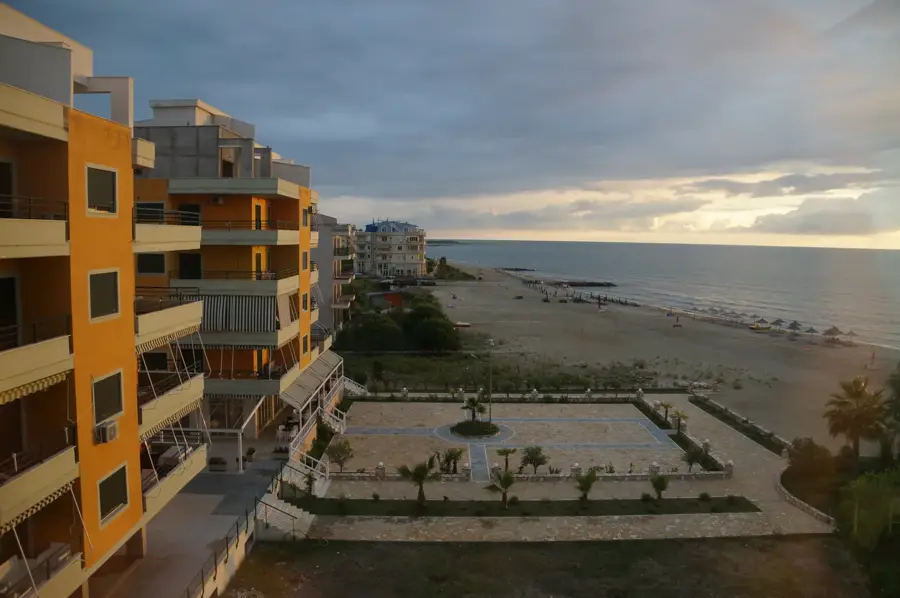
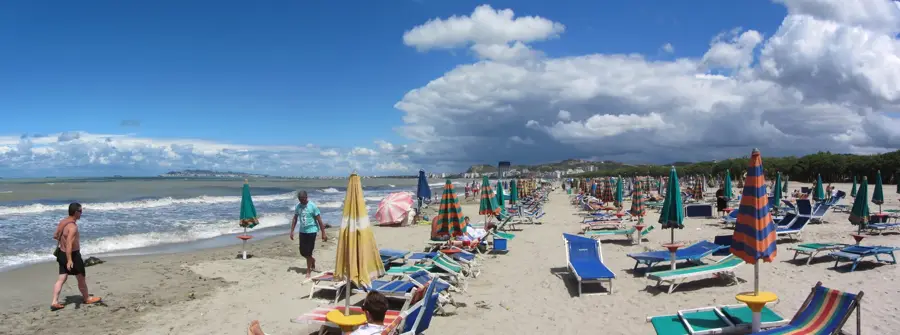
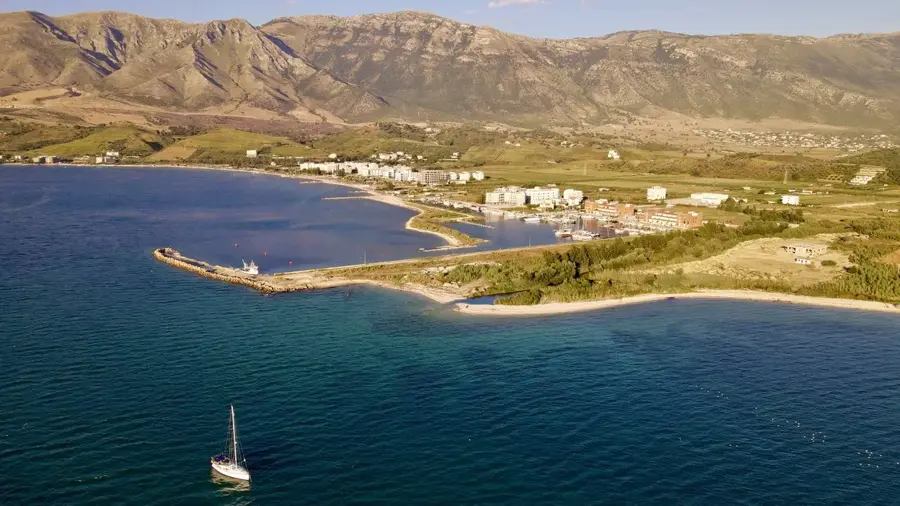
- Top sights: Plazhi Vega · Plazhi Nimfa · La Playa Beach
- Nearby: Vlorë (7 km)
Best time to visit & climate
The most pleasant time to visit is May–Jul.
| Jan | Feb | Mar | Apr | May | Jun | Jul | Aug | Sep | Oct | Nov | Dec | |
|---|---|---|---|---|---|---|---|---|---|---|---|---|
| Avg °C | 10 | 10 | 12 | 15 | 18 | 23 | 26 | 26 | 22 | 19 | 15 | 11 |
| Rain mm | 103 | 90 | 82 | 61 | 57 | 36 | 22 | 26 | 80 | 98 | 123 | 128 |
📋 Practical info
Geography
Facts
- Total length of the river is approximately 272 kilometers.
- Designated as a National Park on March 15, 2023.
- Home to more than 1,100 distinct animal and plant species.
- Largest wild river in Europe outside of Russia.
- The river flows through Greece for its first 80 kilometers.
- There are no major dams blocking its entire main course.
Explore nearby
Notable places around

Route planner — Car & Motorhome
Where do you start? We build the route here, with stops and country notes along the way.
© OpenStreetMap contributors · OpenRouteService
Sights in the town Vjosa River (3)
La Playa Beach🎡 recreation
Tucked away in the river landscape of the Vjosa, La Playa Beach provides a refreshing alternative to the classic coast. The clear, flowing water primarily attracts relaxation seekers who appreciate natural bathing spots. Arriving early is recommended to secure the best spot on the riverbank.
Sights nearby
Frequently asked questions
What is special about the Vjosa?
Can you go rafting on the Vjosa?
Are there thermal springs along the river?
Is the water suitable for swimming in summer?
When is the best time to visit?
Vjosa River: where is it located?
Vjosa River: what is there to see?
Vjosa River: when is the best time to visit?
Vjosa River: why is it worth visiting?
Nearby cities