Plizio Visual Lab
Lushnjë
ℹ️Practical info — Lushnjë
▾
🌤 Weather — 5 days
📍 Nearby
Sights nearby
💡 Tips
- Lushnjë is the first-rate transit stop: grab a piece of the famous local byrek, widely considered the best in Albania.
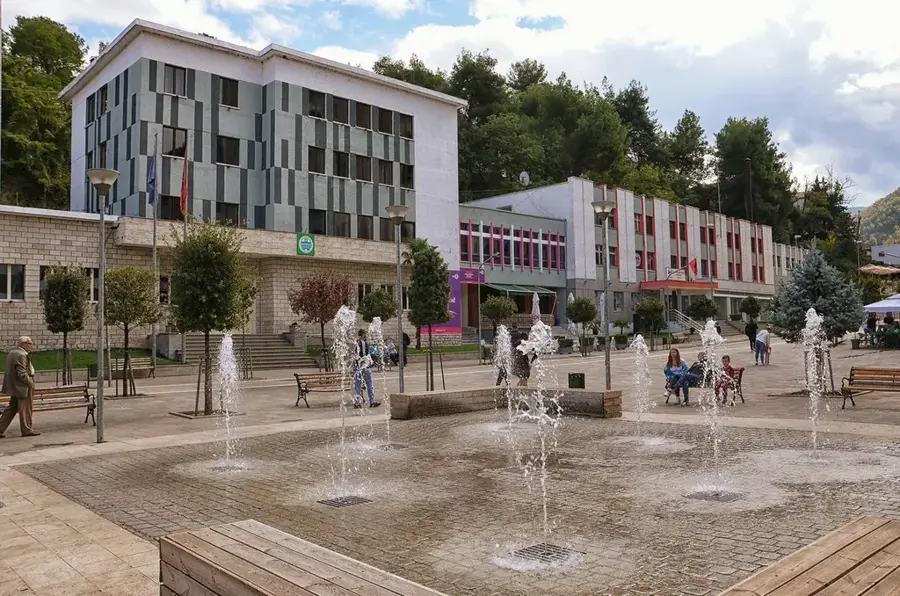
- Join the evening 'xhiro' on the Pedonale, the traditional stroll where locals gather on the main pedestrian street.
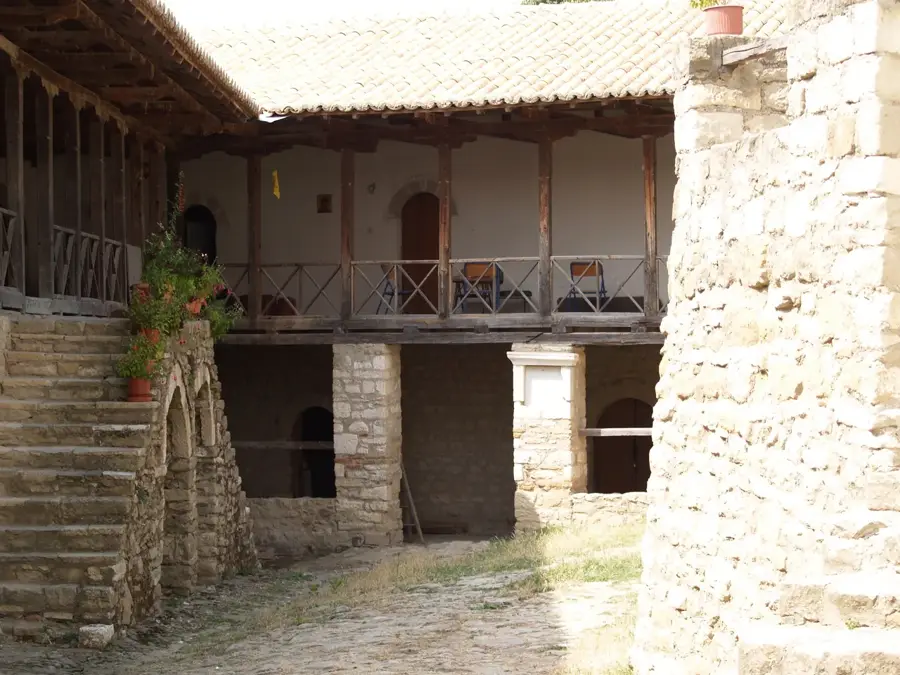
- Visit the nearby Ardenica Monastery, a peaceful hilltop gem where national hero Skanderbeg was married.
- As the city is the agricultural heart of the Myzeqe plain, buy local honey and olive oil here for the best quality.
- The city layout is very flat, making it one of the most bike-friendly places for a quick local tour.
🍽 Food
Look for the version with curd cheese (gjizë) and onions in the small bakeries near the market.
Roasted chicken served with crumbled traditional bread soaked in meat juices.
Handmade dough crumbs cooked in a rich chicken broth; a staple of the Myzeqe agricultural region.
🛍 Shopping · 🧘 Quiet spots
The New Market is the top spot for fresh honey, olive oil, and mountain herbs from the Myzeqe plain.
The pedestrian street is lined with boutiques and local shoe stores for a relaxed shopping walk.
Look for this robust red wine variety in local shops, produced in the surrounding vineyards.
A serene historical site on a hill featuring striking Byzantine frescoes and vast views.
The city park gives shaded paths and a small pond, well-suited for a slow afternoon coffee break.
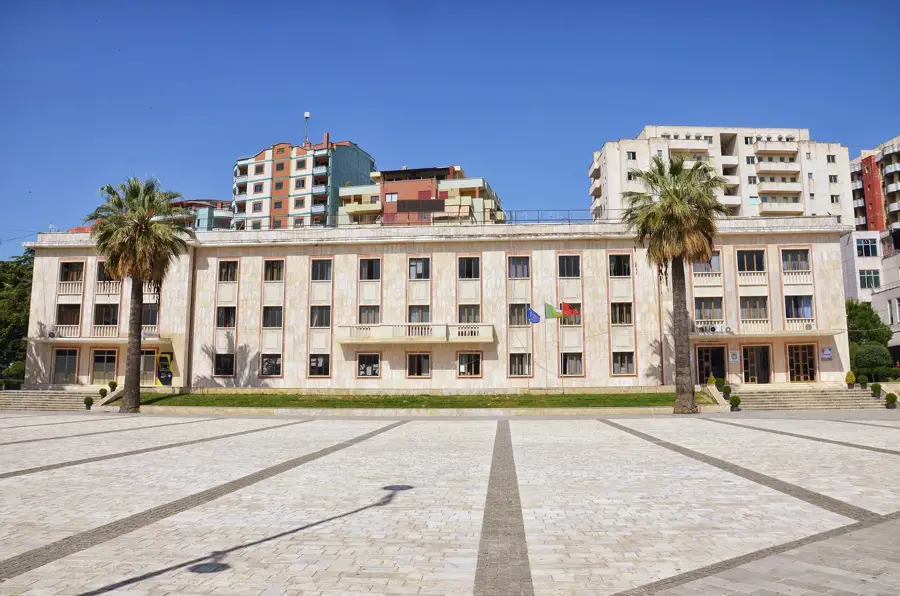
The House of the Congress of Lushnjë has a quiet courtyard and has a calm look into Albanian history.
Water temperature…
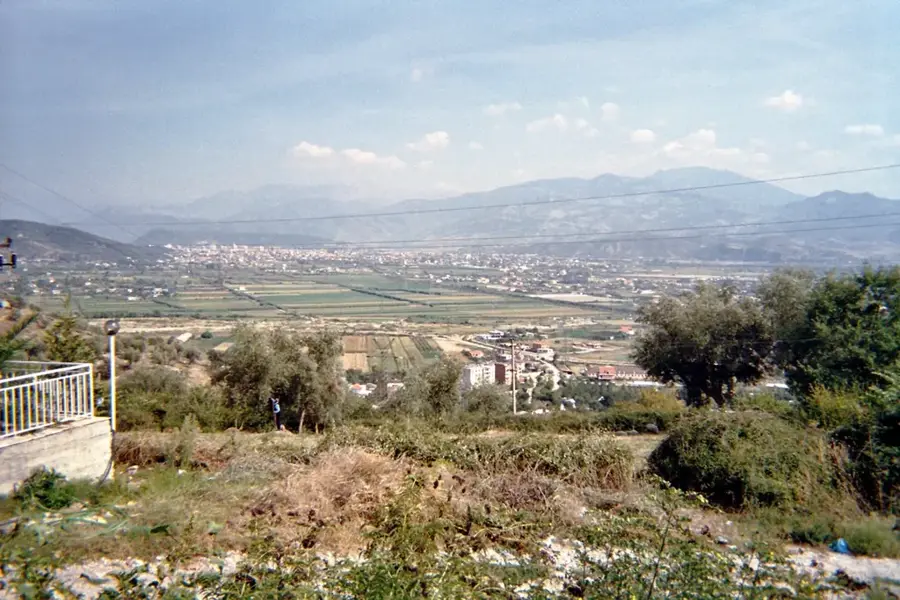
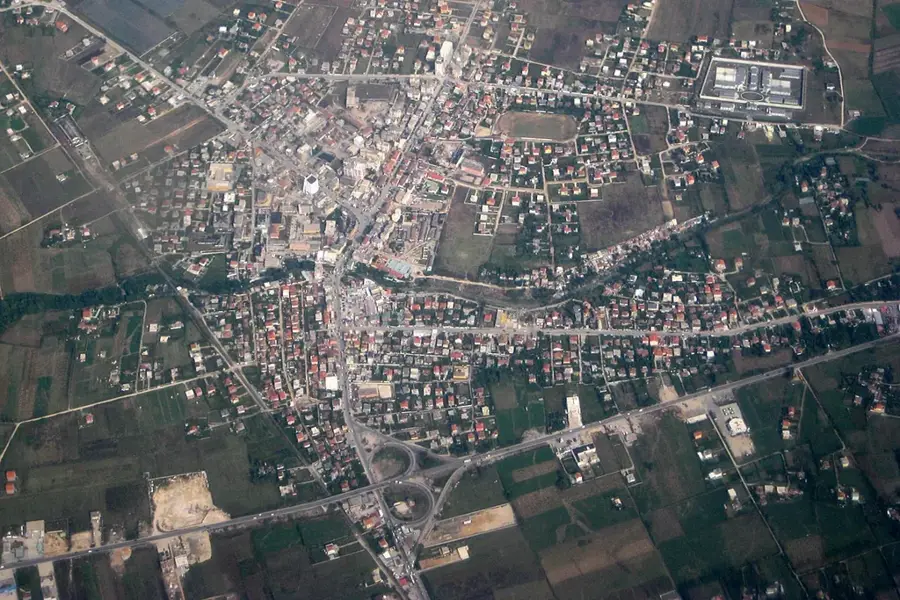
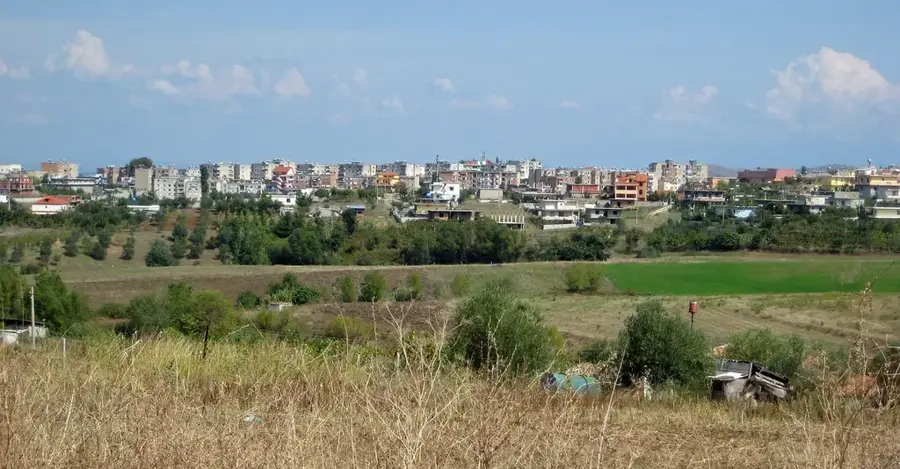
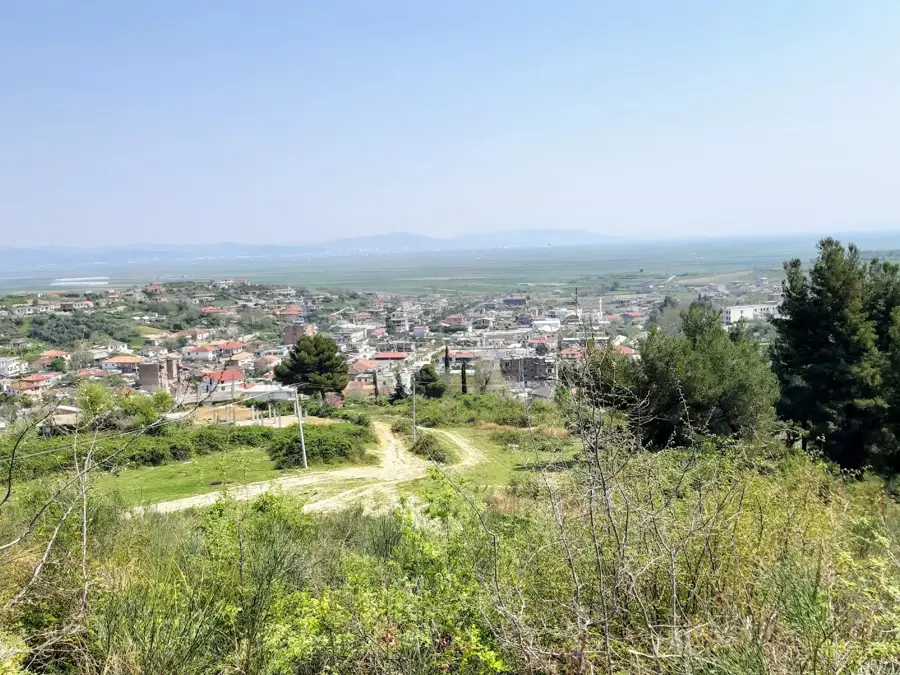
Lushnjë is a significant city in western Albania, situated in the fertile Myzeqe plain, often referred to as the granary of the country. The city plays a central role in modern Albanian history, particularly due to the Congress of Lushnjë in 1920, which consolidated the state's independence and designated Tirana as the capital. Geographically, the city benefits from its flat topography and mild Mediterranean climate, making it the most vital agricultural hub in the country. In addition to farming, Lushnjë has developed industrially, with food processing being a major pillar of the local economy. Culturally, the city is known for its hospitality and traditional music, which is deeply rooted in the rural traditions of the Myzeqe region. In recent years, substantial investments have been made in urban infrastructure and the modernization of irrigation systems to increase production efficiency. Lushnjë remains a symbol of national pride and economic stability within Albania.
- Location: Albania
- Top sights: Shtepia e Kongresit të Lushnjës · Muzeu Historik · Theatre "Vace Zela"
- Nearby: Dushk (8 km)
- Population: ~63.135
Best time to visit & climate
The most pleasant time to visit is May, Jun, Sep.
| Jan | Feb | Mar | Apr | May | Jun | Jul | Aug | Sep | Oct | Nov | Dec | |
|---|---|---|---|---|---|---|---|---|---|---|---|---|
| Avg °C | 10 | 10 | 12 | 15 | 19 | 23 | 26 | 26 | 23 | 19 | 15 | 11 |
| Rain mm | 96 | 85 | 77 | 65 | 60 | 41 | 25 | 25 | 76 | 93 | 113 | 116 |
Geography
Facts
- The Congress of Lushnjë was held from January 21 to 31, 1920.
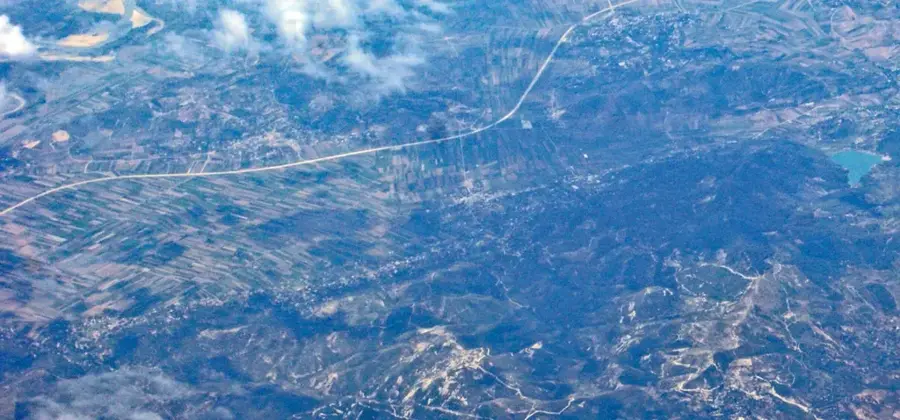
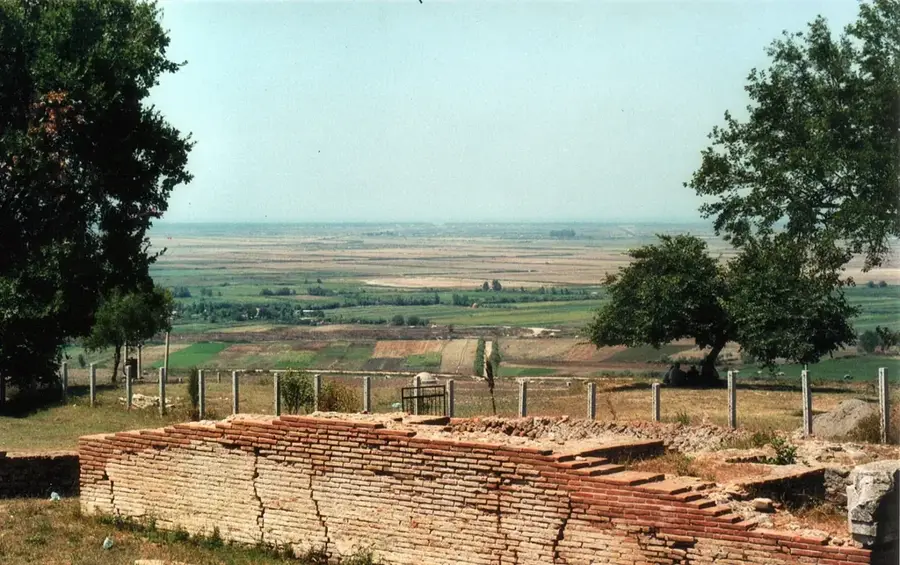
- The city is located in the Myzeqe Plain, Albania's largest lowland area.
- Lushnjë is the primary center for fruit and vegetable production.
- The historical house where the congress took place is now a museum.
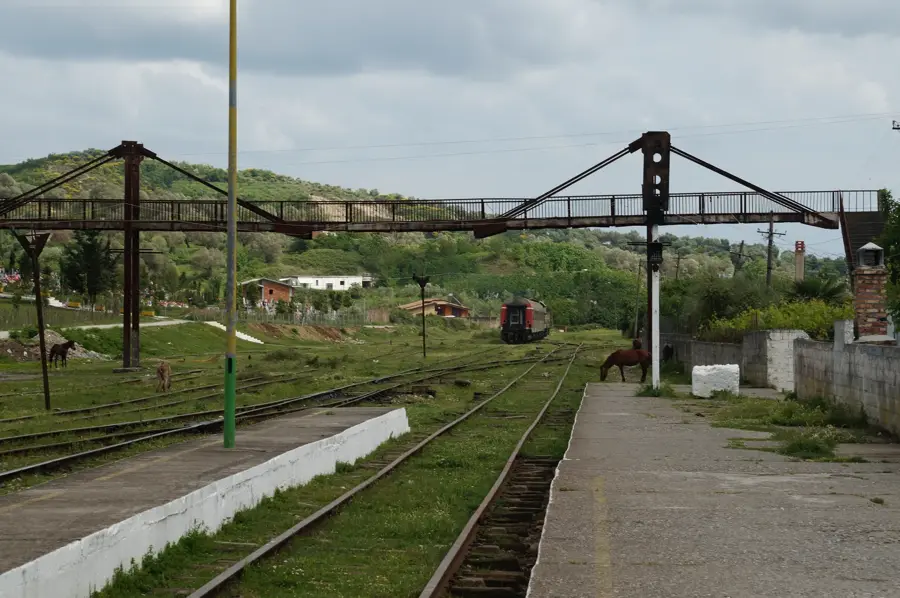
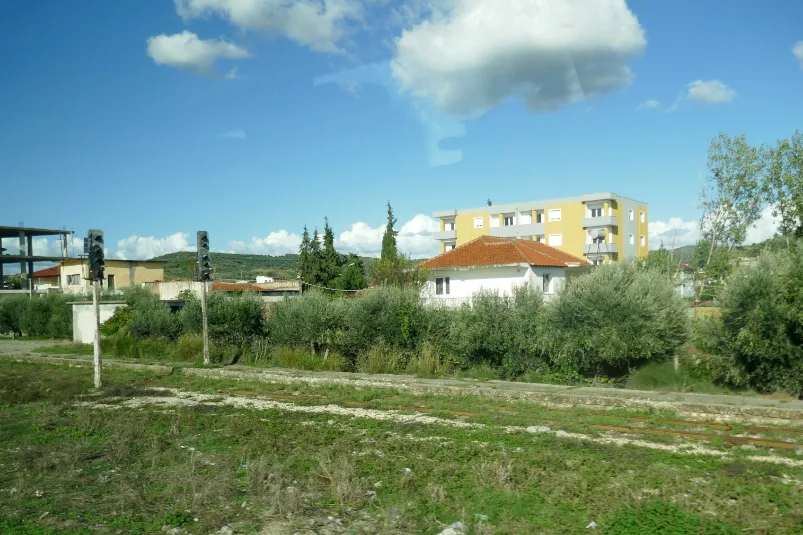
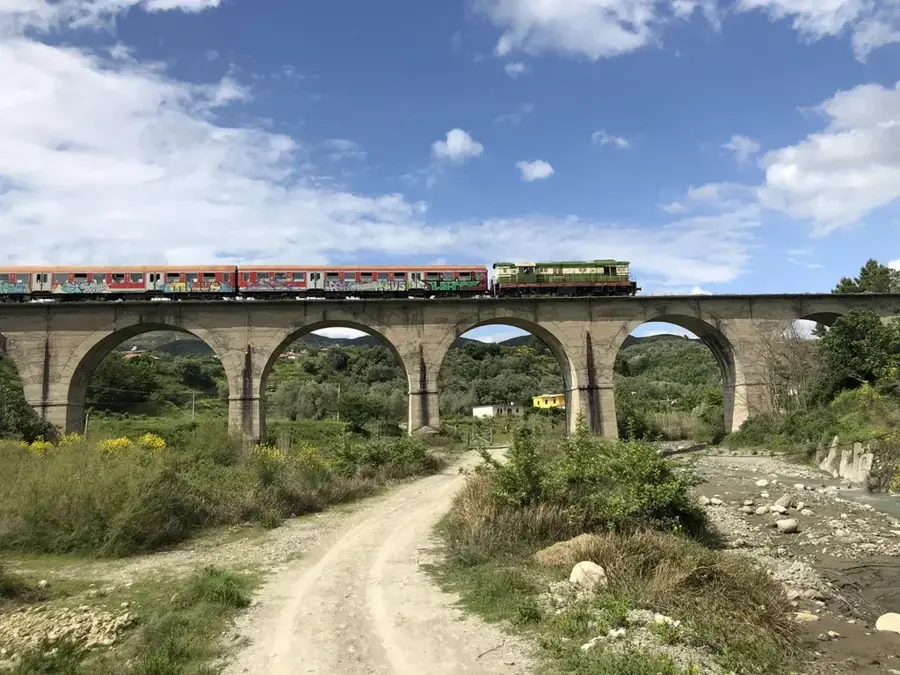
- The city serves as a major railway junction on the Durrës-Vlora line.
- The total population of the municipality is approximately 82,000.
Explore nearby
Notable places around
Route planner — Car & Motorhome
Where do you start? We build the route here, with stops and country notes along the way.
© OpenStreetMap contributors · OpenRouteService
Sights in the town Lushnjë (5)
Frequently asked questions
Why is Lushnja historically significant?
What is the economic base of Lushnja?
Can you visit the Congress House?
What natural attraction is nearby?
Are there good restaurants in Lushnja?
Lushnjë: where is it located?
Lushnjë: what is there to see?
Lushnjë: when is the best time to visit?
Lushnjë: why is it worth visiting?

Nearby cities