Attractions in Samoa
The finest attractions in Samoa at a glance: castles, natural wonders, historic old towns and more. Each place links to a detailed page with map, tips and photos.
Culture & History
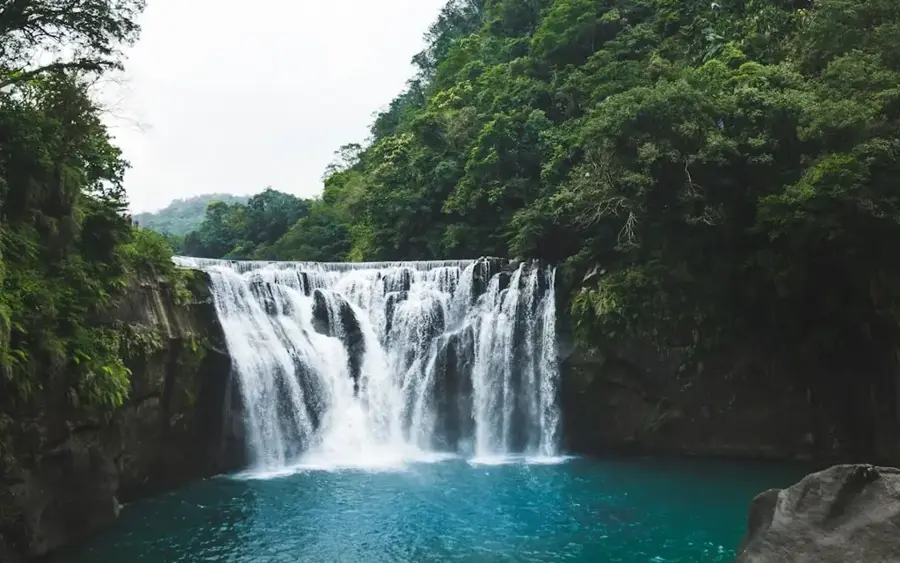
Afu Aau Waterfalls
This spectacular waterfall on Savai'i plunges from the rainforest into a deep, crystal-clear freshwater pool.
Learn more →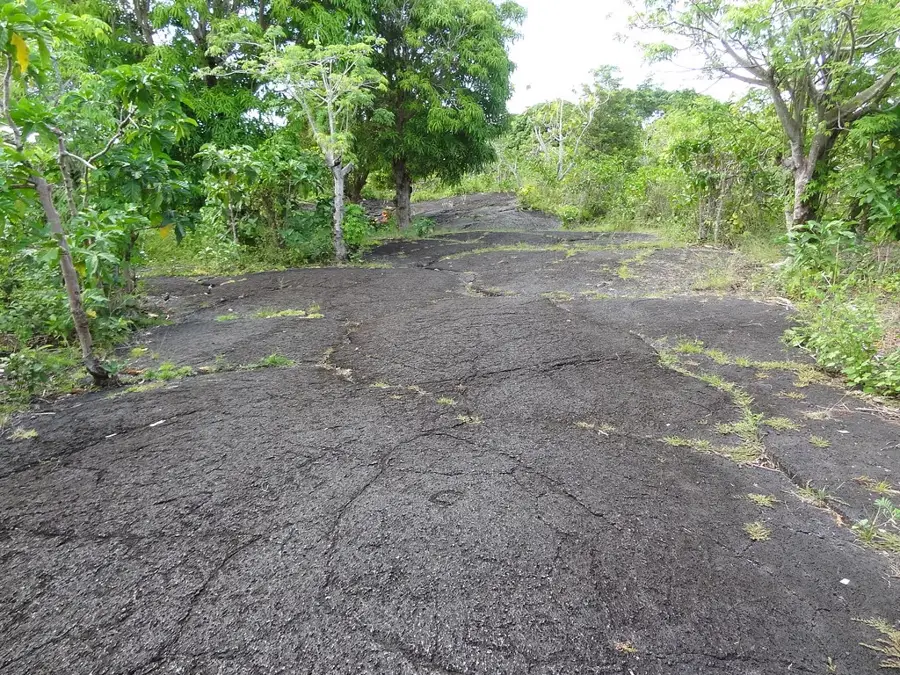
Saleaula Lava Fields
These vast lava fields on Savai'i were created during the eruption of Mount Matavanu (1905-1911).
Learn more →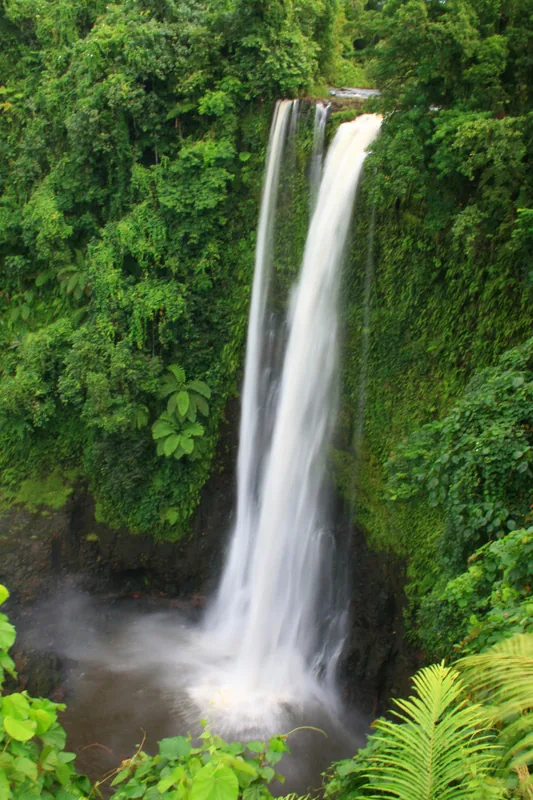
Fuipisia Waterfall
This spectacular 54-meter high waterfall plunges over a steep cliff into a dense jungle gorge.
Learn more →
Cape Mulinu'u Marine Life
Cape Mulinu'u is the westernmost point of Savai'i.
Learn more →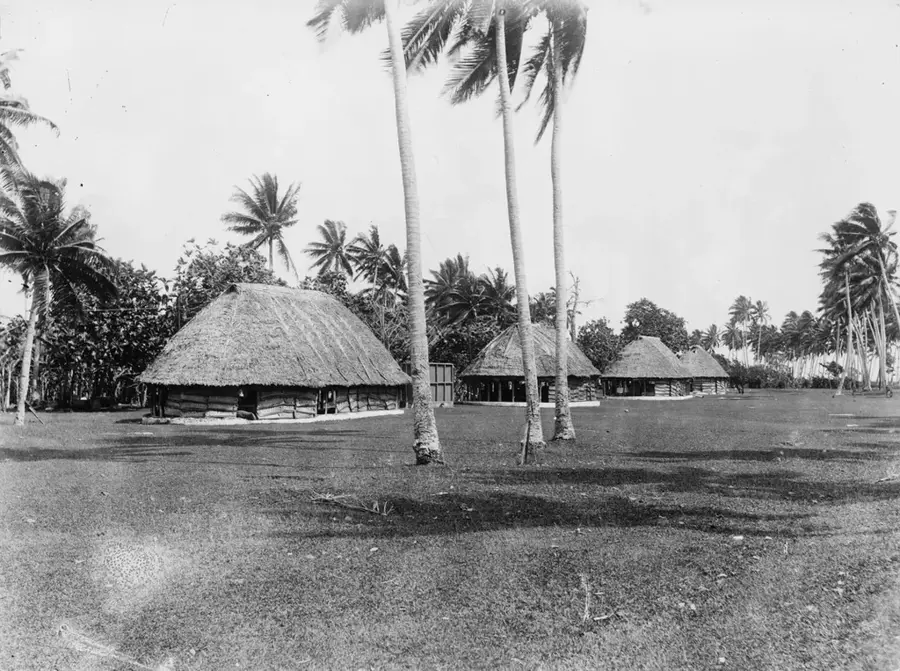
Apia Historic Observatory
Founded in 1902 by German scientists, this was one of the most important geophysics research stations in the Pacific.
Learn more →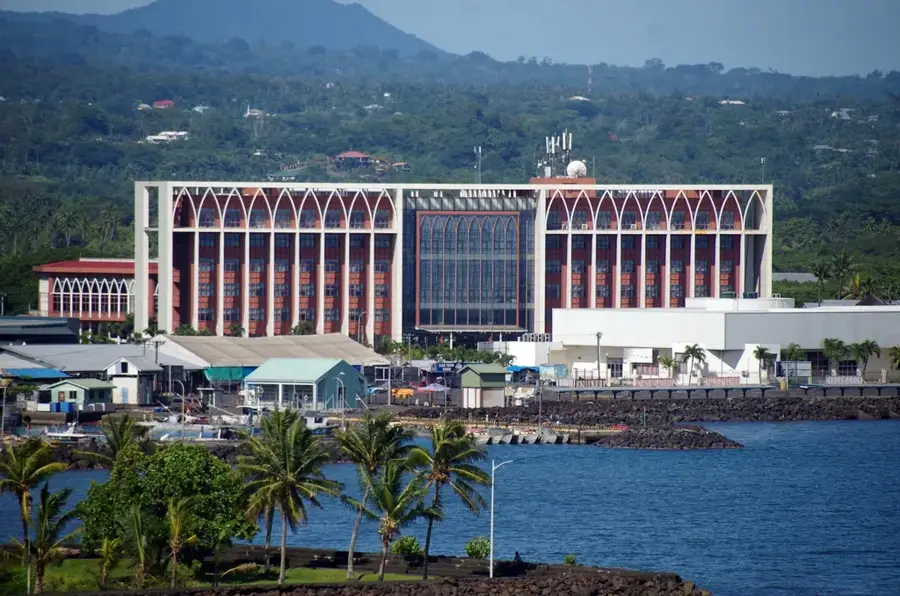
Apia Old Post Office
A significant building from the early colonial period that ensured Samoa's communication links with the world.
Learn more →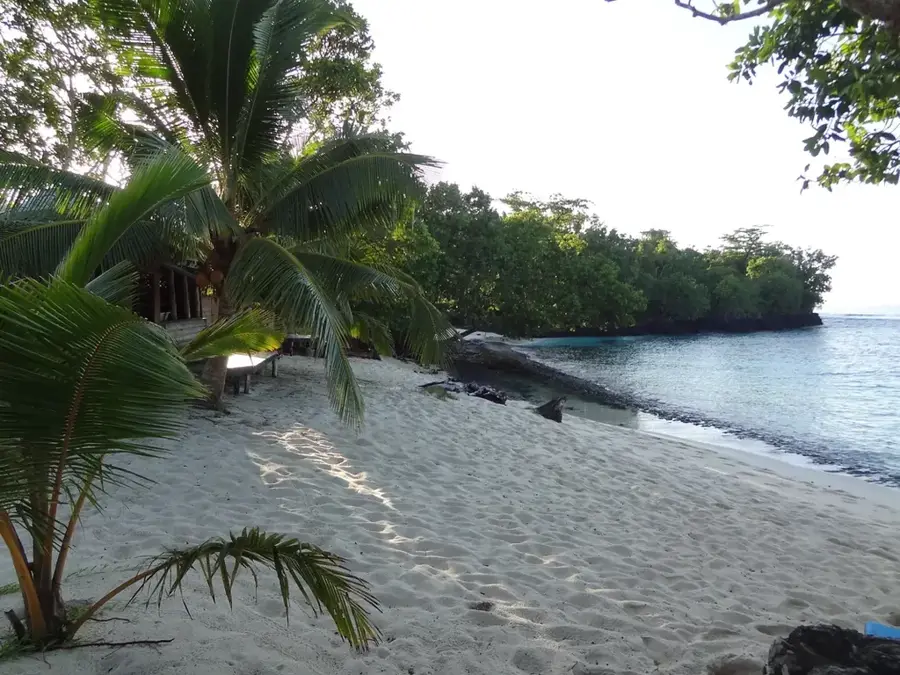
Aganoa Beach
This secluded beach on Savai'i is known for its black volcanic sand and surrounding coral reefs.
Learn more →
Former Mau Headquarters
Vaimoso was the center of the Mau movement, which fought non-violently against the New Zealand administration.
Learn more →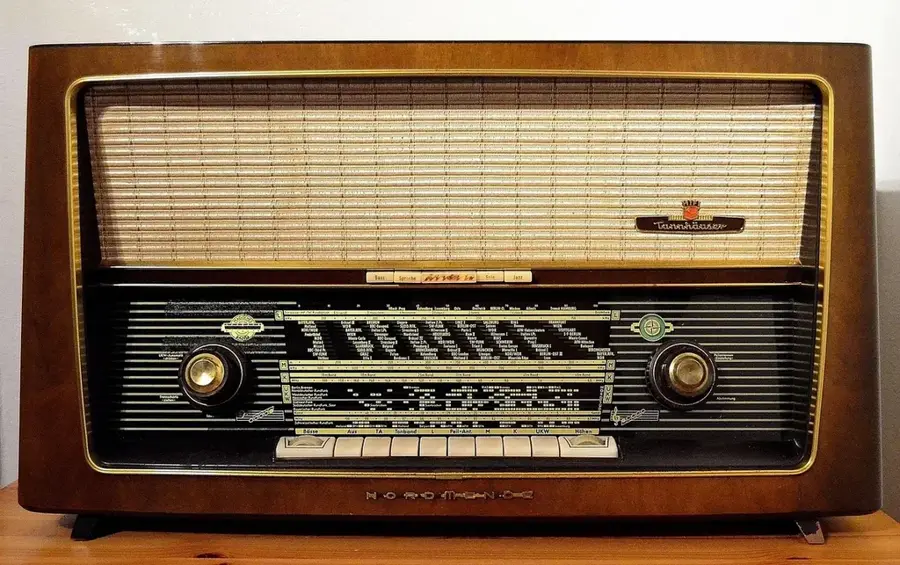
Apia Old Radio Station
Radio station 2AP was one of the first in the South Pacific and played an important role in informing the population.
Learn more →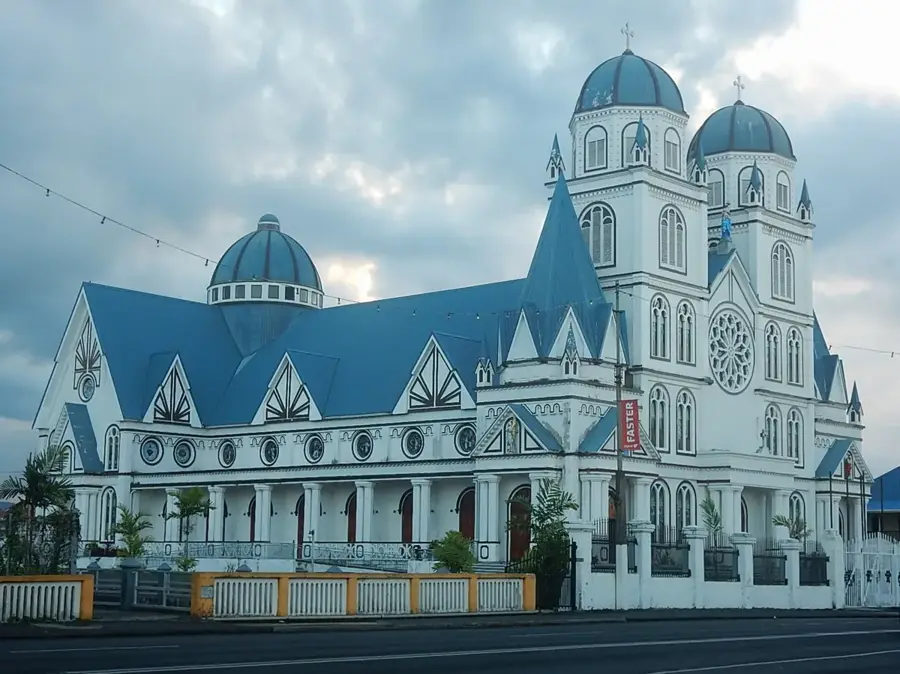
Development Bank of Samoa
The Development Bank provides loans for agriculture, fisheries, and small businesses.
Learn more →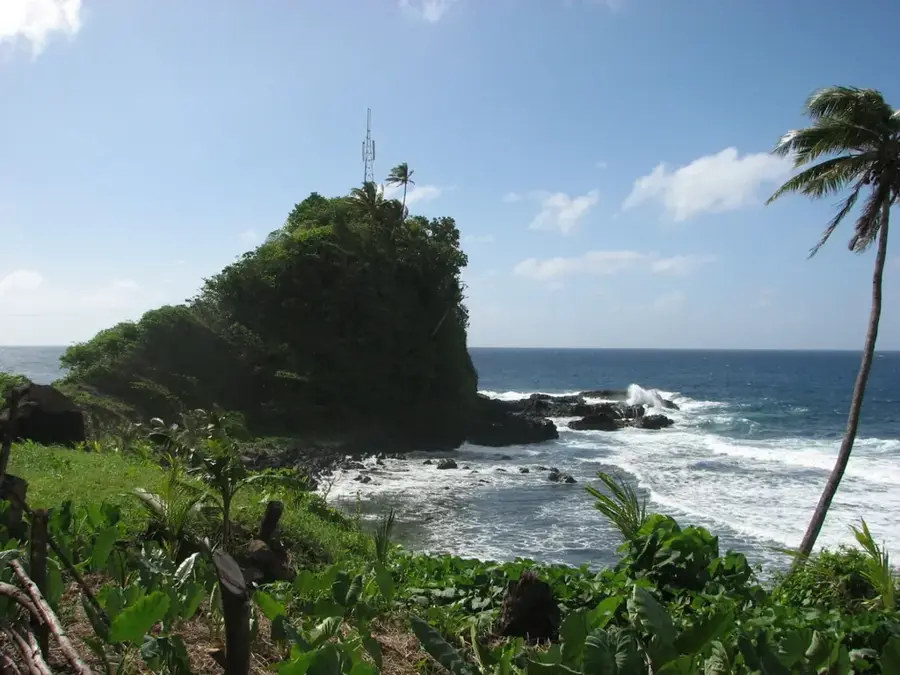
Maota o Solosolo
The Solosolo meeting ground is a historically significant site for political deliberations on Upolu.
Learn more →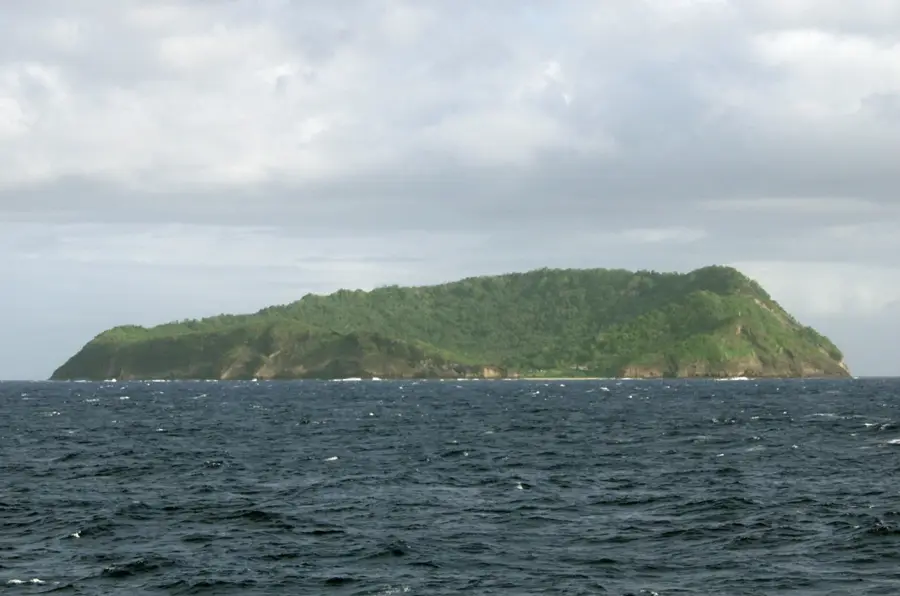
Apolima Island
Apolima is the remnant of an extinct volcanic crater with one side open to the sea.
Learn more →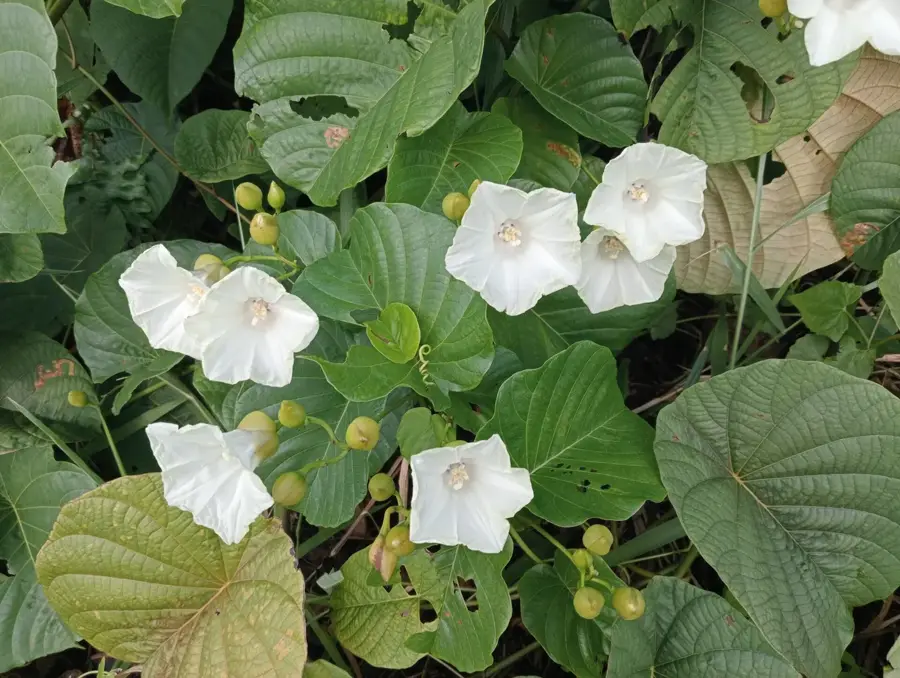
Pu'apu'a Historic Mission
Pu'apu'a was a significant outpost of the London Missionary Society on Savai'i.
Learn more →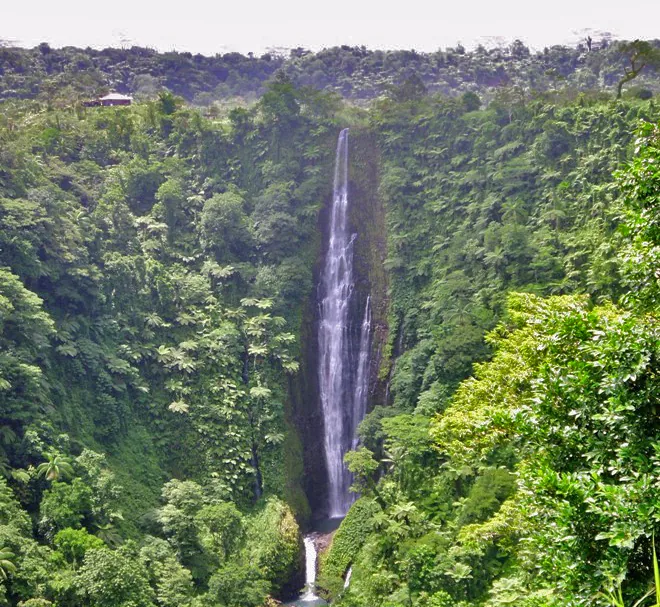
Papapapaitai Falls
With a drop of over 100 meters, this is one of the tallest waterfalls in Samoa.
Learn more →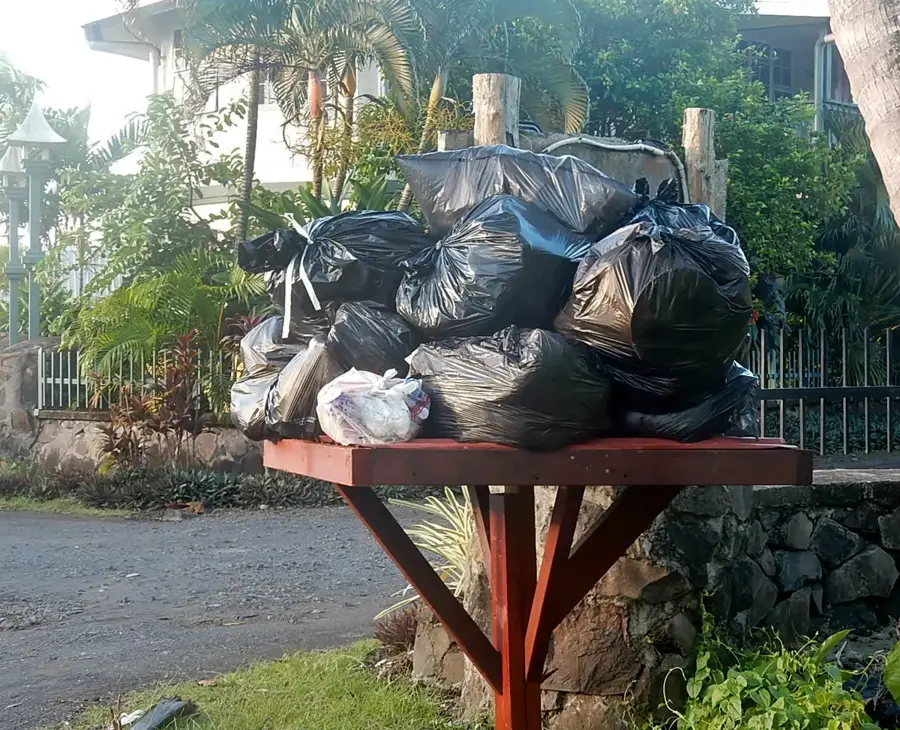
Fugalei Fresh Produce Market
Fugalei Market in Apia is the central trading venue for fruit and vegetables in Samoa.
Learn more →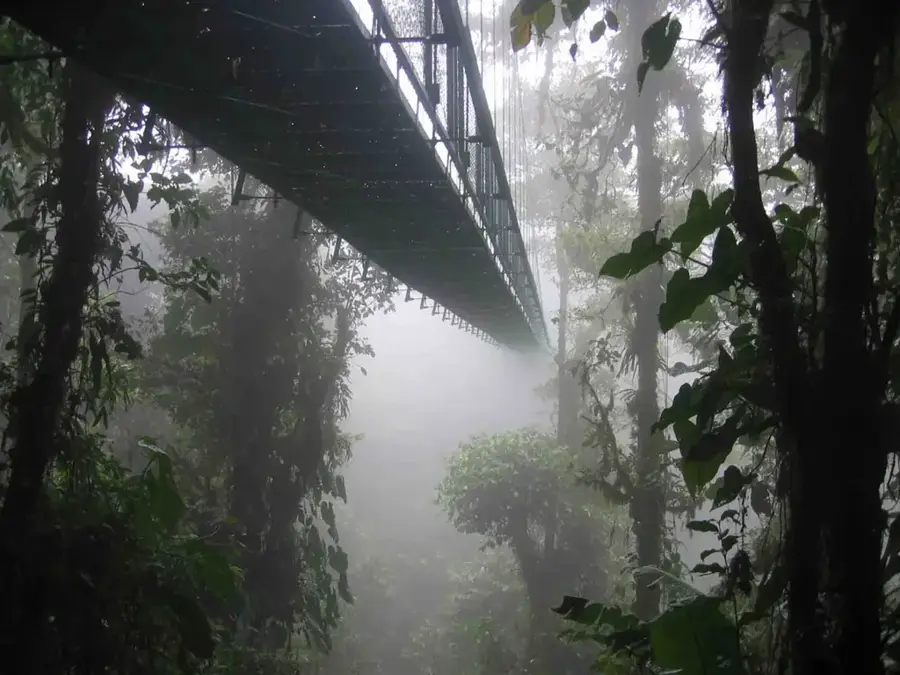
Falealupo Canopy Walk History
This walkway was built to protect the rainforest from logging.
Learn more →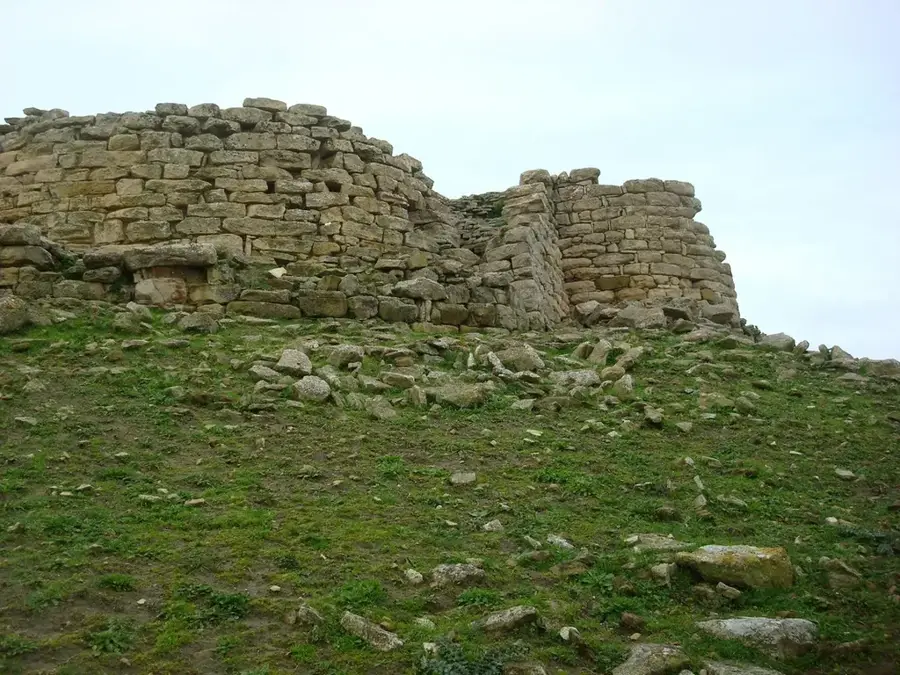
Mulinu'u Traditional Fale
A classical Samoan house in Mulinu'u used for high-level political meetings.
Learn more →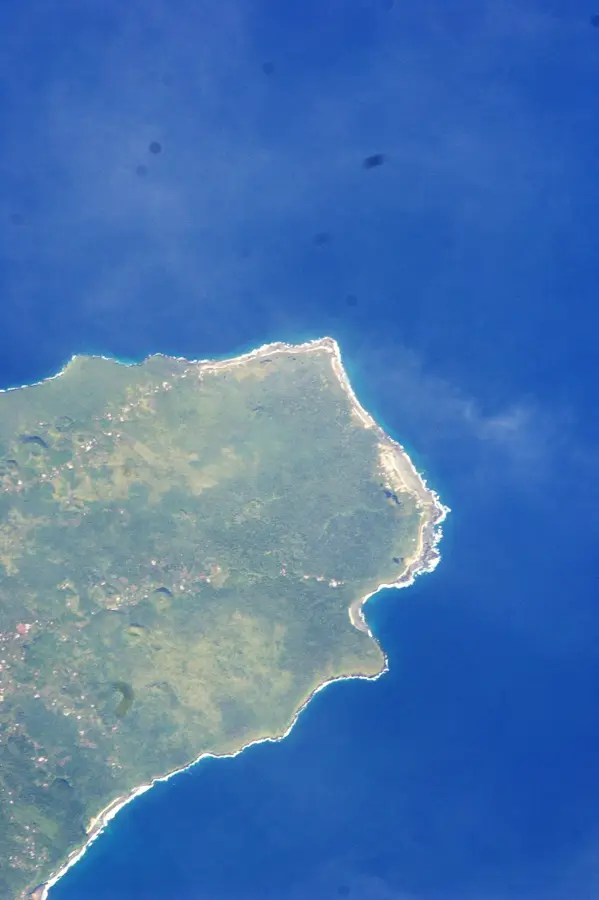
Fafa o Sauali'i
The westernmost point of Samoa is considered in mythology as the entrance to the underworld.
Learn more →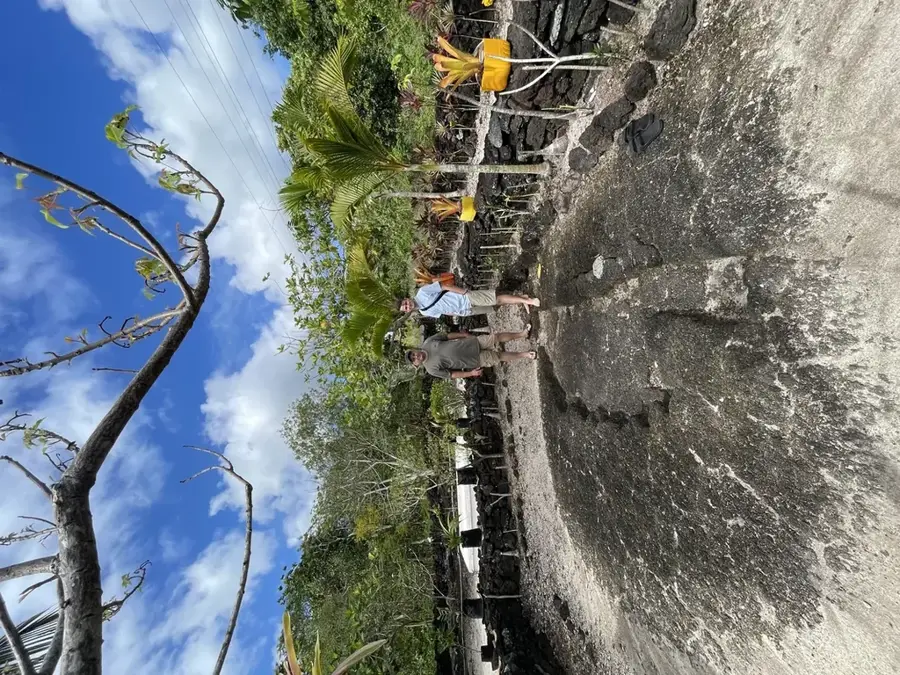
Moso's Footprint
A depression in the lava rock near Falealupo, which according to legend is the footprint of the giant Moso.
Learn more →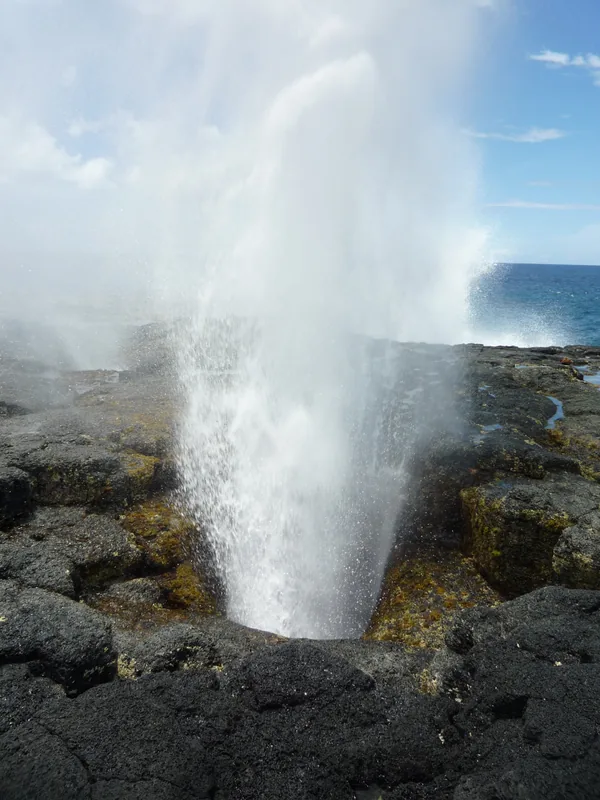
Alofaaga Blowholes
These natural sea fountains near Taga are closely linked to Samoan creation myths.
Learn more →
Virgin's Grave
A small grave site amidst the Saleaula lava fields that was miraculously spared by the flowing lava.
Learn more →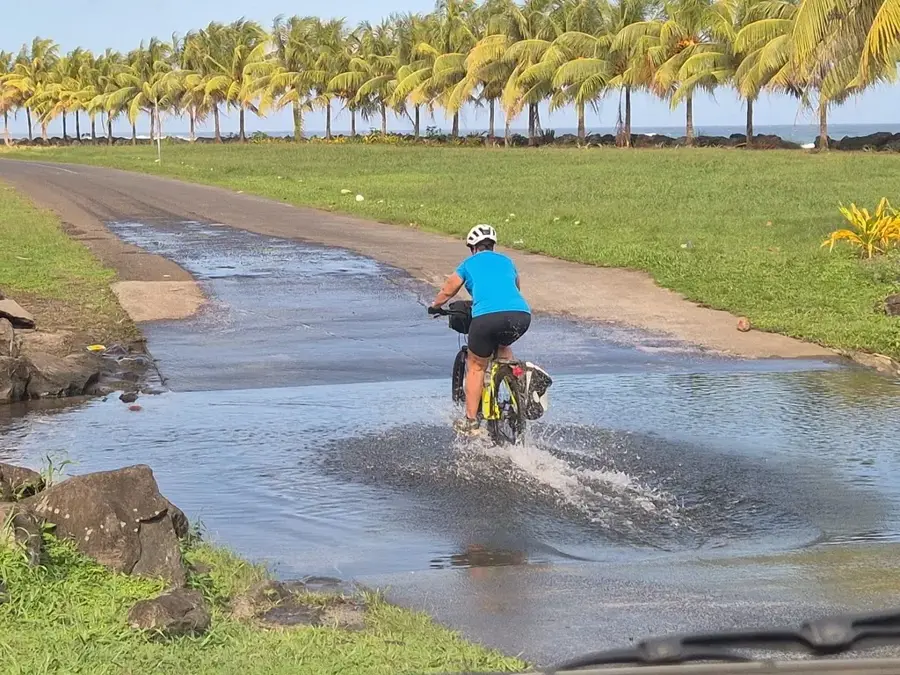
Lepa Historical Well
An old coral-stone well in Lepa that was once the village's only source of fresh water.
Learn more →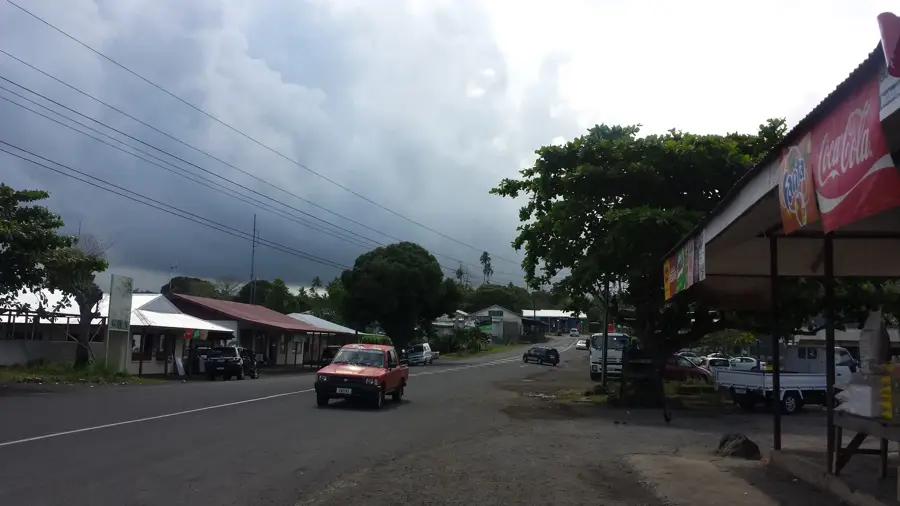
Salelologa Market
This market is the economic heart of Savai'i island.
Learn more →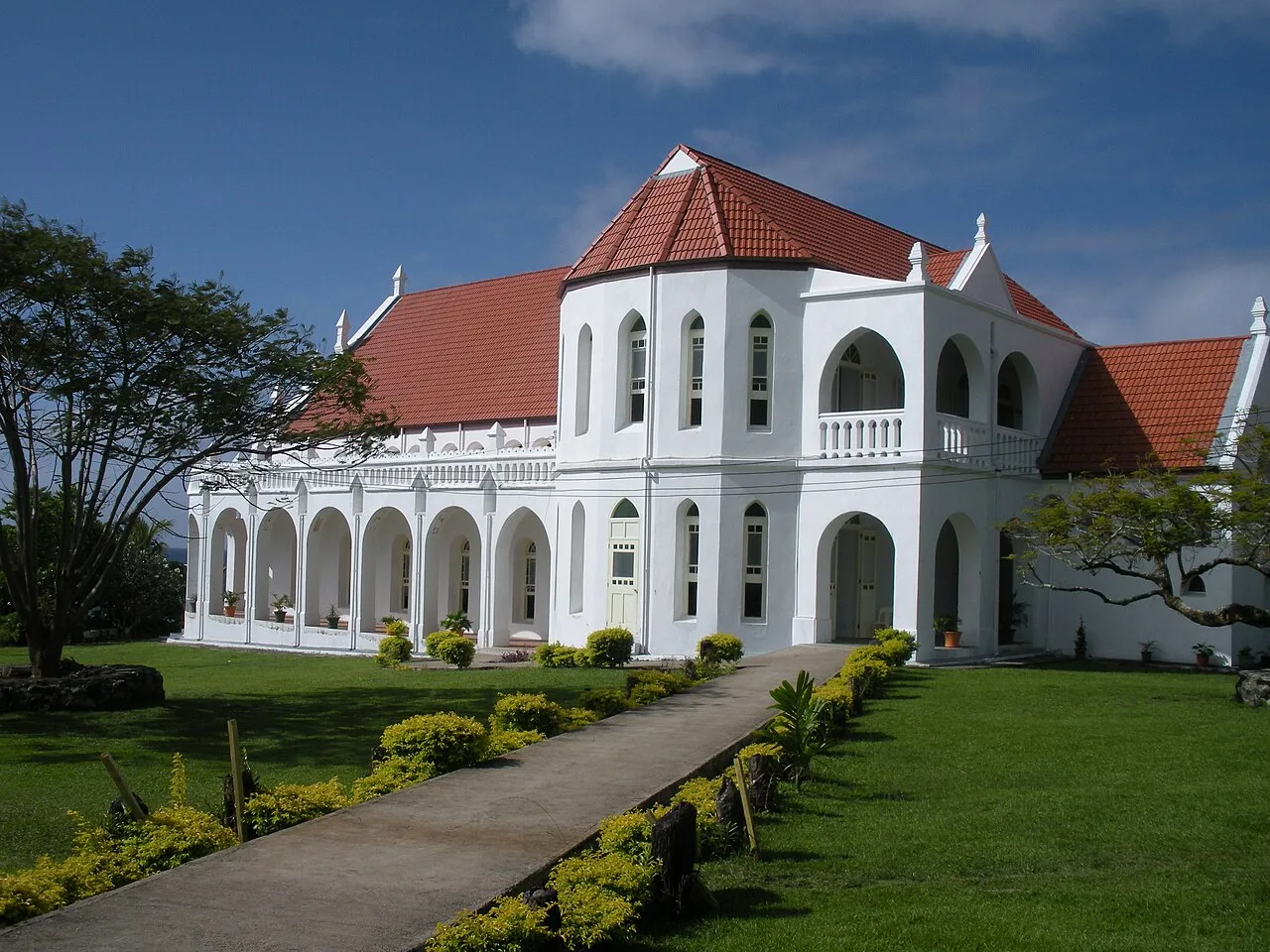
Piula Cave Pool
This natural freshwater pool beneath a historic Methodist church was formed from a lava tube.
Learn more →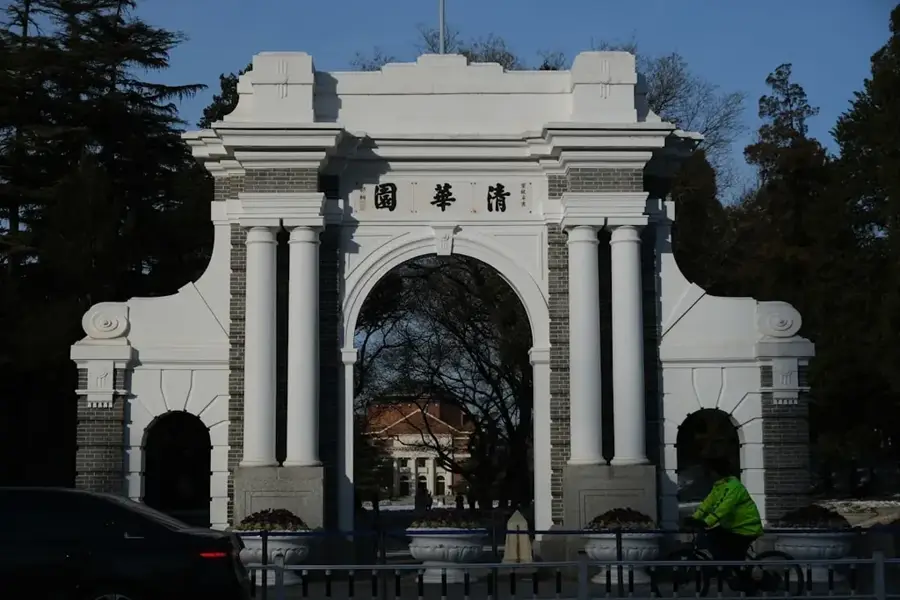
Malua College Gates
The historic entrance gates of Malua Theological College are a landmark of the region.
Learn more →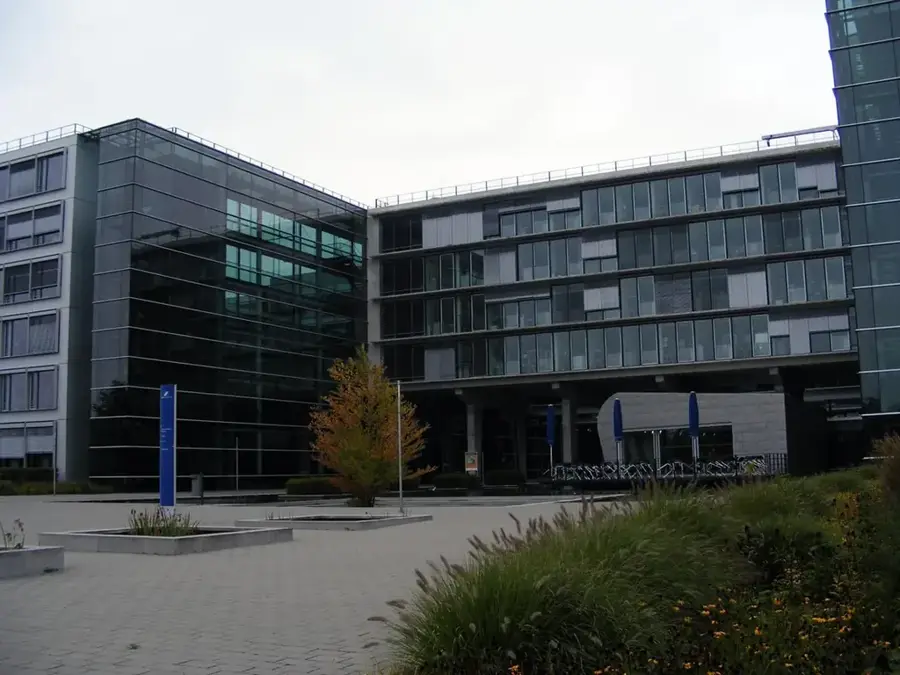
ACC Building
The ACC Building houses the Accident Compensation Corporation and numerous private businesses.
Learn more →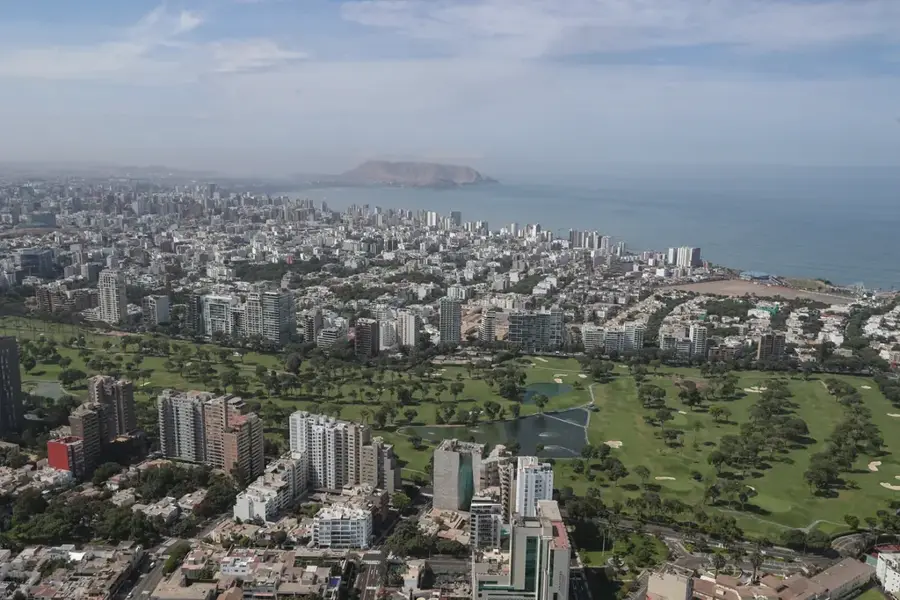
Pe'ape'a Cave
This lava tube cave in the O Le Pupu-Pu'e National Park is a major nesting site for swiftlets, known locally as Pe'ape'a.
Learn more →
Marist Brothers School
This historic school building of the Marist Brothers is an integral part of the Apia townscape.
Learn more →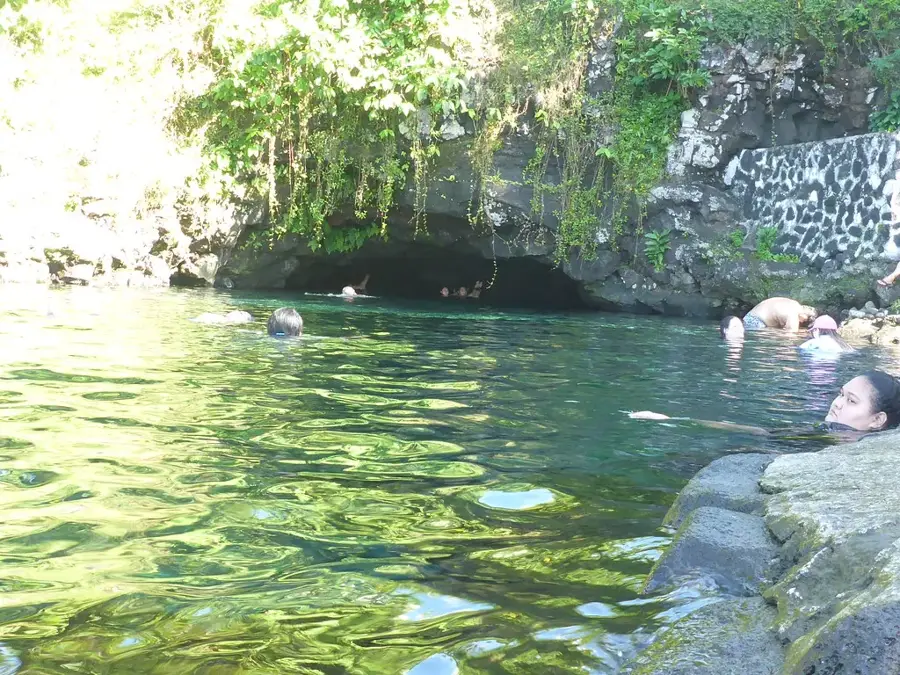
Lufilufi Ancient Well
A historic stone-lined well in Lufilufi, closely associated with the Tuia'ana title.
Learn more →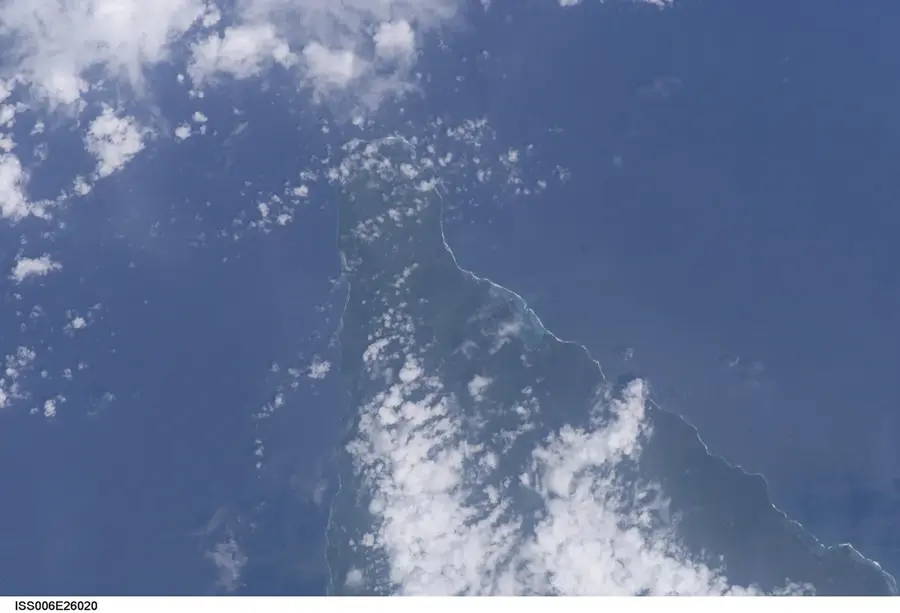
Paia Dwarfs Cave
This lava tube near Paia on Savai'i is surrounded by local legends about dwarfs.
Learn more →
Nelson Memorial Library
This is the main public library of Samoa and a key cultural hub in Apia.
Learn more →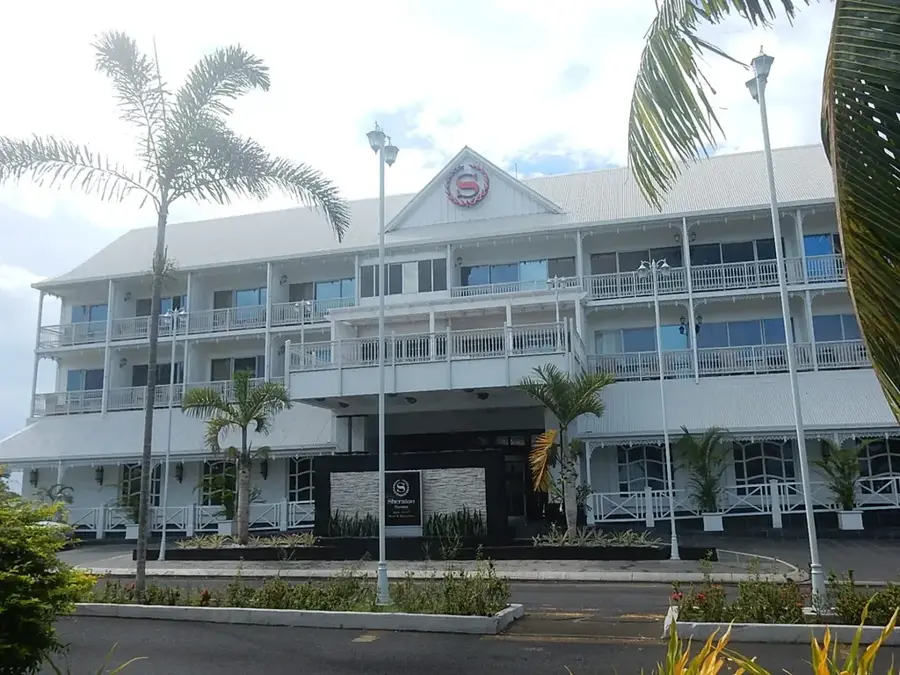
Aggie Grey's Hotel
This famous hotel is a historic institution in Apia.
Learn more →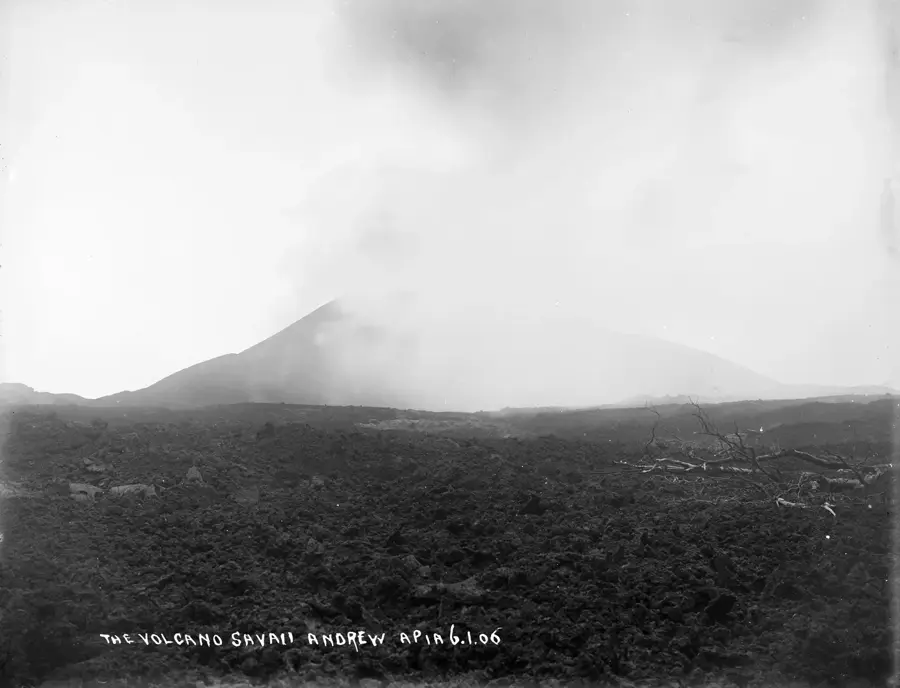
Mount Matavanu
Mount Matavanu is an active volcano on Savai'i whose eruption between 1905 and 1911 significantly reshaped the northern landscape.
Learn more →
Aopo Lava Field
The Aopo Lava Field is an extensive area of solidified lava in northern Savai'i, formed by historical volcanic eruptions.
Learn more →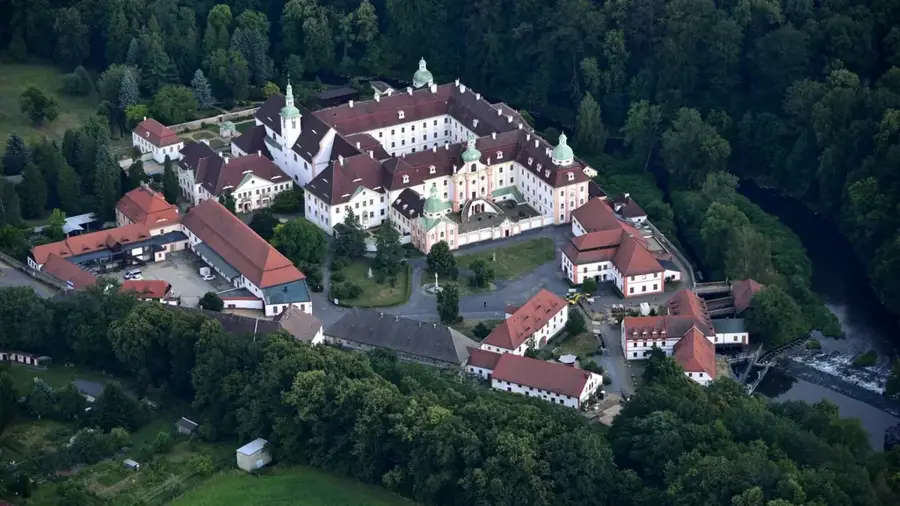
St. Mary's Convent Apia
This convent is a historic religious center in Apia.
Learn more →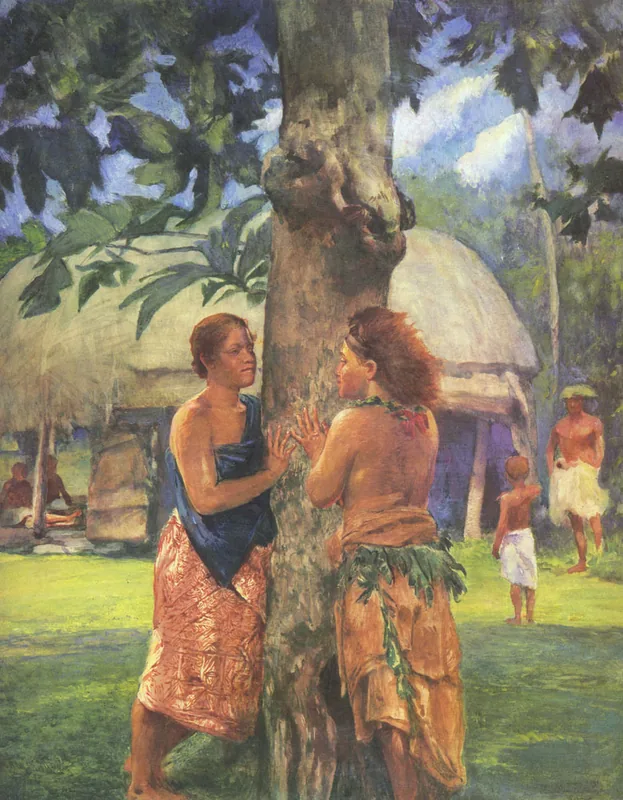
Fagaloa Bay Cliffs
The Fagaloa Bay Cliffs are spectacular, near-vertical slopes that drop directly into the ocean in eastern Upolu.
Learn more →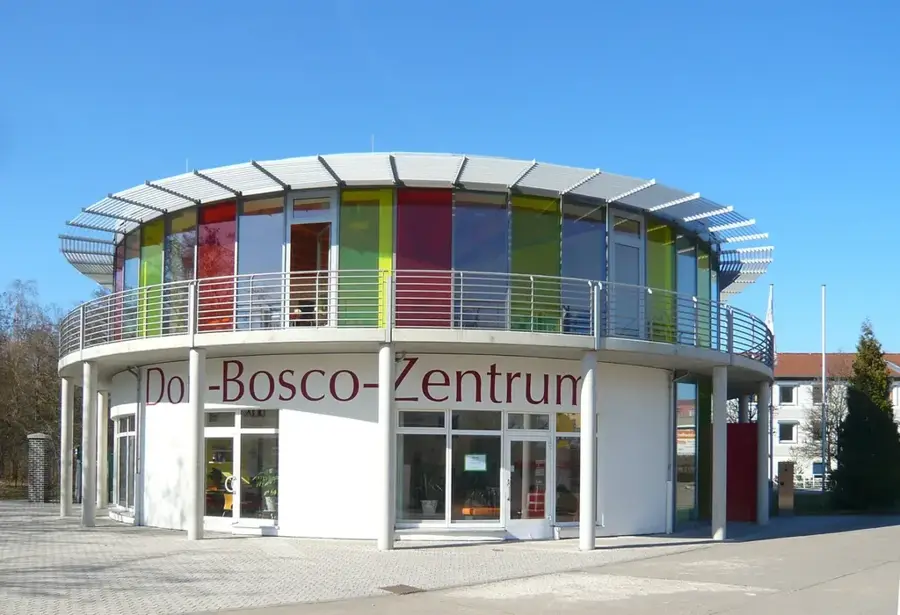
Don Bosco Technical Centre
This technical education center in Salelologa is a key landmark for vocational training of youth on Savaii island.
Learn more →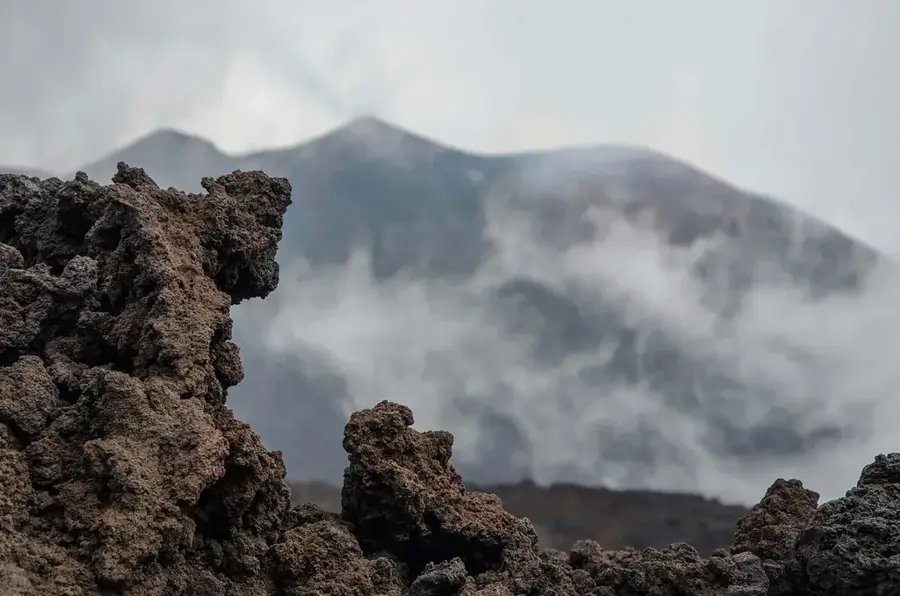
Aopo Lava Tube Refuge
The village of Aopo is located near extensive lava caves that served historically as defensive positions.
Learn more →Nature
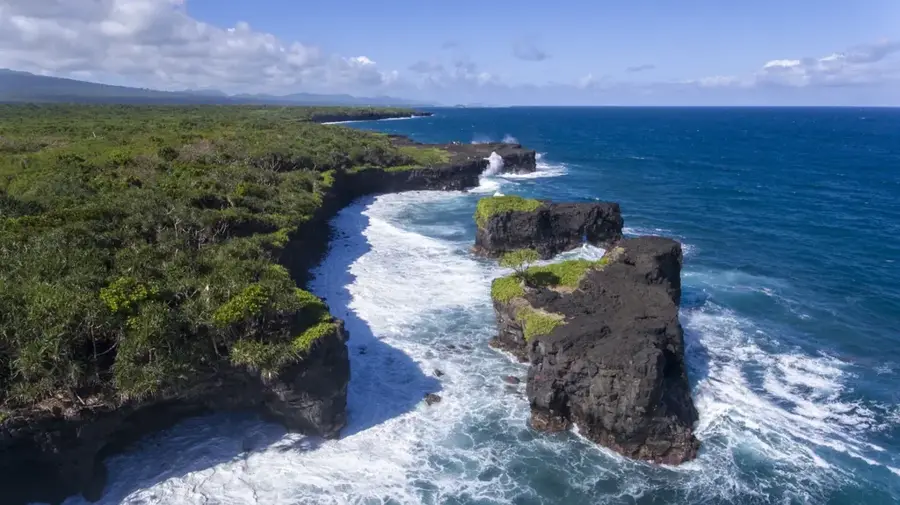
O Le Pupu-Pu'e National Park
Samoa's first national park extends from the highest peaks of Upolu to the rugged lava coast.
Learn more →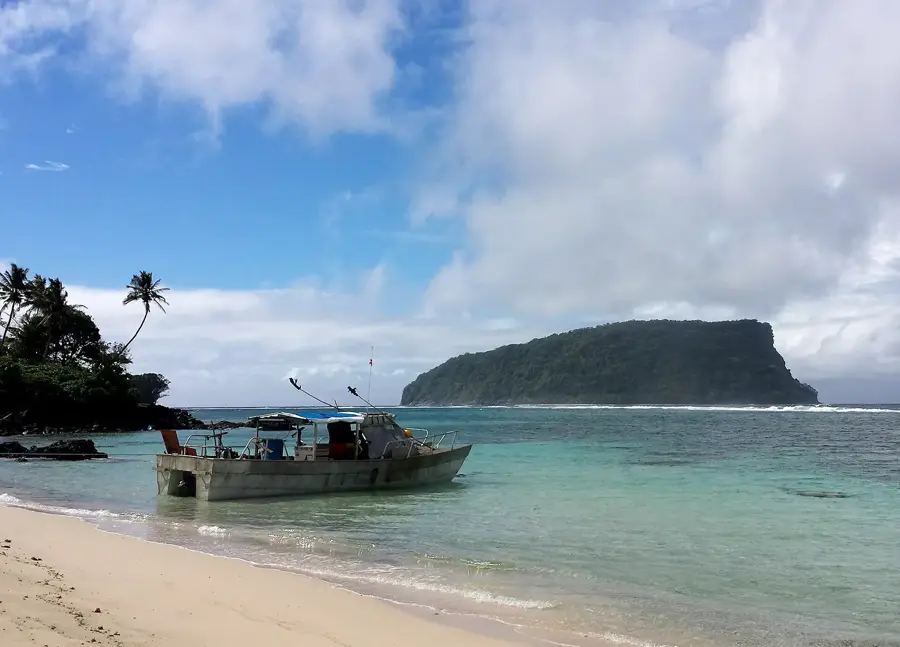
Lalomanu Marine Reserve
The waters off Lalomanu protect vibrant coral reefs and are a hotspot for tropical marine biodiversity.
Learn more →
Alaoa Dam
The Alaoa Dam serves both the capital city's water supply and energy production.
Learn more →
Palolo Deep Marine Reserve
A short walk from Apia, this reserve features a deep blue hole in the coral reef inhabited by an incredible variety of tropical fish and corals.
Learn more →
Sato'alepai Turtle Sanctuary
This sanctuary on Savai'i is dedicated to the rearing and protection of green sea turtles.
Learn more →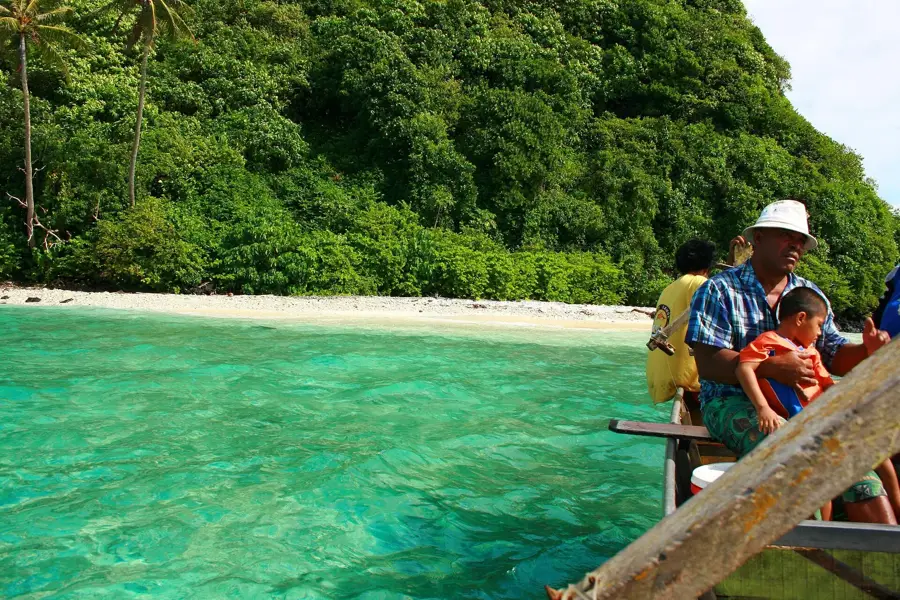
Manono Island Reefs
The waters around Manono house extensive, healthy coral gardens.
Learn more →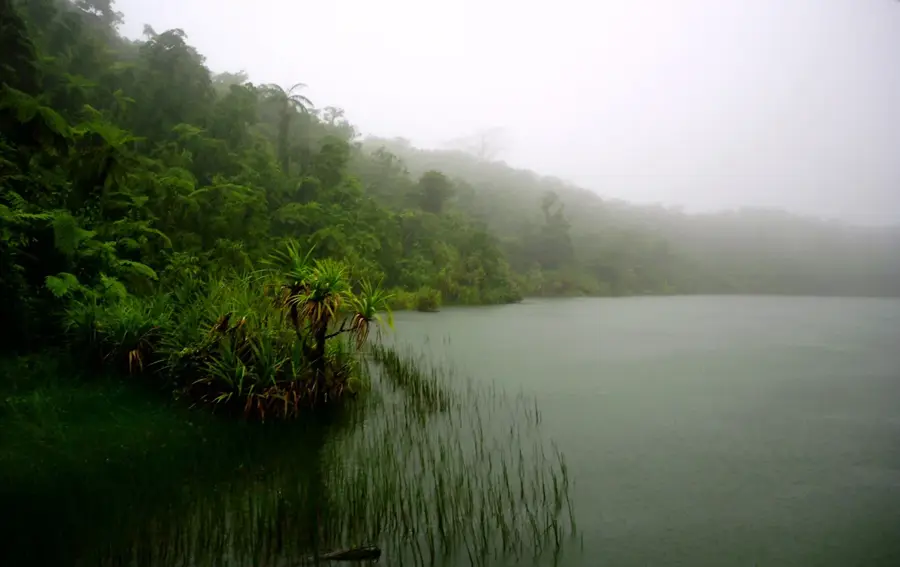
Lake Lanoto'o
Lake Lanoto'o is a crater lake located in the central highlands of Upolu island.
Learn more →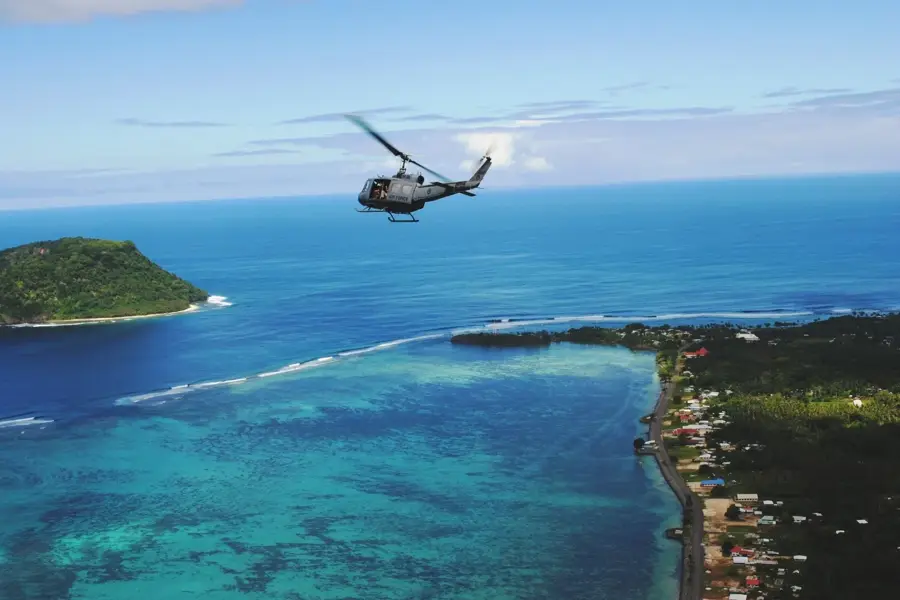
Nu'utele Island
Nu'utele is the largest of the uninhabited Aleipata Islands off Upolu.
Learn more →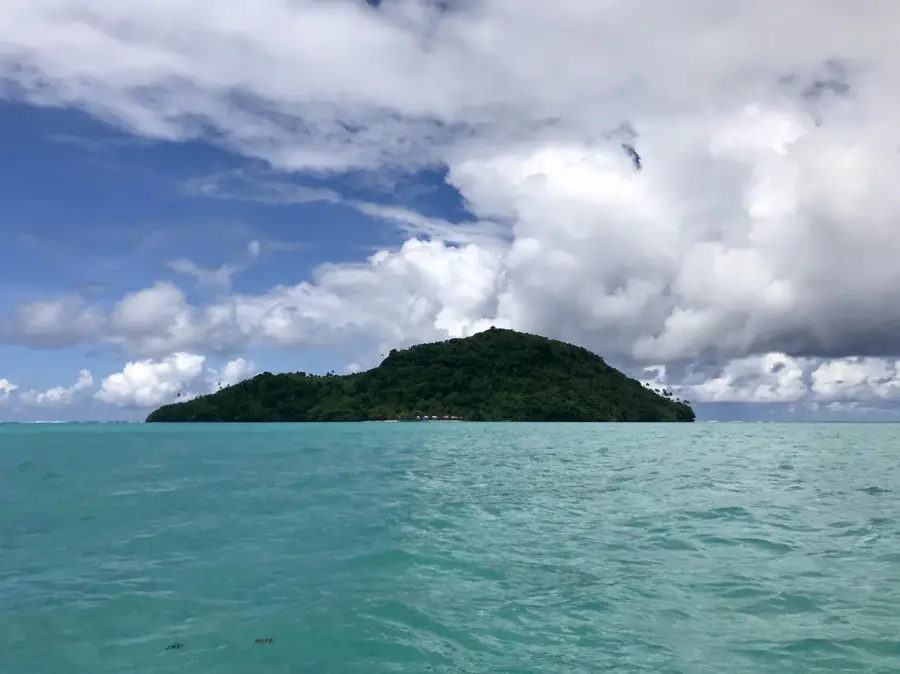
Namu'a Island
This small, uninhabited island off the eastern coast of Upolu is a haven for sea turtles and offers pristine coral reefs for snorkeling.
Learn more →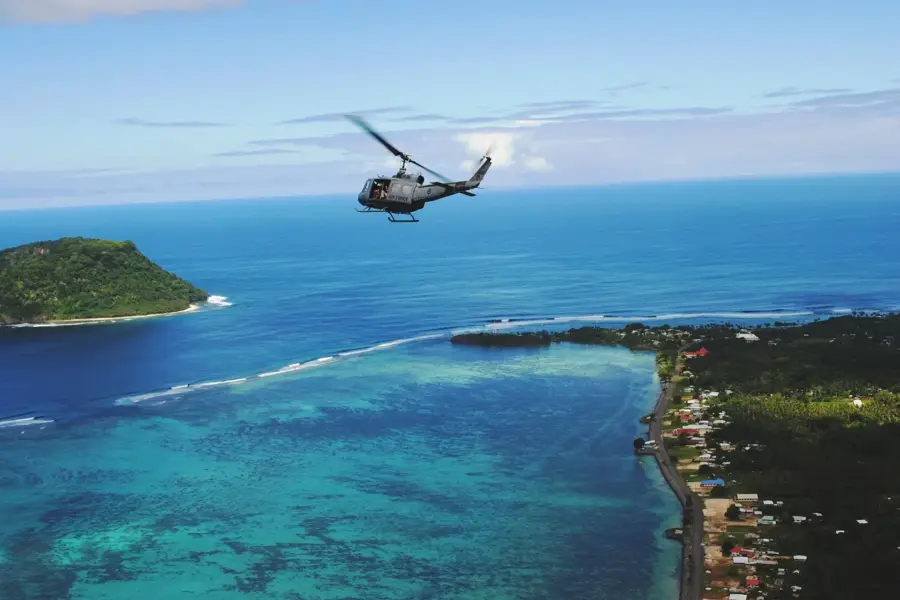
Nu'ulua Island
Nu'ulua is a small, uninhabited island in the Aleipata archipelago.
Learn more →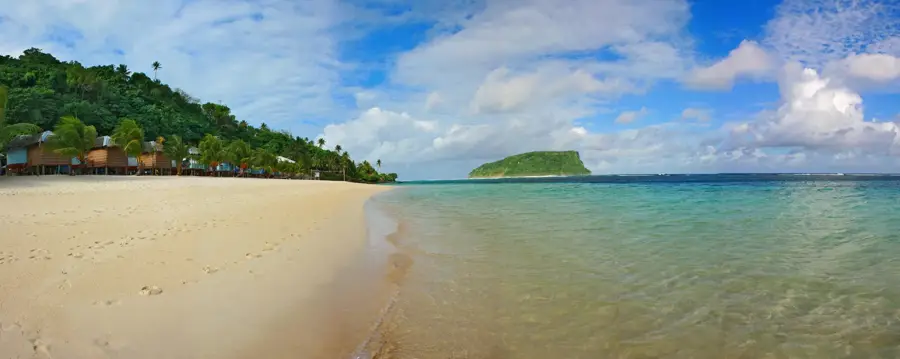
Lalomanu Beach
Lalomanu Beach is a well-known coastal stretch at the southeastern end of Upolu.
Learn more →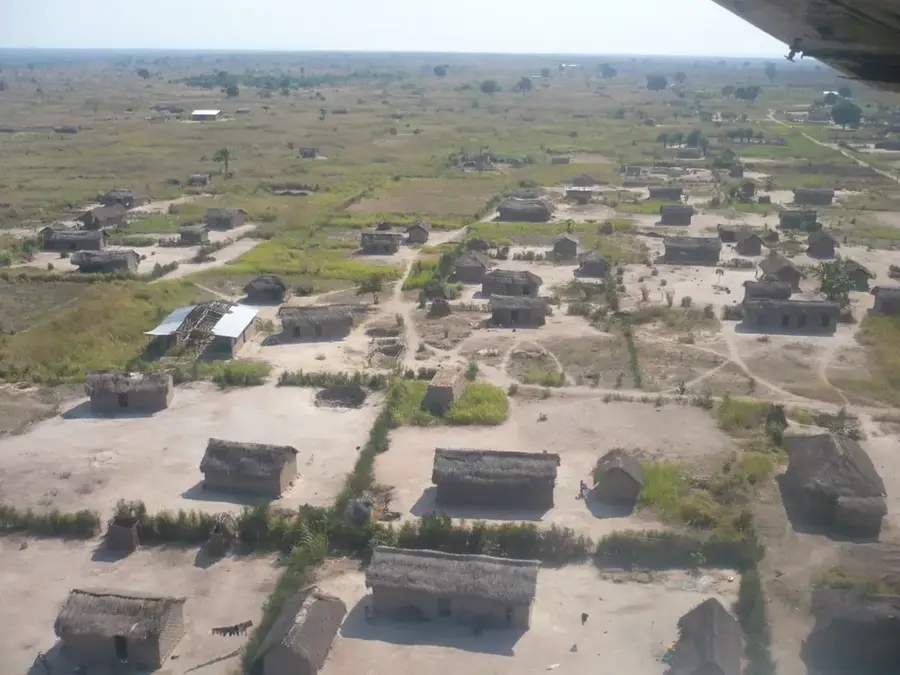
Manono Island
Manono is a small, inhabited island situated within a coral reef.
Learn more →Frequently asked questions
What are the top attractions in Samoa?
Among the most popular are Afu Aau Waterfalls, O Le Pupu-Pu'e National Park, Saleaula Lava Fields, Fuipisia Waterfall, Cape Mulinu'u Marine Life and many more – the full top 50 list is on this page.
When is the best time to visit Samoa?
May to October offers the most pleasant weather; July and August are warmest and busiest.