Plizio Visual Lab
Mulinu'u Traditional Fale
Weather…
Water temperature…
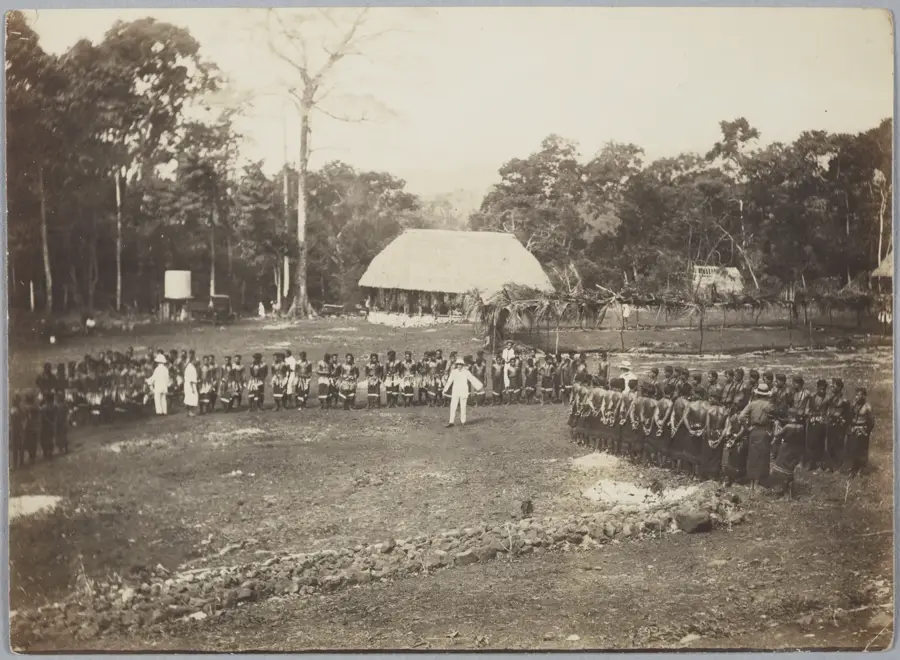
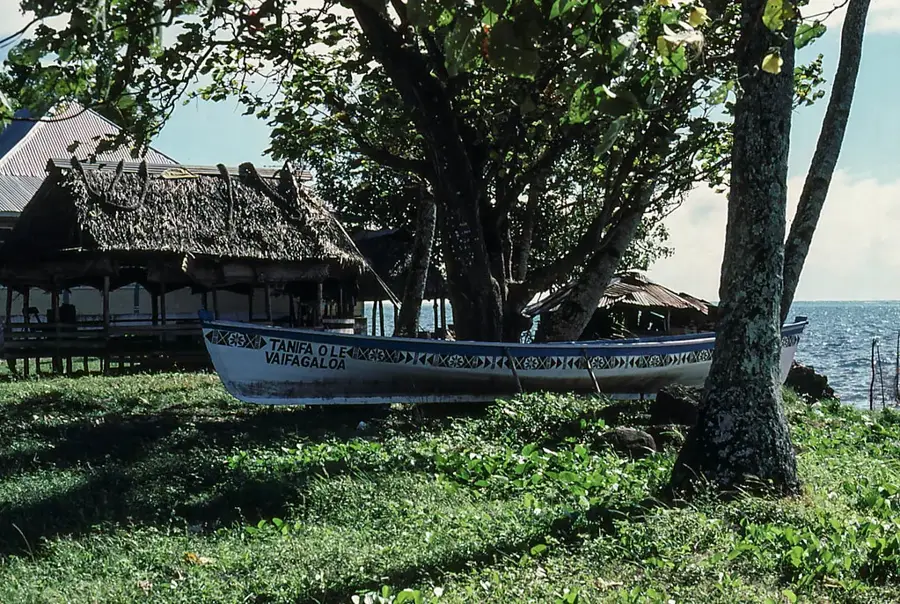
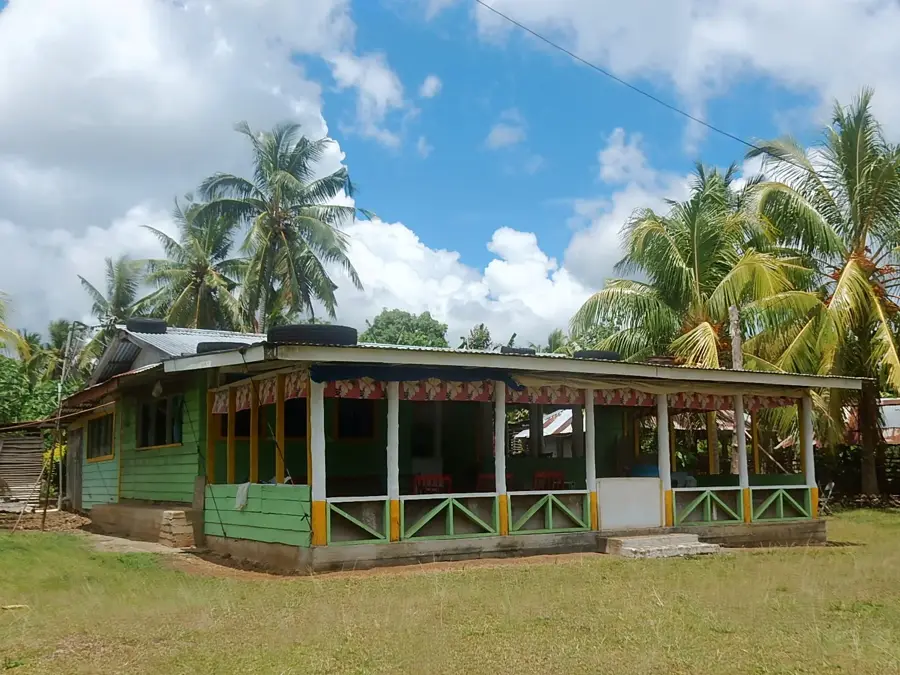
The traditional Fale at Mulinu'u stands as a preeminent architectural symbol of Samoa's political history, located on the Mulinu'u Peninsula near the capital city of Apia. This structure, specifically a Fale Tele or large meeting house, exemplifies traditional Samoan building techniques, constructed without nails using wooden pillars and thatched roofs made from sugarcane leaves. Mulinu'u has functioned as the ceremonial heart of the nation since the 19th century, serving as the seat for various governing bodies ranging from paramount chiefs to the modern parliament. The open-sided design of the fale reflects the Samoan concept of transparency in political discourse and communal decision-making processes. Historically, this site was the stage for significant negotiations between local leadership and colonial powers, particularly during the German and New Zealand administrative eras. Today, the area remains a primary location for state ceremonies, preserving the ancestral knowledge of the Tufuga faufale, the master builders of traditional Samoan architecture.
- Location: Samoa
- Top sights: Mulinu'u Congregational Christian Church · Samoa Ecumenical Centre · Sogi Congregational Christian Church
- Nearby: Moata'a (5 km)
Best time to visit & climate
The most pleasant time to visit is Jul–Sep.
| Jan | Feb | Mar | Apr | May | Jun | Jul | Aug | Sep | Oct | Nov | Dec | |
|---|---|---|---|---|---|---|---|---|---|---|---|---|
| Avg °C | 28 | 28 | 28 | 28 | 28 | 27 | 27 | 27 | 27 | 27 | 27 | 28 |
| Rain mm | 258 | 241 | 165 | 169 | 128 | 91 | 75 | 56 | 92 | 141 | 213 | 229 |
📋 Practical info
Geography
Facts
- The site has served as Samoa's political center since the 1800s.
- Constructed using traditional lashings instead of metal nails.
- Mulinu'u Peninsula sits at an elevation of only 2 meters above sea level.
- The roof is thatched with hand-woven sugarcane leaves.
- Key location for the Mau a Pule independence movement.
- Adjacent to the tombs of Samoa's paramount chiefs and royalty.
Explore nearby
Notable places around
Route planner — Car & Motorhome
Where do you start? We build the route here, with stops and country notes along the way.
© OpenStreetMap contributors · OpenRouteService
Sights in the town Mulinu'u Traditional Fale (10)
Ceremonial 21-Gun Salute Gift from New Zealand
Gift from New Zealand: a ceremonial 21-gun salute cannon. Located in Mulinu'u.
Vaitoloa Church of Jesus Christ and the Latter Day Saints
Church of Jesus Christ of Latter-day Saints in Vaitoloa, Apia. Meetinghouse.
Mulinu'u Nature Reservce
Nature reserve in Mulinu'u, Apia. Protects local plants and animals.
Mulinu'u Point Nature Reserve
Nature reserve at Mulinu'u Point, Apia. Coastal vegetation.
Samoa Islamic Center
Islamic center in Apia. Place for prayer and community life for Muslims.
Apia Samoa Temple
Temple of the Church of Jesus Christ of Latter-day Saints in Apia, Samoa.
Sights nearby
Frequently asked questions
What is a Fale?
Can you view the architecture?
Is entry allowed?
Is there parking?
Best time for pictures?
Mulinu'u Traditional Fale: where is it located?
Mulinu'u Traditional Fale: what is there to see?
Mulinu'u Traditional Fale: when is the best time to visit?
Mulinu'u Traditional Fale: why is it worth visiting?
Nearby cities

History & landmarks

More places