Plizio Visual Lab
O Le Pupu-Pu'e National Park
Weather…
Water temperature…
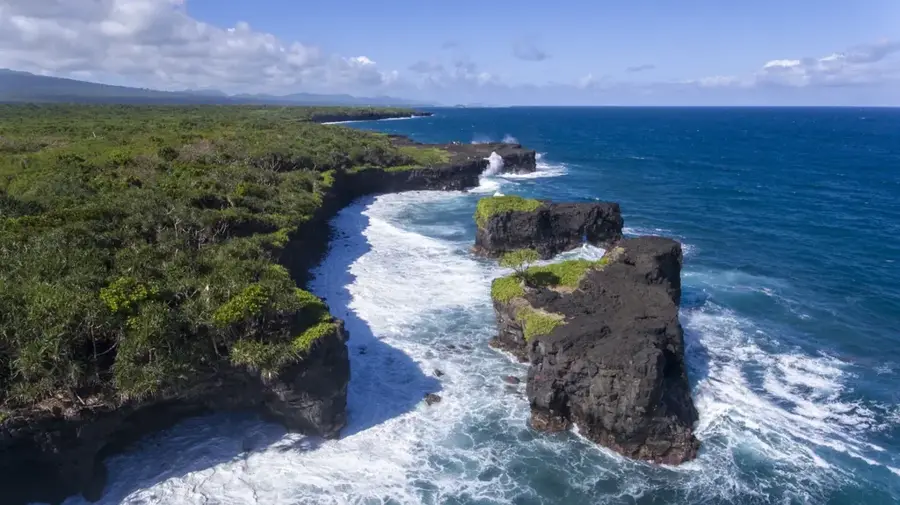
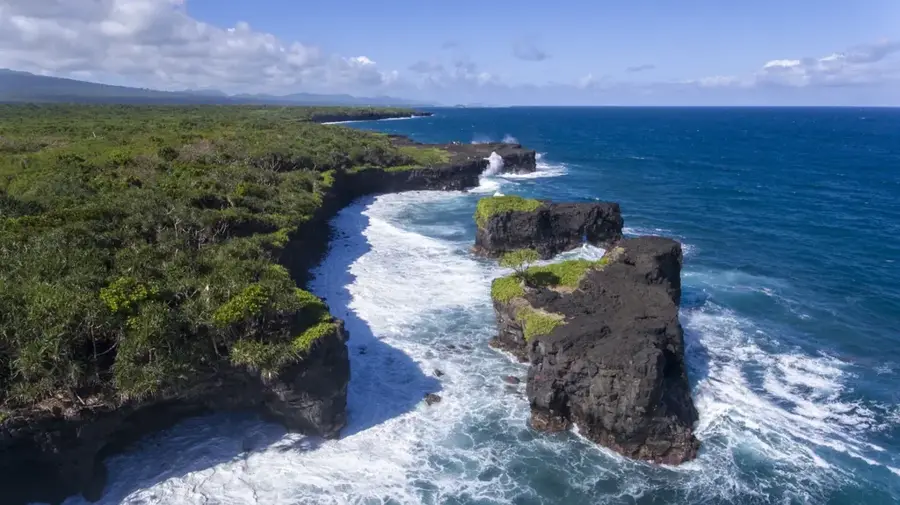
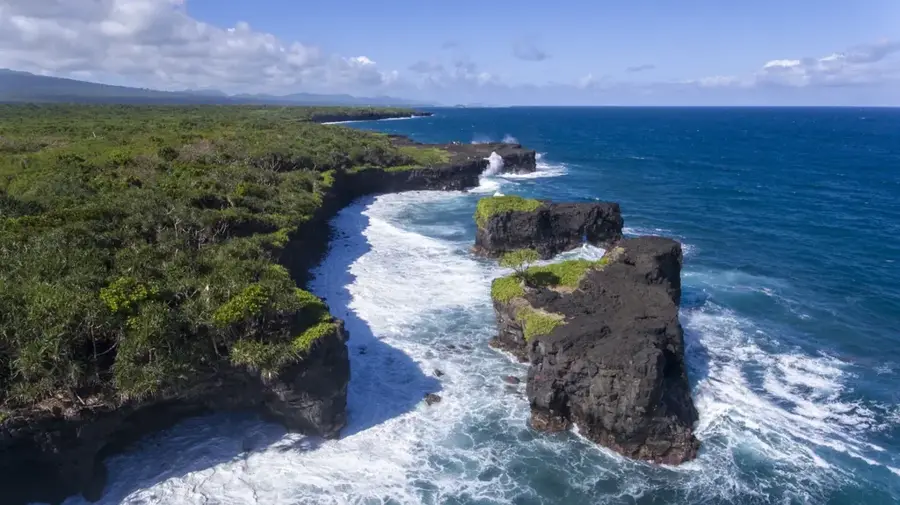
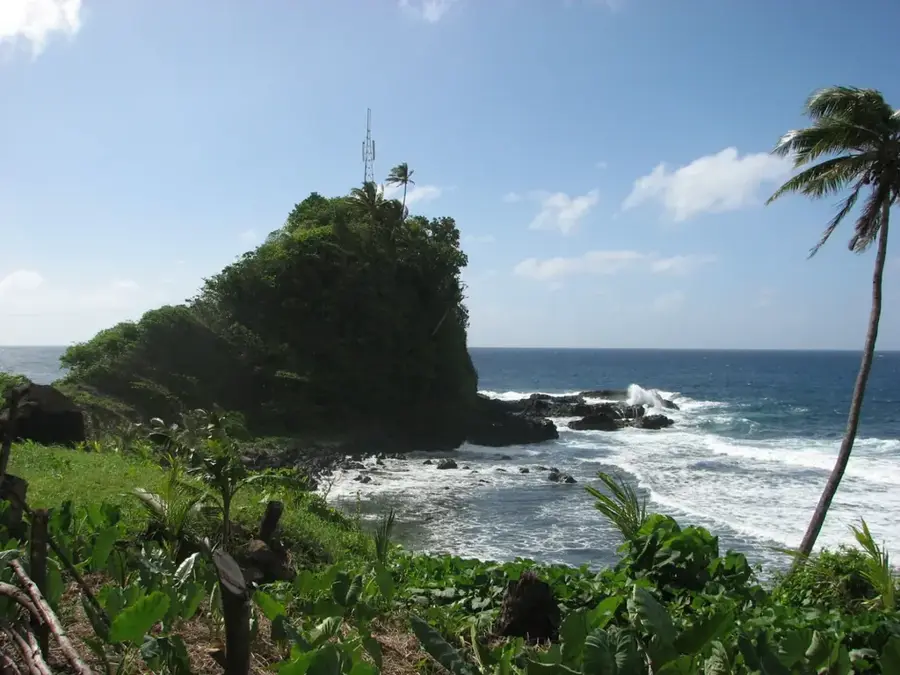
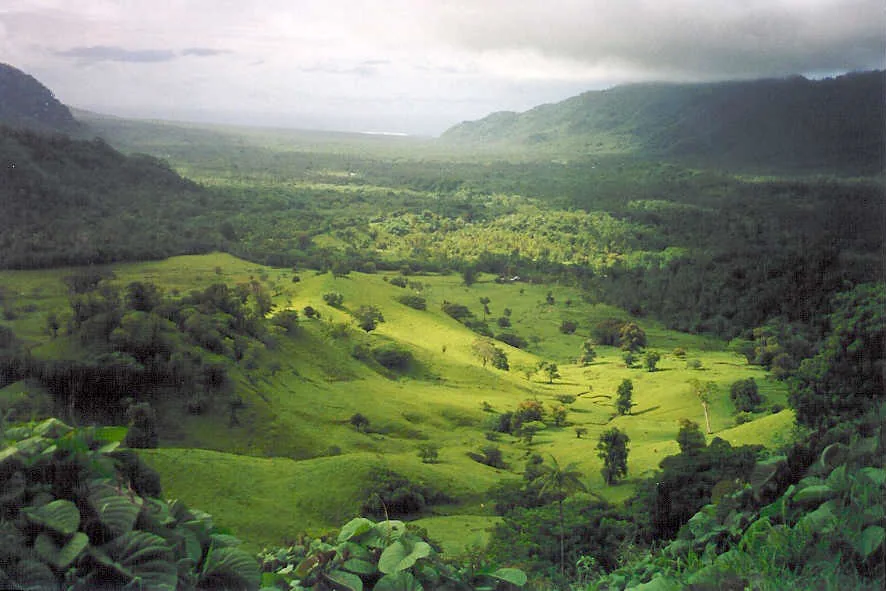
O Le Pupu-Pu'e National Park is Samoa's first national park and the first of its kind in the South Pacific, established in 1978. Spanning approximately 29 square kilometers on the island of Upolu, the park reaches from the highest mountain peaks down to the dramatic lava coastline in the south. It protects an extraordinary range of biodiversity, including rare endemic birds such as the tooth-billed pigeon (Manumea), which is found only in Samoa. The landscape is characterized by pristine rainforests, hidden waterfalls, and the rugged rock formations of the 'O Le Pupu' coast, where ancient lava flows once met the sea. Hiking trails like the Togitogiga track lead visitors through dense vegetation to spectacular viewpoints overlooking the forest canopy. The park serves as a critical conservation area and a vital watershed for the neighboring villages. Beyond its ecological importance, the park has a unique glimpse into the geological history of the islands. It is for nature enthusiasts and eco-tourists seeking to experience the wild, untouched side of Samoa. Management focuses on sustainable tourism and involving local communities in the preservation of this unique natural heritage.
- Location: Samoa
- Top sights: Ma Tree · Togitogiga Waterfalls
- Nearby: Siumu Tai (4 km)
Best time to visit & climate
The most pleasant time to visit is Jul–Sep.
| Jan | Feb | Mar | Apr | May | Jun | Jul | Aug | Sep | Oct | Nov | Dec | |
|---|---|---|---|---|---|---|---|---|---|---|---|---|
| Avg °C | 28 | 28 | 28 | 28 | 28 | 28 | 27 | 27 | 27 | 28 | 28 | 28 |
| Rain mm | 269 | 247 | 175 | 181 | 135 | 88 | 78 | 57 | 91 | 146 | 224 | 240 |
📋 Practical info
Geography
Facts
- Established in 1978, it is the oldest national park in the South Pacific.
- The park covers 29 square kilometers, extending to the southern coast.
- It is a primary habitat for the endangered tooth-billed pigeon (Manumea).
- The name 'O Le Pupu' translates to 'The Cliffs' in Samoan.
- The park's terrain includes the rugged volcanic peak of Mount Pu'e.
- It is managed by the Ministry of Natural Resources and Environment.
Explore nearby
Notable places around


Route planner — Car & Motorhome
Where do you start? We build the route here, with stops and country notes along the way.
© OpenStreetMap contributors · OpenRouteService
Sights in the town O Le Pupu-Pu'e National Park (2)
Sights nearby
Frequently asked questions
How difficult are the hiking trails?
Is a guide needed?
What equipment is necessary?
Are there any dangers?
What is the best season?
O Le Pupu-Pu'e National Park: where is it located?
O Le Pupu-Pu'e National Park: what is there to see?
O Le Pupu-Pu'e National Park: when is the best time to visit?
O Le Pupu-Pu'e National Park: why is it worth visiting?
Nearby cities


History & landmarks

More places