Plizio Visual Lab
Apolima Island
Weather…
Water temperature…
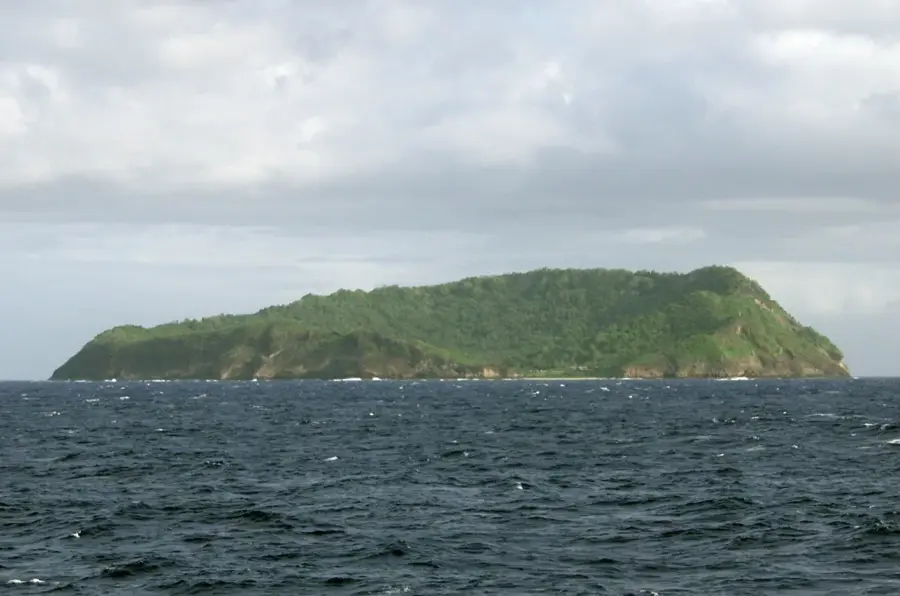
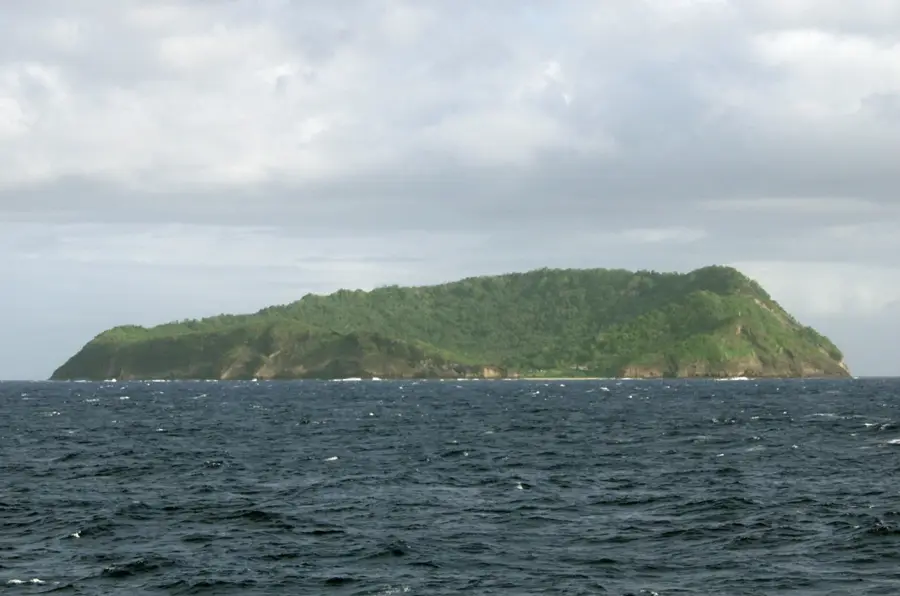
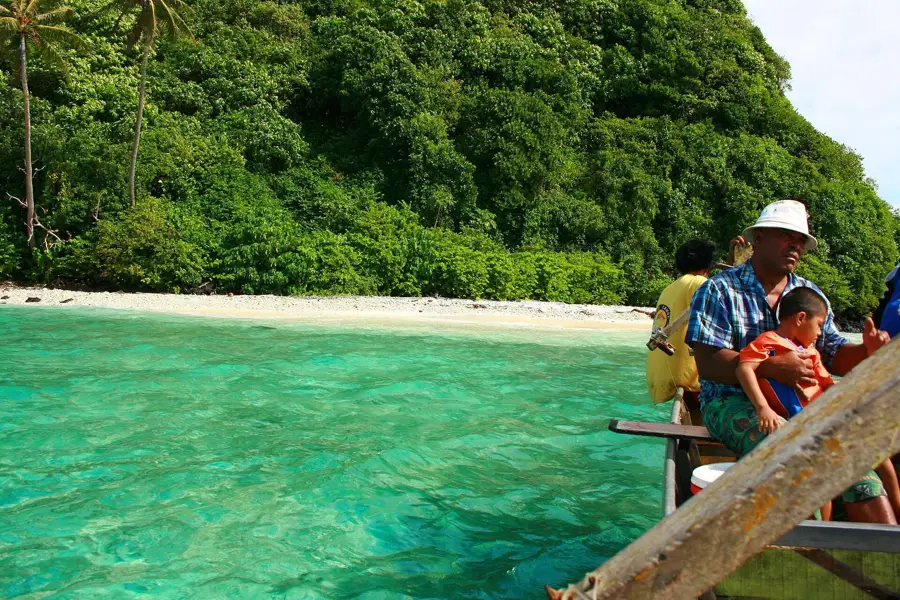
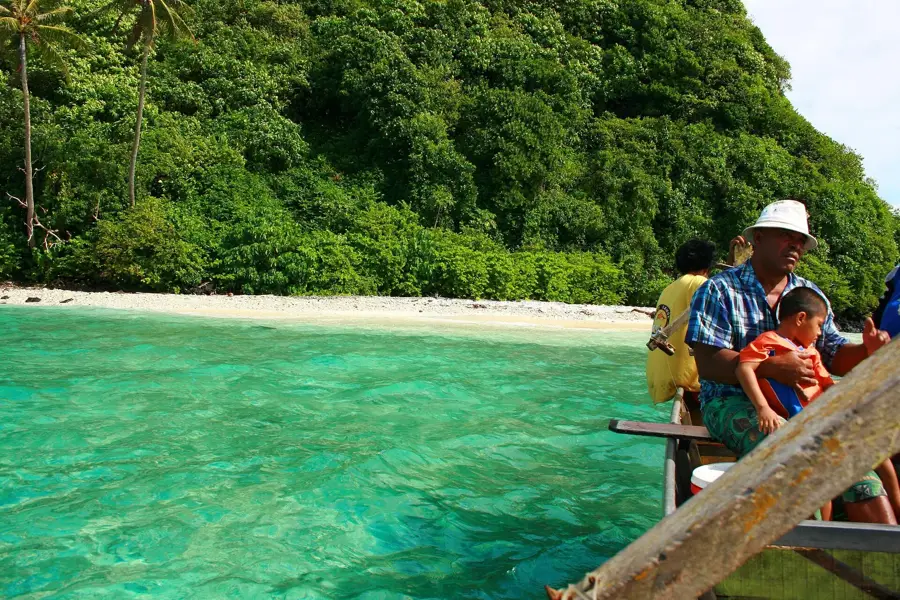
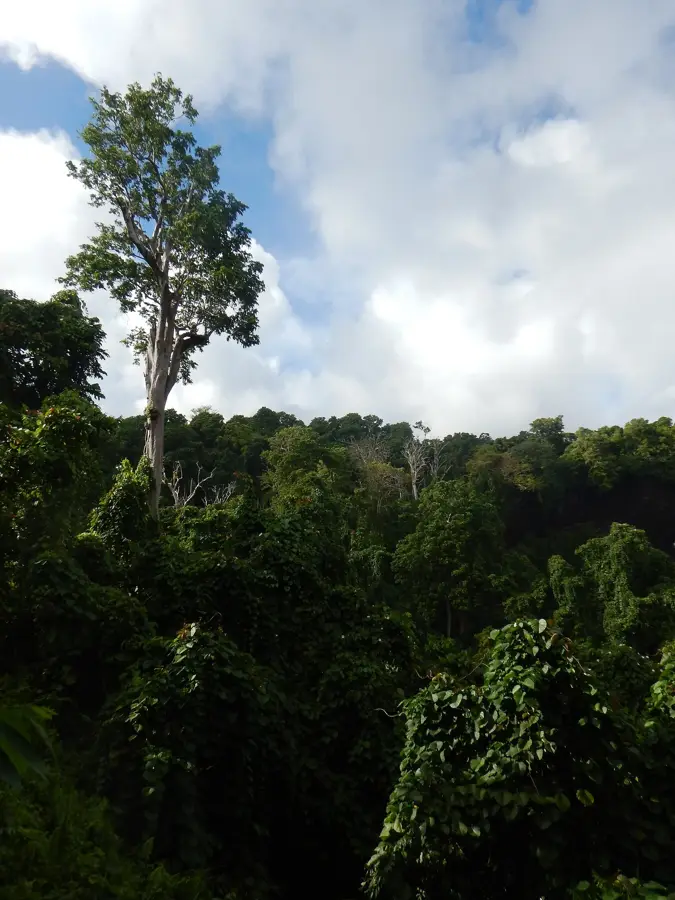
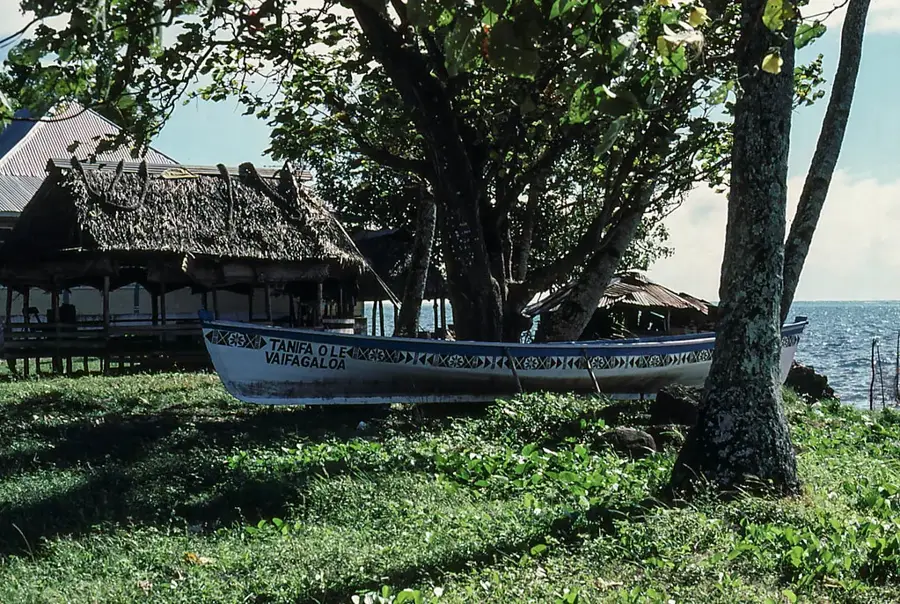
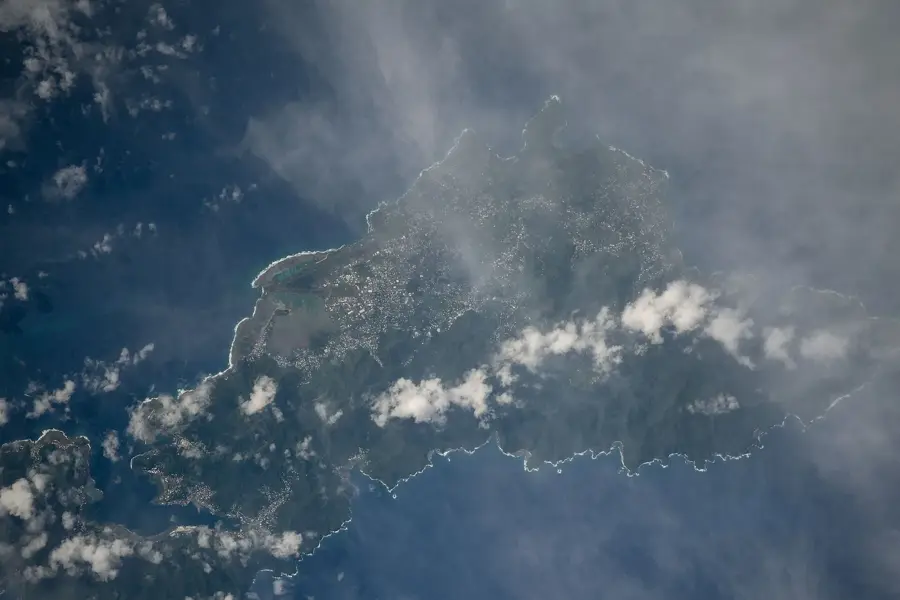
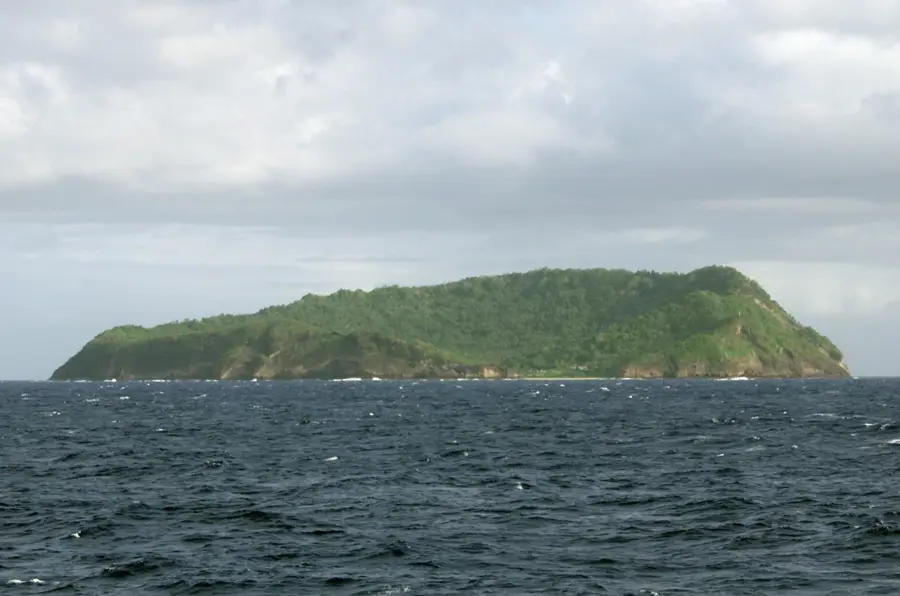
Apolima is the smallest of the inhabited islands in Samoa, positioned within the Apolima Strait between the primary islands of Savai'i and Upolu. The island's unique geography is the result of an extinct volcanic crater, with one side having collapsed into the ocean to form a naturally sheltered basin. This basin serves as a harbour, though entry is restricted to small vessels through a narrow and often hazardous passage in the reef. The rim of the crater rises sharply from the Pacific, reaching a peak elevation of 165 metres, creating a formidable natural fortress. Inside the lush interior, a single village sustains itself through traditional fishing and subsistence farming, maintaining a way of life that has changed little over centuries. Due to its isolation and difficult access, Apolima is one of the most pristine environments in the region, with limited external influence on its social and ecological systems.
- Location: Samoa
- Nearby: Manono Island Fishing Hub (6 km)
Best time to visit & climate
The most pleasant time to visit is Jul–Sep.
| Jan | Feb | Mar | Apr | May | Jun | Jul | Aug | Sep | Oct | Nov | Dec | |
|---|---|---|---|---|---|---|---|---|---|---|---|---|
| Avg °C | 28 | 28 | 28 | 28 | 28 | 27 | 27 | 27 | 27 | 27 | 27 | 28 |
| Rain mm | 258 | 241 | 165 | 169 | 128 | 91 | 75 | 56 | 92 | 141 | 213 | 229 |
📋 Practical info
Geography
Facts
- The island occupies a total land area of less than 1 square kilometre.
- The highest point on the crater rim stands at 165 metres above sea level.
- The resident population typically ranges between 75 and 100 people.
- Apolima is located approximately 2.4 kilometres west of Manono Island.
- There are no motor vehicles or paved roads anywhere on the island.
- The entrance to the natural harbour is only about 10 metres wide.
Explore nearby
Notable places around

Route planner — Car & Motorhome
Where do you start? We build the route here, with stops and country notes along the way.
© OpenStreetMap contributors · OpenRouteService
Sights in the town Apolima Island (1)
Sights nearby
Frequently asked questions
Can you visit Apolima Island?
Are there accommodations there?
Why is Apolima so special?
How do you get to the island?
Is there anything to keep in mind?
Apolima Island: where is it located?
Apolima Island: when is the best time to visit?
Apolima Island: why is it worth visiting?
Nearby cities





History & landmarks
Nature
More places