Plizio Visual Lab

Monument of November 22, 1970
Plizio editorial teamData Sources
Landmark
—°5
Monument of November 22, 1970 (Guinea)

Weather…

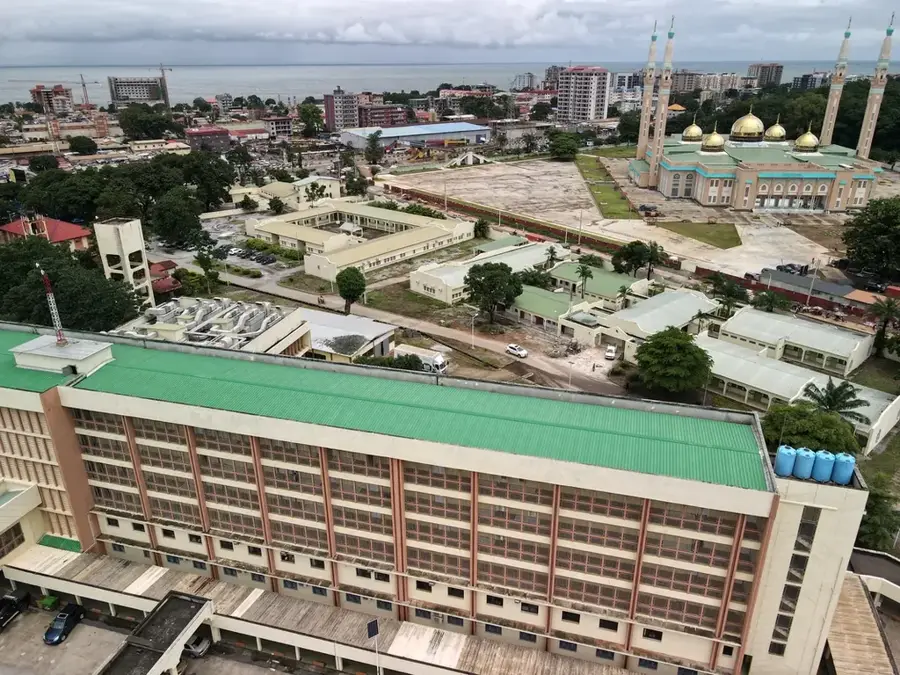
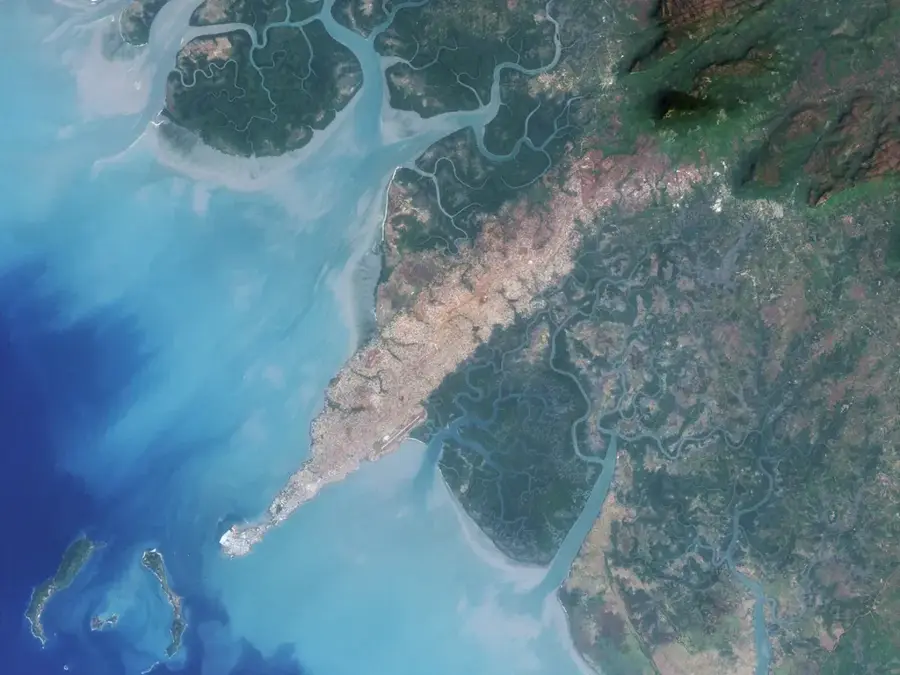
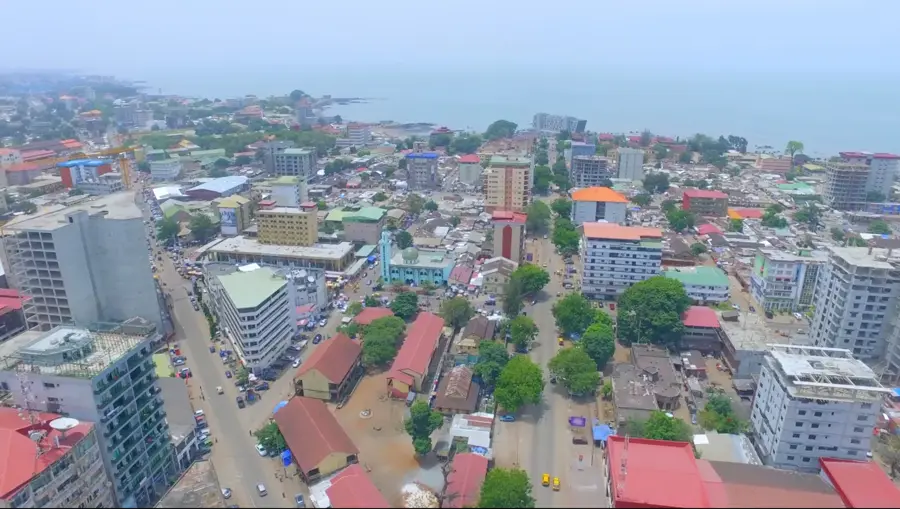
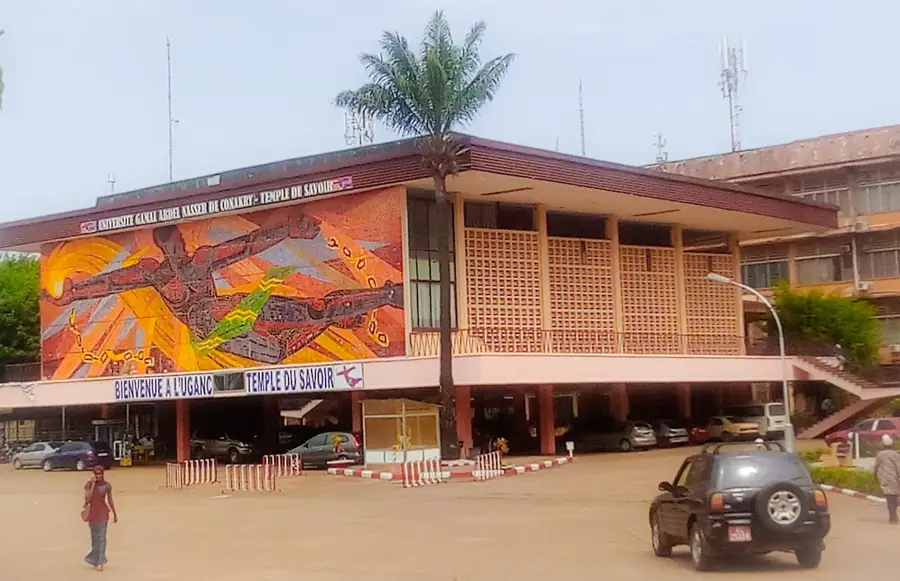
The November 22, 1970 Monument in Conakry is one of Guinea's most prominent political landmarks, commemorating a defining moment in the nation's post-colonial history. It was built to celebrate the victory of Guinean forces and the local population over a Portuguese-backed invasion known as 'Operation Green Sea'. During this assault, Portuguese troops and Guinean exiles attempted to overthrow the regime of Ahmed Sékou Touré and rescue Portuguese prisoners of war. Geographically, the monument is positioned at a key intersection near the Palais du Peuple, at the gateway to the Kaloum Peninsula. Its architecture is characterized by a monumental, brutalist style with sharp edges and soaring verticality, designed to project strength and national resilience. Historically, the monument marks not only a military success but also the reinforcement of national sovereignty and the anti-colonial stance that defined the era. For the citizens of Conakry, it serves as a daily reminder of the defense of independence. The site is a central location for state commemorative ceremonies and serves as a symbol of Guinean nationalism and resistance against foreign intervention.

Best time to visit & climate

The most pleasant time to visit is Jan–Mar.

JanFebMarAprMayJunJulAugSepOctNovDec
Avg °C272727272827262626272828
Rain mm0211390353826943441173533

📋 Practical info

🚪
Visiting
The Monument of November 22, 1970 is a prominent landmark in Conakry, commemorating Guinea's victory over the Portuguese invasion. It is situated in an open public space, allowing visitors to approach and view it from all sides at any time.
🕒
Typical hours
As an open-air monument, it is typically accessible 24 hours a day with no closing times. There are no guided tours or formal visiting hours, so you can come whenever you like.
📷
Photography
Photography is generally allowed and encouraged; the monument is a popular photo spot, especially during golden hour or at night when lit. For the best result, use a wide-angle lens to capture the full structure and the surrounding square.
⏱️
Time needed
A typical visit lasts between 15 and 30 minutes, enough to walk around and read the inscriptions. If you want to take photos or sit on a nearby bench, you can easily spend half an hour.
Combine with
Combine your visit with the Guinea National Museum, which is just a short walk away, or the Conakry Grand Mosque. The nearby seafront provides a pleasant promenade to round off your day.
🧭
Getting there
The monument is located in central Conakry and is easily reachable by taxi, bus, or on foot from many hotels. If coming from the airport, a taxi ride takes about 30 minutes depending on traffic.
💡
Insider tip
Visit early in the morning to enjoy the site in peace before the heat sets in. Alternatively, come in the evening when the monument is illuminated and the atmosphere is quiet.

Geography

Coordinates
9.53000, -13.68200

Facts

  • The monument honors the repelling of the 1970 Portuguese sea-borne invasion.
  • It is located at the strategic entrance to the Kaloum administrative district.
  • The design is a classic example of Cold War-era socialist monumentalism.
  • November 22 remains a major national public holiday in the Republic of Guinea.
  • The site served as a focal point for political mobilization during the first republic.
  • It symbolizes Guinea's historical stance as a leader in African anti-colonialism.

Explore nearby

Notable places around
Route planner — Car & Motorhome

Where do you start? We build the route here, with stops and country notes along the way.

Vehicle
Only stops with (optional):

© OpenStreetMap contributors · OpenRouteService

Sights in the town Monument of November 22, 1970 (5)

Samory Touré🏺 historical

This monument honors Samory Touré, the revered founder of the Wassoulou Empire and symbol of anti-colonial resistance.

Livre🏺 historical

The Livre monument is a sculptural representation of a book, celebrating learning and literature in the city's public square.

Statue de Conakry🏺 historical

The Statue de Conakry is a prominent civic monument erected as a visual symbol of the Guinean capital's heritage.

Plage de la Camayenne🎡 recreation

Plage de la Camayenne is a popular urban sandy shore where locals gather to relax by the Atlantic Ocean.

Centre Culturel Franco-Guinéen🎭 culture

Opened in 1999, the Centre Culturel Franco-Guinéen is a dynamic arts hub dedicated to intercultural exchange between France and Guinea.

Sights nearby

Frequently asked questions

What does the November 22 Monument commemorate?
It commemorates the victory over the Portuguese invasion in 1970.
Where is it located in Conakry?
It is located near the People's Palace (Palais du Peuple).
What does the monument look like?
A modern concrete structure with symbolic figures and inscriptions.
Is entry free?
Yes, it is a public monument and can be viewed from the outside anytime.
Can I take photos there?
Generally yes, but avoid photographing police or nearby government buildings.
Monument of November 22, 1970: where is it located?
Monument of November 22, 1970 is located in Guinea.
Monument of November 22, 1970: what is there to see?
Highlights include Samory Touré, Livre, Statue de Conakry.
Monument of November 22, 1970: when is the best time to visit?
The most pleasant time to visit is Jan, Mar.
Monument of November 22, 1970: why is it worth visiting?

The November 22, 1970 Monument in Conakry is one of Guinea's most prominent political landmarks, commemorating a defining moment in the nation's post-colonial history.
View on map → The Top 50 Attractions → OpenStreetMap →
Africa
Explore with Plizio Discover more places in Africa
More places in Guinea →

Nearby cities

History & landmarks
Nature

More places