Plizio Visual Lab
Harleigh Farm Ruins

Weather…
Water temperature…
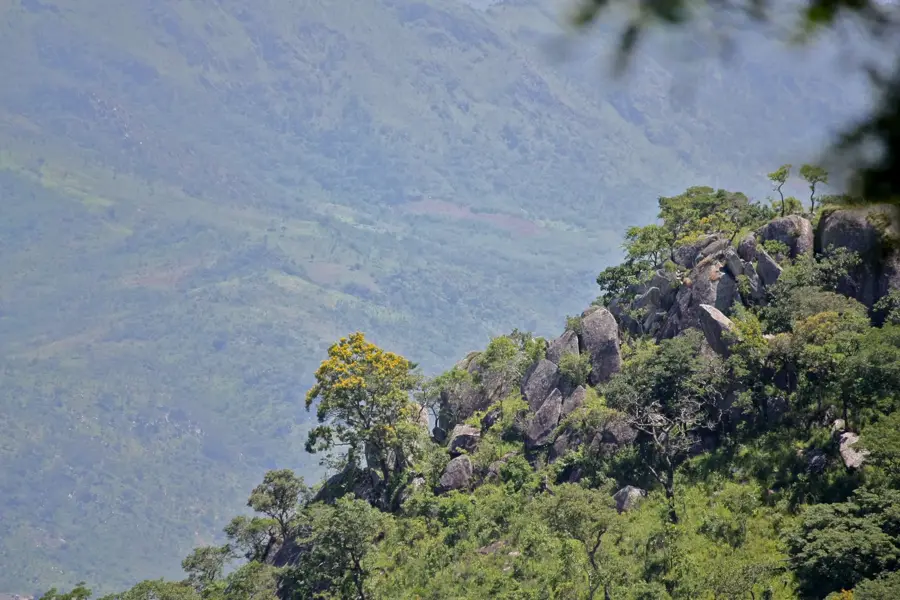
The Harleigh Farm Ruins are located near Rusape in eastern Zimbabwe and constitute a significant Iron Age archaeological site. The complex represents two distinct occupational phases, with the earlier associated with the Ziwa culture and the later reflecting the Great Zimbabwe stone-building tradition. Archaeological excavations conducted by Keith Robinson between 1958 and 1962 provided essential insights into the social hierarchy and subsistence strategies of the ancient inhabitants. The dry-stone walling techniques employed in the later phase demonstrate advanced craftsmanship consistent with the regional architectural styles of the 13th to 17th centuries. Residential enclosures and livestock pens suggest a well-organized community relying on a combination of crop cultivation and cattle herding. Today, the ruins stand as an important testament to the pre-colonial history and cultural development of the Manicaland region.
- Location: Zimbabwe
- Nearby: Rusape (37 km)
Best time to visit & climate
The most pleasant time to visit is Apr, Aug, Sep.
| Jan | Feb | Mar | Apr | May | Jun | Jul | Aug | Sep | Oct | Nov | Dec | |
|---|---|---|---|---|---|---|---|---|---|---|---|---|
| Avg °C | 24 | 23 | 22 | 20 | 18 | 16 | 15 | 18 | 22 | 24 | 25 | 24 |
| Rain mm | 140 | 120 | 98 | 47 | 9 | 7 | 9 | 2 | 9 | 28 | 96 | 192 |
📋 Practical info
Geography
Facts
- The site is located approximately 15 kilometers northeast of Rusape.
- Major excavations were led by Keith Robinson from 1958 to 1962.
- It features two cultural layers: Ziwa and the Zimbabwe tradition.
- The stone structures date primarily from the 13th to 17th centuries.
- Dry-stone walling was used, requiring no mortar for stability.
- The ruins are classified as a National Monument of Zimbabwe.
Explore nearby
Notable places around


Route planner — Car & Motorhome
Where do you start? We build the route here, with stops and country notes along the way.
© OpenStreetMap contributors · OpenRouteService
Sights nearby
Frequently asked questions
What are the Harleigh Farm ruins?
Can the ruins be visited at any time?
What is the condition of the ruins?
Do you need a guide?
What preparations are necessary for the visit?
Harleigh Farm Ruins: where is it located?
Harleigh Farm Ruins: when is the best time to visit?
Harleigh Farm Ruins: why is it worth visiting?

Nearby cities
History & landmarks

Nature

More places