Plizio Visual Lab
Wadi Hadhramaut
Weather…
Water temperature…
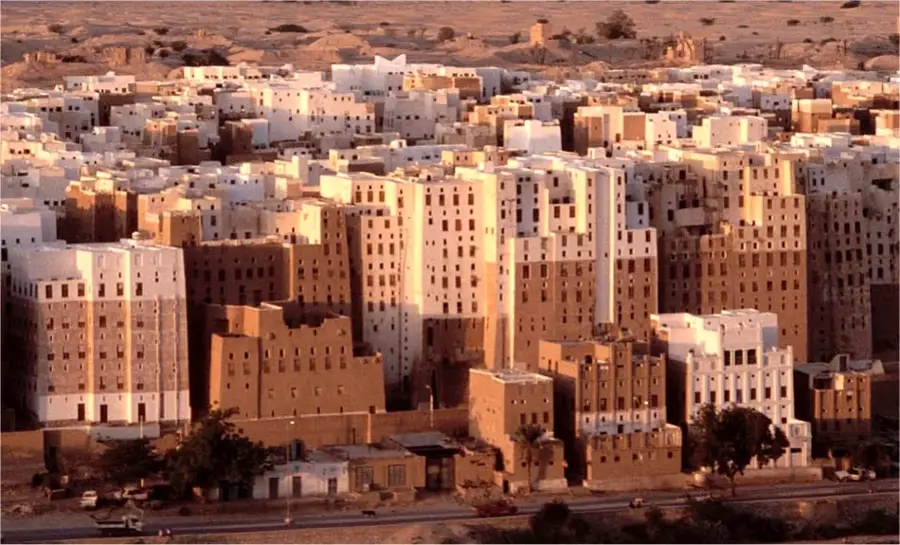
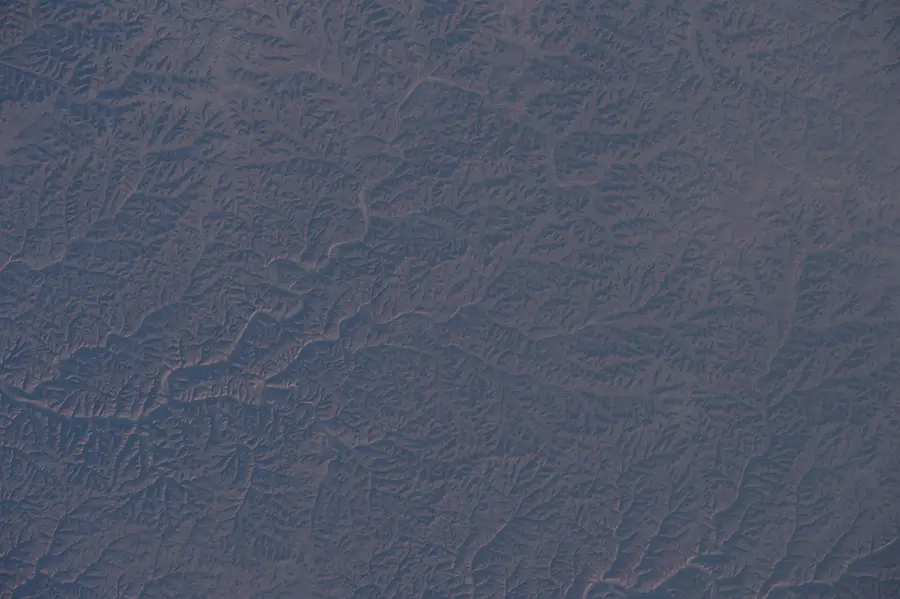
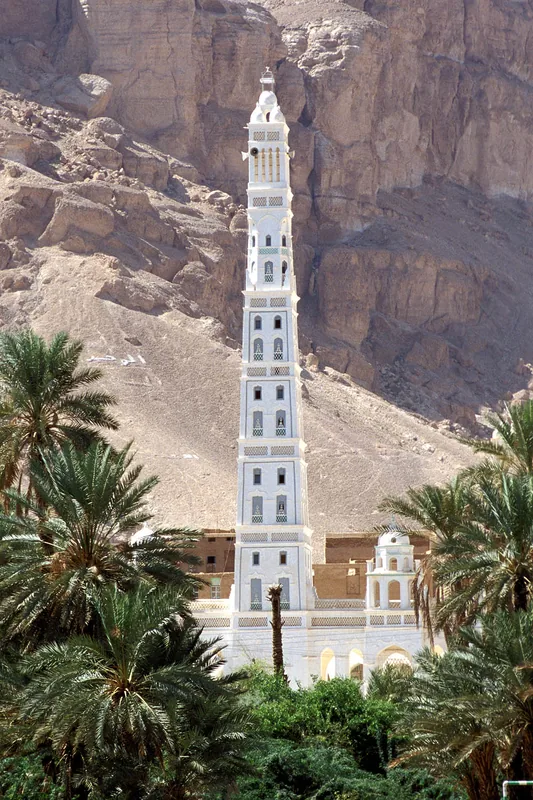
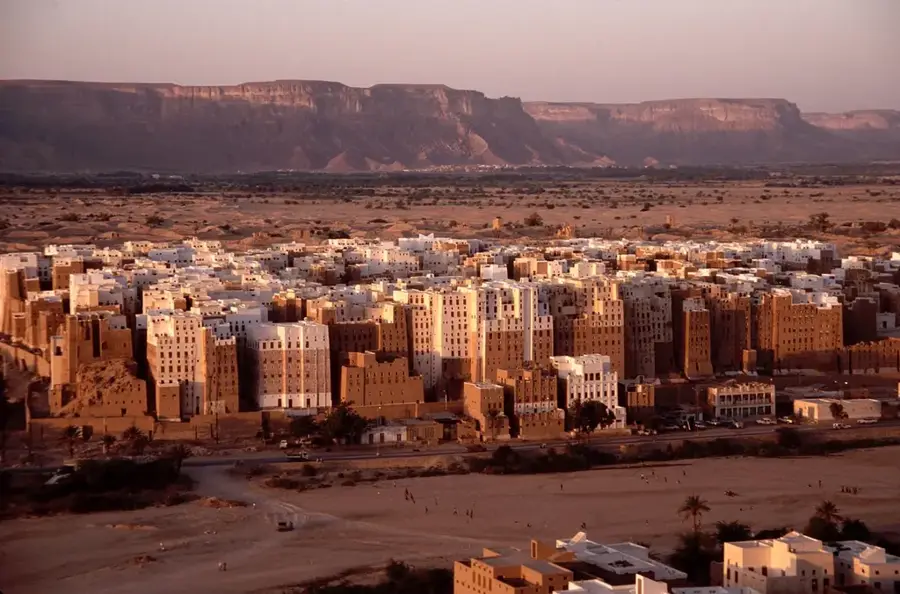
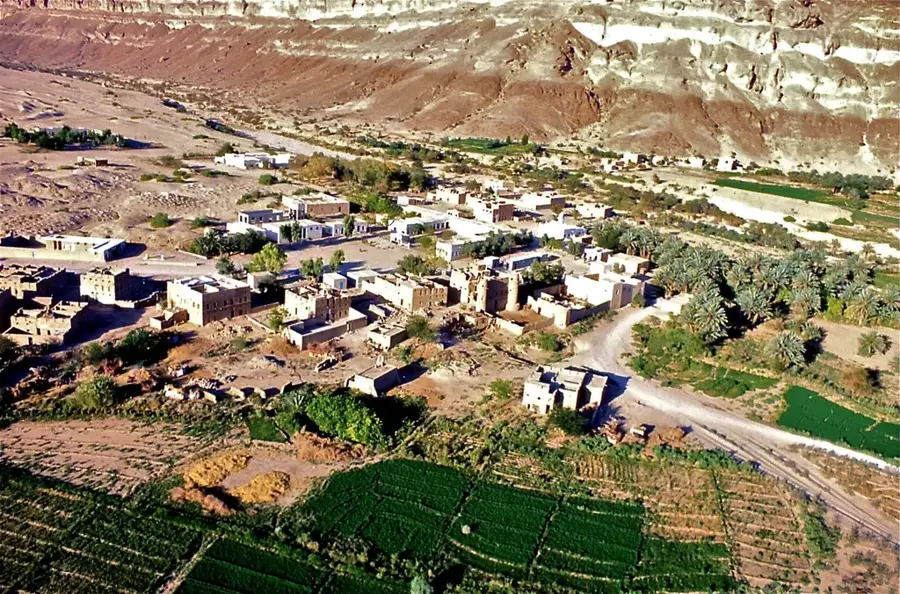
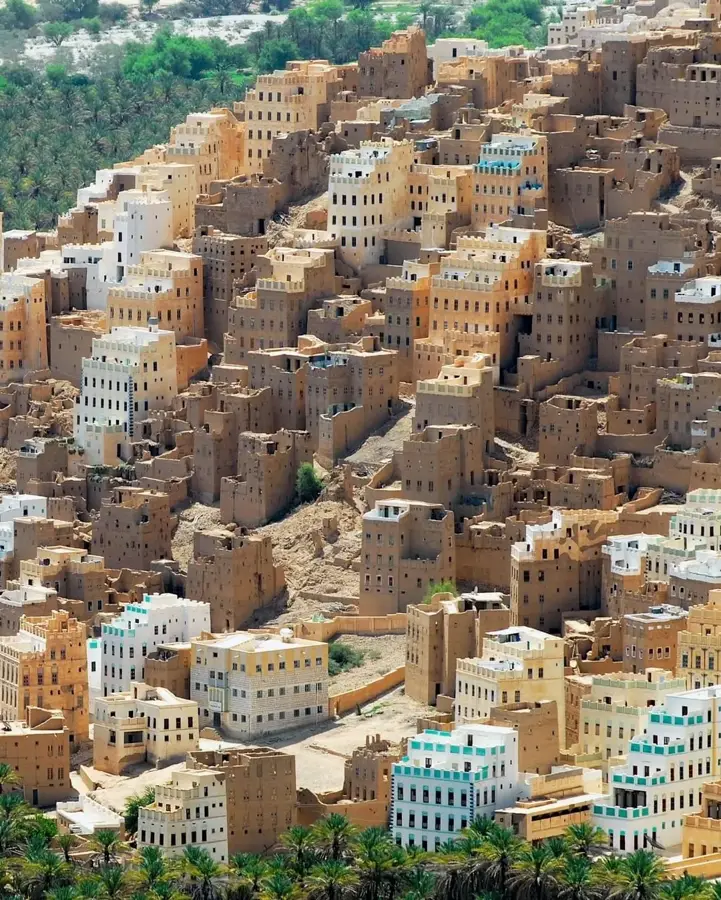
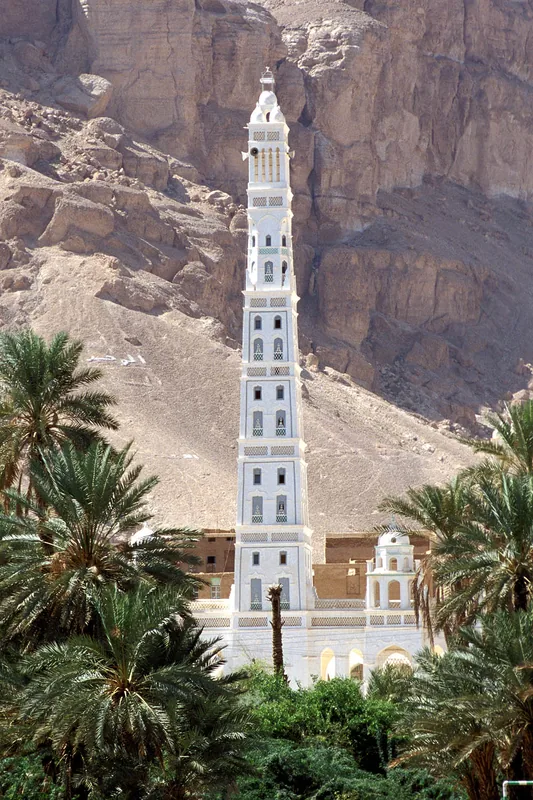
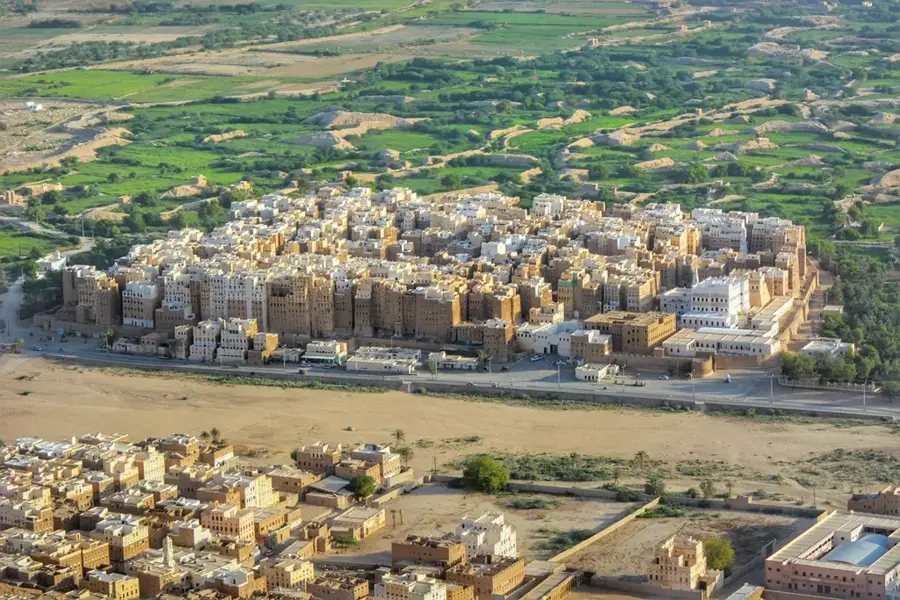
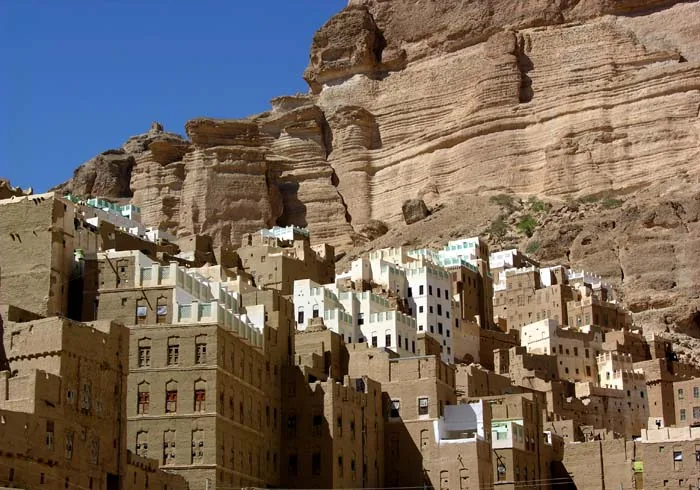
Wadi Hadhramaut is the largest valley system on the Arabian Peninsula, stretching for hundreds of kilometers through eastern Yemen. The wadi is deeply carved into a massive limestone plateau, forming a green oasis in the midst of an otherwise barren desert landscape. Historically, Wadi Hadhramaut was the center of the frankincense trade and home to significant civilizations known for their advanced agriculture and architecture. The valley is particularly famous for its unique mud-brick cities such as Shibam, often referred to as the 'Manhattan of the Desert,' as its high-rise buildings have been constructed almost entirely of mud since the 16th century. The wadi's watercourse is mostly dry but carries enormous volumes of water during seasonal rains, recharging groundwater and enabling the cultivation of date palms. The cultural heritage of Hadhramaut is deeply rooted in the traditions of local tribes and has exerted far-reaching influence through trade relations as far as Southeast Asia. Today, the wadi stands as a living monument to human adaptability to extreme environmental conditions and is one of the most fascinating geographical formations in the East.
- Location: Yemen
- Nearby: Tarim (56 km)
Best time to visit & climate
The most pleasant time to visit is Feb, Nov, Dec.
| Jan | Feb | Mar | Apr | May | Jun | Jul | Aug | Sep | Oct | Nov | Dec | |
|---|---|---|---|---|---|---|---|---|---|---|---|---|
| Avg °C | 19 | 21 | 24 | 27 | 30 | 33 | 34 | 33 | 31 | 26 | 22 | 19 |
| Rain mm | 0 | 0 | 2 | 2 | 1 | 0 | 1 | 3 | 0 | 0 | 2 | 0 |
📋 Practical info
Geography
Facts
- The main valley of Wadi Hadhramaut extends over a length of approximately 160 kilometers.
- It lies an average of 600 to 700 meters below the level of the surrounding plateau.
- Shibam, a city in the wadi, has been a UNESCO World Heritage site since 1982.
- In antiquity, Hadhramaut was part of the legendary 'Land of Frankincense'.
- The region is famous for producing Sidr honey, one of the most expensive honeys in the world.
- Inhabitants of the wadi migrated in large numbers to Java and Malaysia.
Explore nearby
Notable places around
Route planner — Car & Motorhome
Where do you start? We build the route here, with stops and country notes along the way.
© OpenStreetMap contributors · OpenRouteService
Sights nearby
Frequently asked questions
Why is Wadi Hadramaut famous?
Can you stay overnight there?
Is a guide recommended?
Is the region open to tourists?
What is the best means of transport?
Wadi Hadhramaut: where is it located?
Wadi Hadhramaut: when is the best time to visit?
Wadi Hadhramaut: why is it worth visiting?

Nearby cities
History & landmarks
Nature
More places