Plizio Visual Lab

Mud Skyscrapers of Shibam
Plizio editorial teamData Sources
icon
—°1
Mud Skyscrapers of Shibam (Yemen)

Weather…

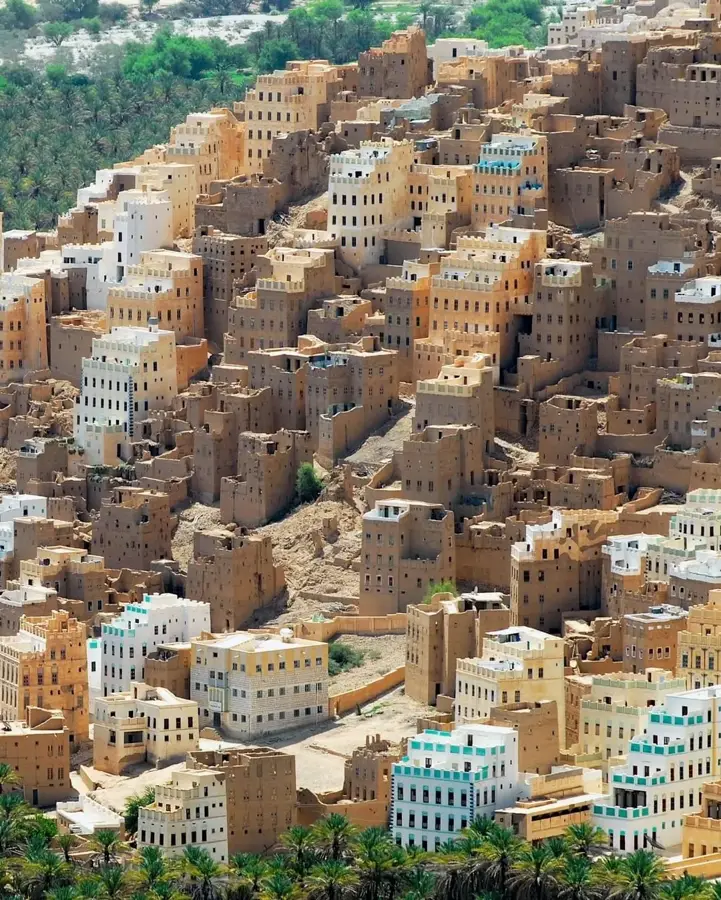
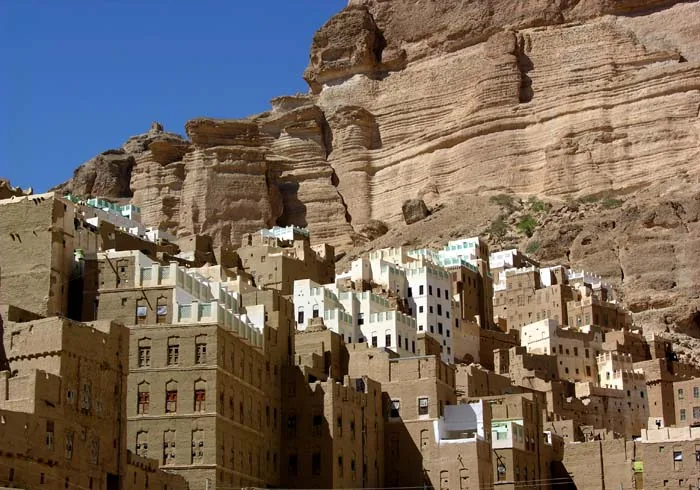
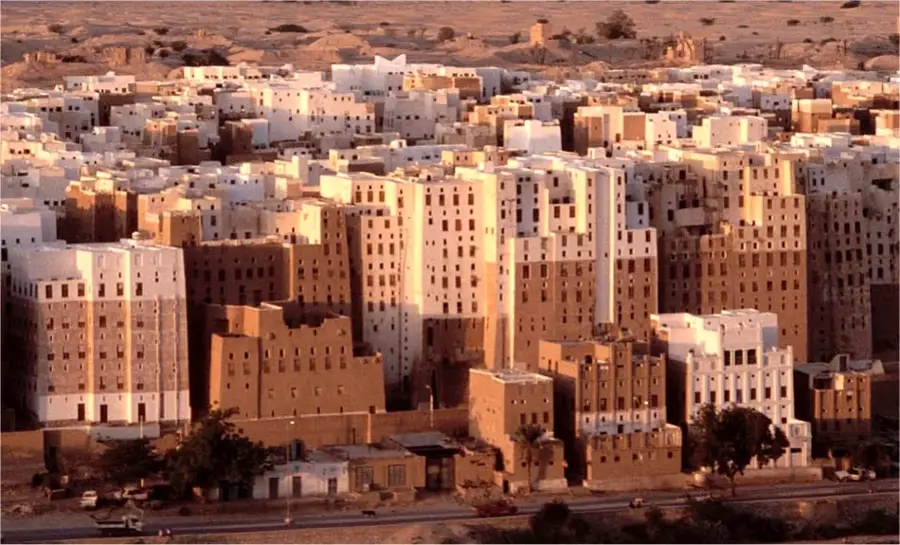
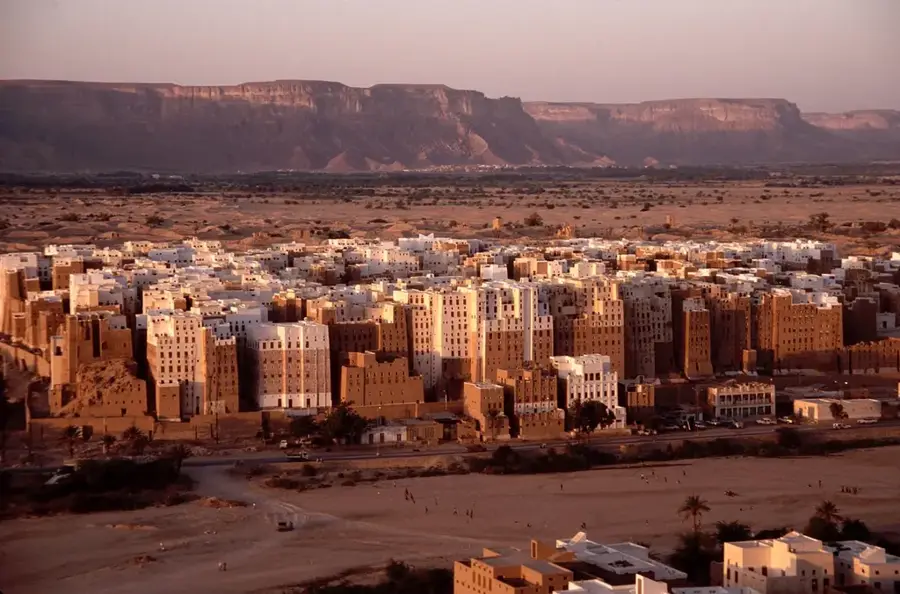
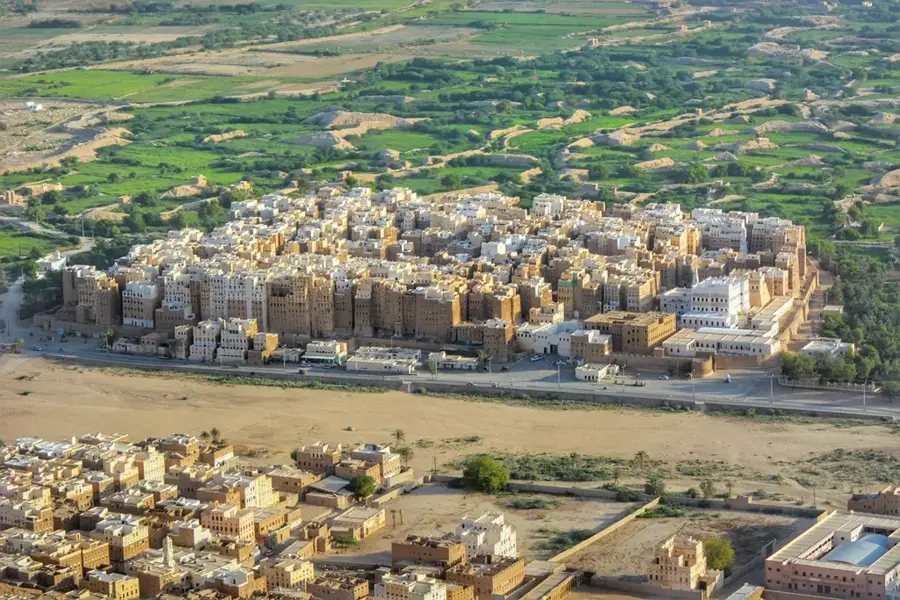
Shibam, frequently called the 'Manhattan of the Desert,' is an extraordinary historic city in the Hadhramaut region, famous for its mud-brick high-rise buildings that reach up to eleven stories. The city was strategically built on a mound to protect it from the periodic flash floods of the Wadi Hadhramaut. While the site has been inhabited since pre-Islamic times, the current urban layout and most of its 500 towers date back to the 16th century. Each skyscraper is constructed entirely from sun-dried mud bricks and straw, with the walls tapering as they rise to minimize the weight on the lower foundations. Shibam was designated a UNESCO World Heritage site in 1982 for being the oldest example of vertical urban planning in the world. The architecture requires rigorous and constant maintenance, as rain and erosion can quickly compromise the soft building material. Despite the harsh desert climate, these ancient towers remain a functional residential environment for hundreds of local inhabitants today.

Best time to visit & climate

The most pleasant time to visit is Feb, Nov, Dec.

JanFebMarAprMayJunJulAugSepOctNovDec
Avg °C182124273032333330252219
Rain mm003300130020

📋 Practical info

🚪
Visiting
The ancient walled city of Shibam can typically be visited by walking through its narrow streets to admire the towering mud-brick structures from the outside. While some buildings might be accessible with a local guide, the primary experience is exploring the exterior architecture of this unique desert metropolis.
🕒
Typical hours
As a living city, the streets of Shibam are generally accessible throughout the day, though it is highly recommended to explore during daylight hours for safety and visibility. Any locally operated guided tours or specific access to certain buildings will usually follow standard daytime business hours.
📷
Photography
Photography of the impressive mud skyscrapers is highly rewarding, especially during sunrise or sunset when the golden light accentuates the earthy tones of the buildings. Always be respectful and ask for permission before photographing local residents, as cultural norms regarding privacy should be strictly observed.
⏱️
Time needed
Visitors typically spend around two to three hours wandering through the labyrinthine streets and absorbing the atmosphere of this historical site. However, those with a deep interest in traditional architecture or urban planning might easily dedicate a half-day or more to fully appreciate the intricate details.
Combine with
A visit to Shibam can often be combined with exploring other historical towns and natural landscapes within the broader Wadi Hadramaut region, depending on the current travel and security conditions. Nearby traditional settlements offer a deeper context into the historical trade routes that once flourished in this desert area.
🧭
Getting there
Access to Shibam is primarily via road through the Wadi Hadramaut valley, typically organized through specialized tour operators due to the complex logistical and security situation in the region. Traveling with a reputable local guide and a secure convoy is often a strict requirement for international visitors to reach the city safely.
💡
Insider tip
Given the intense desert climate of the region, it is essential to dress in lightweight, breathable clothing while strictly adhering to local conservative dress codes for both men and women. Staying hydrated is crucial, so always carry an adequate supply of bottled water while exploring the dusty streets and alleyways.

Geography

Coordinates
15.92620, 48.62590

Facts

  • The city contains approximately 500 high-rise buildings made solely of mud.
  • Some of the mud skyscrapers reach a height of more than 30 meters.
  • Shibam was designated as a UNESCO World Heritage site in 1982.
  • The city's fortified wall has protected it from floods for several centuries.
  • The current architectural layout dates back primarily to the 16th century.
  • Constant maintenance is required to protect the structures from rain-driven erosion.

Explore nearby

Notable places around

Route planner — Car & Motorhome

Where do you start? We build the route here, with stops and country notes along the way.

Vehicle
Only stops with (optional):

© OpenStreetMap contributors · OpenRouteService

Sights in the town Mud Skyscrapers of Shibam (1)

Old Walled City of Shibam📍 landmark

Often called the 'Manhattan of the Desert', this heritage site has towering mud-brick skyscrapers enclosed by a fortified wall.

Sights nearby

Frequently asked questions

What makes Shibam so special?
Shibam is world-famous for its unique high-rise architecture made of mud bricks.
Can I visit the interiors of the mud houses?
Some houses can be visited by arrangement with the residents.
What is the best way to travel to Shibam?
Travel is usually by car from Seiyun via well-maintained roads.
Can Shibam be visited all year round?
Yes, but in summer temperatures are extremely high; autumn or winter are better.
Do I need a visa to see Shibam?
Yes, a valid visa is mandatory to enter Yemen.
Mud Skyscrapers of Shibam: where is it located?
Mud Skyscrapers of Shibam is located in Yemen.
Mud Skyscrapers of Shibam: when is the best time to visit?
The most pleasant time to visit is Feb, Nov, Dec.
Mud Skyscrapers of Shibam: why is it worth visiting?

Shibam, frequently called the 'Manhattan of the Desert,' is an extraordinary historic city in the Hadhramaut region, famous for its mud-brick high-rise buildings that reach up to eleven stories.
View on map → The Top 50 Attractions → OpenStreetMap →
Asia
Explore with Plizio Discover more places in Asia
More places in Yemen →

Nearby cities

Nature

More places