Plizio Visual Lab
Tây Ninh
ℹ️Practical info — Tây Ninh
▾
🌤 Weather — 5 days
📍 Nearby
Sights nearby
💡 Tips
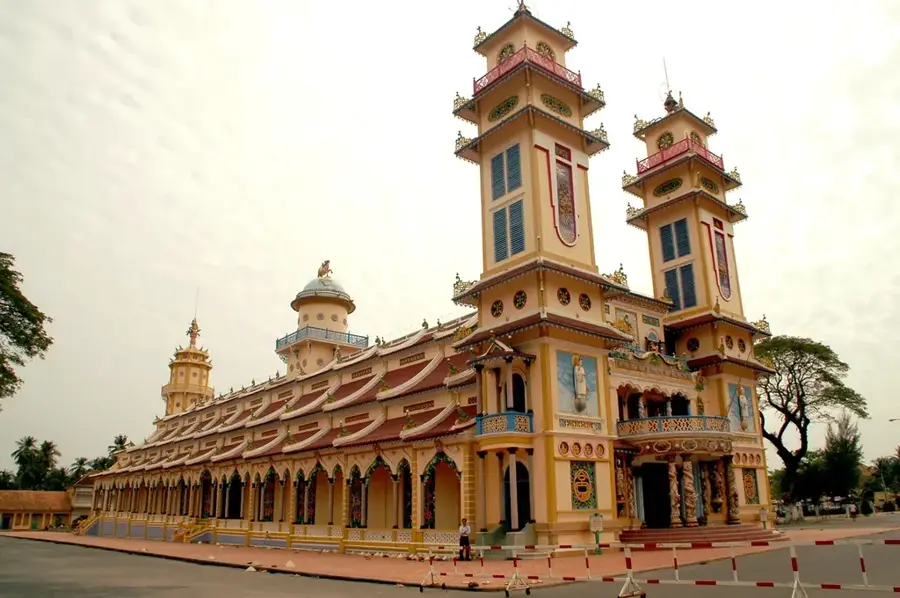
- Visit the Cao Dai Holy See in time for the daily 12:00 PM prayer ceremony to see the colorful rituals.
- Ensure your shoulders and knees are covered when entering the temple, and remember to remove your shoes.
- Take the earliest cable car to the summit of Bà Đen Mountain to 'hunt clouds' and see the sunrise.
- Pick up some local 'Muối Tôm' (shrimp salt), a famous seasoning used for dipping tropical fruits.
- Plan your visit during the dry season (December to April) for the clearest views from the mountain top.
🍽 Food
A savory thick noodle soup with tender pork, famous throughout Southern Vietnam.
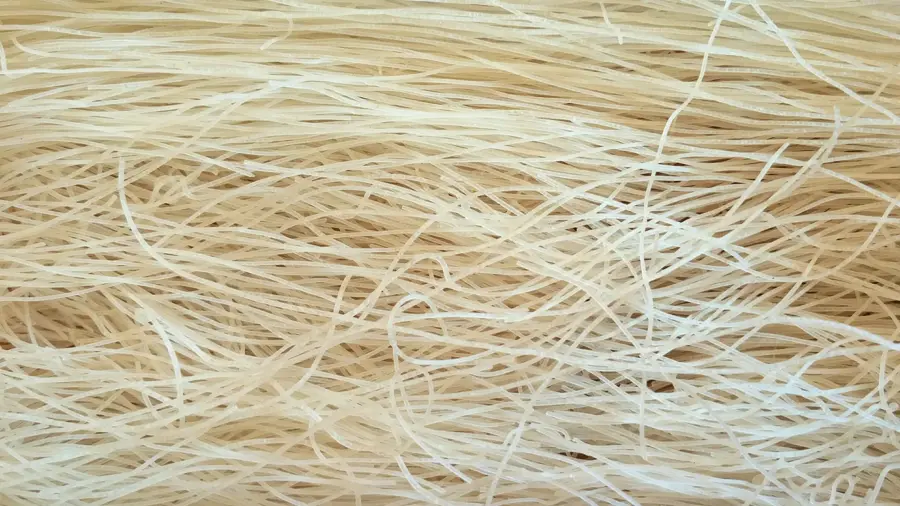
Soft and chewy rice paper left out overnight to absorb dew; excellent for wrapping boiled pork and wild herbs.
Spicy shrimp salt; the ultimate seasoning for dipping fresh, sour fruits like green mango or guava.
🛍 Shopping · 🧘 Quiet spots
The ultimate spot to stock up on shrimp salt, rice paper, and local snacks.
A great place for souvenirs and religious items related to the mountain's sacred sites.
Look for shops specializing in authentic dew-soaked rice paper and local delicacies.
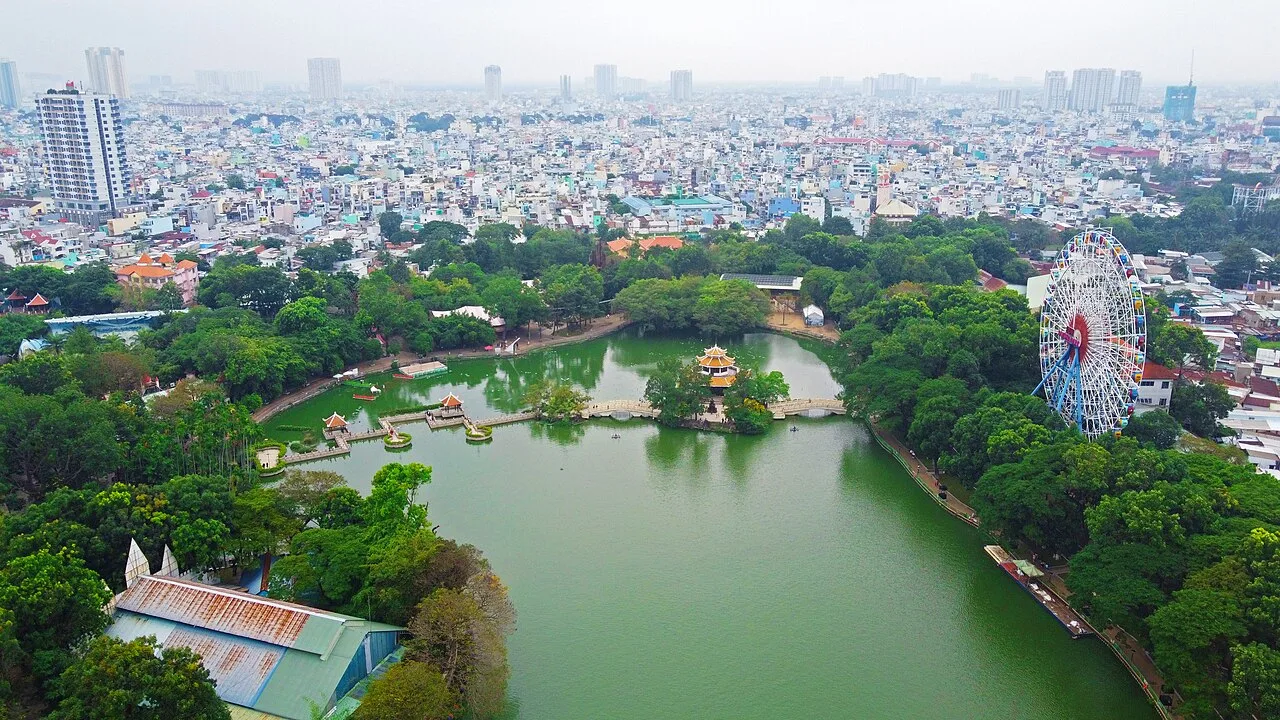
A massive reservoir with peaceful banks, excellent for relaxing away from the pilgrim crowds.
Find the quieter spots around the ancient cave temples located halfway up the mountain.
The outdoor grounds of the Cao Dai temple offer shaded and tranquil spaces for a walk.
Water temperature…
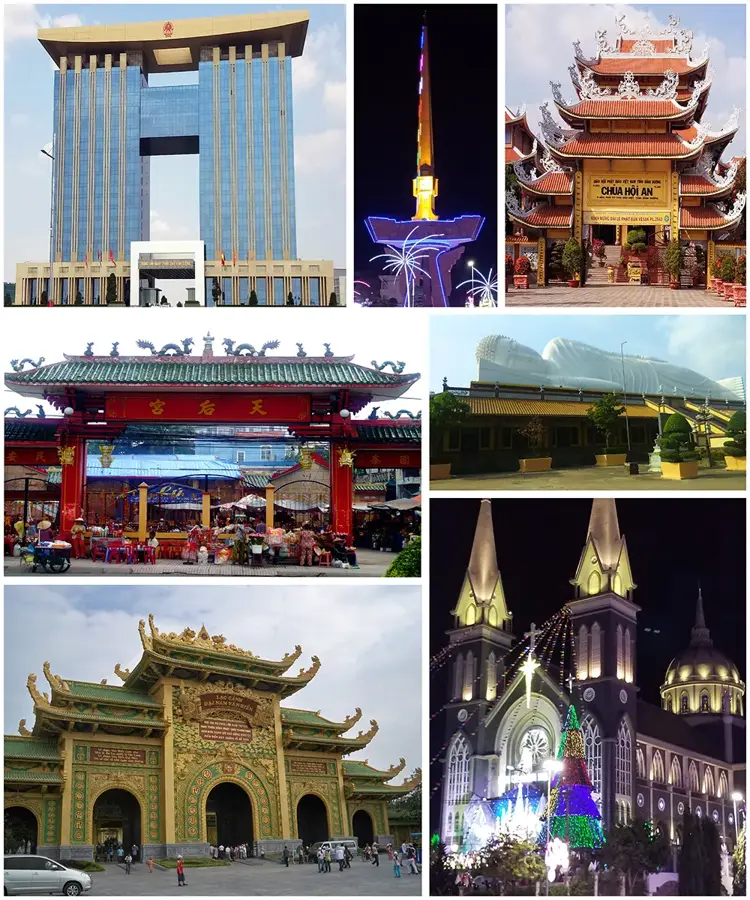
Tây Ninh is the capital of the eponymous province in southwestern Vietnam and serves as the spiritual heart of Caodaism, a unique indigenous religion. The centerpiece of the city is the magnificent Cao Dai Holy See, an architectural masterpiece that fuses elements of cathedrals, mosques, and pagodas, standing out with its animated color palette. Geographically, the city is dominated by the prominent Nui Ba Den (Black Virgin Mountain), which at 986 meters is the highest peak in southern Vietnam and is revered as a sacred site steeped in legend. The region is also a vital agricultural hub, particularly noted for its production of rubber, sugarcane, and cassava. During the Vietnam War, Tây Ninh was a strategically crucial location due to its proximity to the Cambodian border and served as a center for political movements. Today, the city attracts both pilgrims and tourists who come to witness the impressive religious ceremonies and explore the natural splendor of the mountain. Local cuisine is celebrated for its 'Trang Bang' rice paper and specialized chili salt, both prized throughout the country.
- Location: Vietnam
- Nearby: Vĩnh Long (37 km)
- Population: ~135.254 (2026)
Best time to visit & climate
The most pleasant time to visit is Jan, Feb, Dec.
| Jan | Feb | Mar | Apr | May | Jun | Jul | Aug | Sep | Oct | Nov | Dec | |
|---|---|---|---|---|---|---|---|---|---|---|---|---|
| Avg °C | 27 | 29 | 31 | 32 | 30 | 28 | 27 | 27 | 27 | 27 | 27 | 26 |
| Rain mm | 10 | 7 | 15 | 44 | 138 | 205 | 175 | 166 | 171 | 186 | 92 | 27 |
Geography
Facts
- The Cao Dai Holy See was constructed between 1933 and 1955.
- Nui Ba Den is the highest mountain in South Vietnam at 986 meters.
- The nearby Dau Tieng Reservoir is one of the largest in Vietnam.
- Tây Ninh was officially elevated to city status on December 29, 2013.
- Four major ceremonies are held daily at the Cao Dai Great Temple.
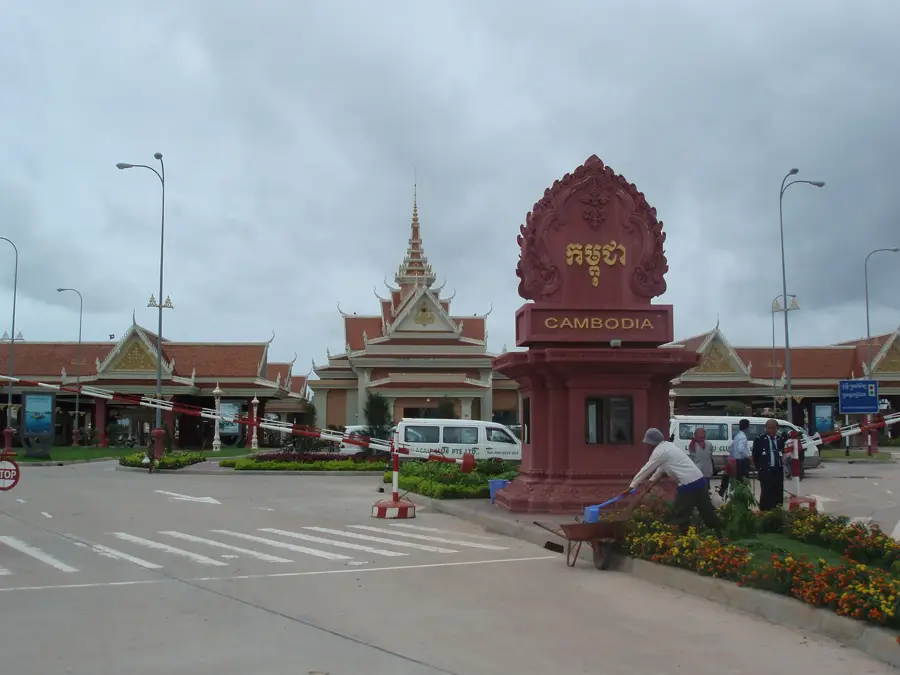
- The province shares a 240 km long border with Cambodia.
Explore nearby
Notable places around
Route planner — Car & Motorhome
Where do you start? We build the route here, with stops and country notes along the way.
© OpenStreetMap contributors · OpenRouteService
Frequently asked questions
What is the main attraction in Tây Ninh?
How is the Black Mountain (Núi Bà Đen)?
How far is Tây Ninh from Saigon?
What is the best time for a visit?
Is hiking on the mountain possible?
Tây Ninh: where is it located?
Tây Ninh: when is the best time to visit?
Tây Ninh: why is it worth visiting?

Nearby cities
History & landmarks
Nature
More places