Plizio Visual Lab
Navoiy
ℹ️Practical info — Navoiy
▾
🌤 Weather — 5 days
📍 Nearby
Sights nearby
💡 Tips
- Visit Alisher Navoi Park in the early evening when temperatures drop and the fountains are beautifully lit.
- Use local taxis for getting around; they are very affordable, but make sure to agree on the fare beforehand.
- Take a day trip to the Sarmishsay Gorge to see the impressive ancient petroglyphs carved into the rocks.
- Always wear sunscreen and a hat, as the city is located on the edge of the Kyzylkum Desert.
🍽 Food
Try the local version of the national rice dish at the large plov centers near the bazaar.
Look for grill restaurants on the outskirts for authentic lamb skewers cooked over open flames.
Buy fresh, warm flatbread directly from the traditional bakeries near the Dehkon Bazaar.
🛍 Shopping · 🧘 Quiet spots
The best place to buy fresh fruits, nuts, and a variety of local spices.
Look here for traditional Uzbek ceramics and handmade textiles.
A peaceful spot for a relaxed stroll along the water's edge.
Watch the sunset over the dunes just a short drive outside the city.
Water temperature…
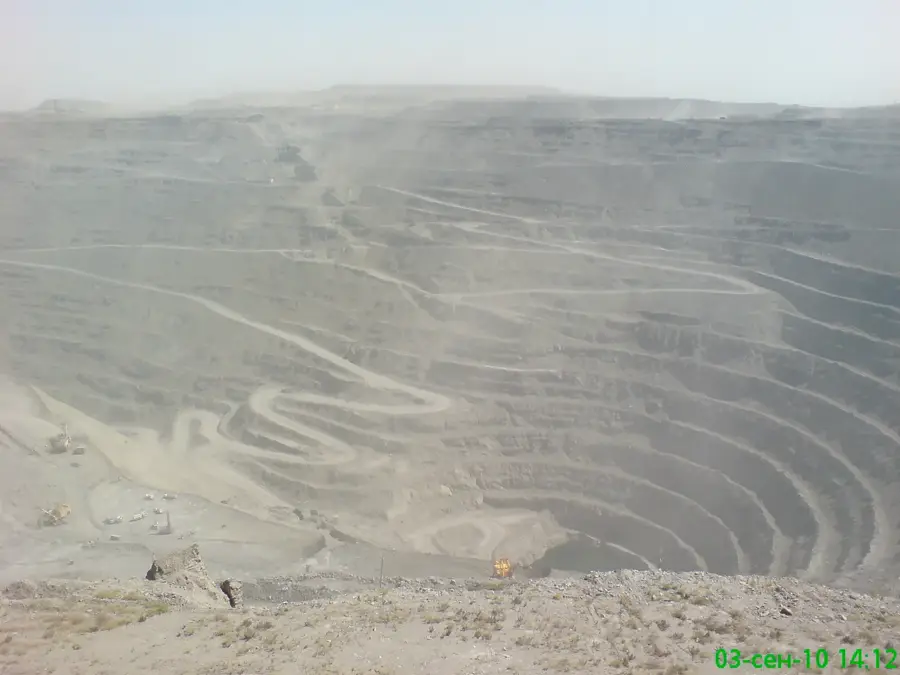
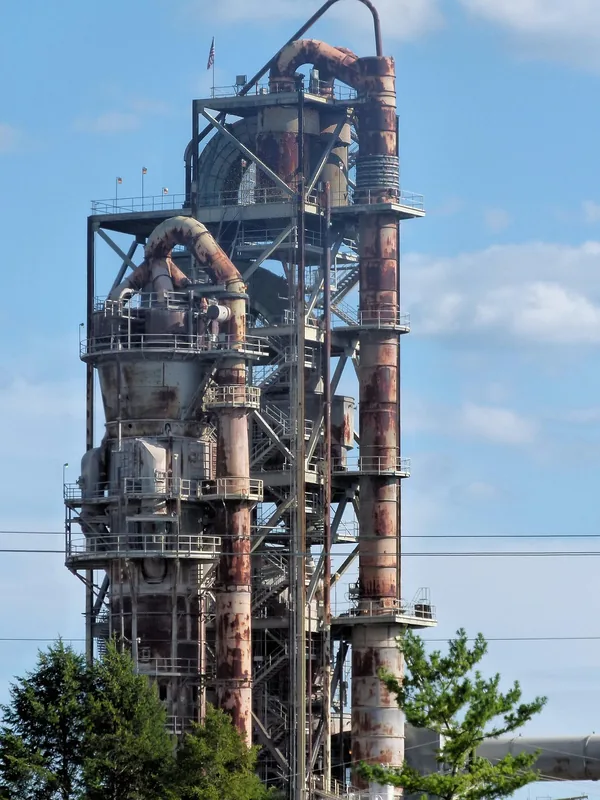
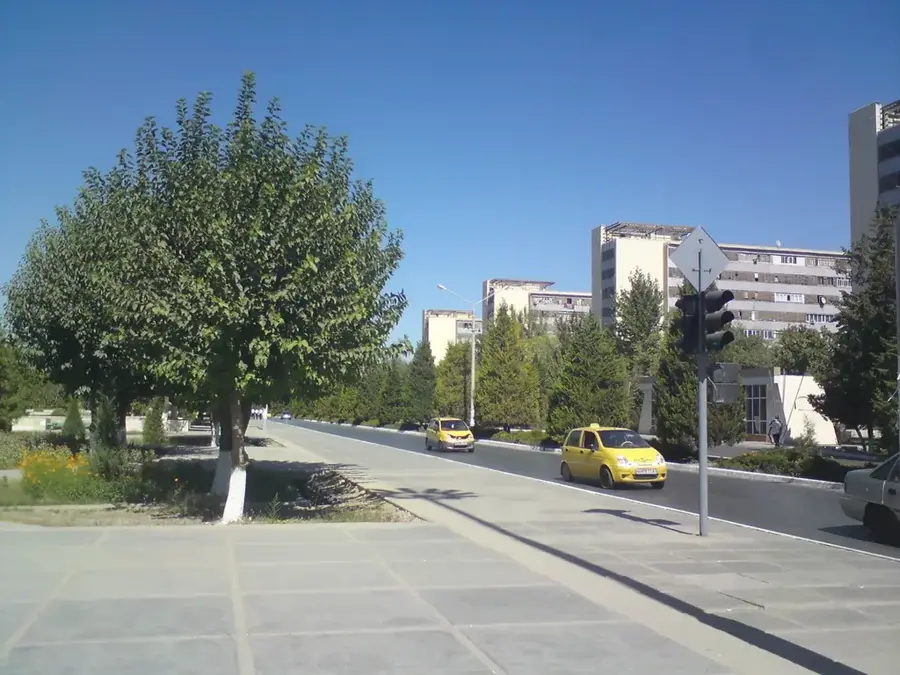
Navoiy was founded in 1958 as a planned Soviet industrial city on the edge of the Kyzylkum Desert and named after the Uzbek national poet Alisher Navoi. With around 145,000 inhabitants, it is one of the youngest large cities in Uzbekistan. Economically it is a heavyweight: the surrounding region holds the world's biggest open-pit gold mine at Muruntau, plus major uranium and natural-gas deposits. The Navoiy Mining and Metallurgical Combine is one of the largest employers in the country. Chemical, fertiliser, cement, and textile plants further dominate the cityscape. In recent years Navoiy Airport has been developed into a key cargo hub for Korean Air and other international logistics operators. Despite its young age, the city is home to several theatres and museums.
- Location: Uzbekistan
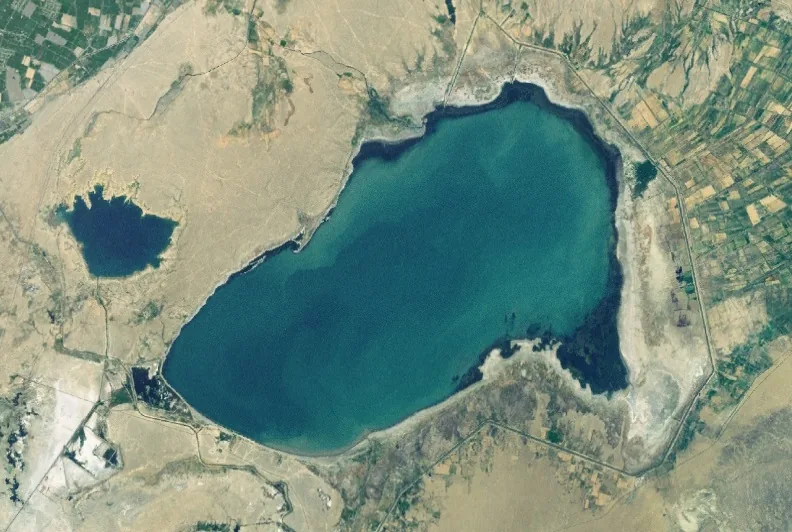
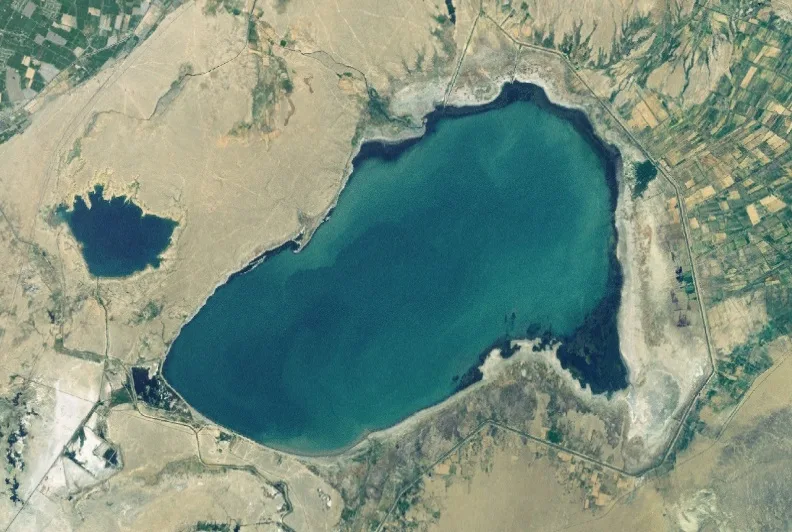
- Nearby: Tudakul Lake (60 km)
- Population: ~144.158 (2026)
Best time to visit & climate
The most pleasant time to visit is May, Sep, Oct.
| Jan | Feb | Mar | Apr | May | Jun | Jul | Aug | Sep | Oct | Nov | Dec | |
|---|---|---|---|---|---|---|---|---|---|---|---|---|
| Avg °C | 1 | 3 | 9 | 16 | 23 | 29 | 30 | 29 | 23 | 15 | 7 | 2 |
| Rain mm | 26 | 38 | 40 | 37 | 17 | 4 | 1 | 1 | 1 | 8 | 24 | 21 |
Geography
Facts
- Navoiy was formally established on September 1, 1958.
- The Muruntau gold mine is one of the top producers globally.
- The Navoi Free Industrial Economic Zone (FIEZ) was created in 2008.
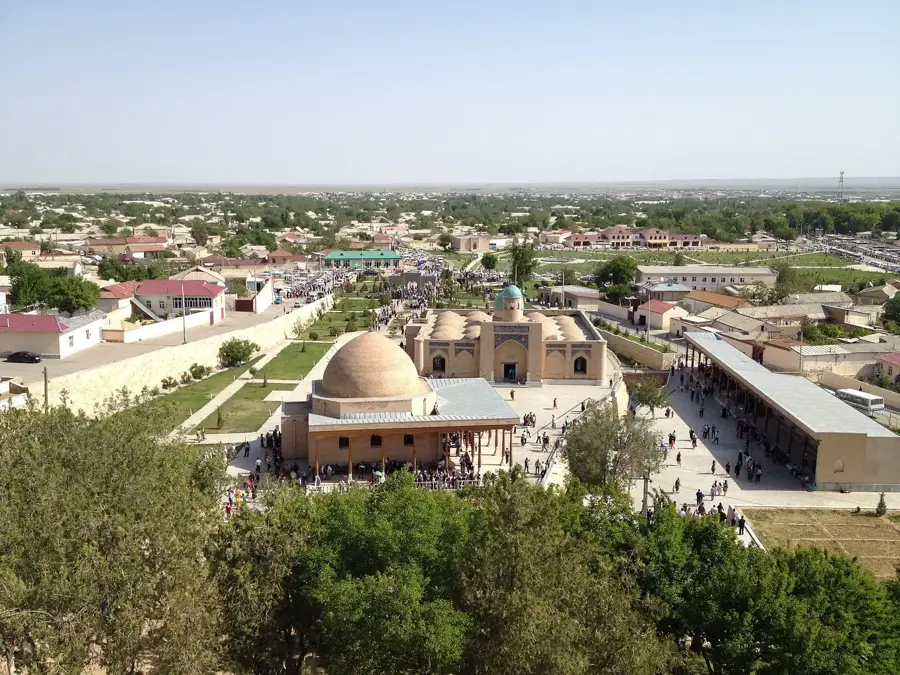
- Nearby Rabati Malik is a 11th-century caravanserai on the Silk Road.
- The city was built from scratch as a socialist model of urban planning.
- Navoiy is a key stop for the high-speed Afrosiyob train service.
Explore nearby
Notable places around

Route planner — Car & Motorhome
Where do you start? We build the route here, with stops and country notes along the way.
© OpenStreetMap contributors · OpenRouteService
Frequently asked questions
What is the economic status of Navoi?
Is Navoi interesting for tourists?
Are there attractions nearby?
How is the infrastructure?
Is it family-friendly?
Navoiy: where is it located?
Navoiy: when is the best time to visit?
Navoiy: why is it worth visiting?
Nearby cities
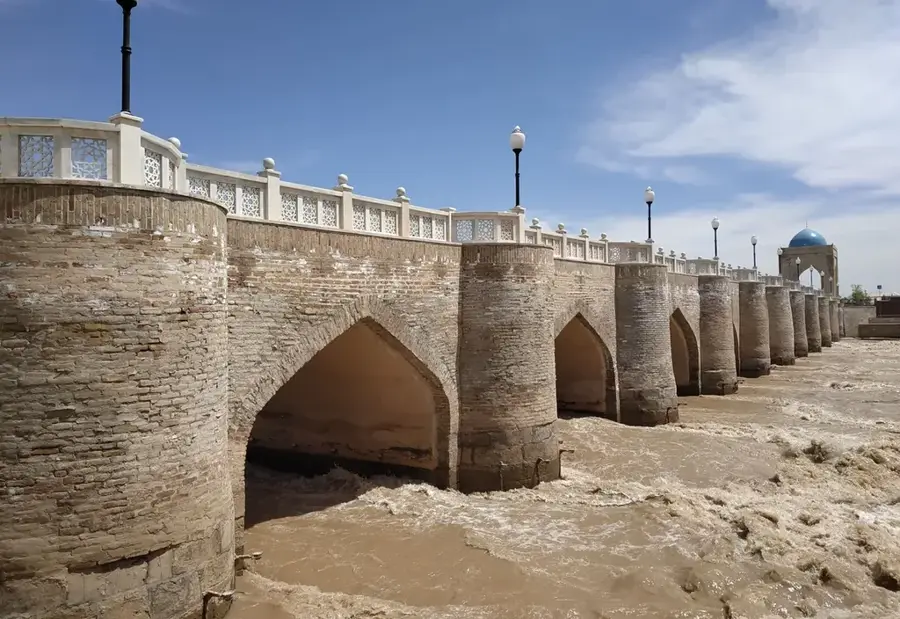
History & landmarks
Nature
More places