Plizio Visual Lab
Isla de Lobos Island
Weather…
Water temperature…
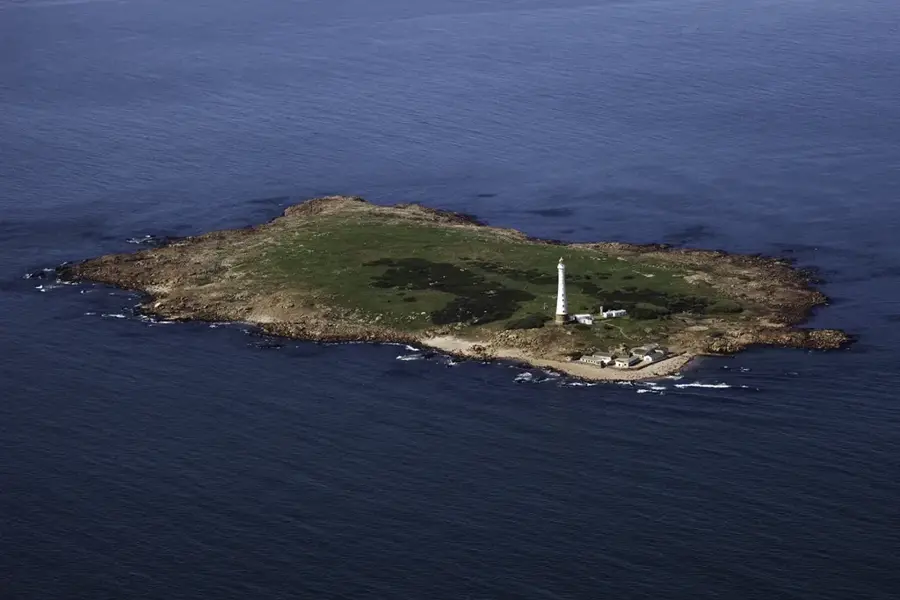
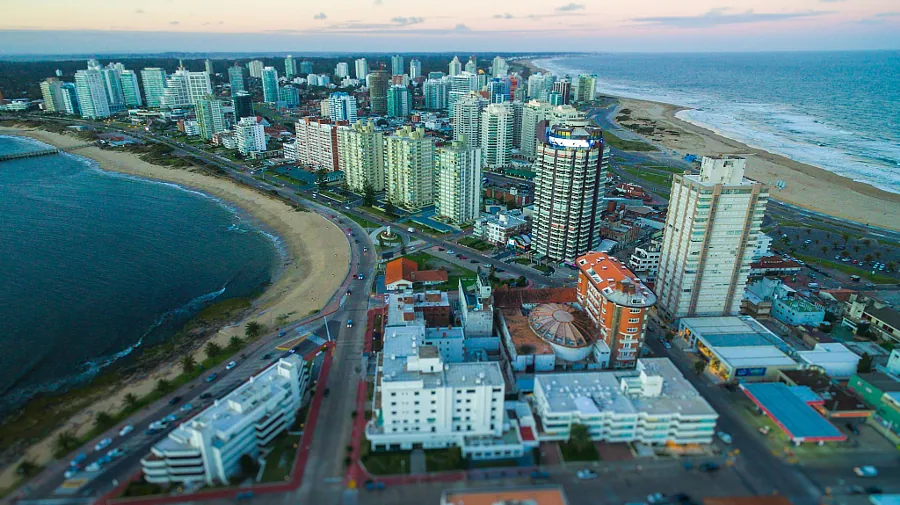
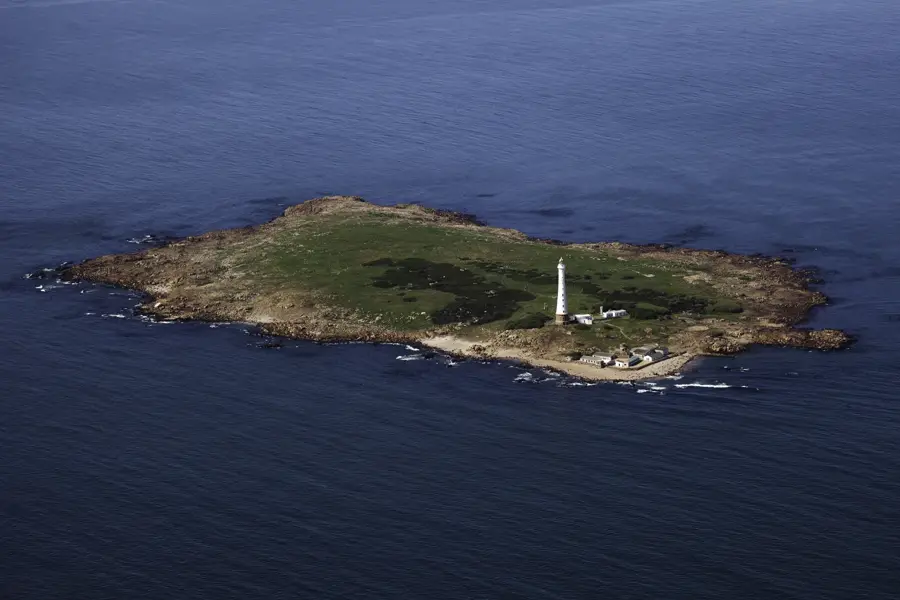
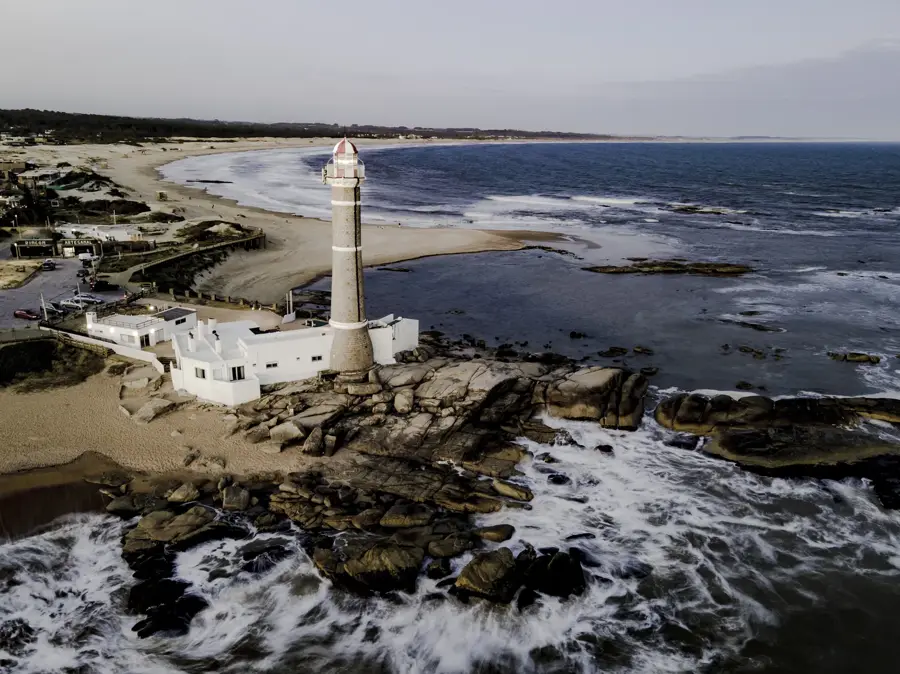
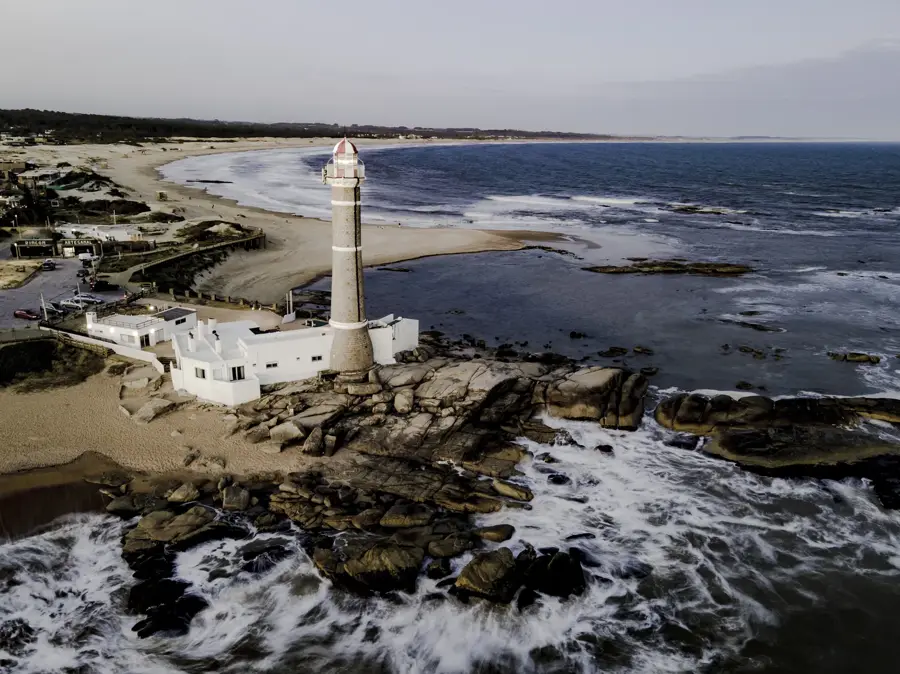
Isla de Lobos, located just 8 kilometers off the coast of Punta del Este, is a nature reserve that is home to the largest colony of South American sea lions (Otaria flavescens) in the Western Hemisphere. The island is a rocky outcrop that has been part of a broader nature reserve since 1992. Population estimates suggest over 250,000 sea lions and a smaller population of South American fur seals reside here. A prominent feature of the island is its lighthouse, completed in 1958. Standing at 59 meters, it is one of the tallest in South America and provides a crucial navigational aid. The island has a long history of controlled seal harvesting, which began in the 16th century and ended in 1991. Today, it is a protected area accessible for ecotourism, with visitors able to take boat tours around the island to observe the wildlife, though landing is strictly regulated to minimize disturbance.
- Location: Uruguay
- Nearby: Punta del Este (9 km)
Best time to visit & climate
The most pleasant time to visit is Jan, Mar, Dec.
| Jan | Feb | Mar | Apr | May | Jun | Jul | Aug | Sep | Oct | Nov | Dec | |
|---|---|---|---|---|---|---|---|---|---|---|---|---|
| Avg °C | 22 | 22 | 21 | 18 | 15 | 12 | 11 | 12 | 13 | 15 | 18 | 20 |
| Rain mm | 97 | 118 | 117 | 110 | 91 | 104 | 96 | 100 | 98 | 103 | 93 | 86 |
📋 Practical info
Geography
Facts
- Hosts the largest colony of South American sea lions in the Western Hemisphere.
- The estimated population exceeds 250,000 sea lions.
- The lighthouse stands at 59 meters tall, completed in 1958.
- It is located 8 kilometers off the coast of Punta del Este.
- Seal harvesting on the island ended in 1991.
- The island has been a nature reserve since 1992.
Explore nearby
Notable places around
Route planner — Car & Motorhome
Where do you start? We build the route here, with stops and country notes along the way.
© OpenStreetMap contributors · OpenRouteService
Sights in the town Isla de Lobos Island (1)
Sights nearby
Frequently asked questions
Can I visit Isla de Lobos?
Why is it called the Island of Wolves?
What can you see on the island?
Is the island noisy?
Do I need a permit?
Isla de Lobos Island: where is it located?
Isla de Lobos Island: when is the best time to visit?
Isla de Lobos Island: why is it worth visiting?
Nearby cities
History & landmarks
Nature
More places