Plizio Visual Lab
Montes del Plata Pulp Mill
Weather…
Water temperature…
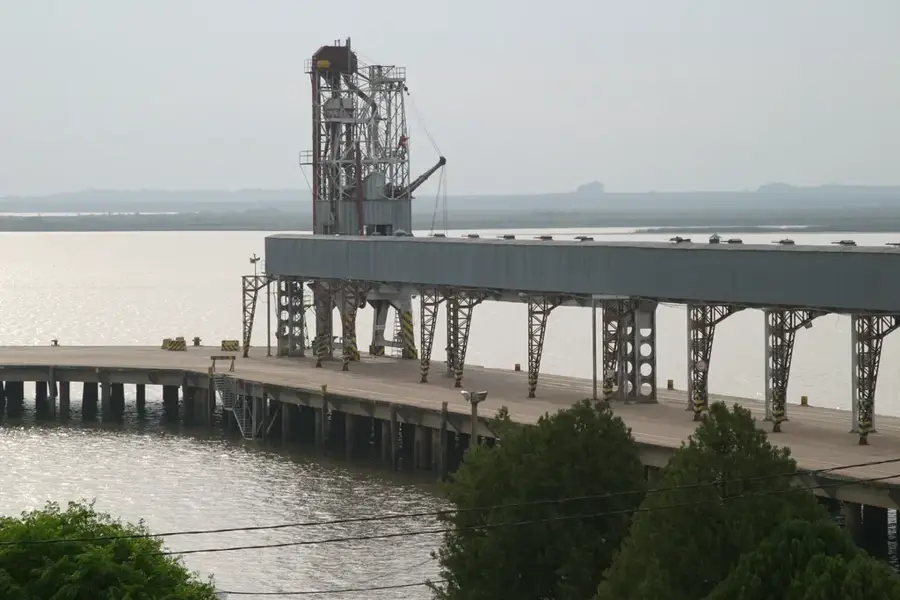
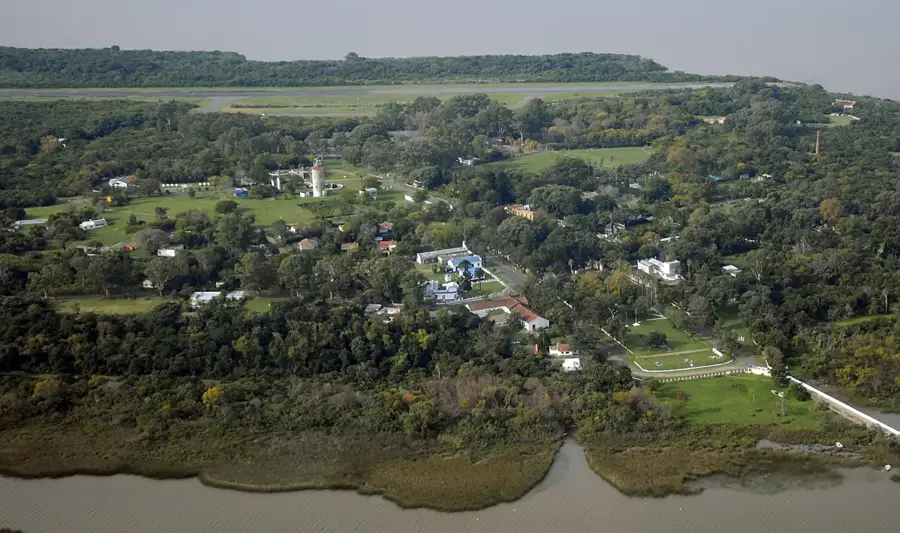
The Montes del Plata pulp mill is a major industrial facility located in Punta Pereira, in the Colonia Department of Uruguay. It is a joint venture between the Swedish-Finnish company Stora Enso and the Chilean company Arauco. Representing an investment of over US$2 billion, it is one of the largest private investments in the country's history. The mill began operations in 2014 and has an annual production capacity of 1.4 million tonnes of bleached eucalyptus kraft pulp (BEKP). The facility was designed using Best Available Techniques (BAT) to ensure high environmental standards. It features its own deep-water port terminal, allowing for the direct export of pulp onto ocean-going vessels and reducing logistics costs. Like other pulp mills in the country, Montes del Plata is energy self-sufficient, generating a significant surplus of renewable energy from biomass that is fed into the national electricity grid. The project also includes sustainable forestry plantations that supply the mill with its raw material.
- Location: Uruguay
- Nearby: Carmelo (26 km)
Best time to visit & climate
The most pleasant time to visit is Mar, Nov, Dec.
| Jan | Feb | Mar | Apr | May | Jun | Jul | Aug | Sep | Oct | Nov | Dec | |
|---|---|---|---|---|---|---|---|---|---|---|---|---|
| Avg °C | 25 | 24 | 21 | 18 | 14 | 11 | 10 | 12 | 14 | 17 | 20 | 23 |
| Rain mm | 118 | 127 | 129 | 104 | 76 | 54 | 67 | 72 | 86 | 118 | 103 | 106 |
📋 Practical info
Geography
Facts
- Commercial production began in June 2014.
- A joint venture between Stora Enso (50%) and Arauco (50%).
- The total investment was over US$2.3 billion.
- Annual production capacity: 1.4 million tonnes of pulp.
- Generates approximately 180 MW of renewable energy.
- Located in Punta Pereira, in the Colonia Department.
Explore nearby
Notable places around
Route planner — Car & Motorhome
Where do you start? We build the route here, with stops and country notes along the way.
© OpenStreetMap contributors · OpenRouteService
Sights nearby
Frequently asked questions
What is Montes del Plata?
Is the plant public?
Why is it known?
When is a good time for a visit?
What does it produce?
Montes del Plata Pulp Mill: where is it located?
Montes del Plata Pulp Mill: when is the best time to visit?
Montes del Plata Pulp Mill: why is it worth visiting?
Nearby cities
History & landmarks
More places