Plizio Visual Lab

Juan Lacaze

Plizio editorial teamData Sources
City
—°3
Juan Lacaze (Uruguay)
ℹ️

Practical info — Juan Lacaze

🌤 Weather — 5 days

📍 Nearby

Sights nearby

💡 Tips

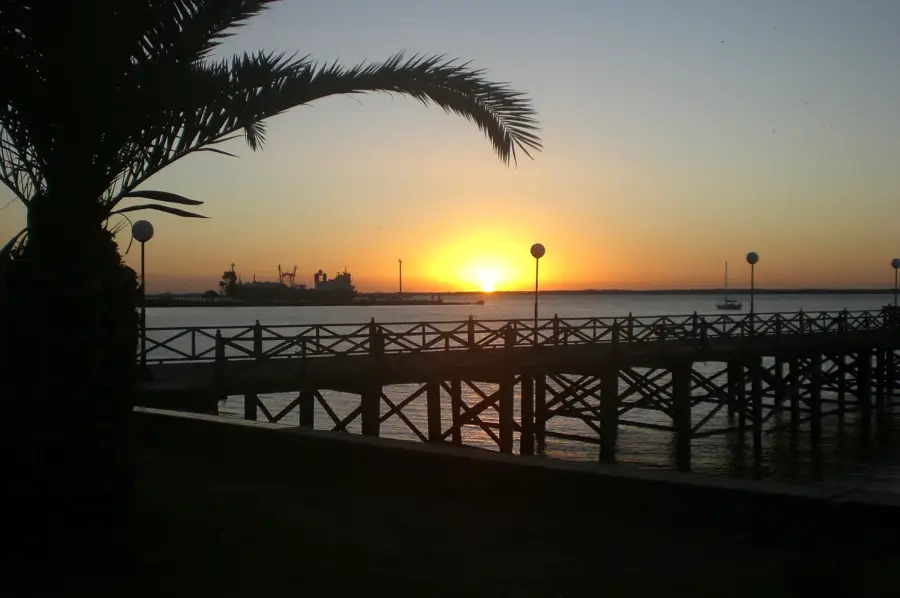
  • Known locally as "Puerto Sauce", it's an industrial port city, so the waterfront has a working-class charm.
  • Bus connections to Colonia del Sacramento are reliable but check the timetable as they don't run late.
  • Locals drink mate everywhere; bringing your own thermos and mate cup will help you blend in.
  • Most shops close during the afternoon siesta time (around 1 PM to 4 PM).
  • The wind from the Rio de la Plata can be chilly, so bring a light jacket even in summer.

🍽 Food

🍽
Chivito (Uruguayan steak sandwich)

Local pizzerias or rotiserías near the center

🍽
Asado (barbecue)

Traditional parrillas operating on weekends

🍽
Bizcochos (pastries)

From local bakeries (panaderías) for a morning snack

🛍 Shopping · 🧘 Quiet spots

🛍
Alfajores and Dulce de Leche

Available in any local minimarket

🛍
Artisanal crafts

Occasionally sold by locals near the central plaza or port area

🧘
Rambla of Juan Lacaze

Walk along the riverfront watching the boats

🧘
Playa Verde

A quiet sandy spot by the river for an afternoon mate session

🧘
Parque Industrial area

Interesting quiet strolls observing the old industrial architecture

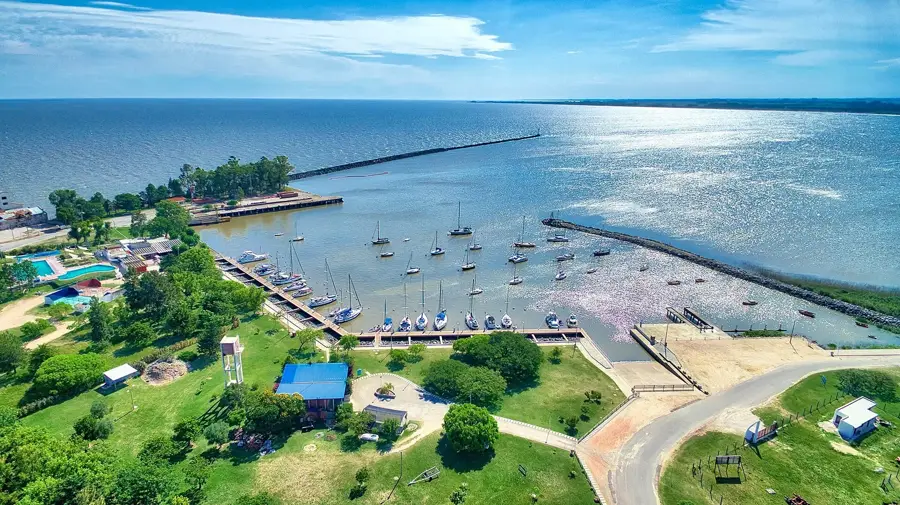
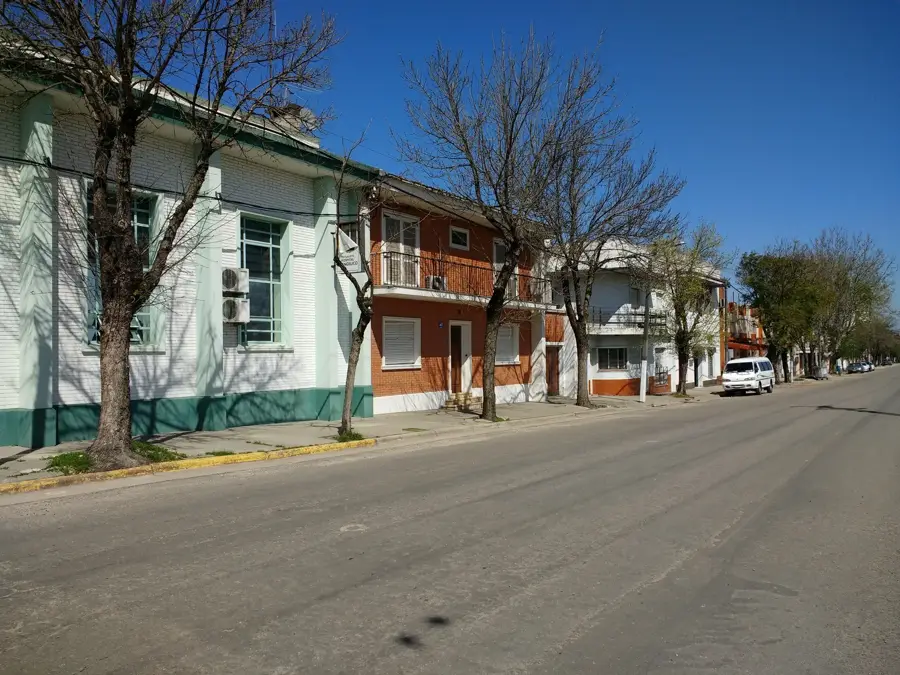
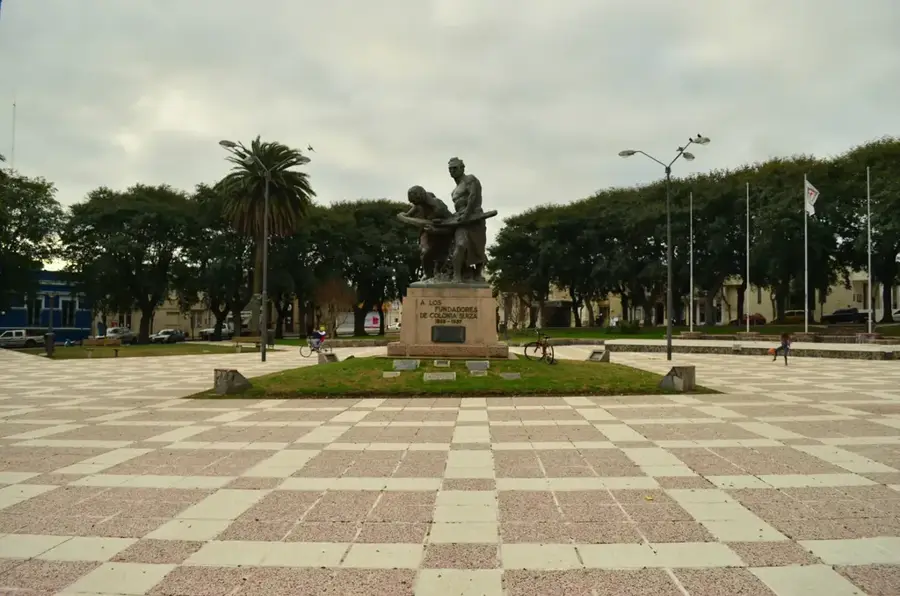
Juan Lacaze is a port and industrial city in the Colonia Department, located on the banks of the Río de la Plata. Its development is inextricably linked to Uruguay's industrialization in the late 19th and early 20th centuries. The city grew around two major factories: a paper mill (FANAPEL), founded in 1898, and a textile factory (Campomar & Soulas), which began operations in 1905. These industries were the main employers for decades, shaping the city's social and economic structure. The port of Juan Lacaze was crucial for transporting raw materials and finished products, connecting the city to Montevideo and Buenos Aires. The city's name honors Juan Lacaze, a businessman who played a key role in the establishment of the paper mill. In recent decades, the city has faced significant economic challenges due to the closure of its major factories, leading to social problems and emigration. Despite these difficulties, Juan Lacaze maintains a strong community spirit and a rich working-class history. The city is also known for its beaches, such as Playa Verde and Playa Cemento, used by locals, and for its role as a ferry port that at times connected Colonia and Buenos Aires.

Best time to visit & climate

The most pleasant time to visit is Mar, Nov, Dec.

JanFebMarAprMayJunJulAugSepOctNovDec
Avg °C242422181512111214172023
Rain mm1001121219882758185901099791

Geography

Population
12,816 (2021)
Coordinates
-34.43330, -57.43330

Facts

  • The settlement was officially declared a town (Pueblo) on May 15, 1909.
  • It was elevated to city (Ciudad) status on May 17, 1953.
  • Its population as of 2011 was 12,816 inhabitants.
  • The FANAPEL paper mill, founded in 1898, was a cornerstone of the economy.
  • The Campomar & Soulas textile factory was founded in 1905.
  • The city's port was historically important for industry and ferry transport.

Explore nearby

Notable places around

Route planner — Car & Motorhome

Where do you start? We build the route here, with stops and country notes along the way.

Vehicle
Only stops with (optional):

© OpenStreetMap contributors · OpenRouteService

Sights in the town Juan Lacaze (3)

Playa Verde🎡 recreation

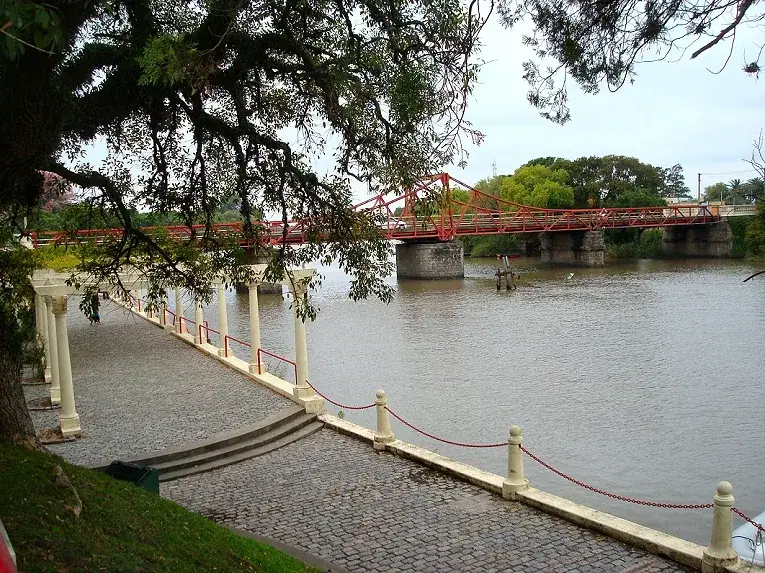
Situated in the town of Juan Lacaze, Playa Verde presents a simple yet inviting coastal stretch. The mood here is typically calm, offering a genuine slice of everyday life in Uruguay. Long walks by the water and peaceful sunbathing are the primary activities for anyone stopping by. Visiting during a sunny morning provides the most tranquil experience.

Playa urbana Charrúa🎡 recreation

Bordering the urban landscape of Juan Lacaze, this city beach seamlessly integrates coastal life with town activities. It vibrates with a lively, community-focused energy that draws families and local residents. Expect a mix of casual waterfront walks and opportunities to unwind near the gently lapping waves. It is highly convenient to reach, making it well-suited for a quick afternoon break.

Playa agreste De los Piamonteses🎡 recreation

Found in Juan Lacaze, this unspoiled, natural beach showcases the raw beauty of the local coastal environment. A profound sense of quiet pervades the area, well-suited for those seeking an escape from bustling city life. Visitors will discover a pristine setting for contemplative walks and undisturbed sunbathing amidst nature. Wearing comfortable shoes is advisable for exploring this rustic stretch of shoreline.

Frequently asked questions

What distinguishes Juan Lacaze?
It is a historic industrial town with a strong local identity.
Are there tourist attractions?
The focus is more on industrial history and harbor life.
What is the best season to visit?
Spring and autumn are the most pleasant climate-wise.
Are there dining options?
Yes, there are simple local restaurants with traditional cuisine.
How safe is Juan Lacaze for tourists?
The city is safe, but one should exercise general caution.
Juan Lacaze: where is it located?
Juan Lacaze is located in Uruguay.
Juan Lacaze: what is there to see?
Highlights include Playa Verde, Playa urbana Charrúa, Playa agreste De los Piamonteses.
Juan Lacaze: when is the best time to visit?
The most pleasant time to visit is Mar, Nov, Dec.
Juan Lacaze: why is it worth visiting?
Juan Lacaze is a port and industrial city in the Colonia Department, located on the banks of the Río de la Plata.
View on map → The Top 50 Attractions → OpenStreetMap →
South America
Explore with Plizio Discover more places in South America
More places in Uruguay →

Nearby cities

History & landmarks

More places