Plizio Visual Lab
Falaj Al Mualla
ℹ️Practical info — Falaj Al Mualla
▾
🌤 Weather — 5 days
📍 Nearby
Sights nearby
💡 Tips
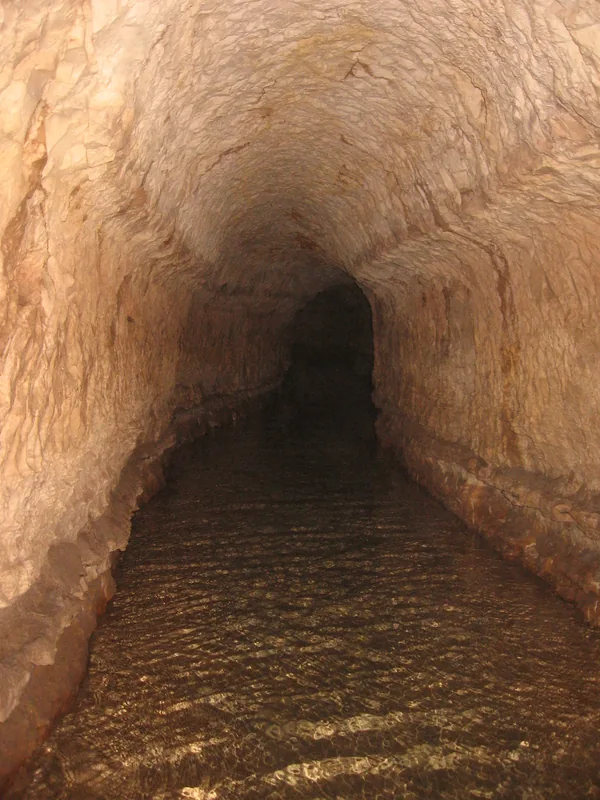
- Discover the historical irrigation channels (Falaj) that gave the region its name and still supply the date palms with water.
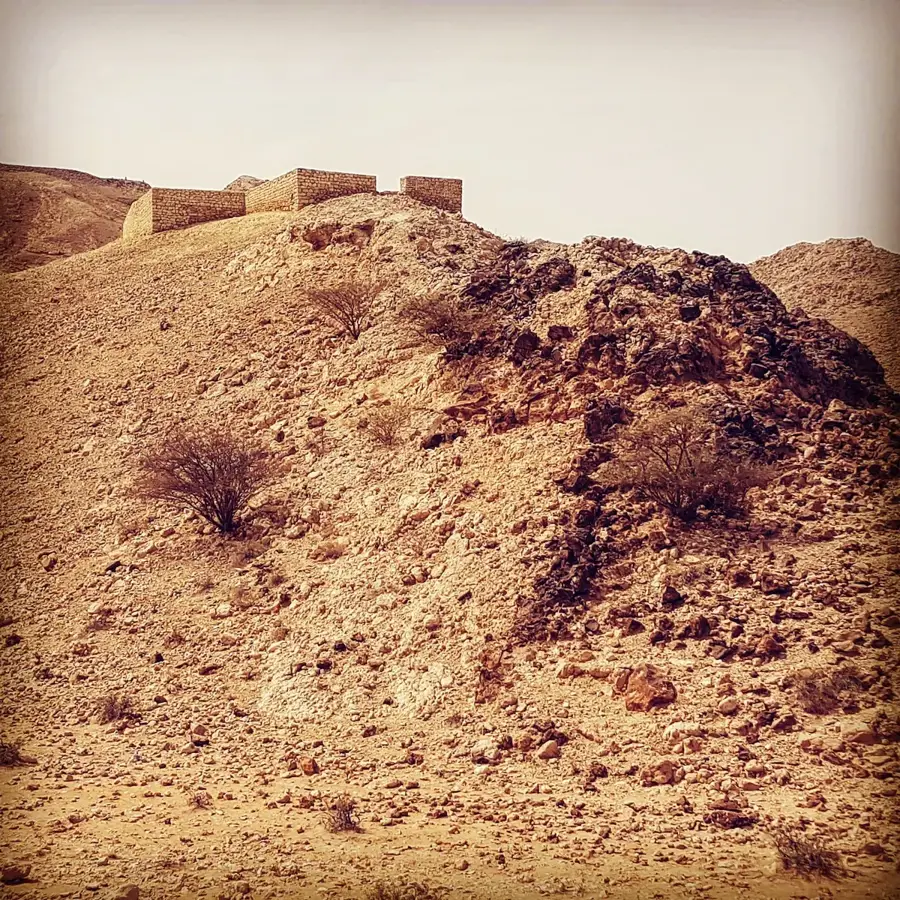
- Visit the Falaj Al Mualla Fort in the morning when the light best highlights the sand-colored walls.
- The area is very quiet; don't expect large shopping malls, but rather enjoy the charm of authentic small shops.
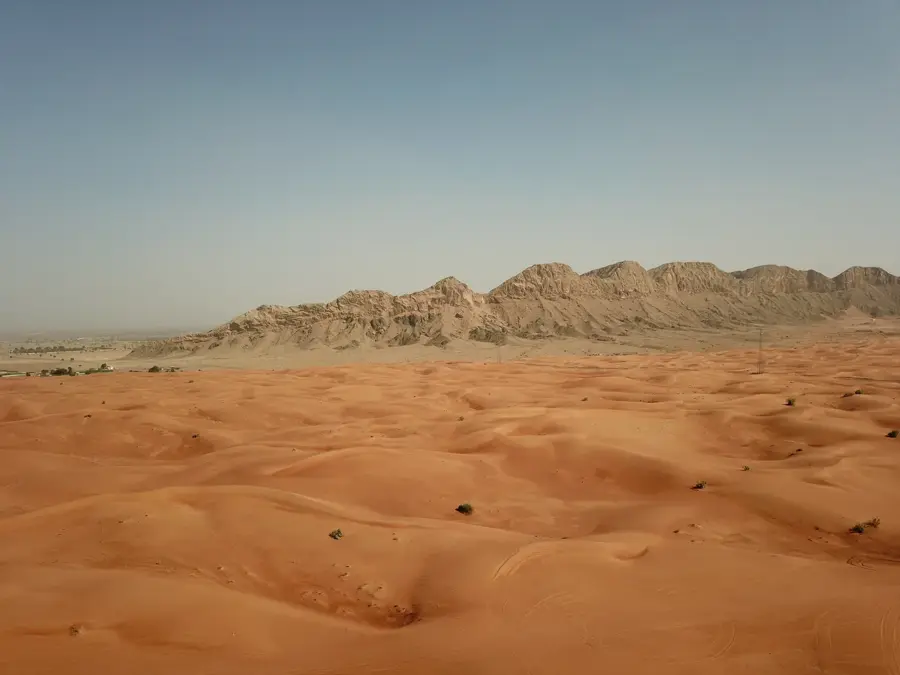
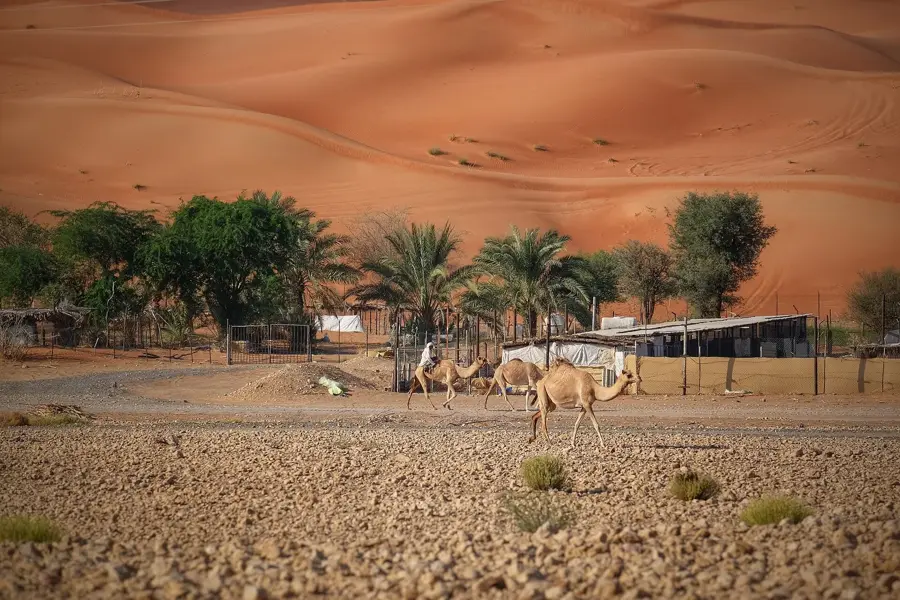
- Watch out for roaming camels, especially when driving on the access roads through the dunes.
🍽 Food
A traditional Emirati stew with meat and vegetables, handy for an authentic lunch in the local restaurants.
Buy freshly harvested dates as a sweet snack directly from the farmers in the small shops of the oasis.
Enjoy this spicy milk tea at the small street kiosks while you take in the quiet atmosphere of the place.
🛍 Shopping · 🧘 Quiet spots
Here you can discover agricultural products from the immediate vicinity and often local handicrafts.
Buy freshly baked, warm flatbread straight from the oven at one of the small village bakeries.
A walk along the old channels under palm trees provides a wonderful escape from everyday life.
Sit in the shade of the historic walls and enjoy the absolute tranquility of the complex.
Water temperature…
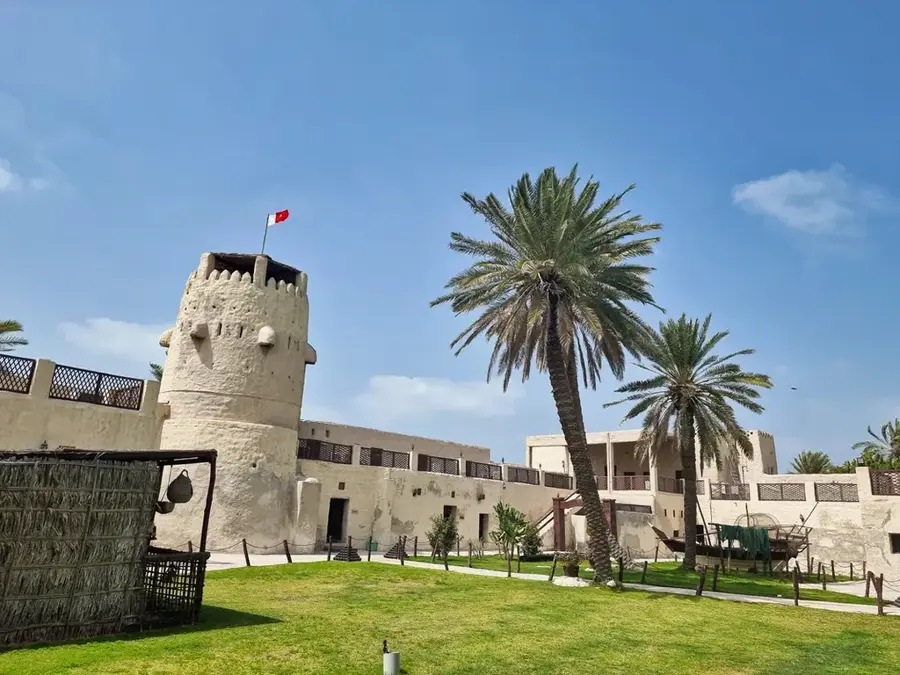
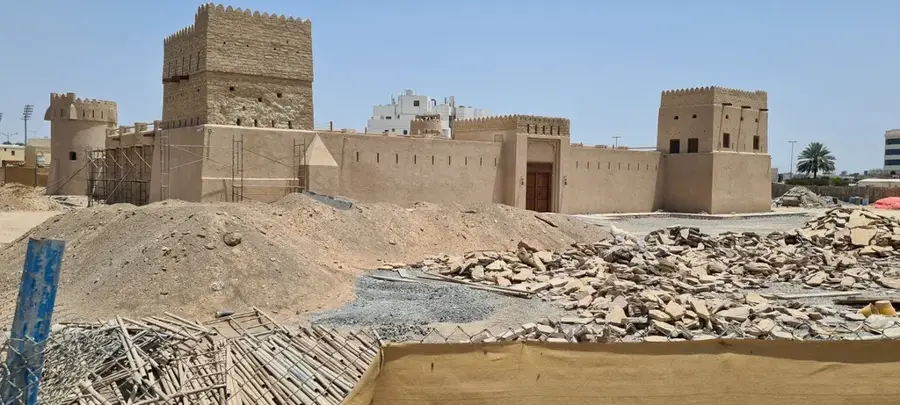
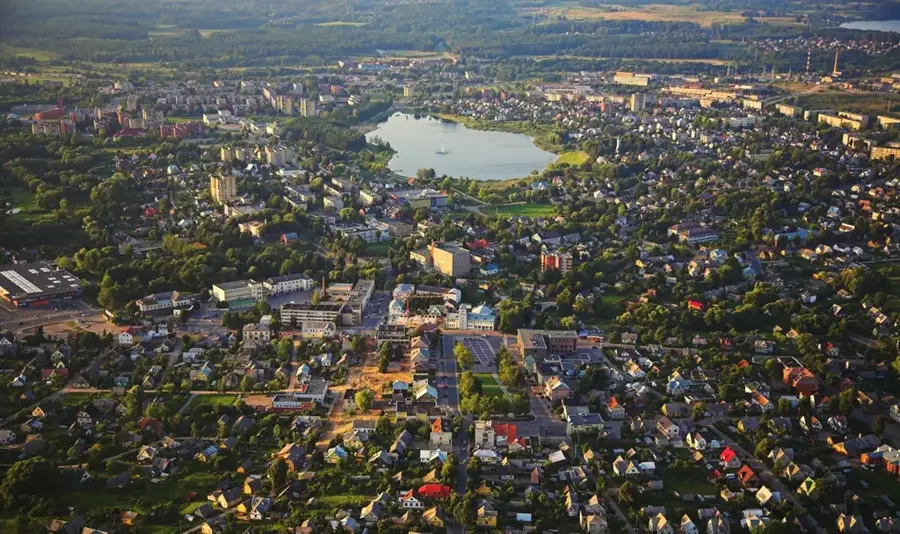
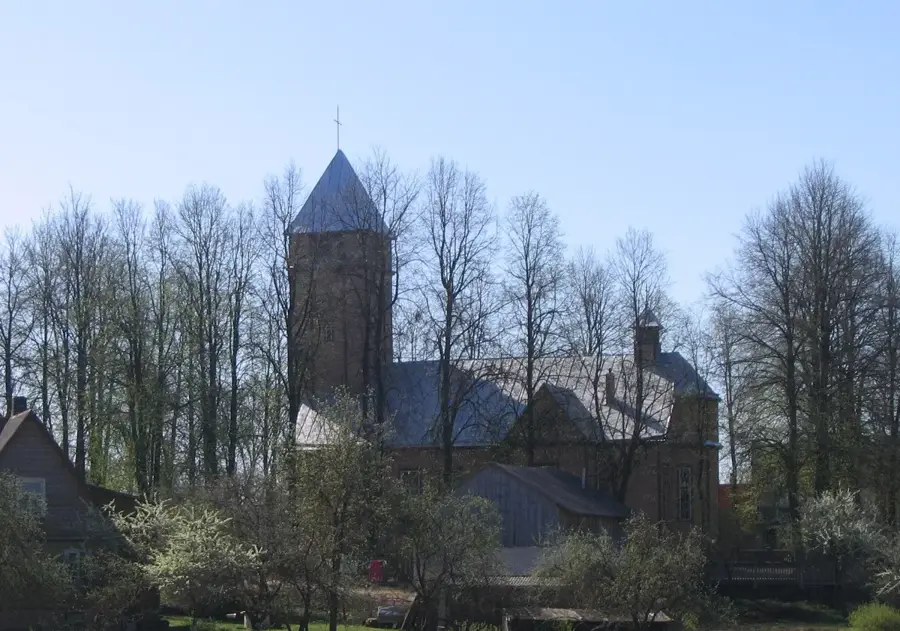
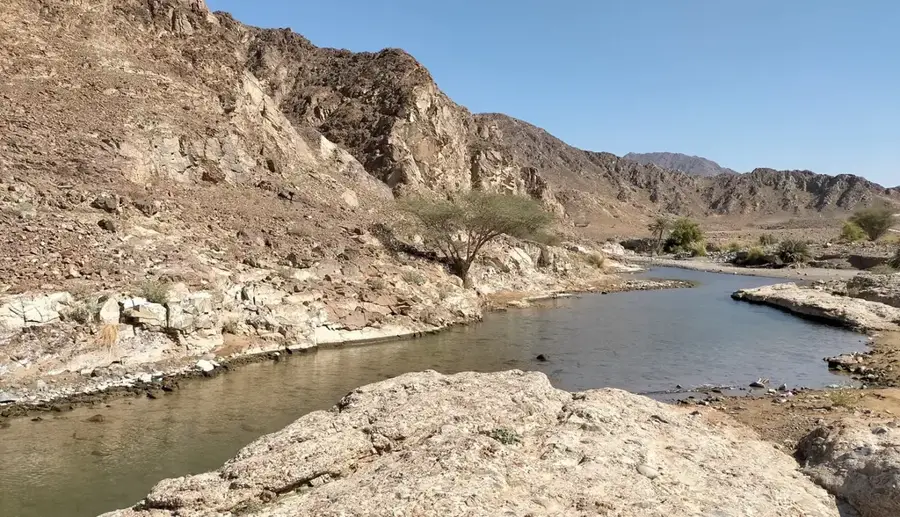
Falaj Al Mualla is a significant inland oasis town in the Emirate of Umm Al Quwain, situated within the fertile Wadi Al Batha valley. The settlement derives its name from the ancient falaj irrigation system, which has for centuries channeled water from the mountains to the desert to sustain extensive date palm groves and agricultural plots. The town's historical centerpiece is the Al Mualla Fort, constructed in 1825 during the reign of Sheikh Abdullah bin Rashid Al Mualla to defend the inland territory. Today, this restored fortification serves as a museum, displaying Bronze Age artifacts and ethnographic exhibits detailing traditional Emirati life. Historically, its strategic location on the route between the coast and the Hajar Mountains made it a vital stop for caravans and traders. The area remains a cornerstone of the emirate's agriculture, utilizing both traditional methods and modern farming techniques to produce vegetables and fodder in a desert environment.
- Location: United Arab Emirates
- Nearby: Al Dhaid (16 km)
Best time to visit & climate
The most pleasant time to visit is Jan, Feb, Dec.
| Jan | Feb | Mar | Apr | May | Jun | Jul | Aug | Sep | Oct | Nov | Dec | |
|---|---|---|---|---|---|---|---|---|---|---|---|---|
| Avg °C | 20 | 21 | 24 | 28 | 32 | 34 | 36 | 36 | 34 | 31 | 26 | 22 |
| Rain mm | 23 | 10 | 16 | 6 | 1 | 2 | 1 | 1 | 1 | 2 | 8 | 14 |
Geography
Facts
- The settlement was established as a key oasis in the early 19th century.
- The central Al Mualla Fort was completed in 1825.
- Located approximately 30 kilometers inland from Umm Al Quwain city.
- Features three historic watchtowers built to guard the oasis.
- The falaj system relies on gravity to distribute mountain water.
- The area contains significant archaeological sites from the Bronze Age.
Explore nearby
Notable places around

Route planner — Car & Motorhome
Where do you start? We build the route here, with stops and country notes along the way.
© OpenStreetMap contributors · OpenRouteService
Frequently asked questions
What is Falaj al-Mualla?
Important for tourists?
What can I see?
How to get there?
Best time?
Falaj Al Mualla: where is it located?
Falaj Al Mualla: when is the best time to visit?
Falaj Al Mualla: why is it worth visiting?

Nearby cities
History & landmarks
Nature
More places