Plizio Visual Lab
Jebel Faya
Weather…
Water temperature…
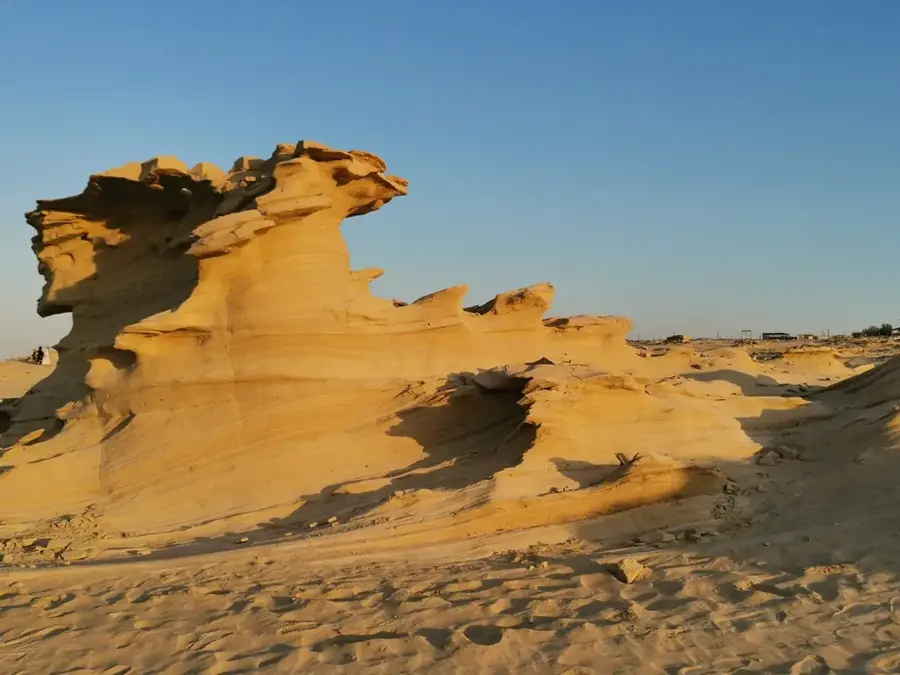
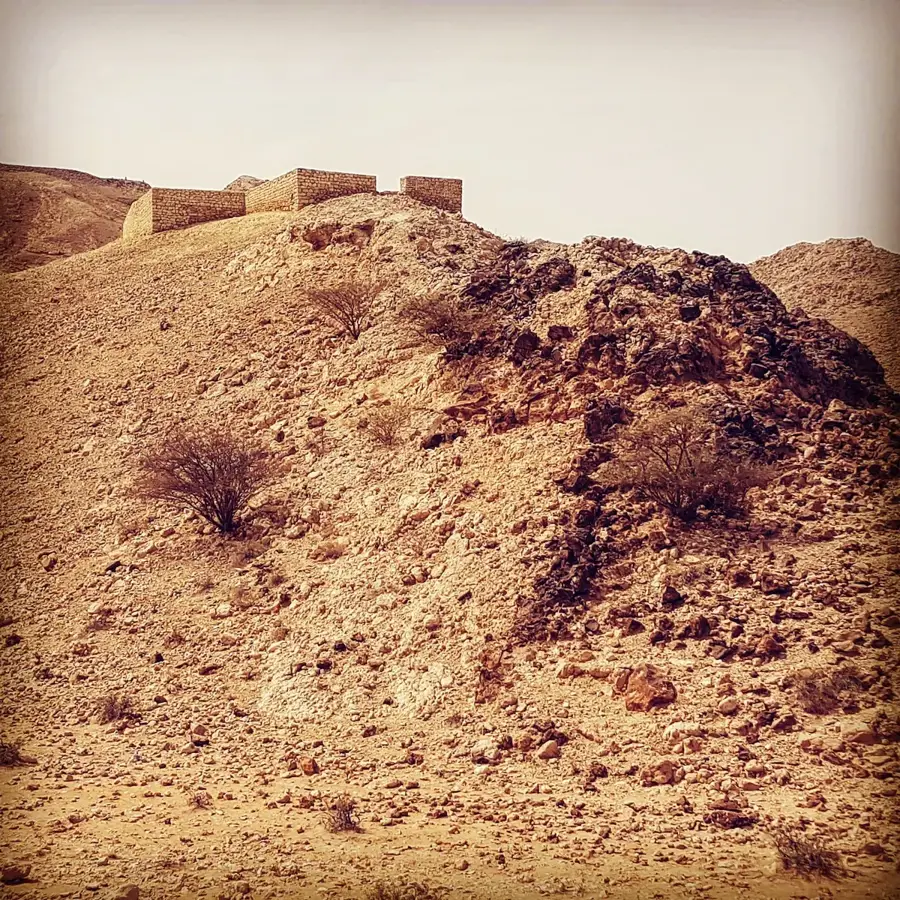
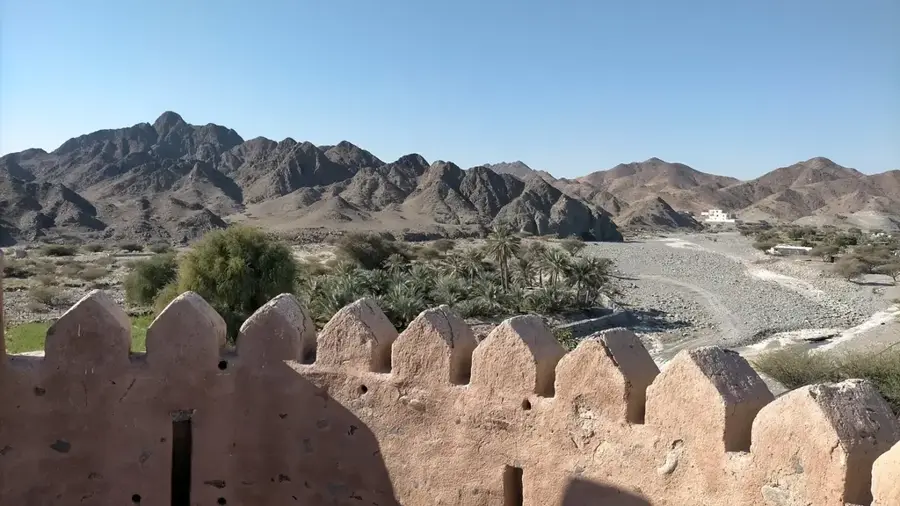
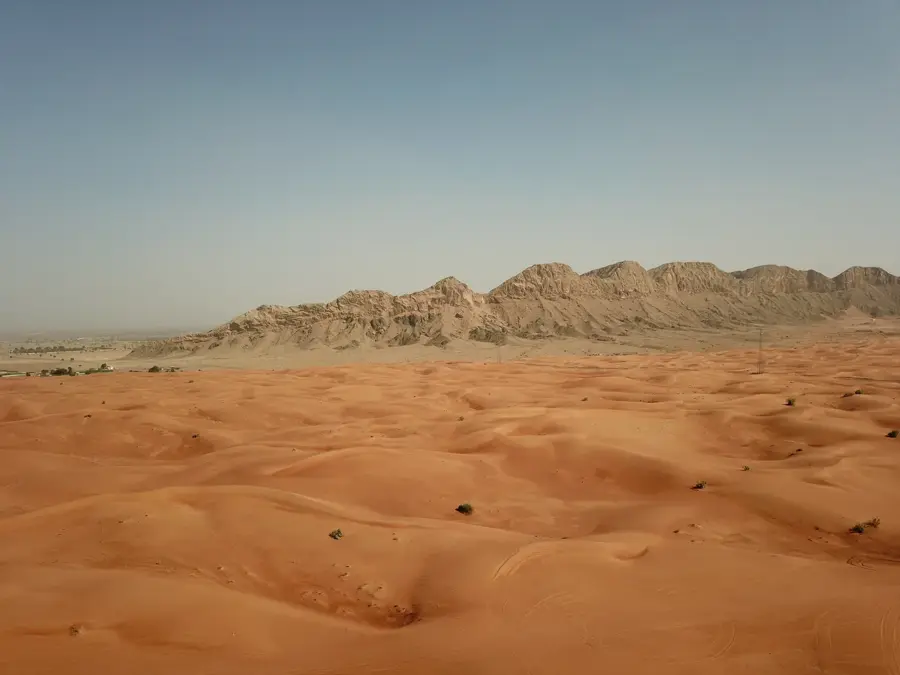
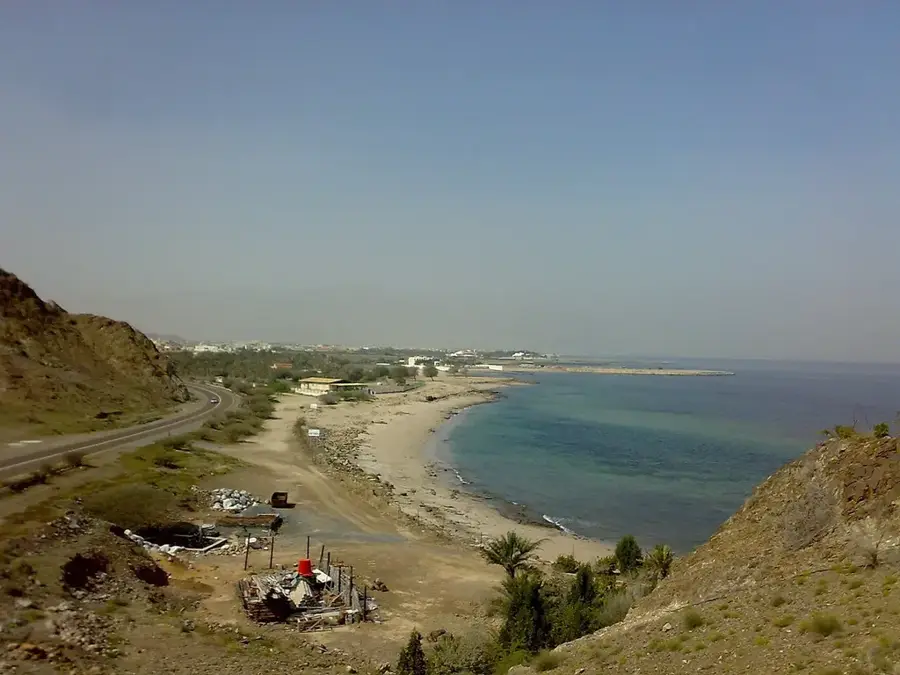
Jebel Faya is a prominent limestone formation in the Emirate of Sharjah, renowned as one of the most significant Paleolithic archaeological sites in the world. Excavations at the site have uncovered stone tools and artifacts that provide evidence of modern humans migrating out of Africa and across the Arabian Peninsula as early as 125,000 years ago. These discoveries fundamentally reshaped the understanding of human migration history, suggesting that the route across the Red Sea was taken much earlier than previously hypothesized. Geologically, the mountain is part of the Hajar mountain range, offering a rugged and striking landscape of sharp cliffs and desert plains. The surrounding area also contains burial sites from the Bronze and Iron Ages, confirming the continuous human presence in this strategically important region over millennia. Today, Jebel Faya is a popular destination for historians, hikers, and off-road adventurers looking to connect with the ancient traces of humanity in the heart of the desert.
- Location: United Arab Emirates
- Nearby: Al Dhaid (13 km)
Best time to visit & climate
The most pleasant time to visit is Jan, Feb, Dec.
| Jan | Feb | Mar | Apr | May | Jun | Jul | Aug | Sep | Oct | Nov | Dec | |
|---|---|---|---|---|---|---|---|---|---|---|---|---|
| Avg °C | 19 | 21 | 24 | 29 | 33 | 35 | 35 | 34 | 33 | 30 | 25 | 21 |
| Rain mm | 22 | 11 | 20 | 6 | 3 | 9 | 5 | 7 | 5 | 3 | 12 | 15 |
📋 Practical info
Geography
Facts
- Archaeological finds provide evidence of human presence 125,000 years ago.
- Systematic excavations began in 2003, led by a team of German researchers.
- The mountain is primarily composed of limestone dating from the Cretaceous period.
- Significant site for Middle Paleolithic stone tools and hand axes.
- Located near the Mleiha Archaeological Centre, a major regional attraction.
- The area was once a fertile oasis during periods of wetter global climates.
Explore nearby
Notable places around
Route planner — Car & Motorhome
Where do you start? We build the route here, with stops and country notes along the way.
© OpenStreetMap contributors · OpenRouteService
Sights in the town Jebel Faya (1)
Sights nearby
Frequently asked questions
What is Jebel Faya?
Is it a destination for trips?
Are there marked paths?
When is the best time to visit?
Do I need a guide?
Jebel Faya: where is it located?
Jebel Faya: when is the best time to visit?
Jebel Faya: why is it worth visiting?

Nearby cities
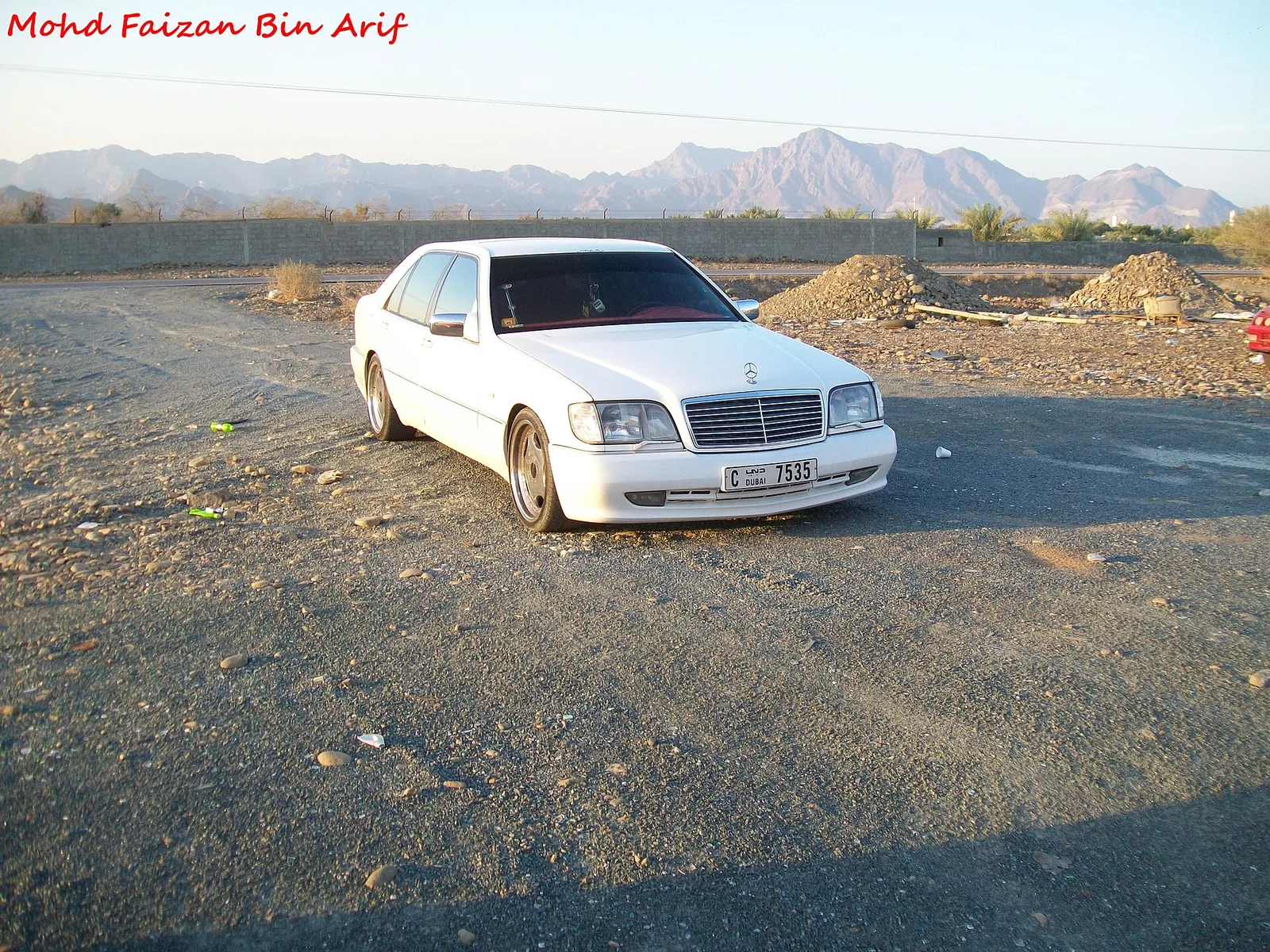
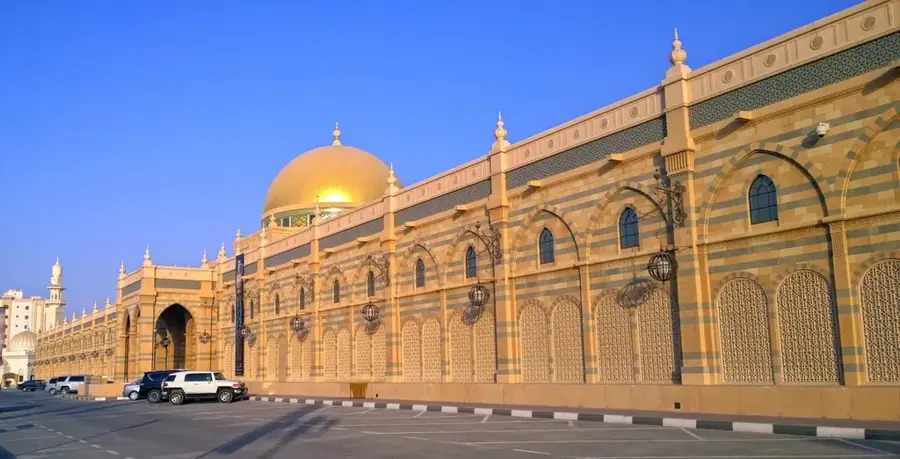
History & landmarks
Nature
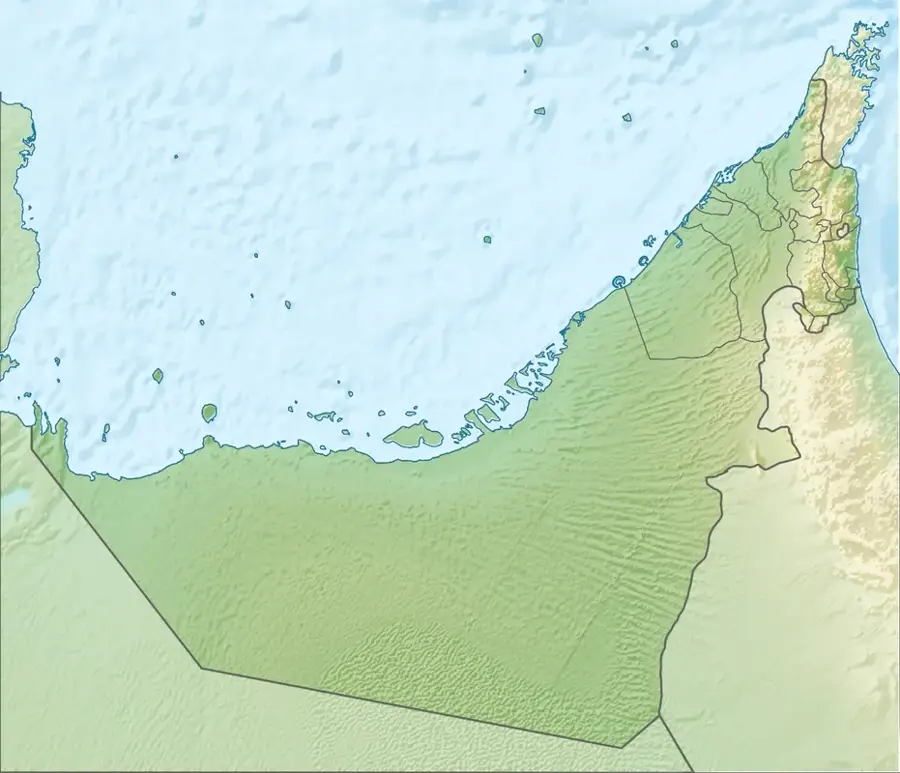
More places