Plizio Visual Lab
Rumailah Archaeological Site
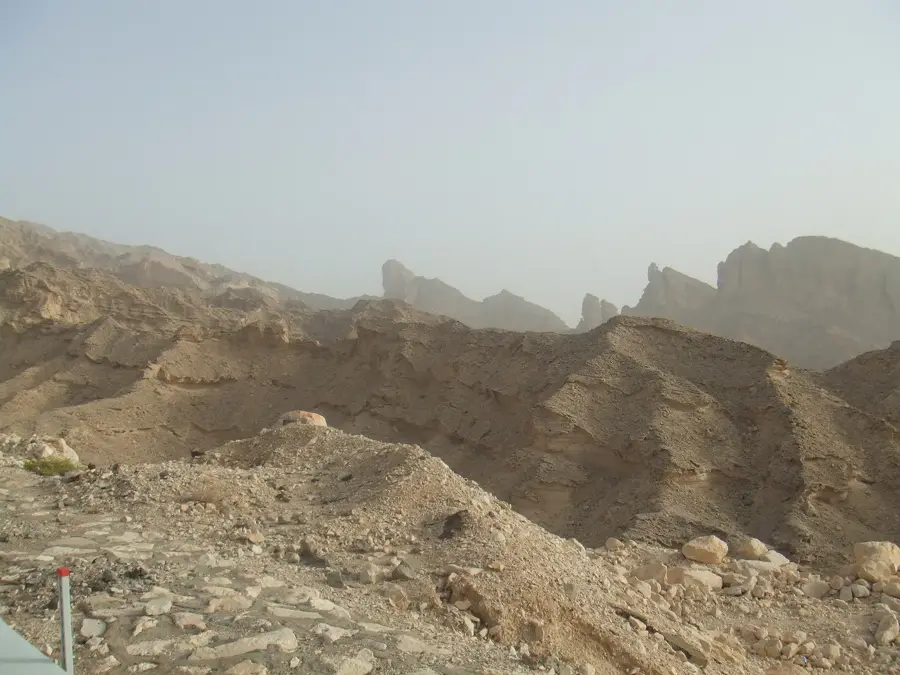
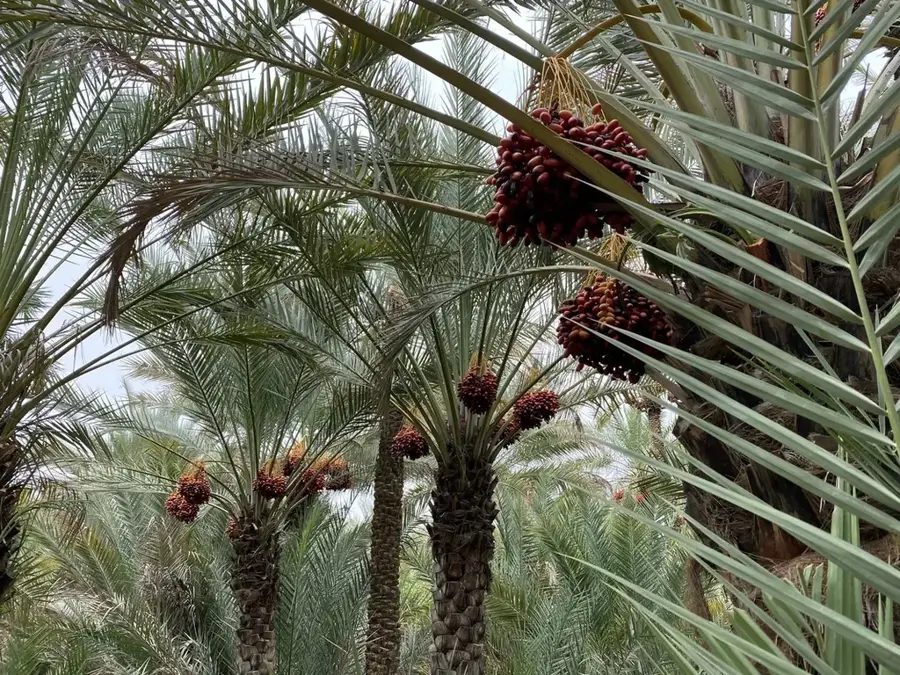
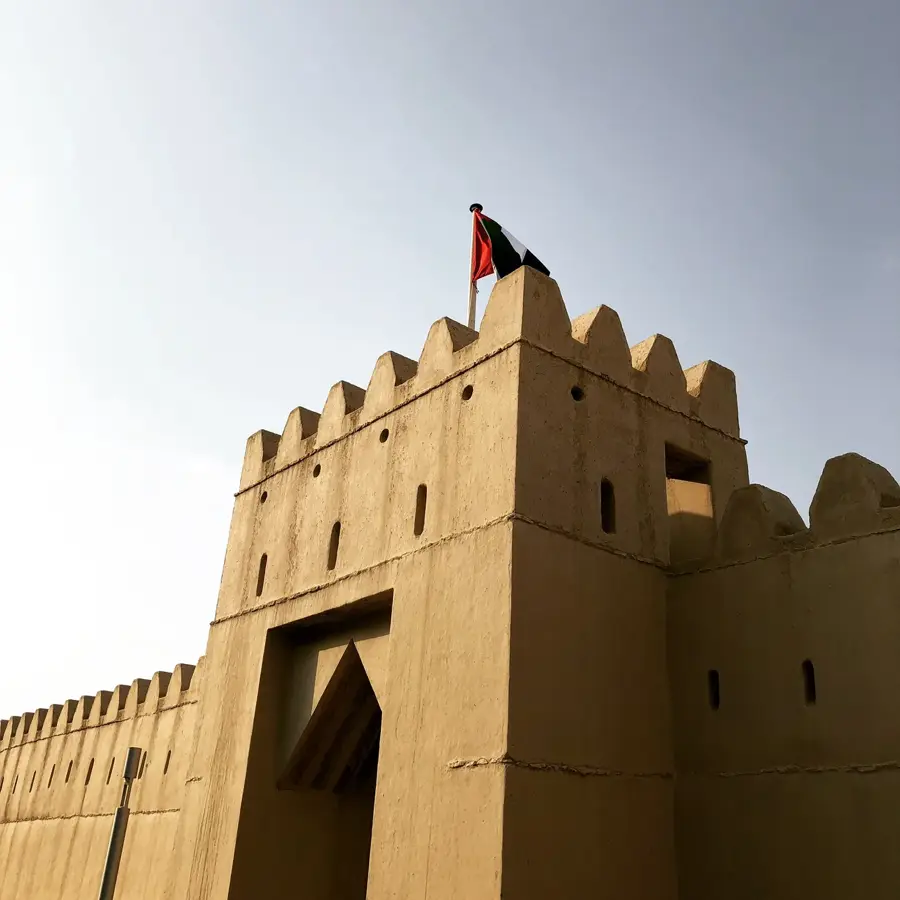
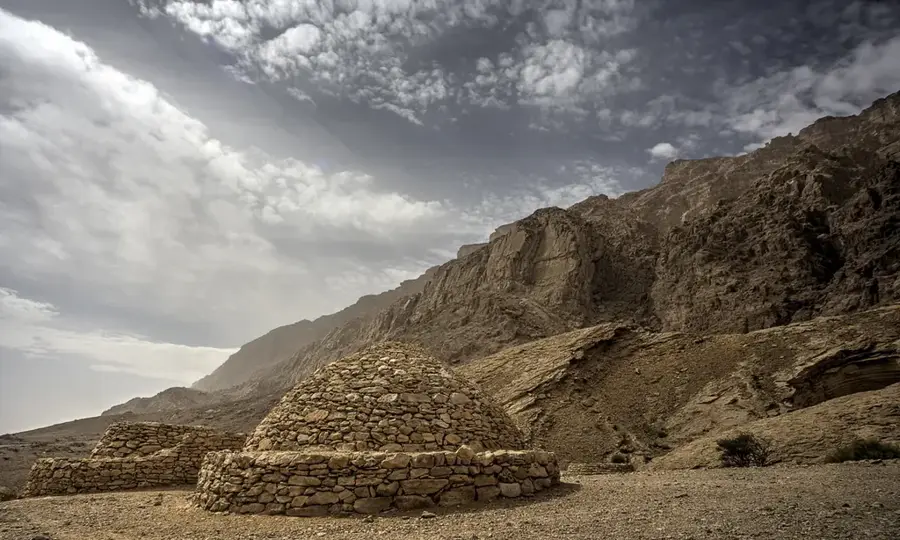
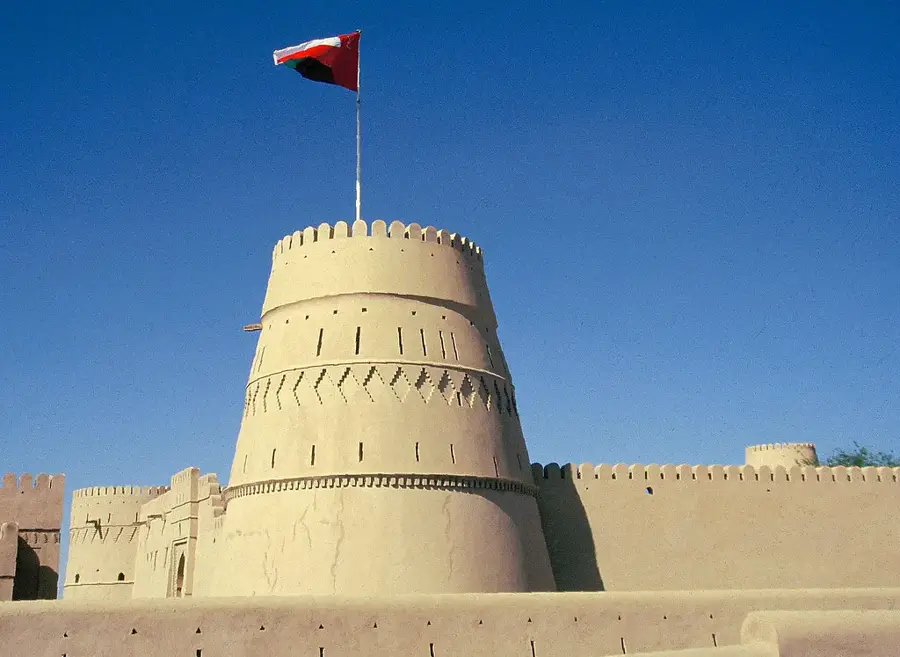
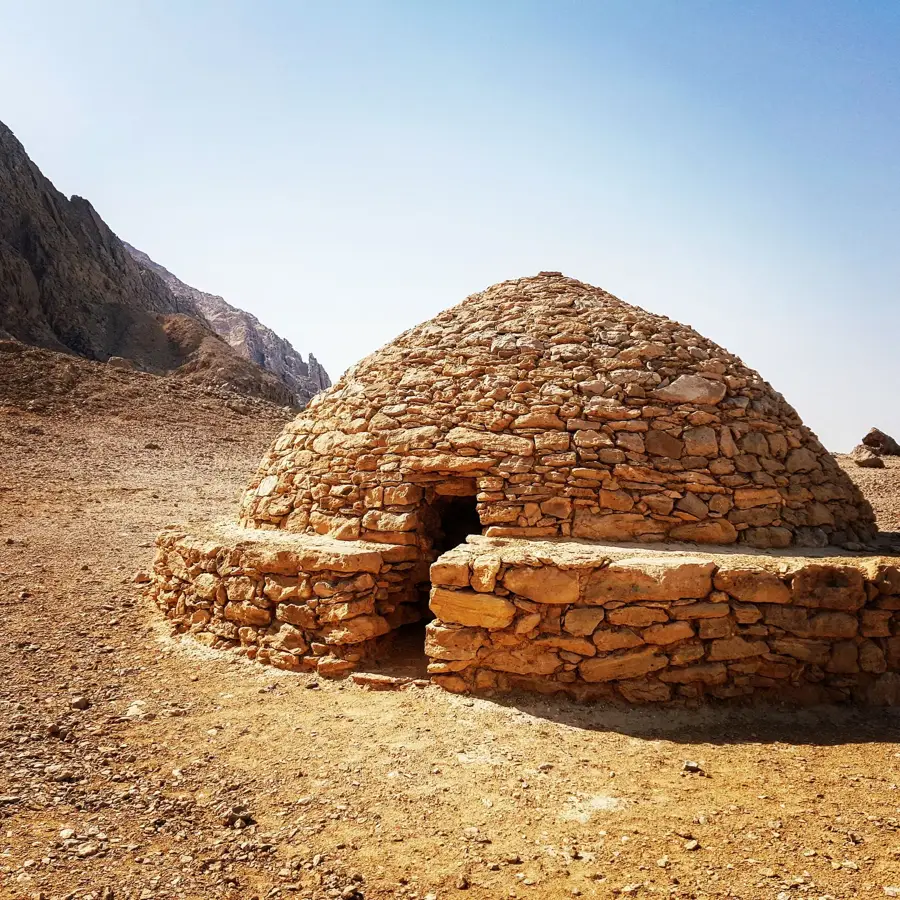
The Rumailah Archaeological Site is a significant historical area located in the Al Ain oasis region, providing crucial insights into the Iron Age civilization of the United Arab Emirates. Occupied primarily between 1100 BCE and 300 BCE, the site reveals a complex settlement pattern that demonstrates the early inhabitants' adaptability to the desert environment. Excavations have uncovered a series of well-preserved mud-brick buildings, communal storage areas, and sophisticated irrigation channels known as falaj. These structures suggest a highly organized society that relied on advanced agricultural techniques and seasonal harvesting of date palms and grain. The artifacts found at Rumailah, including decorated pottery, stone tools, and copper ornaments, highlight the extensive trade networks that linked the inland oases with coastal regions and beyond. As part of the UNESCO World Heritage sites in Al Ain, Rumailah stands as a monument to the resilience and ingenuity of the people who inhabited this region over two millennia ago. The site continues to be a focus for archaeological research aimed at understanding the transition from nomadic to settled lifestyles.
- Location: United Arab Emirates
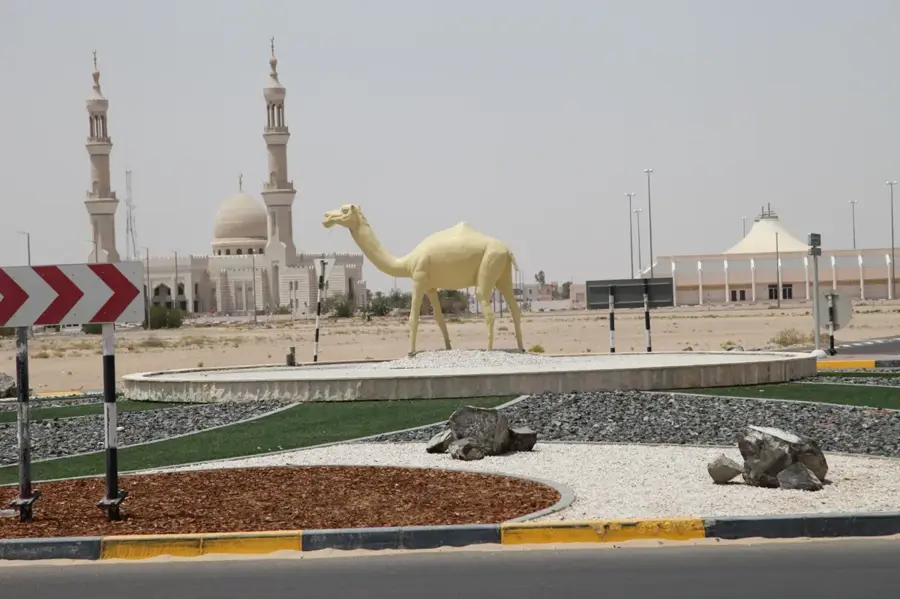
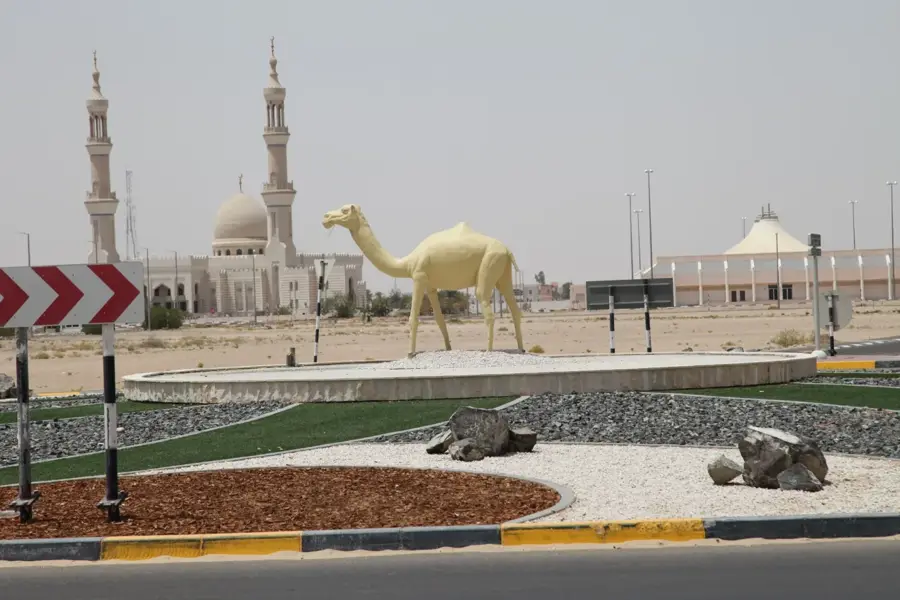
- Top sights: Kitab round about · Al-Khandaq fort · Bin Karam Mosque
- Nearby: Al Madam (41 km)
Best time to visit & climate
The most pleasant time to visit is Feb, Nov, Dec.
| Jan | Feb | Mar | Apr | May | Jun | Jul | Aug | Sep | Oct | Nov | Dec | |
|---|---|---|---|---|---|---|---|---|---|---|---|---|
| Avg °C | 17 | 20 | 24 | 29 | 33 | 36 | 36 | 36 | 33 | 29 | 24 | 19 |
| Rain mm | 13 | 7 | 19 | 8 | 7 | 4 | 4 | 4 | 2 | 3 | 7 | 9 |
📋 Practical info
Geography
Facts
- The site dates back to the Iron Age, specifically 1100 to 300 BCE.
- It was first excavated by a French archaeological mission in the 1960s.
- Features some of the earliest evidence of the falaj irrigation system.
- It is part of the UNESCO World Heritage Site 'Cultural Sites of Al Ain'.
- Numerous houses were built on top of stone foundations for stability.
- Finds include unique pottery styles typical of the Iron Age II period.
Explore nearby
Notable places around
Route planner — Car & Motorhome
Where do you start? We build the route here, with stops and country notes along the way.
© OpenStreetMap contributors · OpenRouteService
Sights in the town Rumailah Archaeological Site (7)
Sights nearby
Frequently asked questions
What is the Rumailah archaeological site?
Can I visit the ruins?
Where exactly is it?
Do I need a guide?
How old is the site?
Rumailah Archaeological Site: where is it located?
Rumailah Archaeological Site: what is there to see?
Rumailah Archaeological Site: when is the best time to visit?
Rumailah Archaeological Site: why is it worth visiting?
Nearby cities
History & landmarks
Nature
More places