Plizio Visual Lab

Al Qattara Tombs
Plizio editorial teamData Sources
ruin
—°7
Al Qattara Tombs (United Arab Emirates)

Weather…

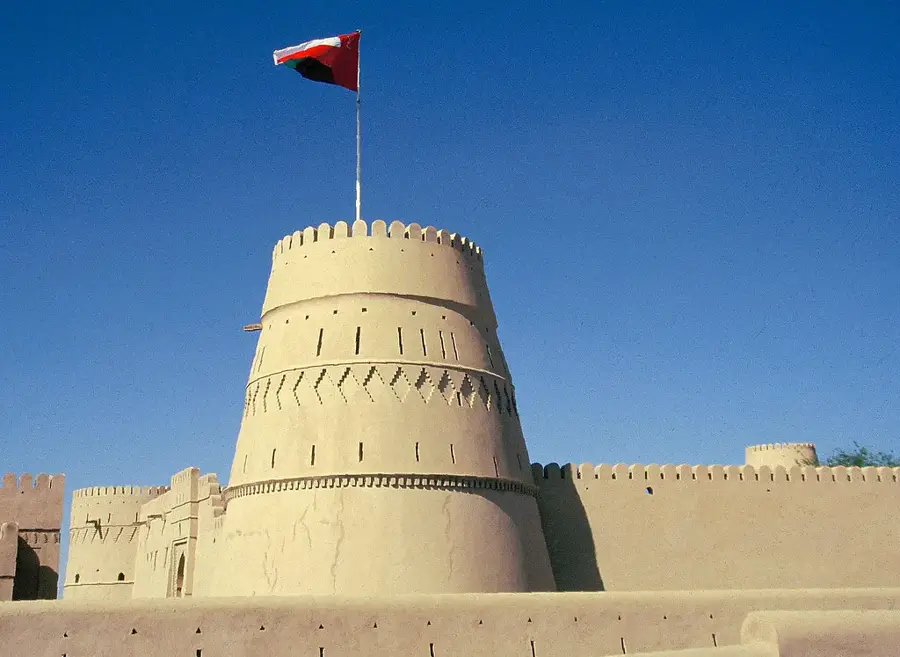
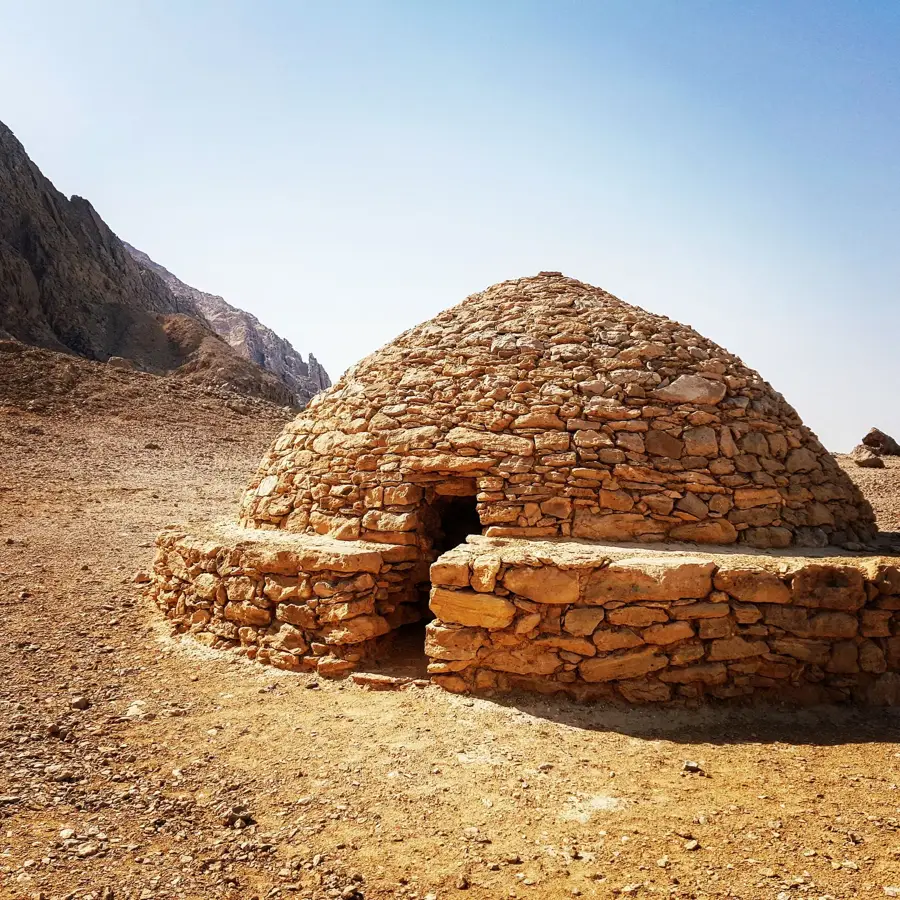
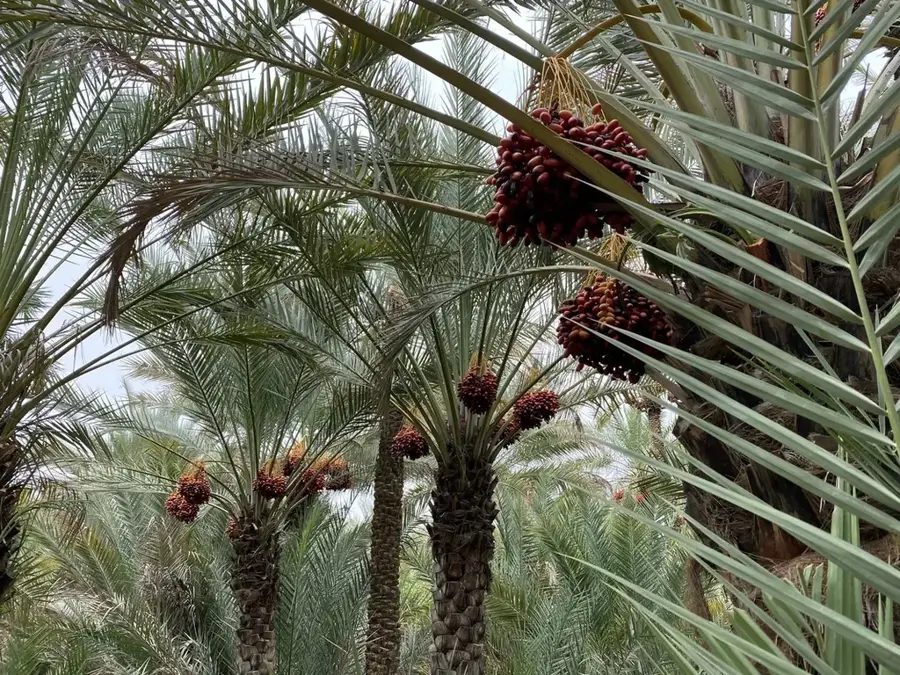
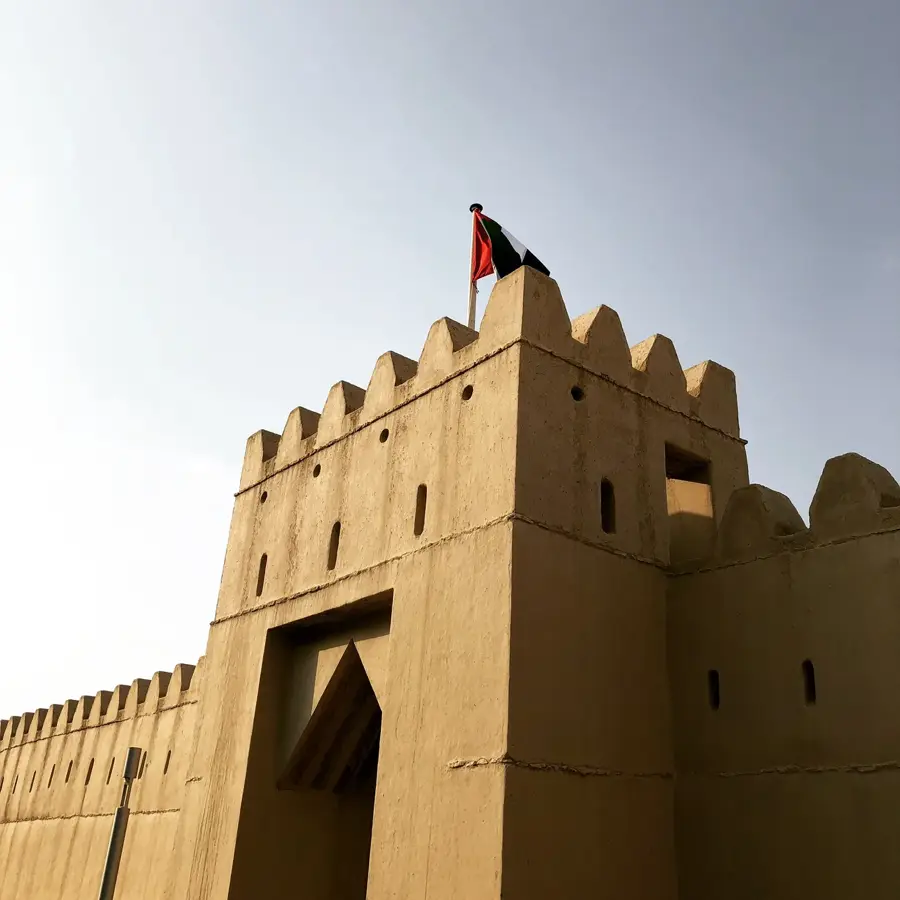
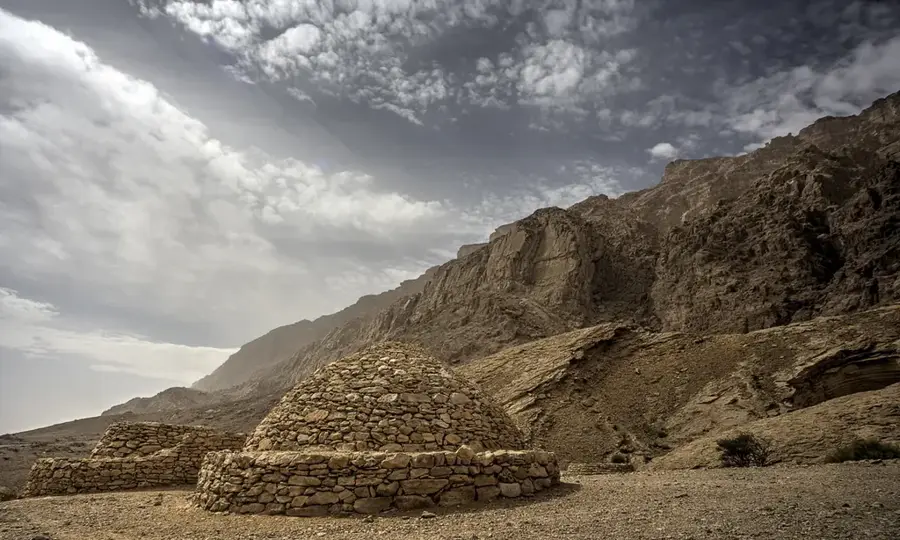
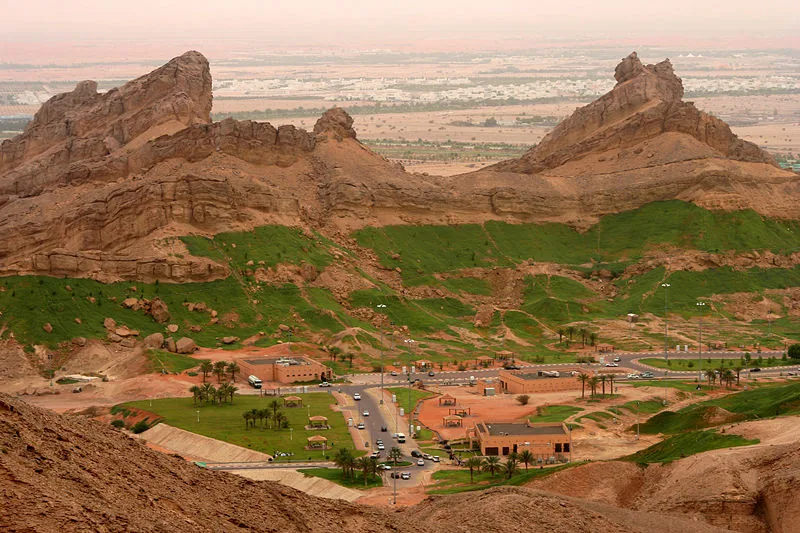
The Al Qattara Tombs represent a vital archaeological site within the Al Ain oasis, belonging to the Bronze Age Umm an-Nar culture that flourished between 2500 and 2000 BCE. These communal tombs are characterized by their circular stone structures, which were used to inter multiple generations of the local community along with various grave goods. Excavations at the site have yielded a wealth of artifacts, including finely crafted pottery, copper weapons, and exquisite gold jewelry, which reflect the social status and wealth of the inhabitants. The tombs are constructed from local limestone blocks, some of which feature simple engravings of animals and human figures. As part of the Al Ain Cultural Sites inscribed on the UNESCO World Heritage list, the Al Qattara Tombs provide essential evidence for the development of early social hierarchies and religious practices in the region. The proximity of the tombs to the Al Qattara Oasis suggests a long-standing relationship between the living and the dead in this fertile landscape. Ongoing preservation efforts ensure that these ancient structures continue to educate future generations about the UAE's deep prehistoric roots.

Best time to visit & climate

The most pleasant time to visit is Feb, Mar, Dec.

JanFebMarAprMayJunJulAugSepOctNovDec
Avg °C182024293336373734302420
Rain mm13615843222258

📋 Practical info

🚪
Visiting
The site showcases a restored ancient burial ground which can often be viewed from designated pathways or adjacent exhibition spaces. Visitors can learn about the intricate metalwork and historical artifacts through informational displays set up near the archaeological zones.
🕒
Typical hours
Associated arts centers or museums displaying the finds typically operate during standard daytime hours, sometimes splitting their schedule with an afternoon break. The outdoor archaeological areas are usually best visited in the early morning or late afternoon to avoid the heat.
📷
Photography
Photography is generally permitted and highly recommended to capture the layout of the ancient tombs and the surrounding landscape. If an indoor exhibition space is present, check for specific signage regarding flash usage on the historical artifacts.
⏱️
Time needed
Taking the time to observe the excavation site and read through the historical context of the Bronze and Iron Age discoveries usually requires about an hour. It provides a fascinating, yet brief, glimpse into the deep prehistory of the region.
Combine with
The archaeological site pairs perfectly with a broader exploration of the Al Ain region, known for its lush oases and numerous other historical forts and museums. The nearby Al Qattara Arts Centre is often intrinsically linked to the tomb complex.
🧭
Getting there
Located in the city of Al Ain, the tombs are easily accessible by car, with clear routing leading to the prominent heritage areas. Parking is typically available on-site or adjacent to the associated cultural facilities supporting the ruins.
💡
Insider tip
Before setting out, double-check if the indoor exhibition spaces detailing the artifacts are fully open on the day of your visit, as the outdoor ruins alone only tell part of the story without the recovered jewelry and weapons on display.

Geography

Coordinates
24.26970, 55.74860

Facts

  • The tombs belong to the Umm an-Nar period (2500–2000 BCE).
  • They are located near the historic Al Qattara Oasis in Al Ain.
  • Excavations in the 1970s revealed significant quantities of gold jewelry.
  • The tombs are circular in shape and measure up to 8 meters in diameter.
  • Artifacts found at the site are displayed in the Al Ain National Museum.
  • The site is part of the first UNESCO World Heritage listing in the UAE.

Explore nearby

Notable places around
Route planner — Car & Motorhome

Where do you start? We build the route here, with stops and country notes along the way.

Vehicle
Only stops with (optional):

© OpenStreetMap contributors · OpenRouteService

Sights in the town Al Qattara Tombs (7)

Heritage Village🏛 museum

An open-air museum in Al Qattara showcasing traditional Emirati life and crafts.

Rumailah📍 landmark

An archaeologically significant area in Al Qattara featuring Iron Age settlement remains.

Eid Mosque📍 landmark

A large, open prayer space used specifically for festive Eid gatherings.

Sheikh Essa Mosque📍 landmark

A mosque in the heart of Al Qattara, characterized by its simple, functional desert architecture.

Reef Al Arab Grocery🎭 culture

A small, traditional grocery store serving the residents of the Al Qattara oasis.

Sama Al Huir Foodstuff Trading🎭 culture

A local trader of basic foodstuffs in the historical neighborhood of Al Qattara.

Slayem Sorour Grocery🎭 culture

A small general store in Al Qattara offering fresh goods and local products.

Sights nearby

Frequently asked questions

How old are the tombs?
Over 3000 years old.
Can I enter the tombs?
No, they can only be viewed from the outside.
Where are they located?
In Al Ain, near the city center.
Is it free to visit?
Access to the exterior area is free.
Are there signs?
Yes, there are information boards about the history.
Al Qattara Tombs: where is it located?
Al Qattara Tombs is located in United Arab Emirates.
Al Qattara Tombs: what is there to see?
Highlights include Heritage Village, Rumailah, Eid Mosque.
Al Qattara Tombs: when is the best time to visit?
The most pleasant time to visit is Feb, Mar, Dec.
Al Qattara Tombs: why is it worth visiting?

The Al Qattara Tombs represent a vital archaeological site within the Al Ain oasis, belonging to the Bronze Age Umm an-Nar culture that flourished between 2500 and 2000 BCE.
View on map → The Top 50 Attractions → OpenStreetMap →
Asia
Explore with Plizio Discover more places in Asia
More places in United Arab Emirates →

Nearby cities

History & landmarks
Nature

More places