Plizio Visual Lab

Podolian Upland
Plizio editorial teamData Sources
Mountain
—°
Podolian Upland (Ukraine)

Weather…

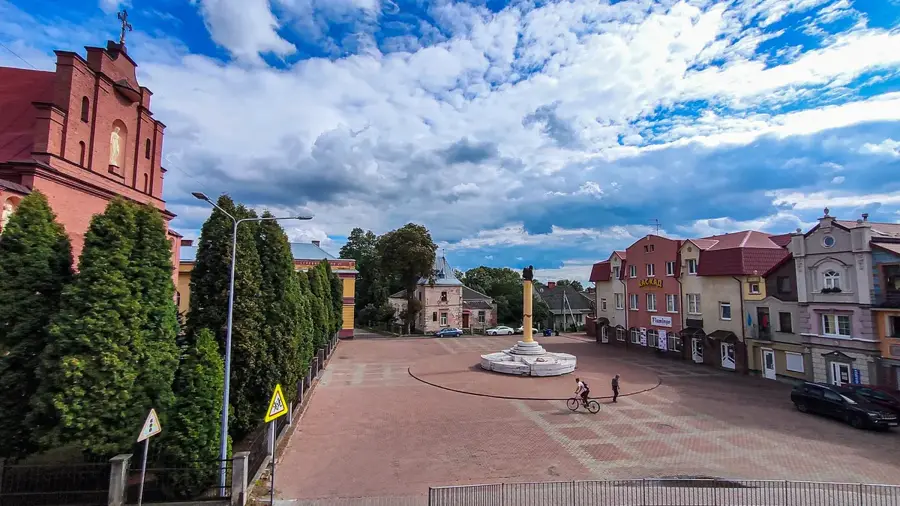
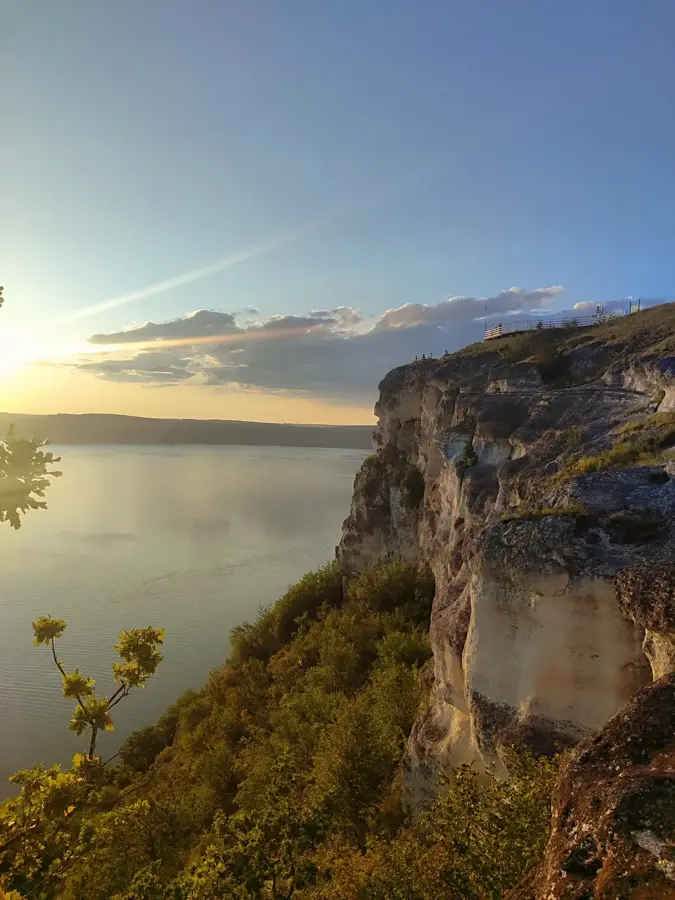
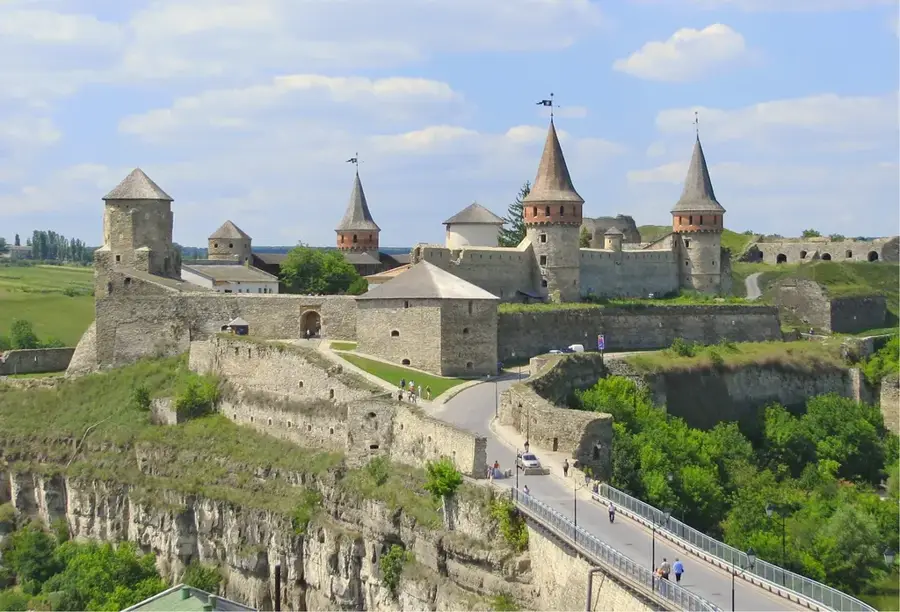
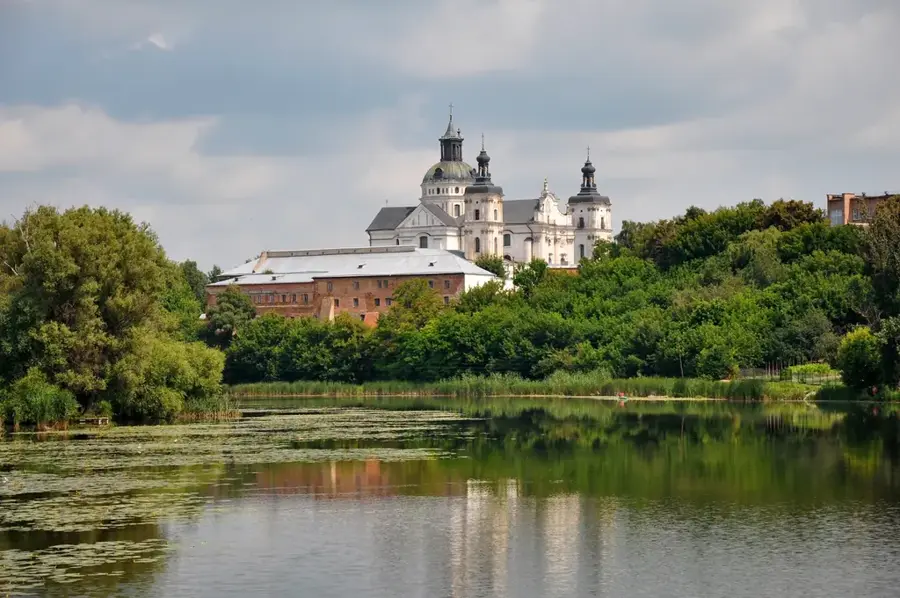
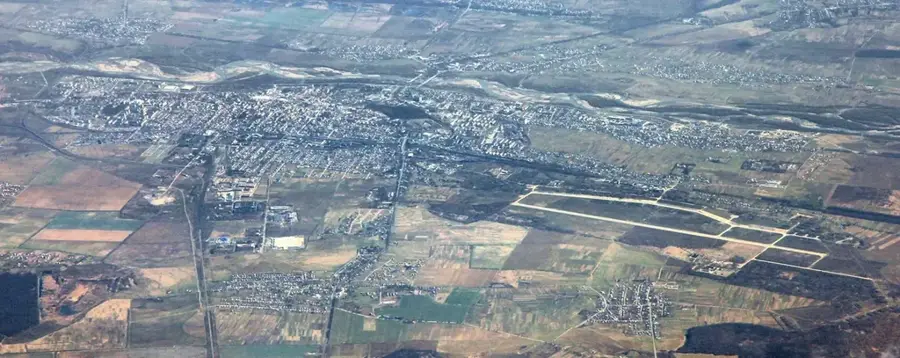
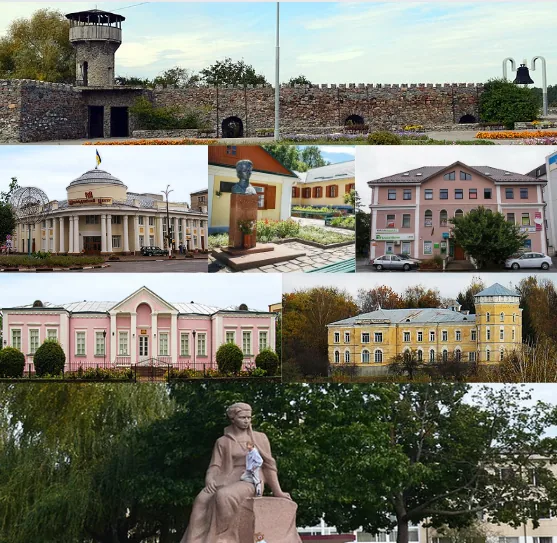
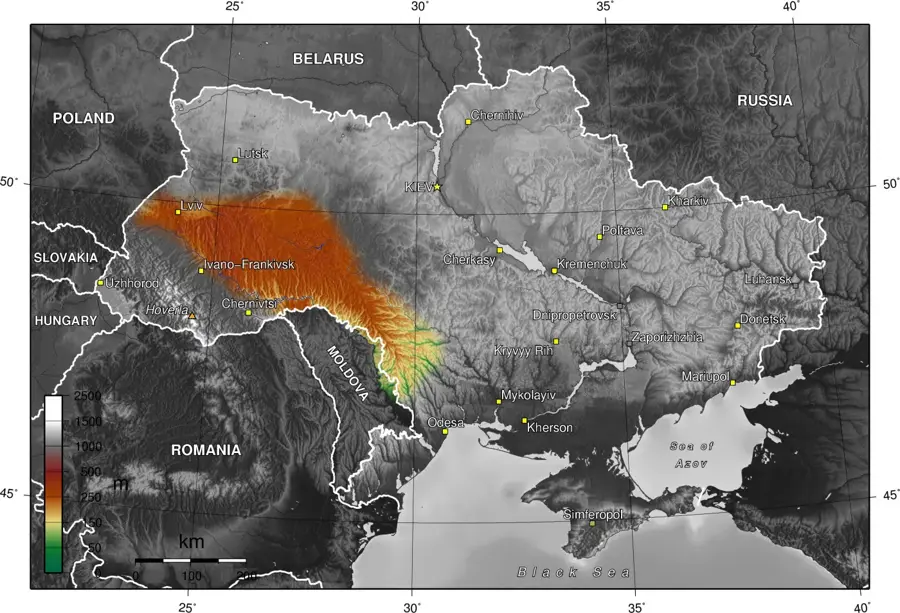
The Podolian Upland is a vast plateau in southwestern Ukraine, characterized by a gently rolling surface and deeply incised river valleys. It extends from the Dniester River in the south to the Volyn Upland in the north, merging with the Carpathian foothills to the west. The average elevation of the plateau ranges from 300 to 350 meters, with Mount Kamula serving as its highest point at 471 meters. Geologically, the upland is situated on the flank of the Ukrainian Shield, overlain by thick layers of Paleozoic and Mesozoic sedimentary rocks, including limestone and chalk. The Dniester Canyon is one of its most striking features, where the river has carved through the plateau to reveal ancient geological strata. The presence of highly fertile chernozem soils makes this region a critical agricultural powerhouse for Ukraine, primarily for grain and sugar beet production. Its temperate continental climate supports a diverse forest-steppe environment. Historically, the upland's strategic river passages were fortified with numerous castles and fortresses, reflecting its role as a crossroad of civilizations.

Best time to visit & climate

The most pleasant time to visit is Jun–Aug.

JanFebMarAprMayJunJulAugSepOctNovDec
Avg °C-5-329151921201583-3
Rain mm363843466892866049484038

📋 Practical info

🧭
Getting there
The Podolian Upland is best accessed from cities such as Ternopil, Khmelnytskyi, or Kamianets-Podilskyi, which serve as convenient base points for exploration. Regional roads traverse the plateau, while the deeply incised river valleys are often accessible via narrower local roads or hiking trails.
📅
Best season
The best time to visit is between May and September, when the weather is stable and the canyons are in lush green. In autumn, the foliage colors in the valleys offer spectacular photo opportunities, while winters on the open plateau can often be very windy and uncomfortable.
⛰️
Terrain & paths
The terrain consists predominantly of gently rolling hills on the plateau, which, however, drop abruptly into steep, rocky canyons. Especially near the Dniester, there are impressive karst formations and deep incisions that require sure-footedness during hikes off the main paths.
🎒
What to bring
Sturdy hiking boots with a good profile are essential for exploring the canyons and karst areas. Since the plateau has little shade, sun protection and sufficient water should be part of the standard equipment in summer, while windproof clothing is advisable for the higher elevations.
🅿️
Parking
Parking facilities can be found in the larger cities of the region as well as in designated spots near attractions such as the Kamianets-Podilskyi fortress. In rural areas, you can often leave your vehicle at the edge of the village or at marked viewpoints.
⚠️
Safety
Caution is advised at the unsecured edges of deep canyons, as the ground there can be slippery after rainfall. Karst caves in the region should never be entered without professional guidance or appropriate experience and equipment to avoid accidents.
⏱️
Time needed
A short visit to a viewpoint takes about 1-2 hours, while a half to full day should be planned for a hike in one of the canyons. To experience the full diversity of the region and its historical cities, a stay of several days is recommended.

Geography

Coordinates
49.00000, 27.00000

Facts

  • Average elevation ranges from 300 to 350 meters.
  • The highest peak is Mount Kamula at 471 meters.
  • Features the Dniester Canyon, a significant natural landmark.
  • Geology includes thick sequences of limestone and chalk.
  • Dominated by highly productive chernozem (black earth) soils.
  • Home to world-renowned gypsum caves like Optymistychna.

Explore nearby

Notable places around
Route planner — Car & Motorhome

Where do you start? We build the route here, with stops and country notes along the way.

Vehicle
Only stops with (optional):

© OpenStreetMap contributors · OpenRouteService

Sights nearby

Frequently asked questions

Where does the Podolian Upland extend?
In southwestern Ukraine, between the Southern Bug and Dniester rivers.
What is the characteristic relief?
It is a hilly upland with deeply incised river valleys.
Are there caves there?
Yes, some of the world's longest gypsum caves are located here, such as Optymistychna.
What is the land used for?
The fertile chernozem soils are intensively used for agriculture.
Which major cities are located here?
Cities like Ternopil and Khmelnytskyi are located on the Podolian Upland.
Podolian Upland: where is it located?
Podolian Upland is located in Ukraine.
Podolian Upland: when is the best time to visit?
The most pleasant time to visit is Jun, Aug.
Podolian Upland: why is it worth visiting?

The Podolian Upland is a vast plateau in southwestern Ukraine, characterized by a gently rolling surface and deeply incised river valleys.
View on map → The Top 50 Attractions → OpenStreetMap →
Europe
Explore with Plizio Discover more places in Europe
More places in Ukraine →

Nearby cities