Plizio Visual Lab

Azov Upland
Plizio editorial teamData Sources
Mountain
—°
Azov Upland (Ukraine)

Weather…

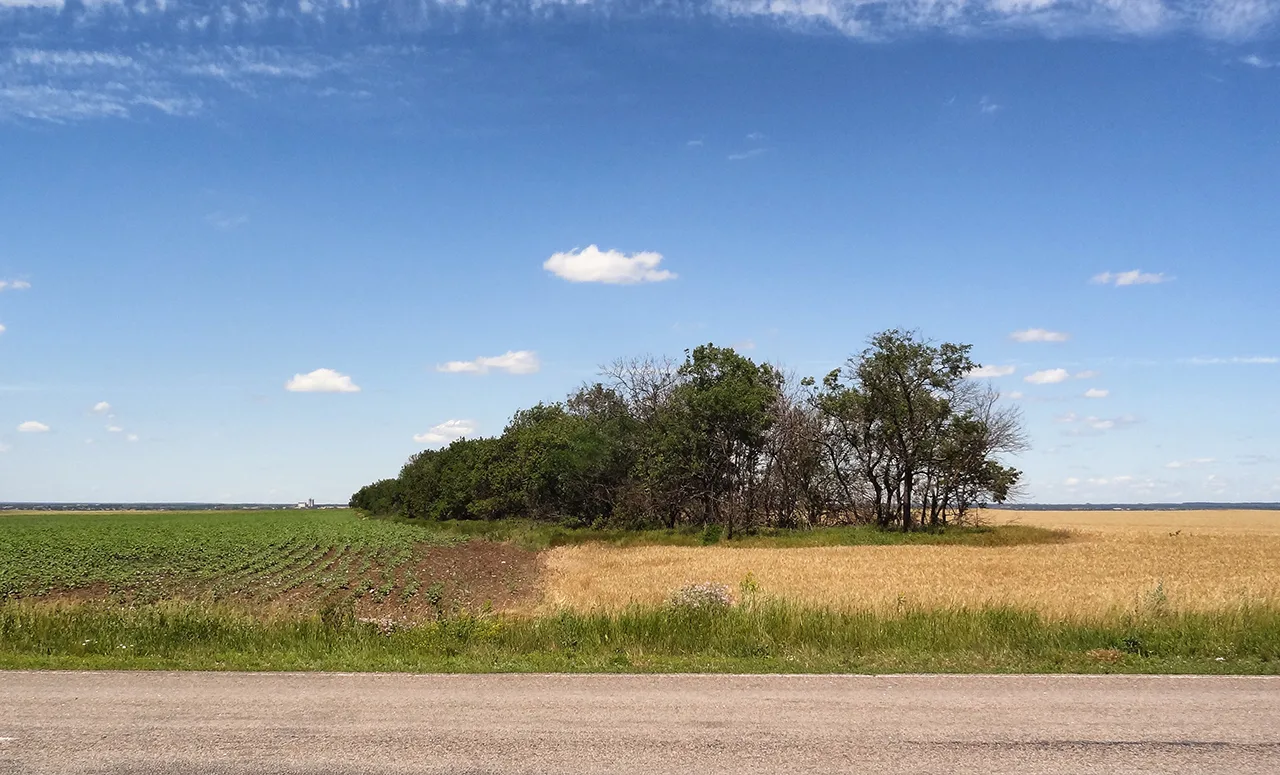
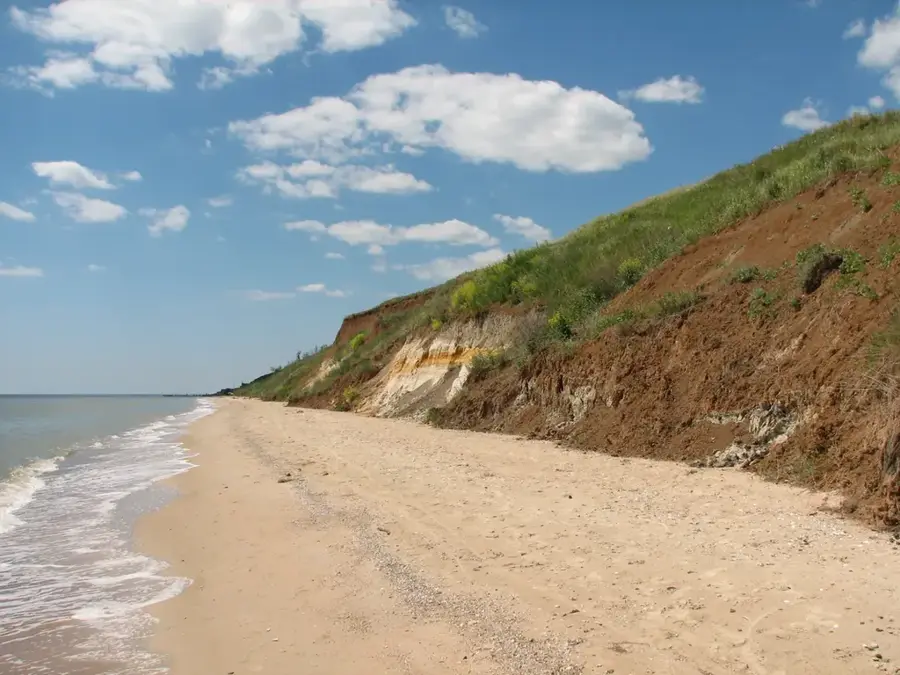
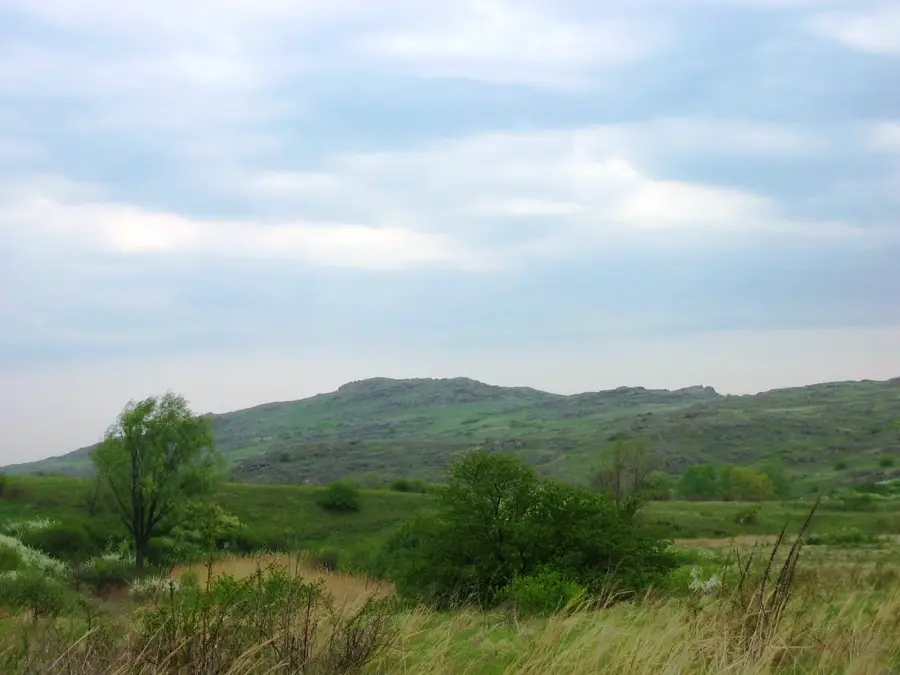
The Azov Upland is a highland region in southeastern Ukraine, situated to the north of the Sea of Azov. It constitutes the southeastern extension of the Ukrainian Shield, where ancient crystalline basement rocks, such as granite and gneiss, frequently breach the sedimentary cover. The topography consists of undulating plateaus dissected by river valleys that flow toward the Azov coast. Its highest point is Belmak-Mohyla, reaching 324 meters above sea level, which is a significant geological landmark of high antiquity. The landscape is dotted with prominent rock outcrops and ancient burial mounds locally known as 'mohylas.' The upland is covered by highly fertile chernozem soils, making it a key area for agricultural production. The climate is continental steppe, characterized by hot summers and moderate winters. Of great ecological importance is the 'Kamyani Mohyly' (Stone Tombs) Nature Reserve, where granite formations provide a unique micro-habitat for rare steppe flora that has adapted to the rocky acidic soil.

Best time to visit & climate

The most pleasant time to visit is Jun, Aug, Sep.

JanFebMarAprMayJunJulAugSepOctNovDec
Avg °C-4-3391721242418103-2
Rain mm524039354956433337354344

📋 Practical info

🧭
Getting there
The Azov Upland is best accessed from cities like Mariupol or Berdiansk, with regional roads leading into the rolling hinterland. Given the area's vastness, a private vehicle is recommended to reach the various outcrops of crystalline rocks and unique landscape features.
📅
Best season
Spring and autumn provide the most comfortable temperatures for hiking across the rolling plateau, when the landscape is often lush green or filled with warm autumn hues. In winter, cold winds from the sea can sweep across the open terrain, making outdoor activities quite chilly.
⛰️
Terrain & paths
The terrain of the Azov Upland features a gently rolling hill landscape, occasionally punctuated by prominent rock formations and outcrops. It is a plateau with moderate slopes that is generally easy to traverse on firm ground, though some sections may be stony or uneven.
🎒
What to bring
Sturdy footwear with good grip is advised, especially if you plan to explore the rocky sections of the crystalline basement. Since the plateau is quite exposed, bring windproof clothing and carry enough water to sustain you during longer periods of exploration.
🅿️
Parking
Official parking lots are rare in the rural parts of the upland; visitors usually park on the outskirts of small villages or near prominent viewpoints. Nearby settlements often serve as starting points, where you can safely leave your car within proximity to residential areas.
⚠️
Safety
When hiking off-trail, pay attention to the ground conditions, as stony or rocky sections can become slippery when wet. In this rural region, it is advisable to stick to recognized paths and check the local weather forecast before heading out for a long walk.
⏱️
Time needed
The duration of a visit can vary widely, from a short two-hour stop at a scenic viewpoint to full-day hikes across the plateau. For nature photographers, the hours around sunrise or sunset are particularly rewarding, justifying a longer stay in the upland landscape.

Geography

Coordinates
47.30000, 36.60000

Facts

  • The highest elevation is Belmak-Mohyla at 324 meters.
  • Formed by ancient crystalline rocks of the Ukrainian Shield.
  • Rich in mineral resources, particularly iron ore deposits.
  • Contains the 'Kamyani Mohyly' Nature Reserve.
  • Acts as a major watershed for rivers entering the Sea of Azov.
  • Geologically one of the oldest landforms in Eastern Europe.

Explore nearby

Notable places around

Route planner — Car & Motorhome

Where do you start? We build the route here, with stops and country notes along the way.

Vehicle
Only stops with (optional):

© OpenStreetMap contributors · OpenRouteService

Sights nearby

Frequently asked questions

Where is the Azov Upland located?
In southeastern Ukraine, north of the Azov Sea.
How high is the highest elevation?
Mount Belmakh-Mohyla is the highest point at 324 meters.
What rocks are found here?
Granites and gneisses of the Ukrainian Shield often emerge.
What are 'Kamyani Mohyly'?
A nature reserve with impressive granite rocks.
How is the region used for agriculture?
Predominantly for the cultivation of grain and sunflowers.
Azov Upland: where is it located?
Azov Upland is located in Ukraine.
Azov Upland: when is the best time to visit?
The most pleasant time to visit is Jun, Aug, Sep.
Azov Upland: why is it worth visiting?

The Azov Upland is a highland region in southeastern Ukraine, situated to the north of the Sea of Azov.
View on map → The Top 50 Attractions → OpenStreetMap →
Europe
Explore with Plizio Discover more places in Europe
More places in Ukraine →

Nearby cities

History & landmarks