Plizio Visual Lab
Zaghouan Aqueduct
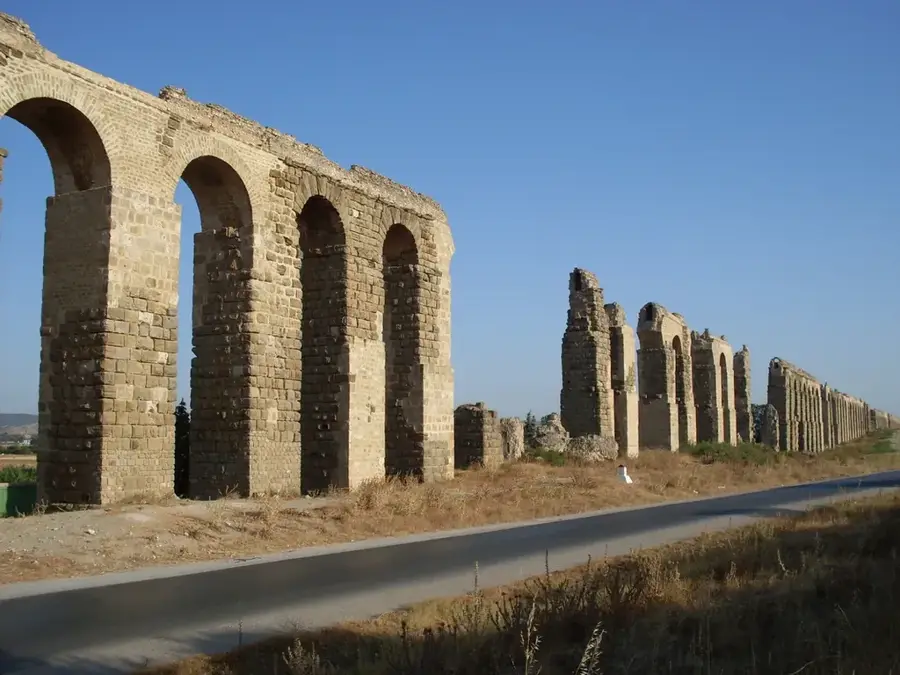
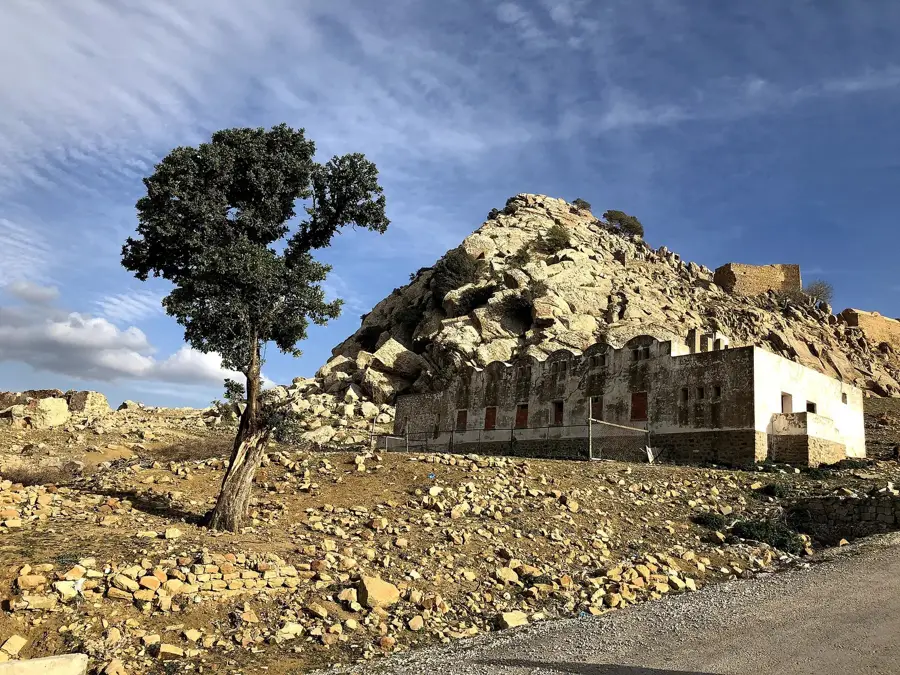
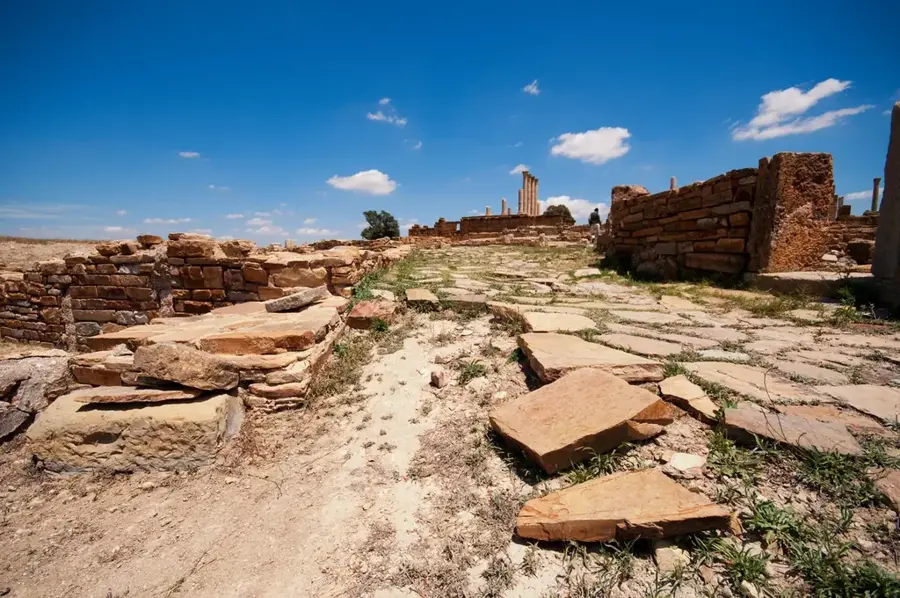
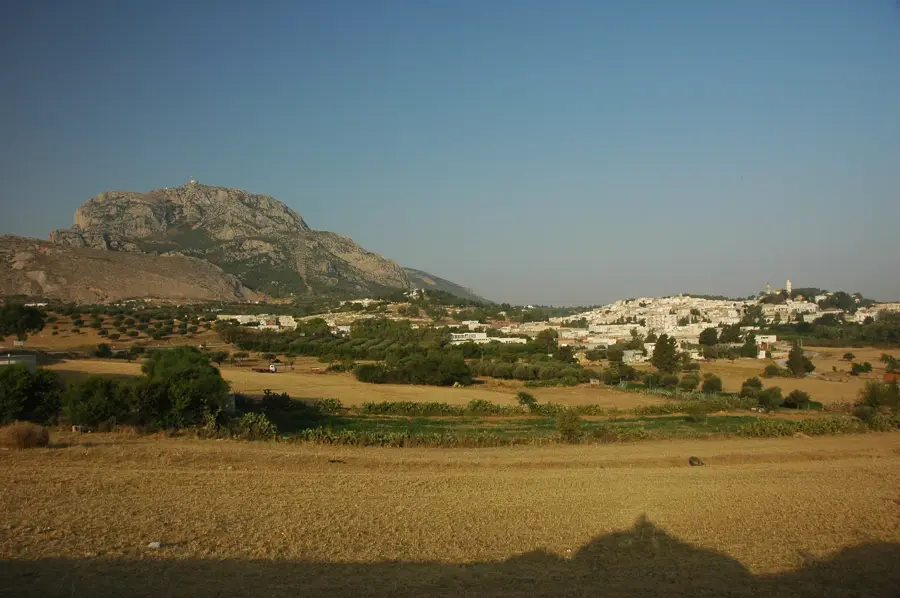
The Zaghouan Aqueduct is one of the most extraordinary feats of Roman engineering in North Africa, constructed during the 2nd century AD under the reign of Emperor Hadrian. Spanning over 132 kilometers, it was built to transport fresh spring water from the foot of Mount Zaghouan to the burgeoning city of Carthage. The system originates at the majestic Water Temple of Zaghouan, a decorative nymphaeum dedicated to the deities of water. Today, the most visually striking sections are found in the Oued Miliane plain, where massive stone arches still stand as a testament to the durability and precision of Roman construction. Although it fell into disrepair during the Vandal and Byzantine eras, the aqueduct was significantly restored and reused by the Hafsid dynasty in the 10th century. The route required complex surveying to maintain a steady gradient across varied terrain, alternating between underground channels and towering arcades. Currently, the remains of the aqueduct are among Tunisia's most significant archaeological ruins and are listed on the UNESCO tentative world heritage list. It serves as a monumental reminder of the Roman Empire's ability to provide essential urban infrastructure through large-scale resource management.
- Location: Tunisia
- Nearby: Enfidha (36 km)
Best time to visit & climate
The most pleasant time to visit is May, Jun, Oct.
| Jan | Feb | Mar | Apr | May | Jun | Jul | Aug | Sep | Oct | Nov | Dec | |
|---|---|---|---|---|---|---|---|---|---|---|---|---|
| Avg °C | 10 | 10 | 13 | 16 | 20 | 25 | 29 | 29 | 24 | 20 | 15 | 11 |
| Rain mm | 59 | 45 | 62 | 51 | 35 | 21 | 8 | 23 | 61 | 60 | 50 | 60 |
📋 Practical info
Geography
Facts
- The aqueduct was built between 122 and 130 AD under Emperor Hadrian.
- The total length of the pipeline was originally about 132 kilometers.
- It delivered an estimated 32,000 cubic meters of water daily to Carthage.
- The Water Temple is located at an altitude of 300 meters above sea level.
- In the Oued Miliane plain, the arches reach a height of over 20 meters.
- The water supply system remained in use, with interruptions, until the 16th century.
Explore nearby
Notable places around
Route planner — Car & Motorhome
Where do you start? We build the route here, with stops and country notes along the way.
© OpenStreetMap contributors · OpenRouteService
Sights in the town Zaghouan Aqueduct (1)
Sights nearby
Frequently asked questions
What is the Zaghouan aqueduct?
Where can it best be seen?
Do you have to pay admission?
Is it a photo spot?
How long does the visit take?
Zaghouan Aqueduct: where is it located?
Zaghouan Aqueduct: when is the best time to visit?
Zaghouan Aqueduct: why is it worth visiting?

Nearby cities

History & landmarks
Nature
More places