Plizio Visual Lab

Carthage

Plizio editorial teamData Sources
City
—°4
Carthage (Tunisia)
ℹ️

Practical info — Carthage

🌤 Weather — 5 days

📍 Nearby

Sights nearby

💡 Tips

  • Buy the combined ticket at the first ruin you visit to save money across all archaeological sites.
  • Take the TGM train from Tunis; it's very cheap and stops conveniently near the main areas.
  • Start early in the morning as the ruins offer almost no shade from the midday heat.
  • If taking a taxi, agree on the fare beforehand or insist they use the meter.

🍽 Food

🍽
Brik

A crispy pastry envelope with egg and tuna; find it in most local cafes.

🍽
Fish Couscous

A coastal specialty, best enjoyed in the seafood restaurants near the waterfront.

🍽
Mint tea with pine nuts

A traditional drink in the area's Moorish cafes.

🛍 Shopping · 🧘 Quiet spots

🛍
Ceramics

Local pottery and tiles sold in small shops near the Antonine Baths.

🛍
Olive wood carvings

Handcrafted kitchen utensils making for beautiful and practical souvenirs.

🧘
Byrsa Hill

Gives a fantastic, quiet panoramic view over the Gulf of Tunis.

🧘
Carthage Coastline

A long walk along the water is particularly peaceful at sunset.

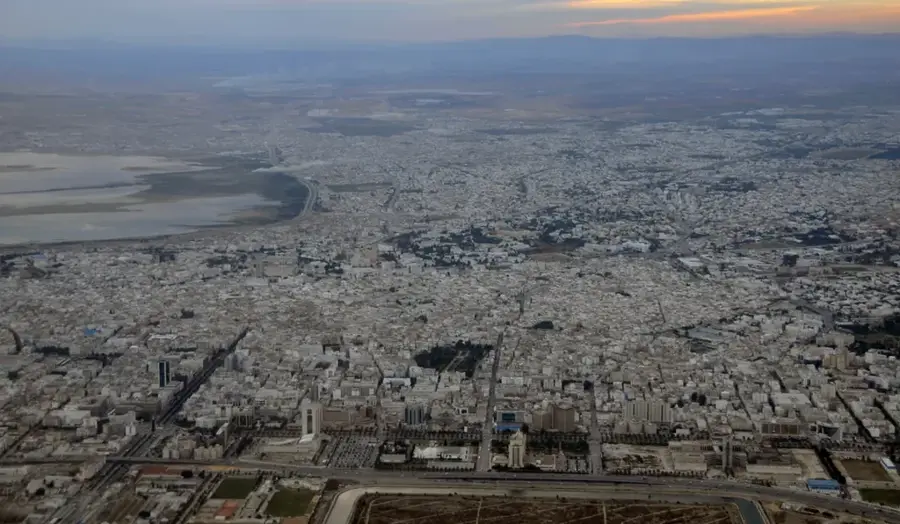
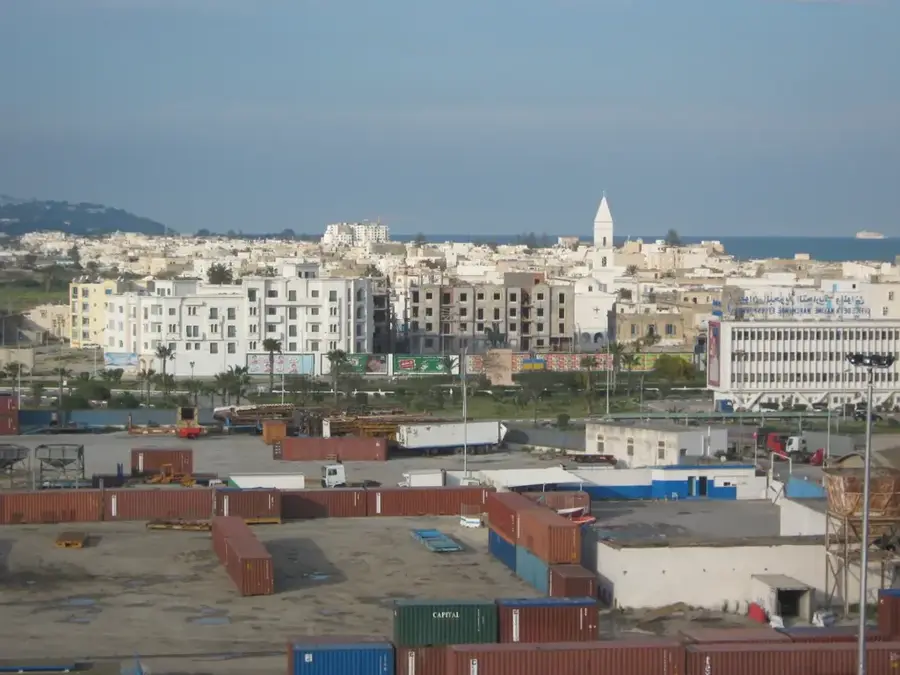
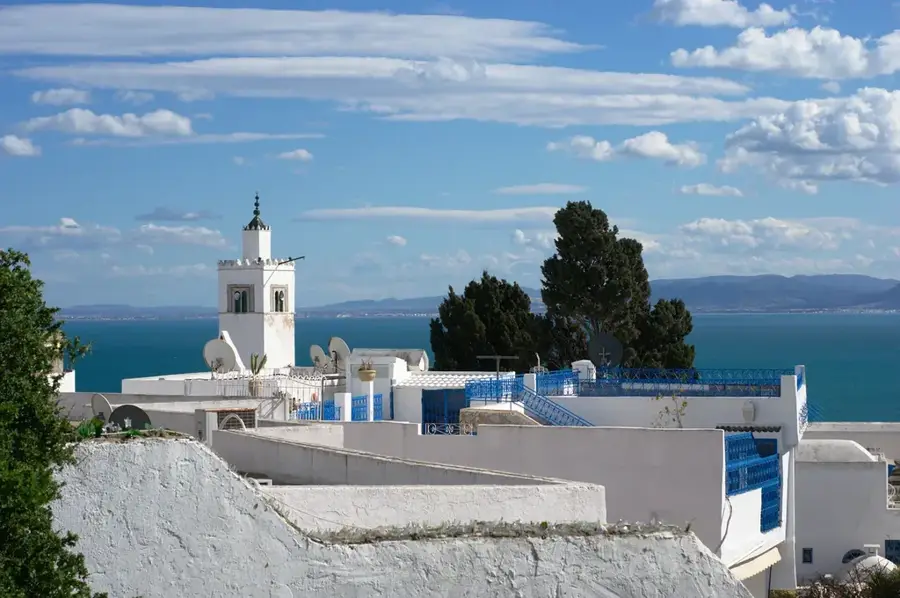
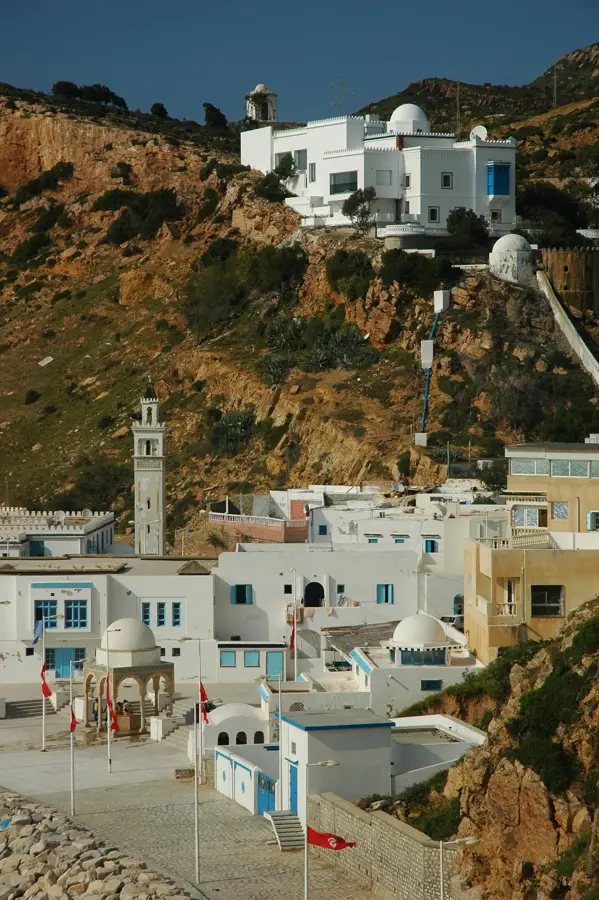
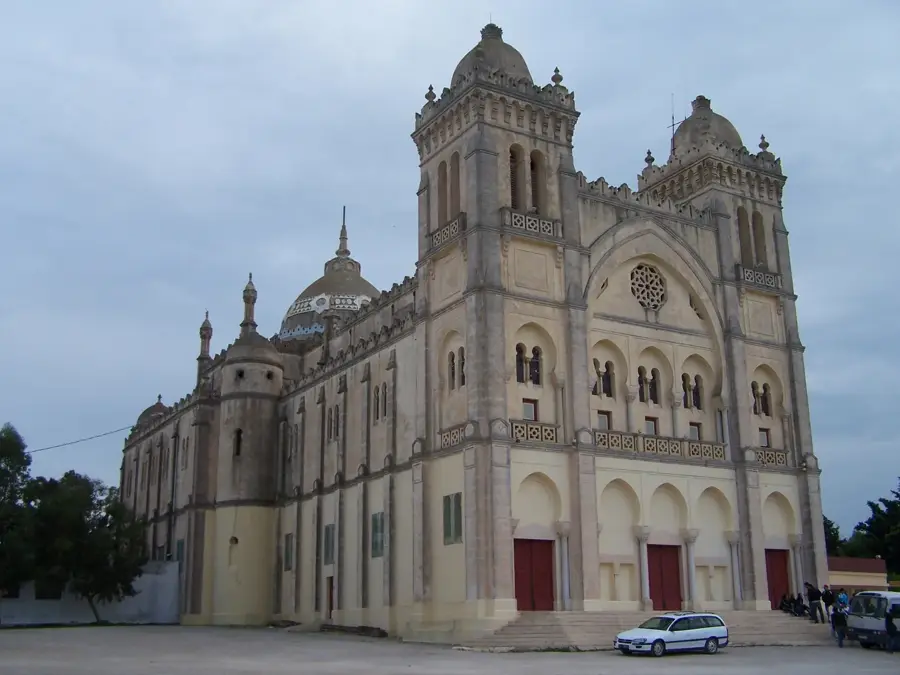
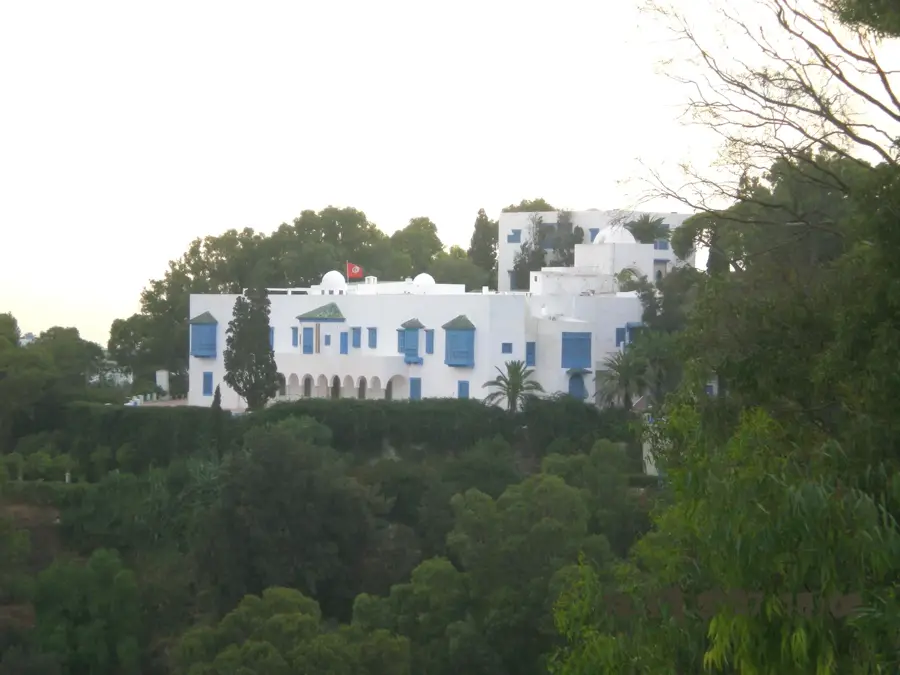
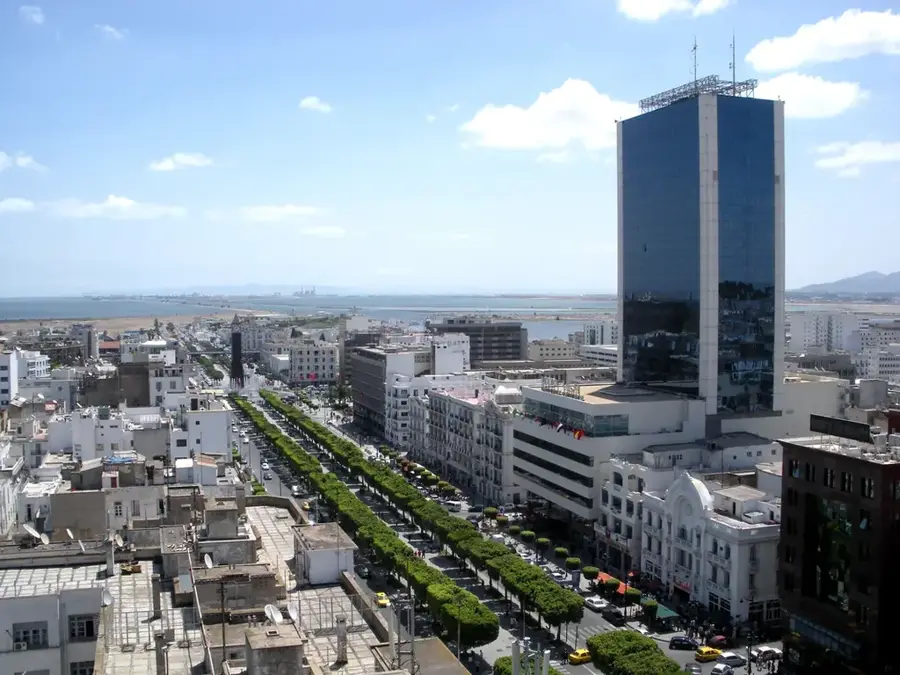
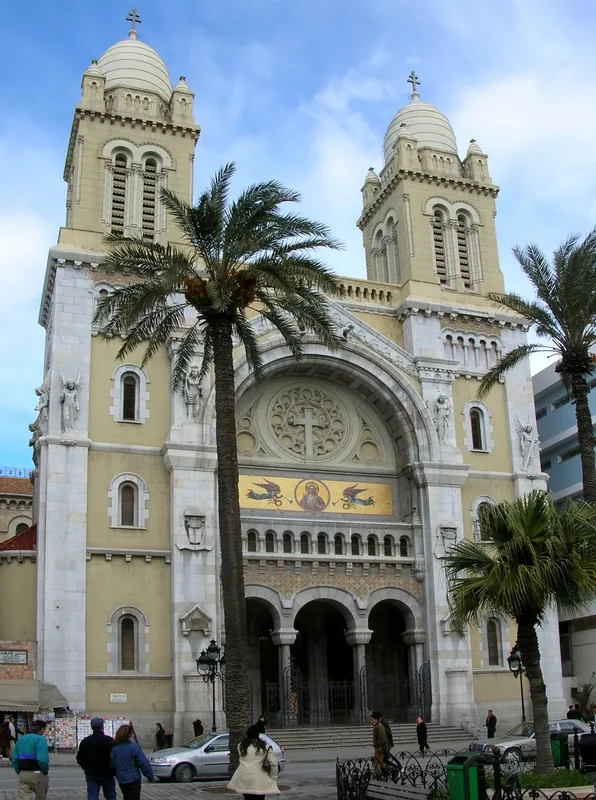
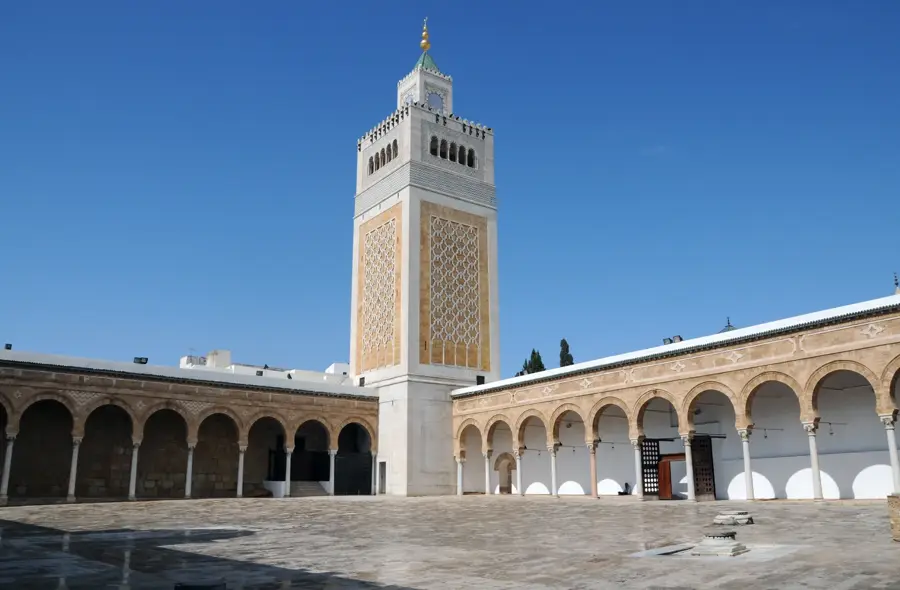
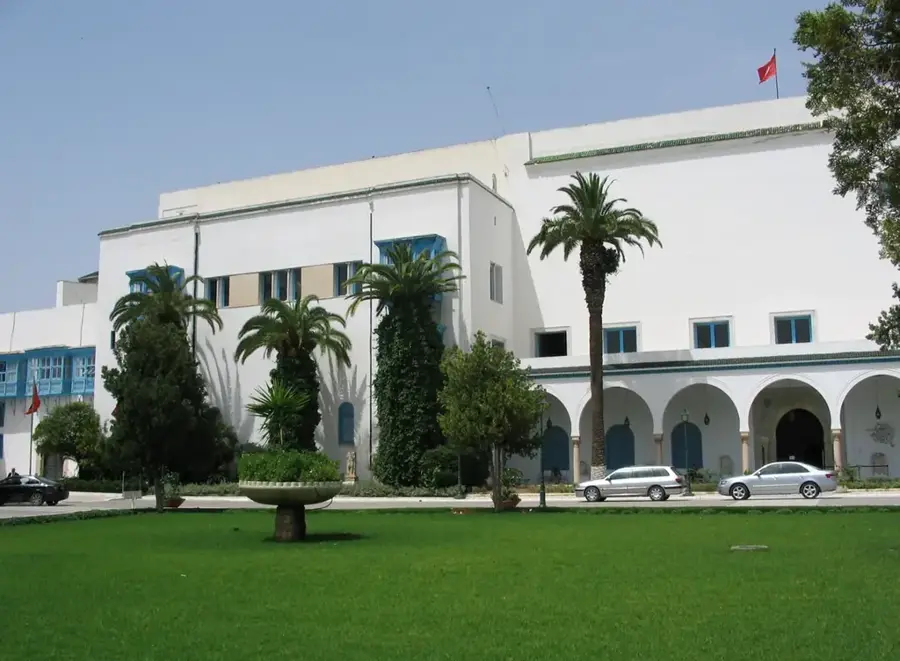
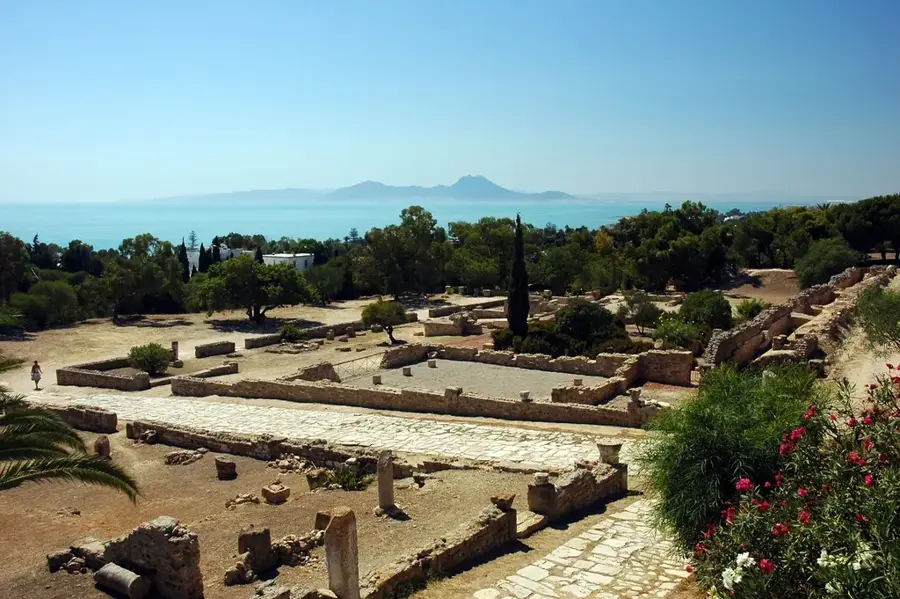
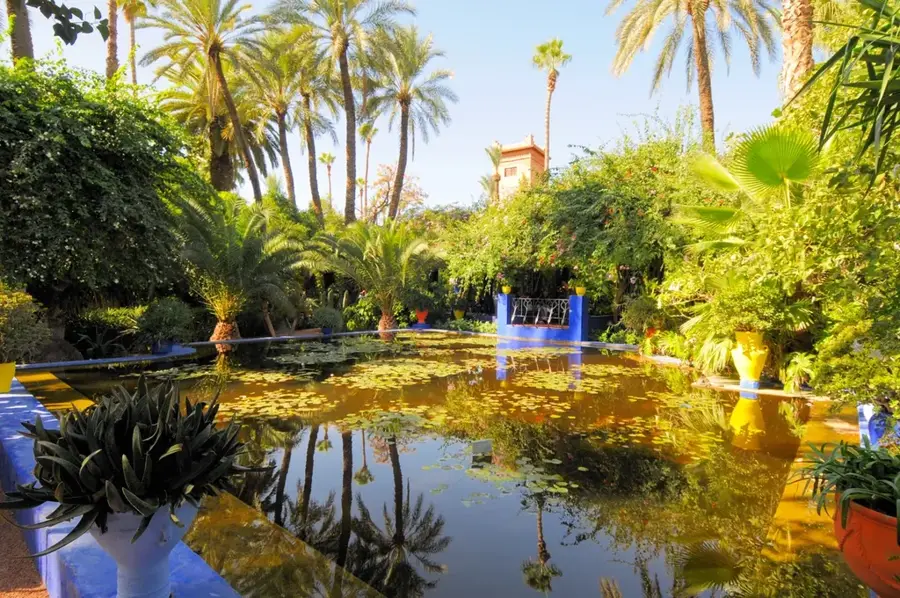
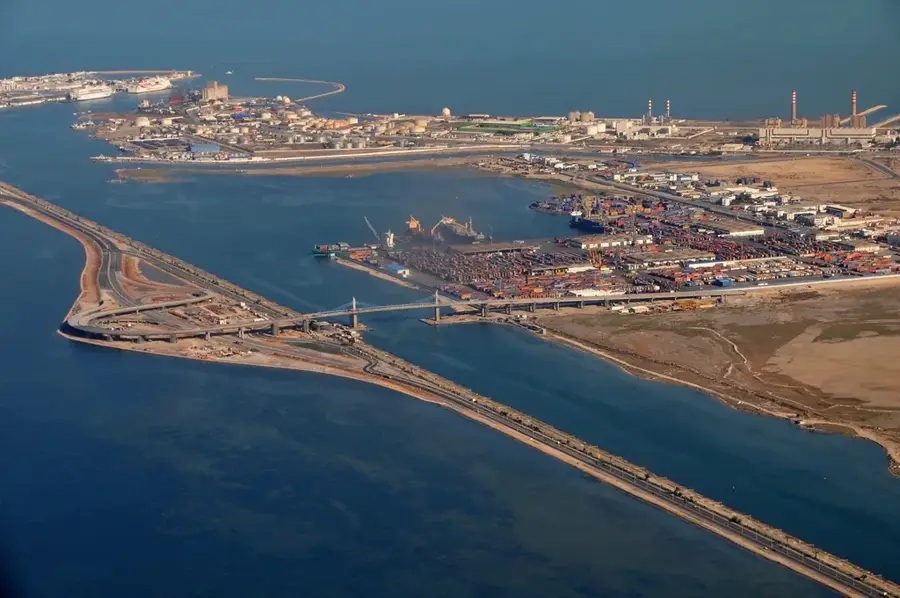
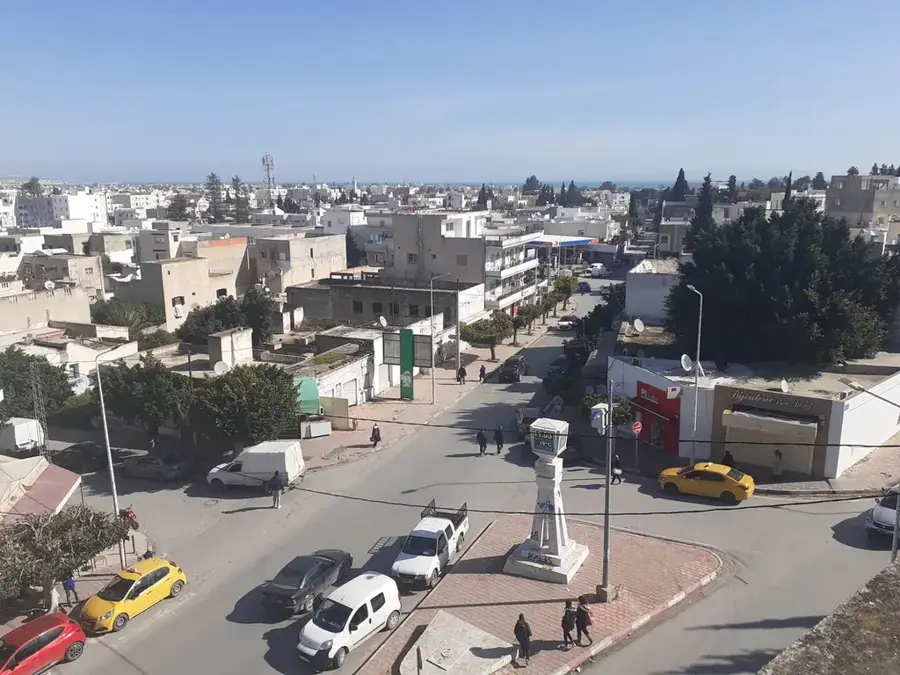
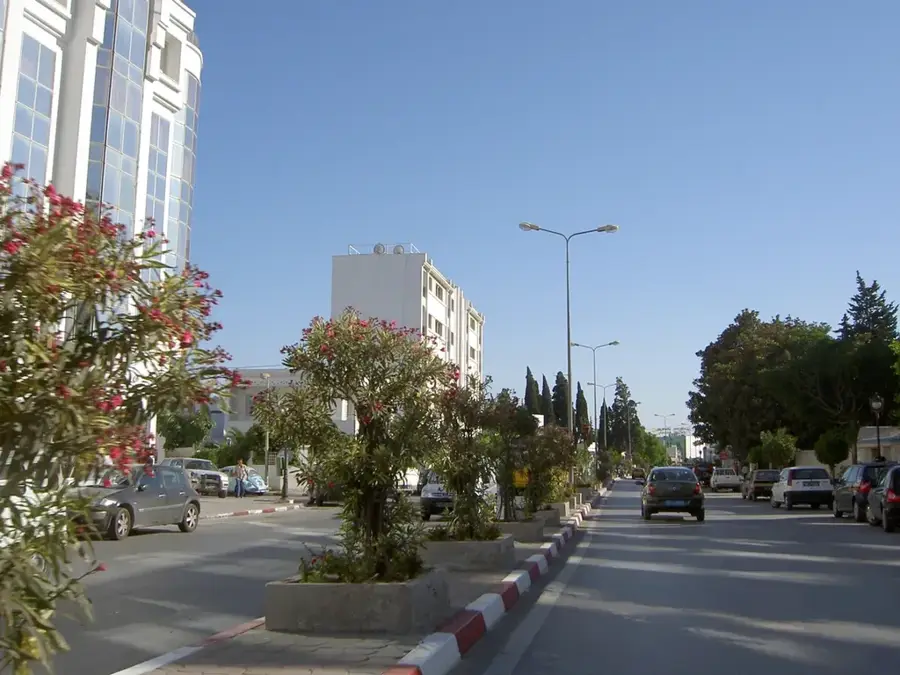
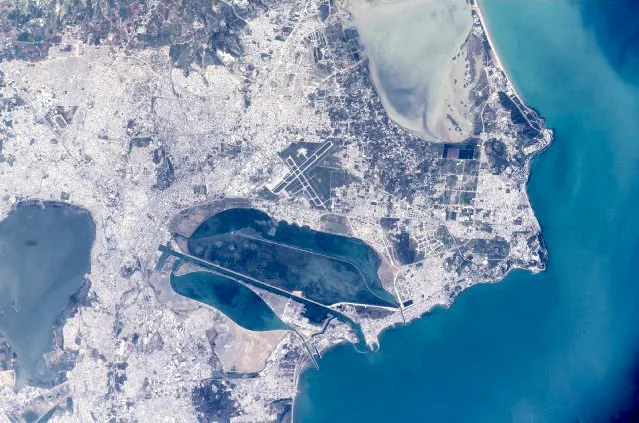
Carthage, one of the most legendary cities of the ancient world, is today a sophisticated and historically rich suburb of Tunis on the Mediterranean coast. Founded by Phoenician settlers led by Queen Dido in 814 BC, Carthage rapidly ascended to become the dominant maritime and commercial power in the Western Mediterranean. It was the heart of an empire that famously challenged the rise of Rome during the three Punic Wars, led by legendary figures such as Hannibal. Following its total destruction by the Romans in 146 BC, it was eventually rebuilt as a Roman colony, flourishing as the capital of the African province and becoming one of the empire's grandest cities. Today, the archaeological site of Carthage is a protected UNESCO World Heritage site, featuring impressive remains such as the Baths of Antoninus, which were among the largest in the Roman world. Visitors can explore the Byrsa Hill, once the site of the Punic citadel, and the ancient Punic military and commercial ports, which were masterpieces of naval engineering. Contemporary Carthage is also the seat of the Tunisian presidential palace and numerous diplomatic residences. The blend of ancient ruins, lush greenery, and seaside elegance makes Carthage an essential cultural destination. It remains a powerful symbol of Tunisia's deep historical roots and its central role in Mediterranean history.

Best time to visit & climate

The most pleasant time to visit is May, Jun, Oct.

JanFebMarAprMayJunJulAugSepOctNovDec
Avg °C131214161923262725221814
Rain mm52425542271752071635260

Geography

Population
17,010 (2024)
Coordinates
36.85290, 10.32280

Facts

  • Carthage was founded in 814 BC by the Phoenician Queen Dido according to tradition.
  • The city was entirely destroyed by Rome in 146 BC at the end of the Third Punic War.
  • The Antonine Baths were the second-largest public baths in the entire Roman Empire.
  • Carthage has been designated as a UNESCO World Heritage site since 1979.
  • The ancient Punic military port could accommodate over 220 warships at once.
  • Carthage is currently home to the official residence of the President of Tunisia.

Explore nearby

Notable places around

Route planner — Car & Motorhome

Where do you start? We build the route here, with stops and country notes along the way.

Vehicle
Only stops with (optional):

© OpenStreetMap contributors · OpenRouteService

Sights in the town Carthage (4)

Dramart🎭 culture

Dramart is a theatre in Carthage that presents both contemporary and classic performances.

🕒 Mo-Fr 08:00-18:00

Cirque de Carthage🏺 historical

The Cirque de Carthage is the archaeological site of an ancient Roman chariot racing track in Carthage.

Amphithéâtre de Carthage🏺 historical

The Amphithéâtre de Carthage displays the remains of a grand Roman arena that once hosted gladiator games.

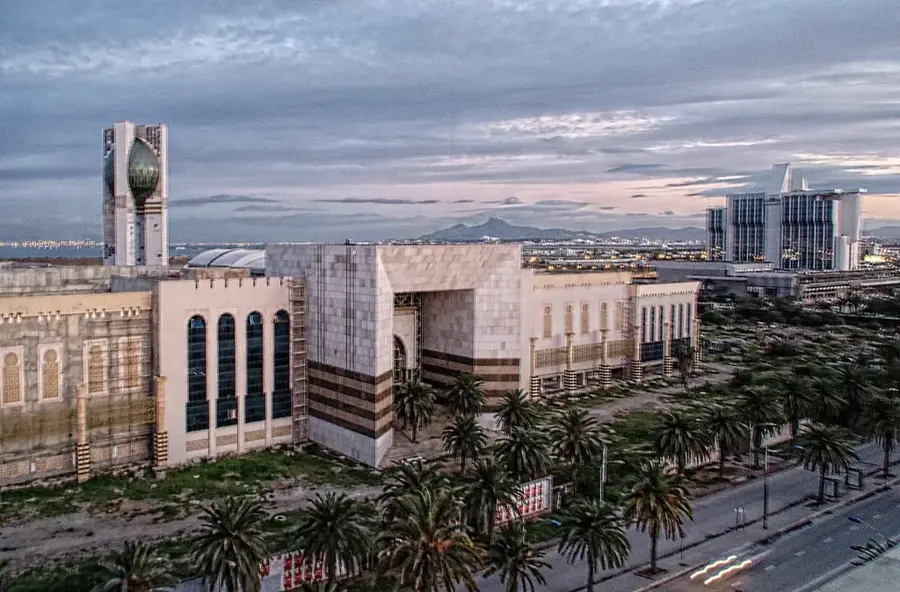
Le Kram - Exhibition and International Trade Center of Tunis🎭 culture

The Le Kram Exhibition Center near Carthage is a major complex hosting international trade fairs and art events.

Frequently asked questions

How many days should I plan for Carthage?
A full day is sufficient to visit the extensive archaeological sites.
Are the sites all in one location?
No, the ruins are spread over a large area; using a taxi is advisable.
When is the best time to visit?
Spring or autumn are convenient for exploring in mild temperatures.
Is there a combined ticket for all sites?
Yes, there is a central ticket that grants access to most archaeological areas.
Is there an entry fee?
Yes, an entry fee is charged for most archaeological parks and museums.
Carthage: where is it located?
Carthage is located in Tunisia.
Carthage: what is there to see?
Highlights include Dramart, Cirque de Carthage, Amphithéâtre de Carthage.
Carthage: when is the best time to visit?
The most pleasant time to visit is May, Jun, Oct.
Carthage: why is it worth visiting?
Carthage, one of the most legendary cities of the ancient world, is today a sophisticated and historically rich suburb of Tunis on the Mediterranean coast.
View on map → The Top 50 Attractions → OpenStreetMap →
Africa
Explore with Plizio Discover more places in Africa
More places in Tunisia →

Nearby cities

History & landmarks

More places