Plizio Visual Lab
Tunis
ℹ️Practical info — Tunis
▾
🌤 Weather — 5 days
📍 Nearby
Sights nearby
💡 Tips
- Use the TGM light rail to easily and cheaply reach Carthage and Sidi Bou Said from the center.
- Accept that you will get lost in the Medina; just keep walking downhill to eventually exit.
- Haggling is expected in the souks; start at a third of the asking price, but do it with a smile.
- Dress modestly when exploring the Medina or religious sites to respect local customs.
- Keep in mind that most museums and sites close on Mondays, so plan accordingly.
🍽 Food
A crispy fried pastry typically filled with egg and tuna, widely available in small Medina eateries.
Fish couscous, a local coastal specialty best enjoyed in the seafood restaurants of La Goulette.
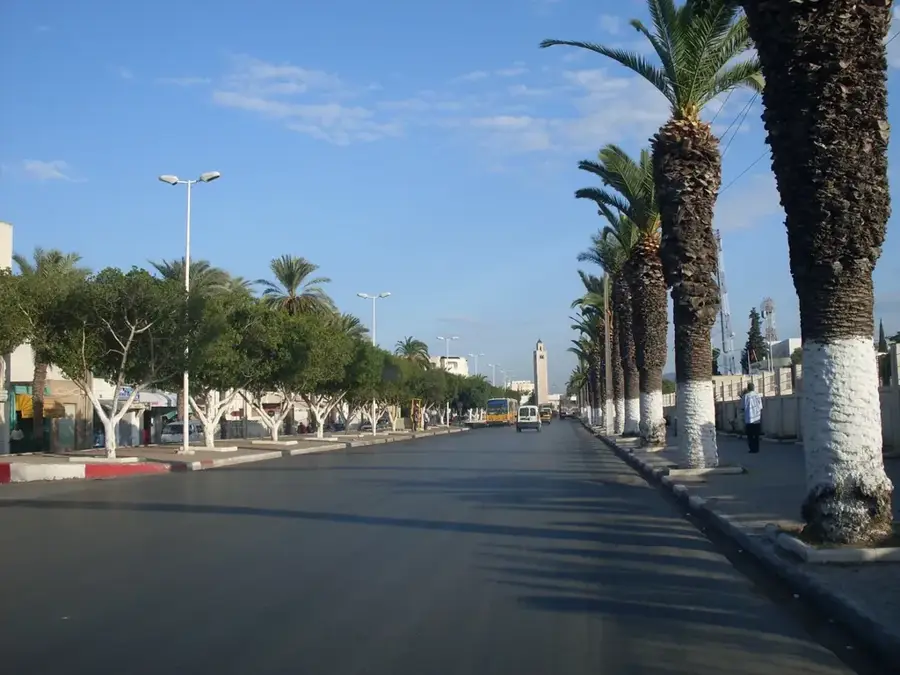
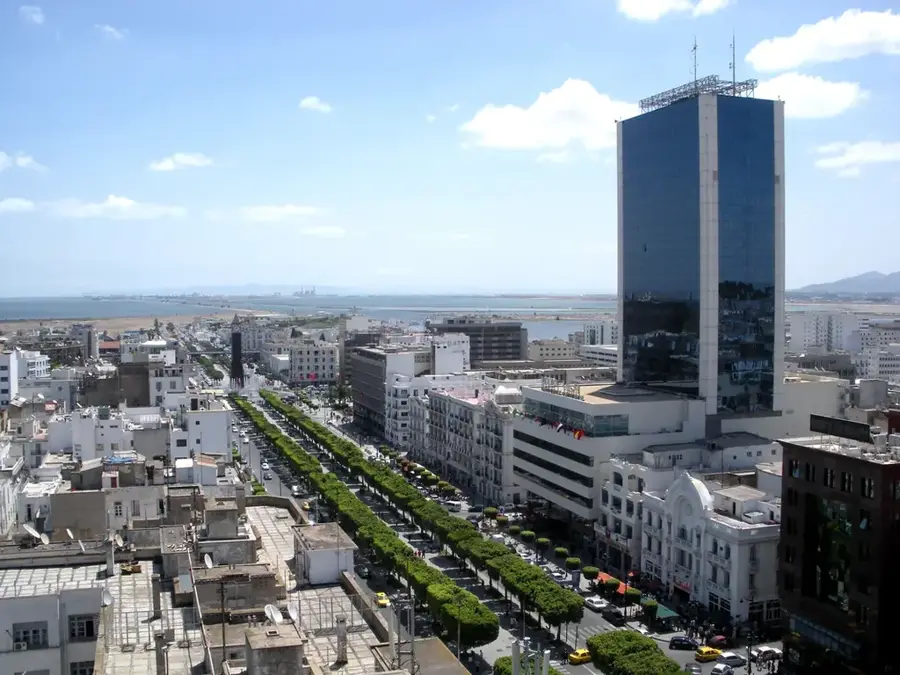
Sit at a lively café terrace on Avenue Habib Bourguiba to enjoy this sweet, classic drink.
🛍 Shopping · 🧘 Quiet spots
The traditional area in the Medina dedicated to the makers of iconic red wool hats.
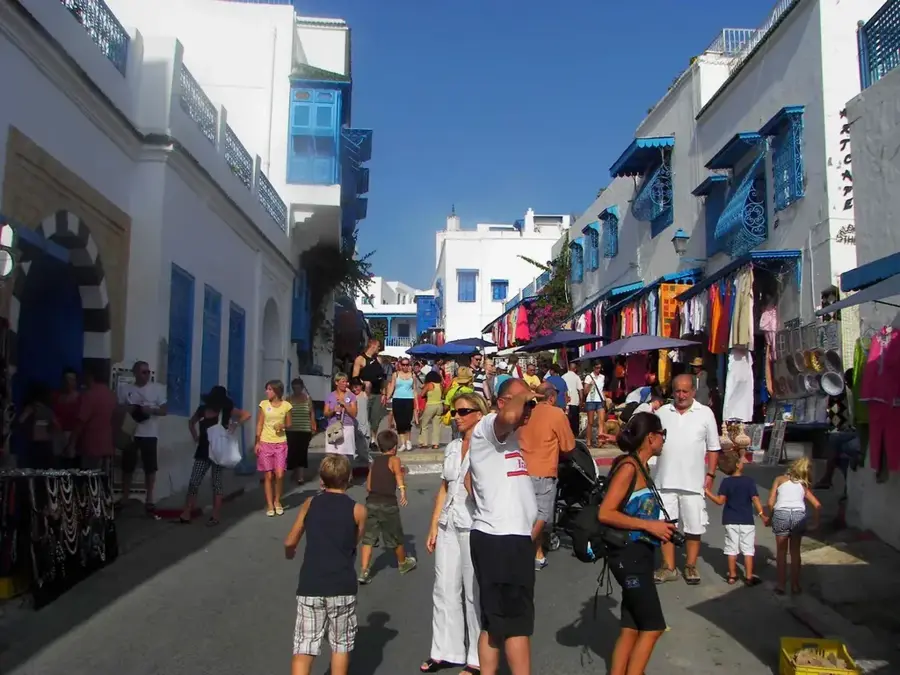
Beautifully painted items can be found especially around Sidi Bou Said and the Medina.
Sturdy and beautiful bowls and utensils are widely available in the main tourist souks.
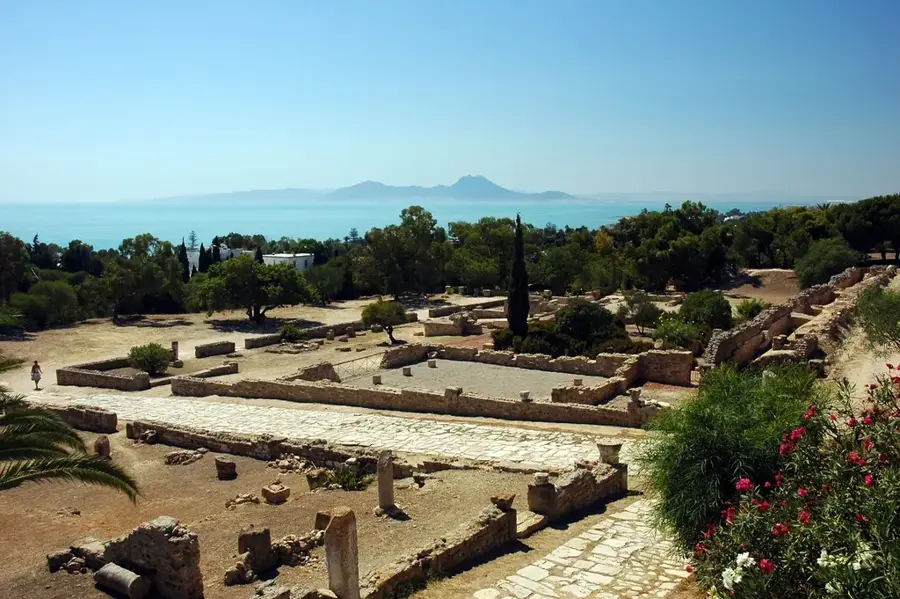
Gives historic ruins and a wonderful, breezy panoramic view over the Gulf of Tunis.
The largest park in the city, providing a green escape from the bustling streets.
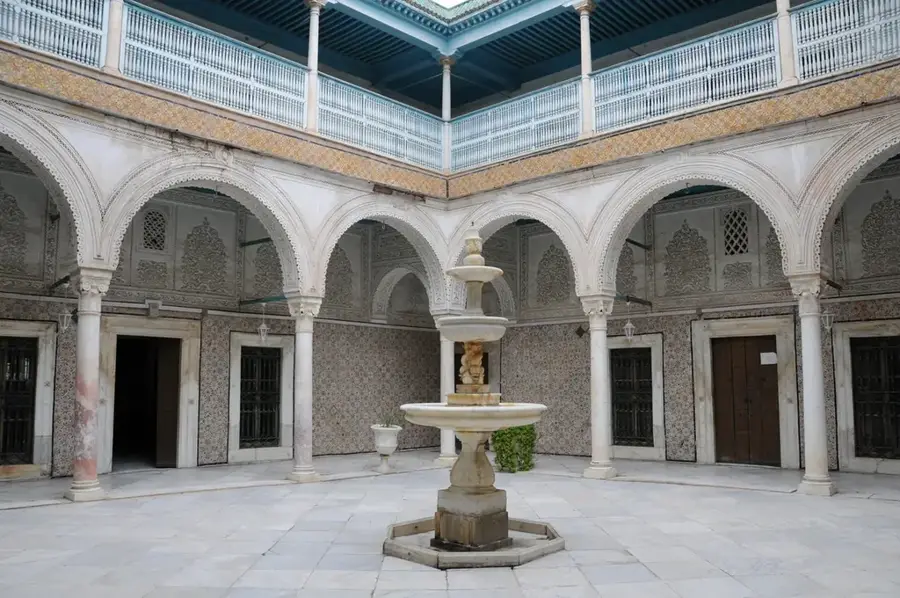
Step inside these historic buildings in the Medina for an instant sense of tranquility.
Water temperature…
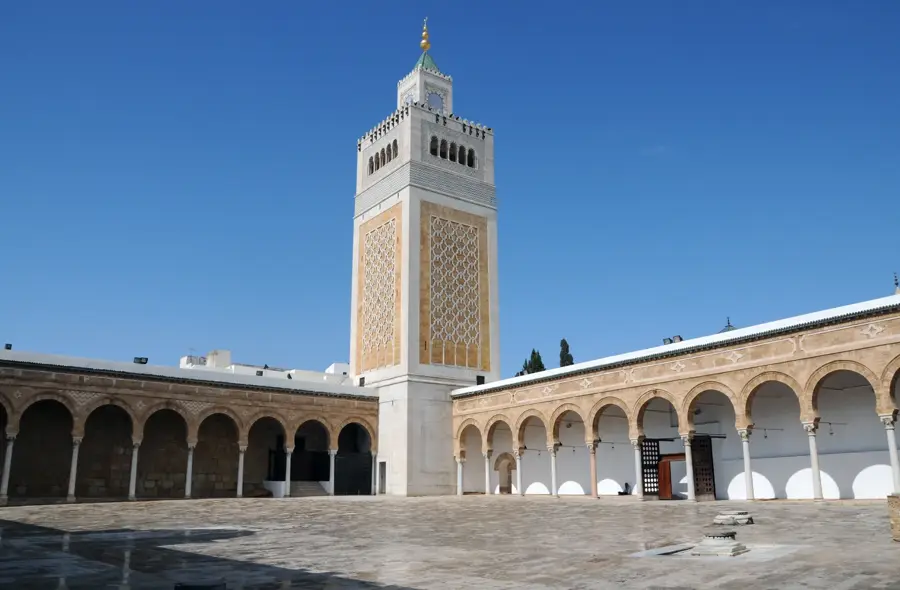
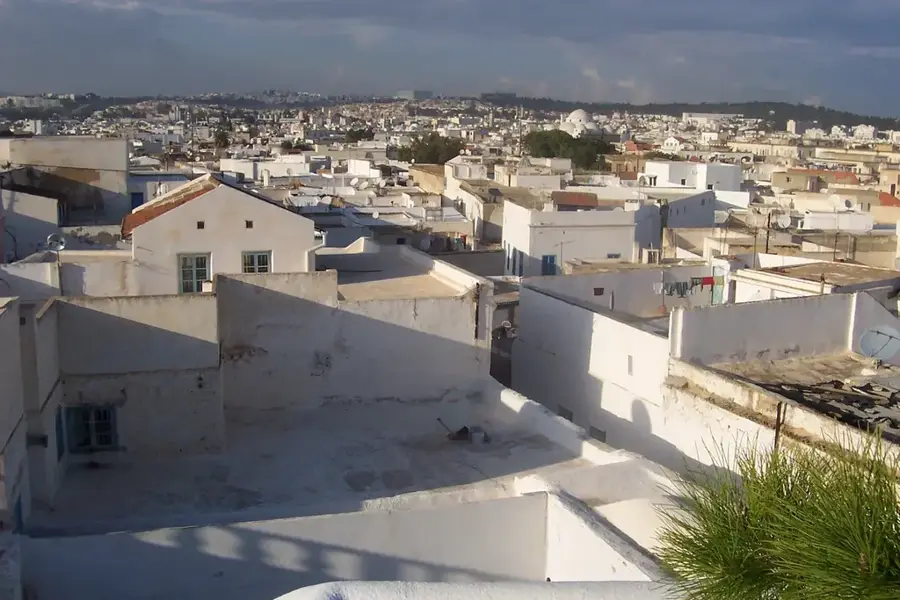
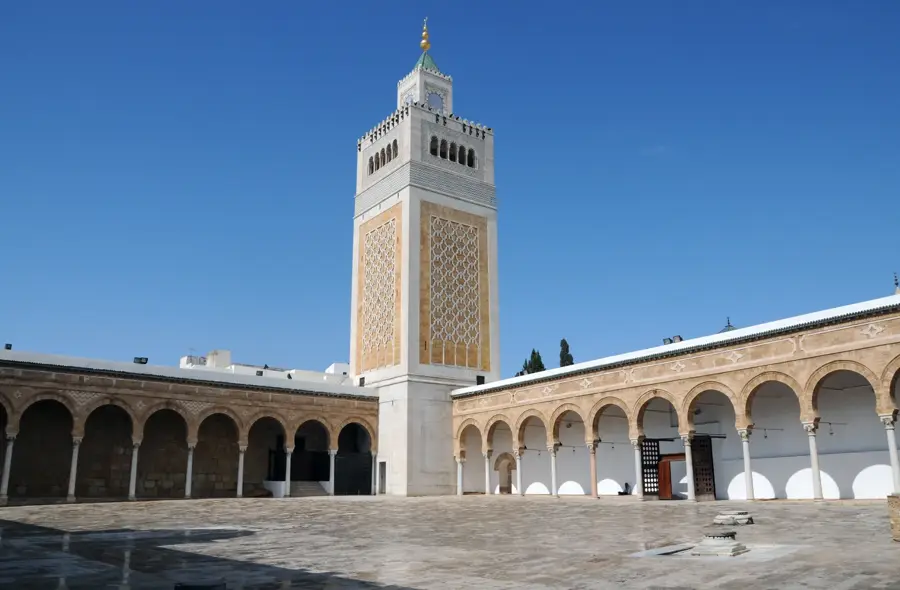
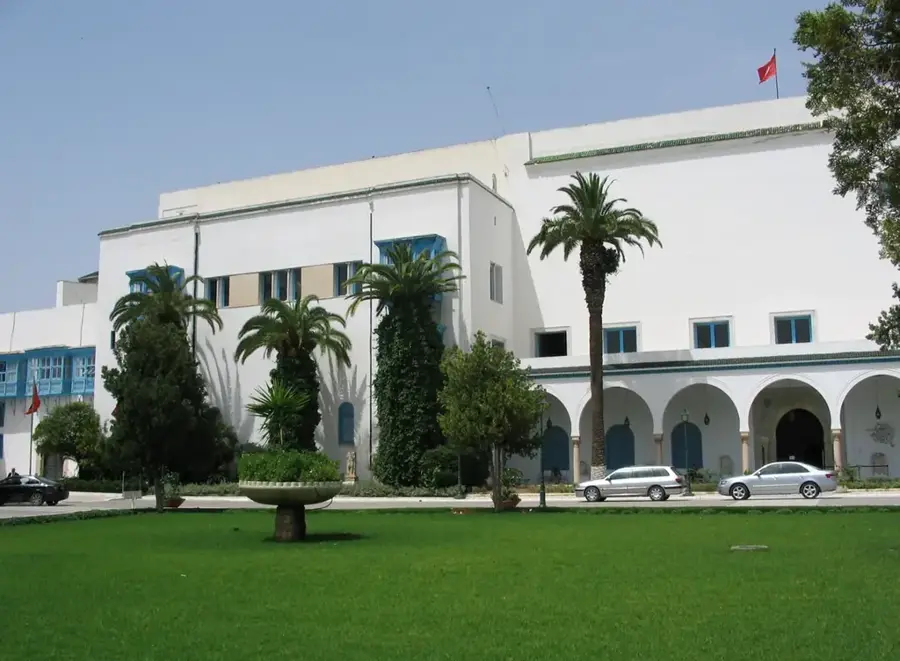
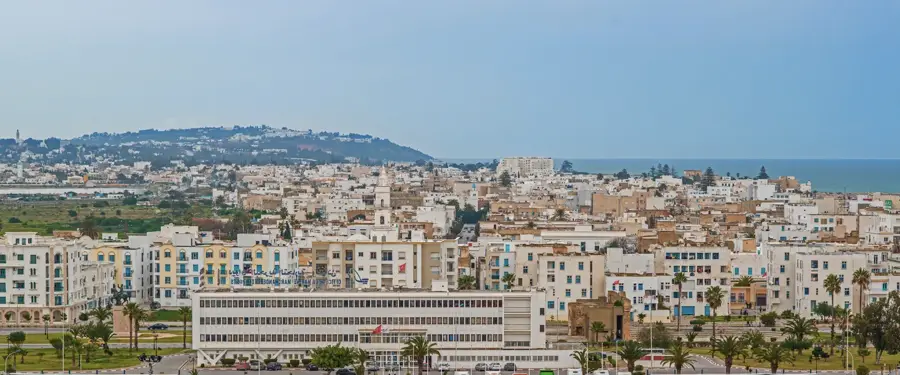
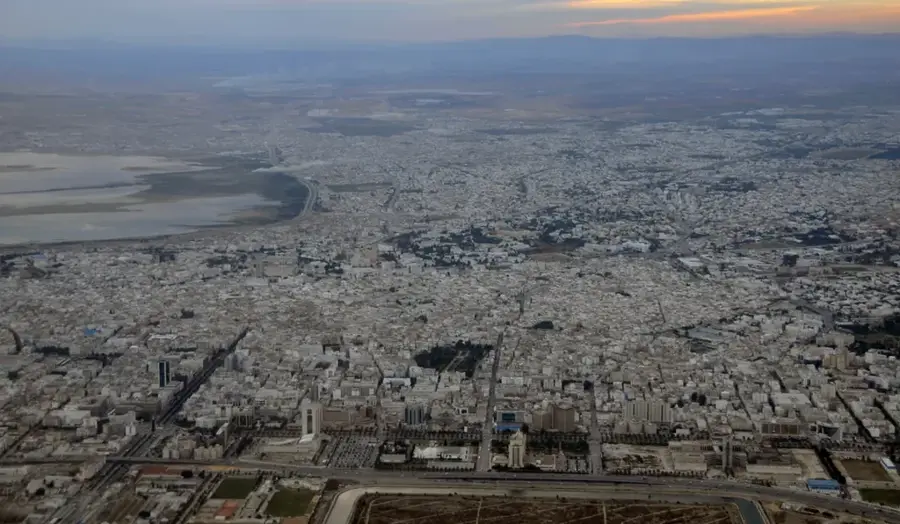
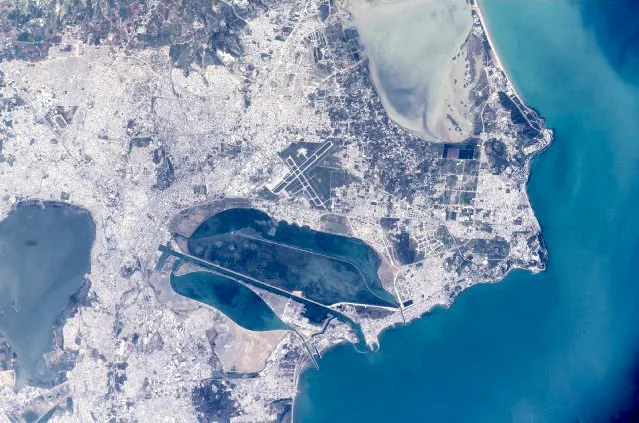
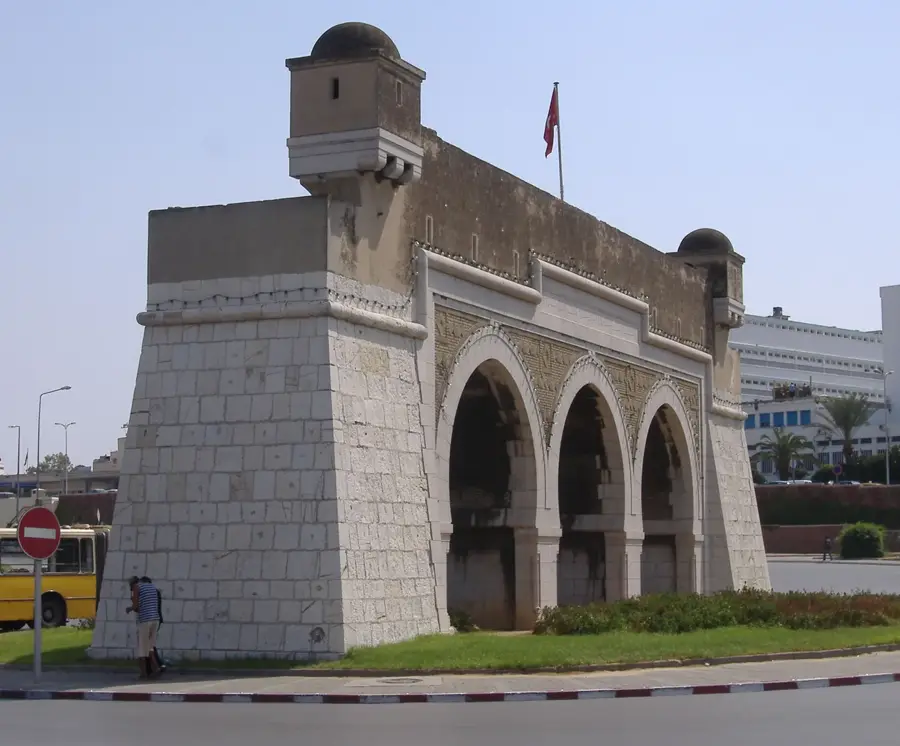
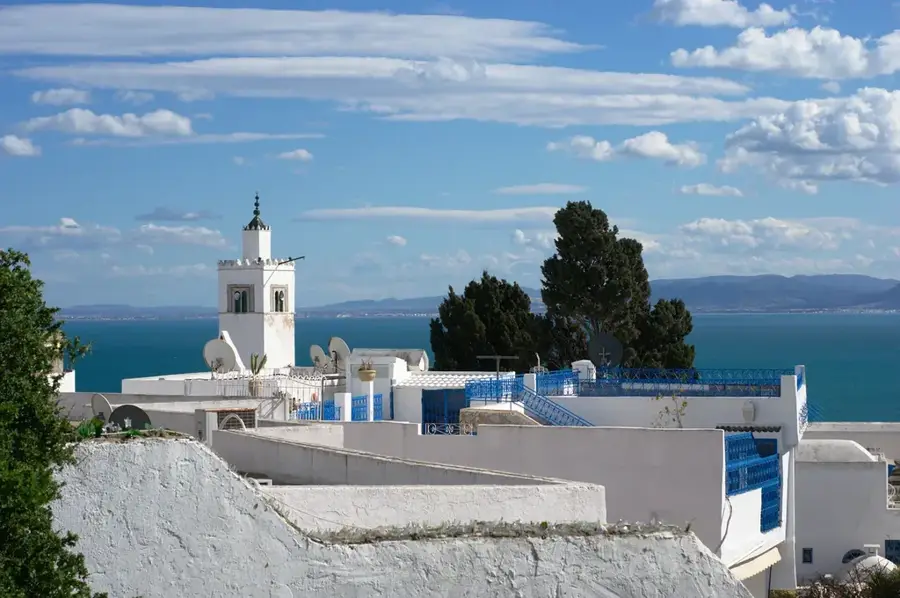
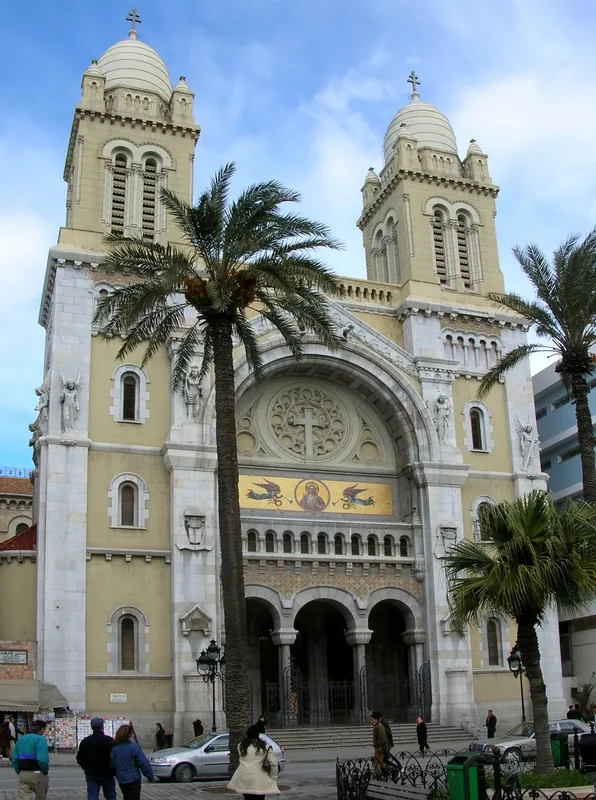
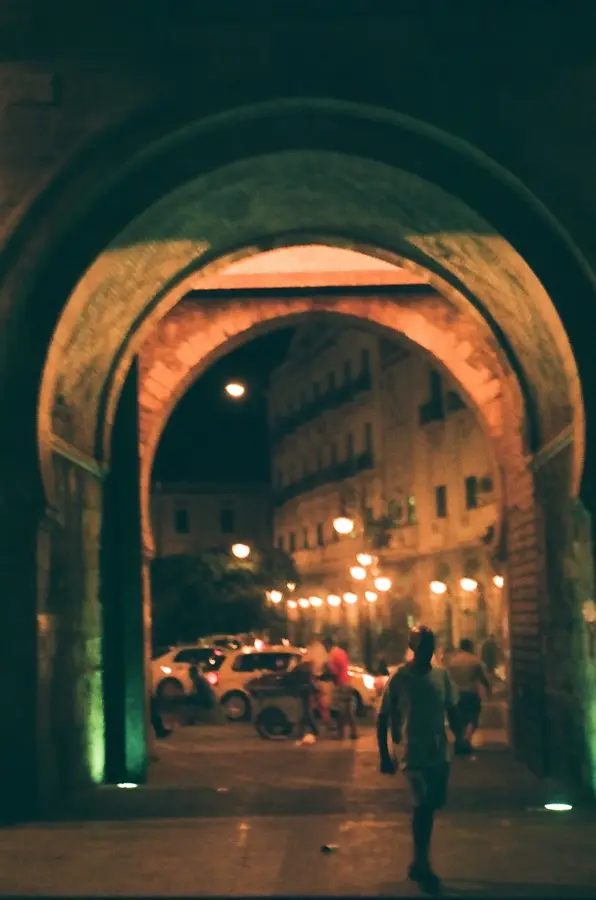
Tunis, the bustling capital of Tunisia, is a city where layers of history coexist with a modern, outward-looking Mediterranean spirit. Situated in the northeast of the country on the Gulf of Tunis, the city is geographically defined by the Lake of Tunis, which separates the urban center from its Mediterranean ports. The historical core is the Medina, a UNESCO World Heritage site since 1979, containing over 700 monuments including the legendary Al-Zaytuna Mosque and various traditional markets. Surrounding this medieval heart is the 'Ville Nouvelle', an elegantly planned colonial-era district featuring broad avenues, neoclassical architecture, and the iconic St. Vincent de Paul Cathedral. The city's destiny has been forever shaped by its proximity to ancient Carthage, whose ruins remain a major cultural landmark in the northern suburbs. Tunis is the uncontested political, economic, and administrative heart of the nation, housing the government, major financial institutions, and the strategic port of La Goulette. The city’s cultural landscape is anchored by the Bardo National Museum, home to a world-class collection of Roman mosaics and artifacts. Education and intellectual life flourish here, supported by historic institutions like the University of Carthage and Ez-Zitouna University. The urban experience in Tunis is a blend of traditional Maghrebi lifestyle and cosmopolitan flair, visible in its spirited street life, diverse culinary scene, and modern art galleries. As a regional hub for North African diplomacy and trade, the city continues to modernize its infrastructure while preserving its unique aesthetic, a mix of white-washed walls, blue accents, and lush gardens. Whether walking through the aromatic souks or the trendy seaside suburbs like Sidi Bou Said, Tunis remains a captivating gateway that bridges the gap between the African continent and the European world.
- Location: Tunisia
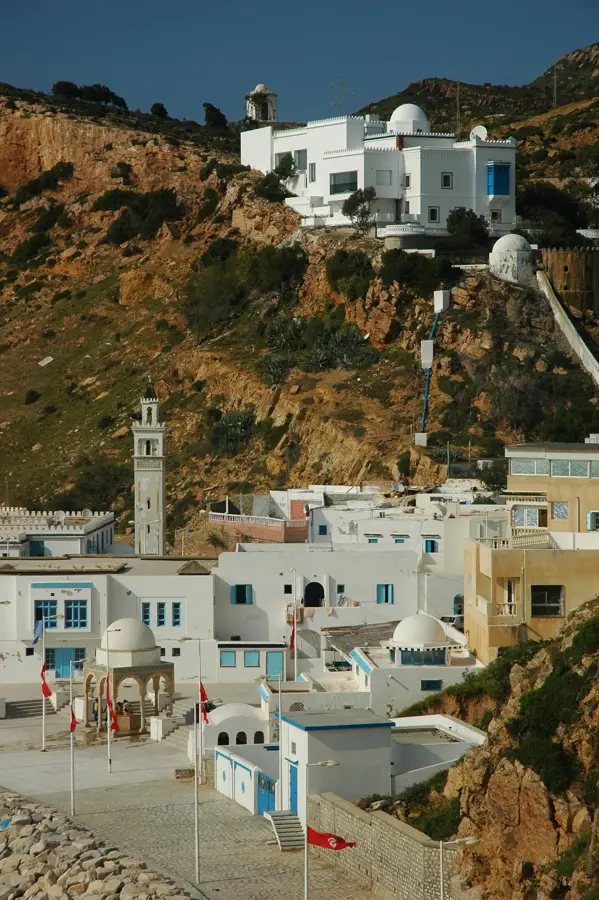
- Top sights: Mausolée Sidi Mohamed el Halfaoui · Grand Synagogue of Tunis
- Nearby: Radès (10 km)
- Population: ~693.210 (2026)
Best time to visit & climate
The most pleasant time to visit is May, Jun, Oct.
| Jan | Feb | Mar | Apr | May | Jun | Jul | Aug | Sep | Oct | Nov | Dec | |
|---|---|---|---|---|---|---|---|---|---|---|---|---|
| Avg °C | 11 | 11 | 13 | 16 | 20 | 24 | 28 | 28 | 25 | 21 | 16 | 13 |
| Rain mm | 64 | 50 | 63 | 54 | 35 | 20 | 7 | 21 | 65 | 61 | 57 | 66 |
Geography
Facts
- Tunis is the largest city in Tunisia and its commercial engine.
- The Medina was founded in 698 AD after the Arab conquest.
- Carthage was the center of punic power and later a major Roman city.
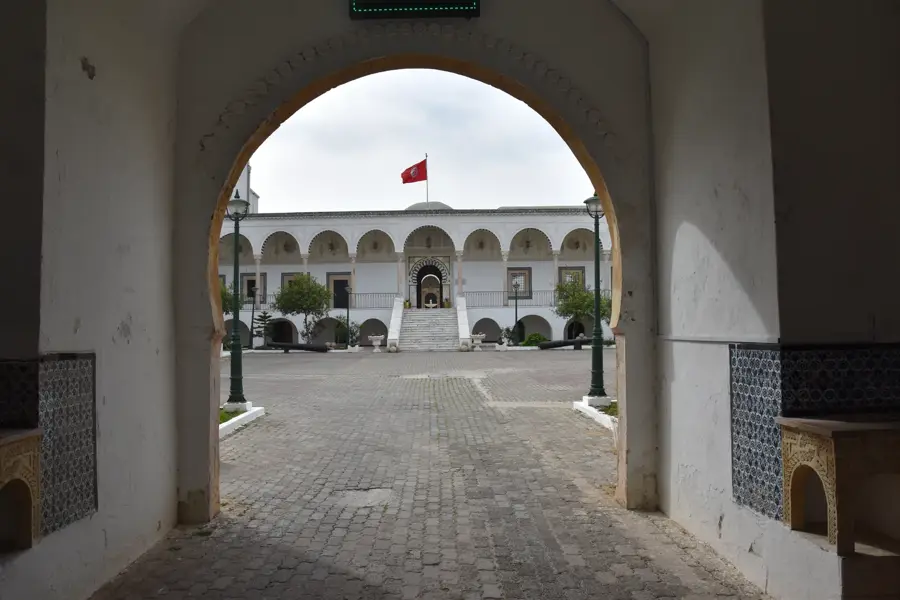
- The Bardo National Museum is located in a 19th-century palace.
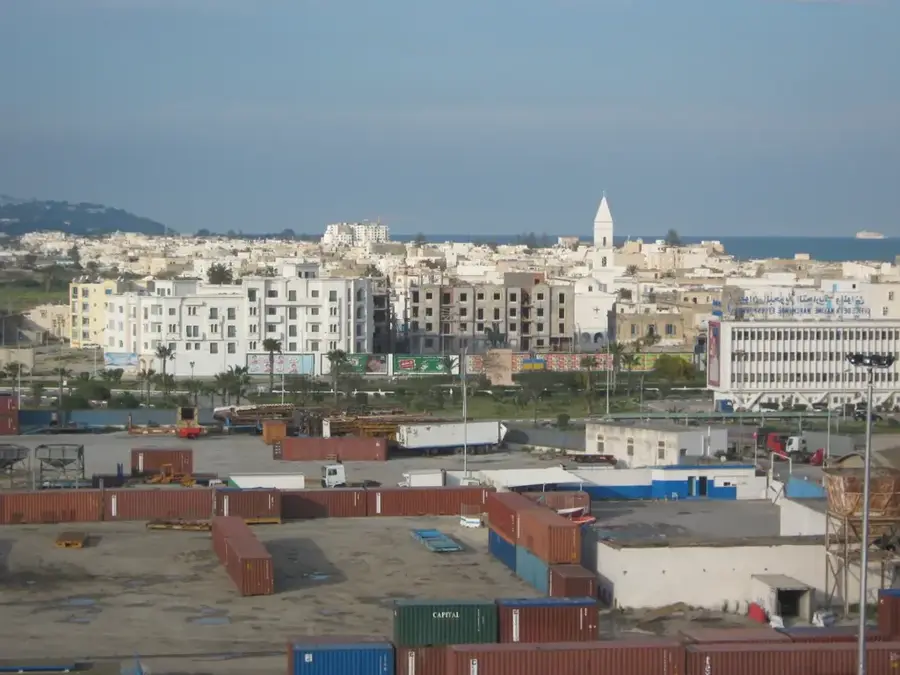
- La Goulette is the main port for ferries arriving from Italy and France.
- The city's central artery is named after the first president, Habib Bourguiba.
- Sidi Bou Said is known as the 'village of artists' in the capital area.
- The Ez-Zitouna Mosque remains a major center for Maliki jurisprudence.
Explore nearby
Notable places around
Route planner — Car & Motorhome
Where do you start? We build the route here, with stops and country notes along the way.
© OpenStreetMap contributors · OpenRouteService
Sights in the town Tunis (2)
Frequently asked questions
How many days for Tunis?
Is it safe?
When is the best time?
What is a must?
Is there local food?
Tunis: where is it located?
Tunis: what is there to see?
Tunis: when is the best time to visit?
Tunis: why is it worth visiting?

Nearby cities
History & landmarks
More places