Plizio Visual Lab
Nabeul
ℹ️Practical info — Nabeul
▾
🌤 Weather — 5 days
📍 Nearby
Sights nearby
💡 Tips
- Visit the Friday morning market early before tour buses arrive.
- Negotiate prices for pottery in the market, but expect fixed prices in state-run artisan shops.
- The main beach gets crowded in summer; walk further down the coast for quieter spots.
- Try the local orange blossom water, especially during the spring distillation season.
🍽 Food
Small local cafes near the central market.
Buy it freshly made at the traditional market (souk).
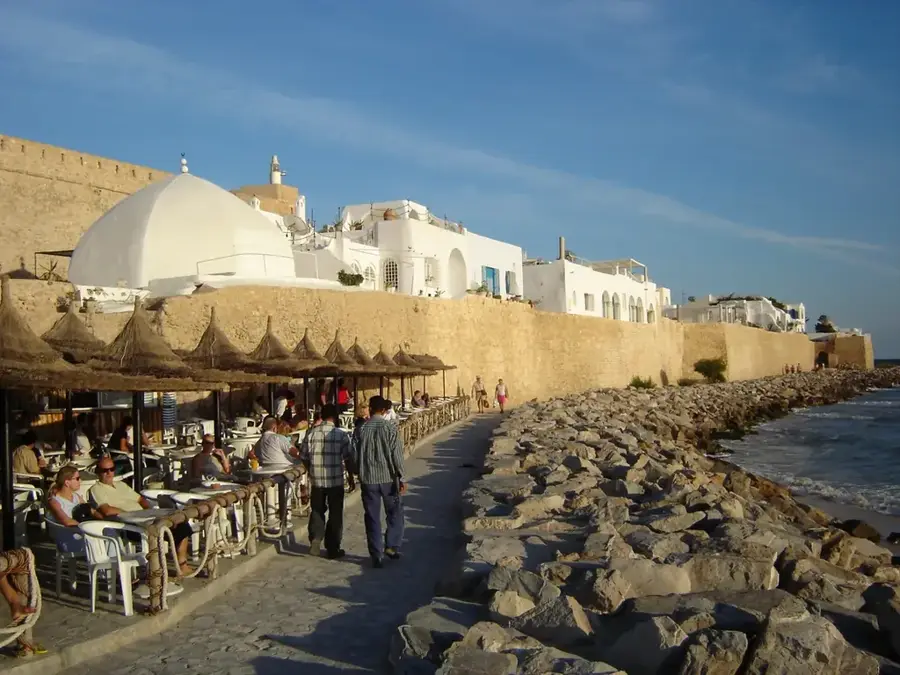
Restaurants along the coastal promenade.
🛍 Shopping · 🧘 Quiet spots
The Village Artisanal for high-quality and traditional items.
Good for spices, carpets, and all kinds of local goods.
Traditional rush mats found in the small shops of the Medina.
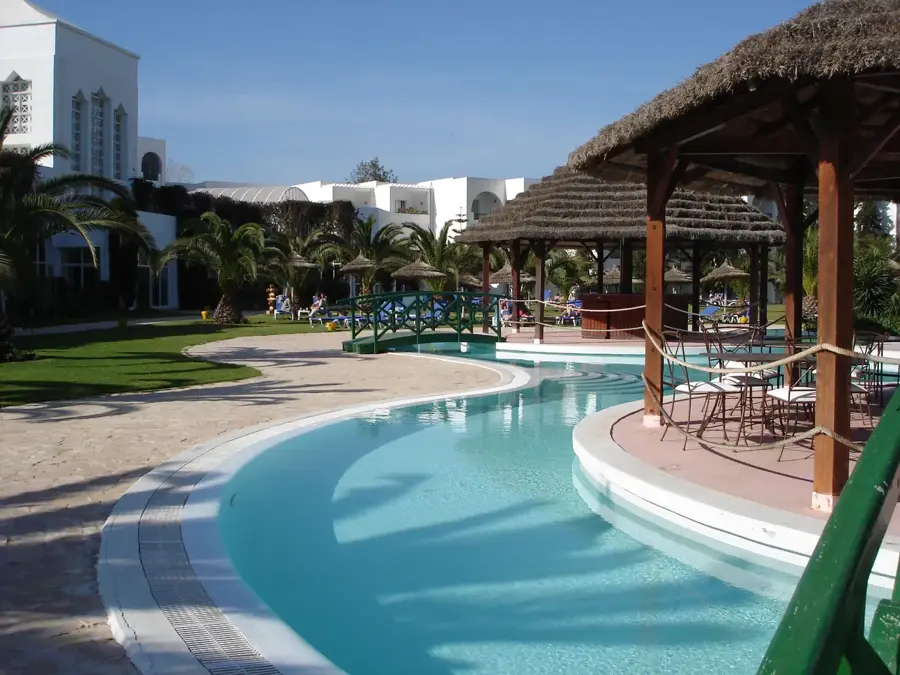
A calmer stretch of sand away from the large resort hotels.
A peaceful spot shaded by trees in the middle of Nabeul.
Water temperature…
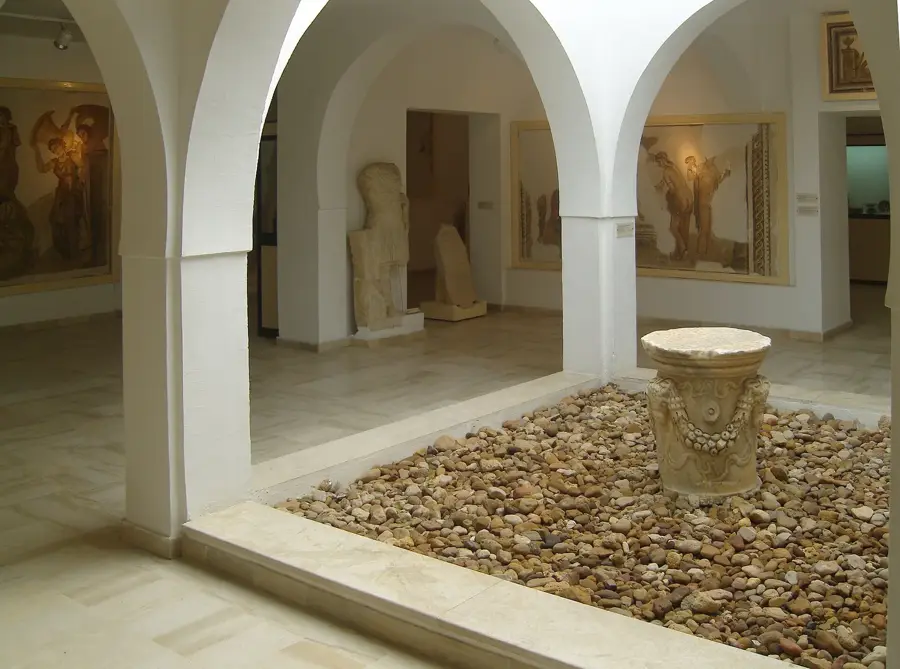
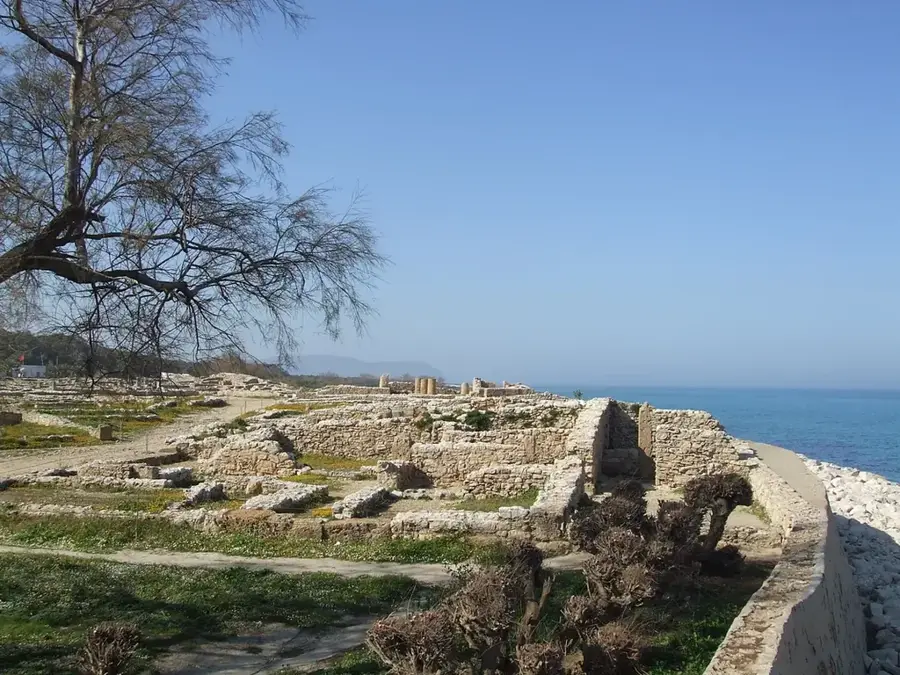
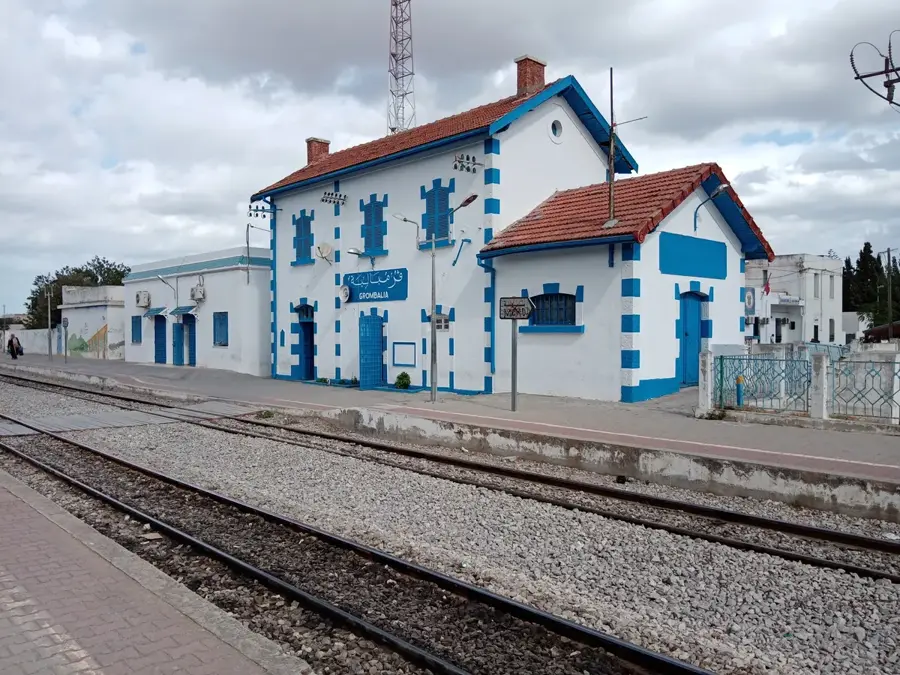
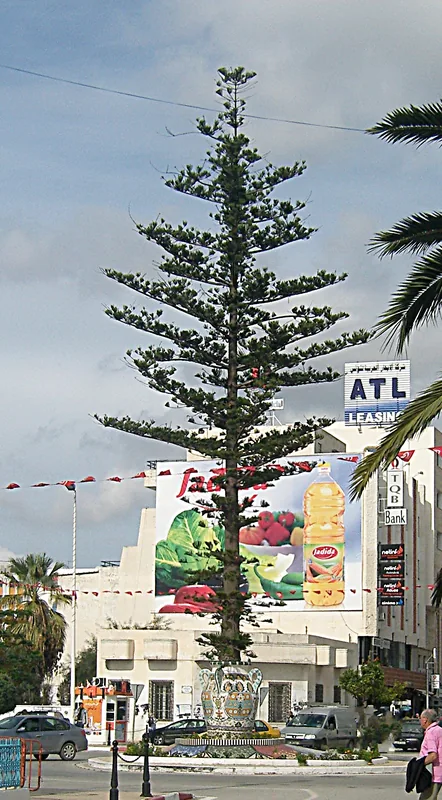
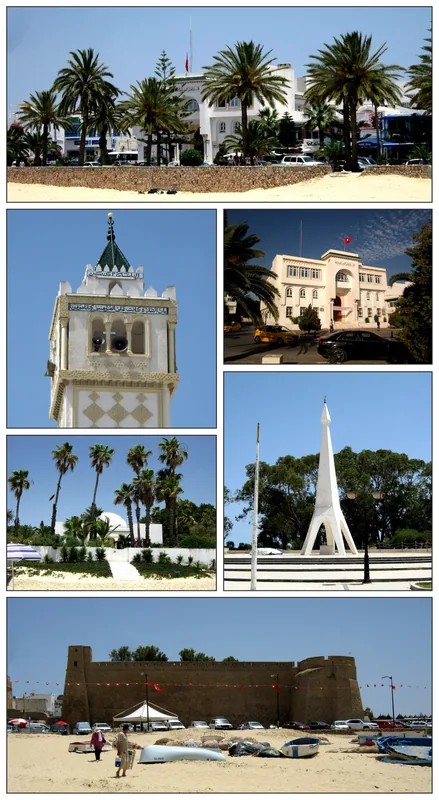
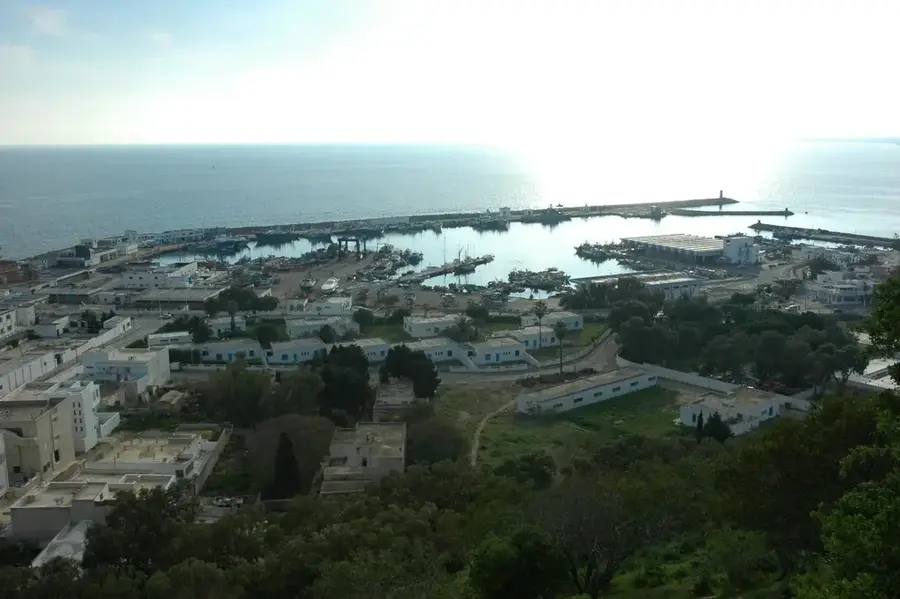
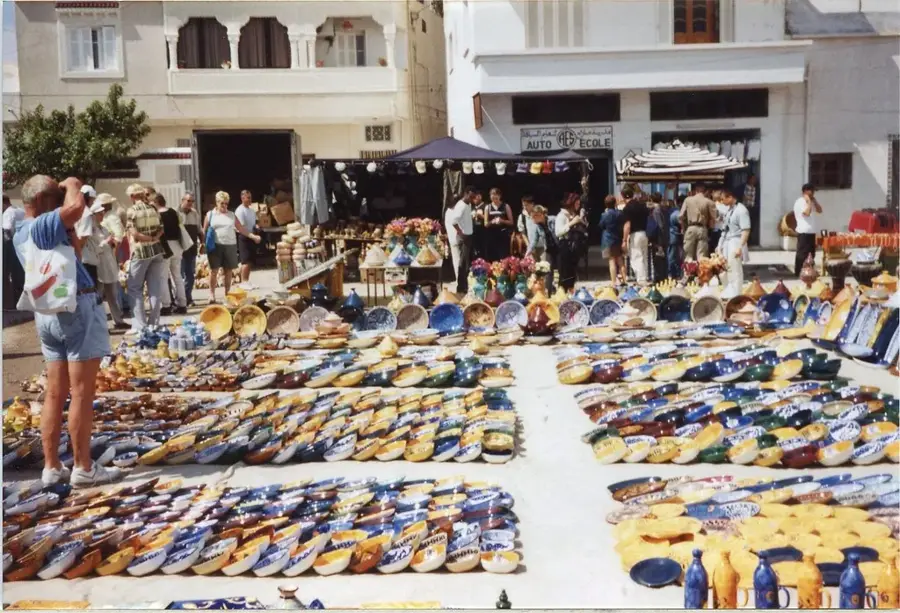
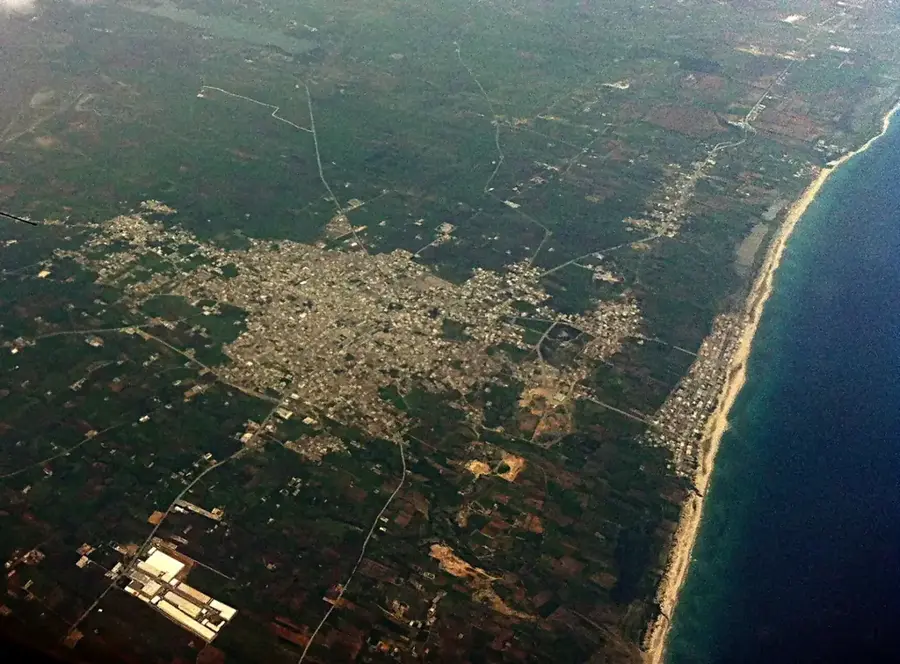
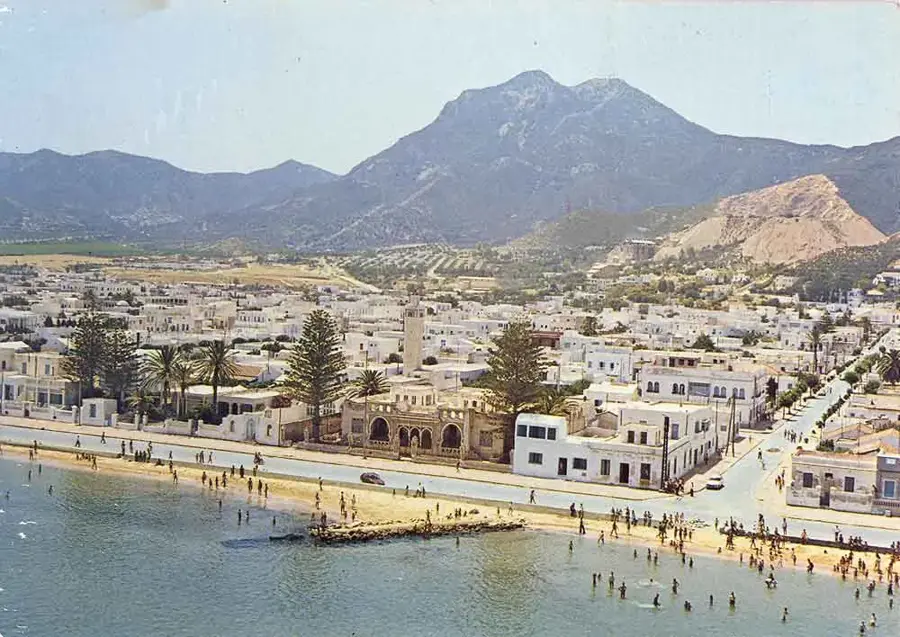
Nabeul, the ancient Neapolis, serves as the capital of the Nabeul Governorate and stands as the principal city of the Cap Bon peninsula in northeastern Tunisia. Its history stretches back over two millennia, originating as a Phoenician trading post before flourishing into a major Roman center known for its mosaic artistry and maritime commerce. Geographically, Nabeul occupies a prime coastal position along the Gulf of Hammamet, where its Mediterranean climate fosters an environment described as the garden of Tunisia. The city is surrounded by vast groves of citrus trees, particularly the Seville orange, which powers a significant local industry in essential oil distillation and perfume production. Economically, Nabeul is inseparable from its artisanal heritage, holding the title of Tunisia's ceramic capital. The city's streets are lined with workshops where craftsmen create intricately painted pottery, a tradition that blends Andalusian influences with North African techniques. Beyond crafts, Nabeul is a vital administrative and educational hub, hosting various regional institutions. Its tourism sector is robust, characterized by a more relaxed and authentic atmosphere than neighboring Hammamet, offering long stretches of sandy beaches and a historic medina that has largely remained a working commercial center for locals. The weekly Friday market remains one of the largest in North Africa, acting as a crossroads for trade in textiles, spices, and livestock. Demographically, the city has experienced steady urbanization, reaching a population of approximately 75,000 residents. The local culture is celebrated through festivals such as the Orange Blossom Festival and the Harissa Festival, highlighting the city's agricultural pride. Nabeul also serves as a gateway to the diverse landscapes of Cap Bon, from the rugged cliffs of El Haouaria to the vineyards of Grombalia, making it a pivotal site for understanding the intersection of Tunisian history, industry, and geography.
- Location: Tunisia
- Top sights: Plage de Boumnir · Base Nautique N°34 · Huilerie GATTOUSSI
- Nearby: Hammamet (13 km)
- Population: ~70.437 (2026)
Best time to visit & climate
The most pleasant time to visit is May, Jun, Oct.
| Jan | Feb | Mar | Apr | May | Jun | Jul | Aug | Sep | Oct | Nov | Dec | |
|---|---|---|---|---|---|---|---|---|---|---|---|---|
| Avg °C | 12 | 12 | 14 | 16 | 20 | 24 | 27 | 28 | 25 | 21 | 17 | 13 |
| Rain mm | 44 | 35 | 51 | 37 | 25 | 16 | 5 | 22 | 67 | 63 | 44 | 52 |
Geography
Facts
- Nabeul was the first seaside resort established in Tunisia in the early 20th century.
- The city's ancient name Neapolis is mentioned by Thucydides in the 5th century BCE.
- It serves as the administrative heart of the TN-21 ISO region (Governorate).
- The local pottery tradition dates back to at least the Roman era.
- Nabeul produces approximately 90% of Tunisia's total flower-based essential oils.
- The city sits at an elevation of 4 meters above sea level.
- The Cap Bon region, led by Nabeul, accounts for 15% of Tunisia's GDP.
- Famous for its hand-woven rush mats, a craft brought by Andalusian exiles.
Explore nearby
Notable places around
Route planner — Car & Motorhome
Where do you start? We build the route here, with stops and country notes along the way.
© OpenStreetMap contributors · OpenRouteService
Sights in the town Nabeul (4)
Frequently asked questions
Why visit Nabeul?
Is it family-friendly?
What is the best time to visit?
What is a must?
How to get there?
Nabeul: where is it located?
Nabeul: what is there to see?
Nabeul: when is the best time to visit?
Nabeul: why is it worth visiting?
Nearby cities
History & landmarks
More places