Plizio Visual Lab

Acropolium of Carthage
Plizio editorial teamData Sources
Landmark
—°12
Acropolium of Carthage (Tunisia)

Weather…

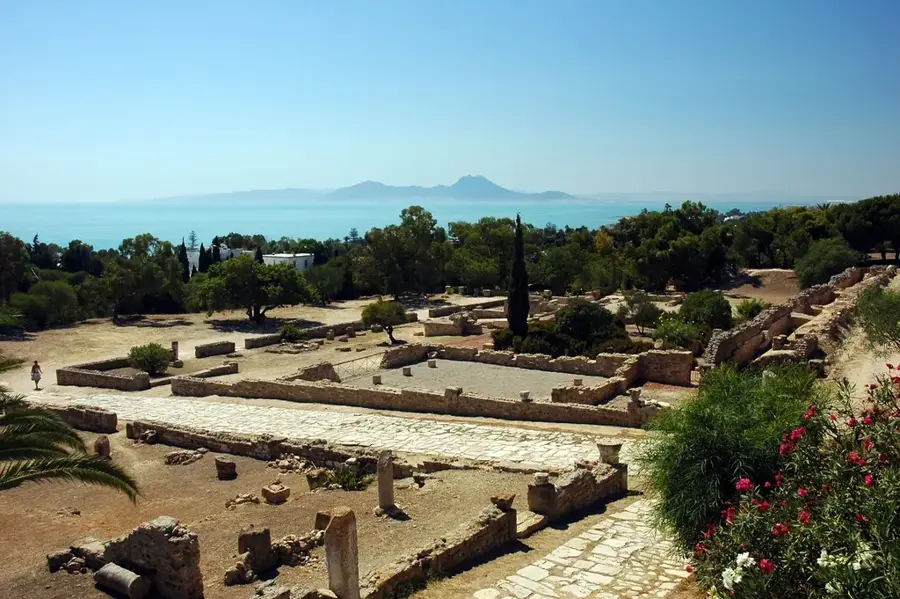
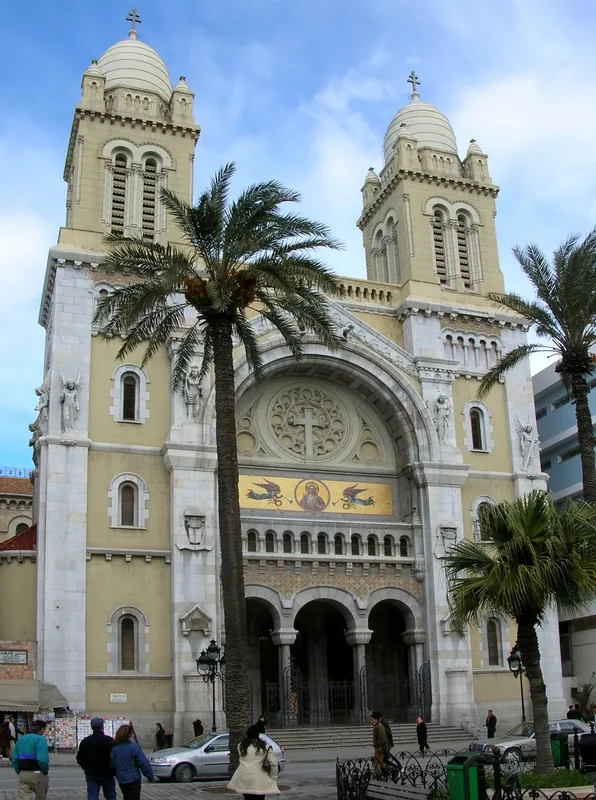
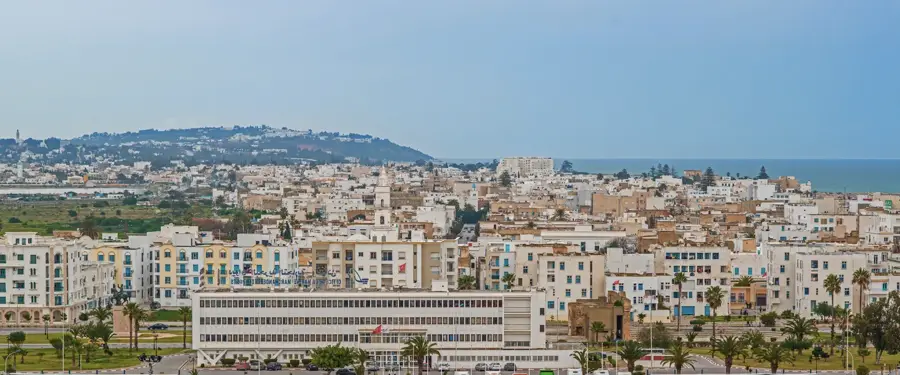
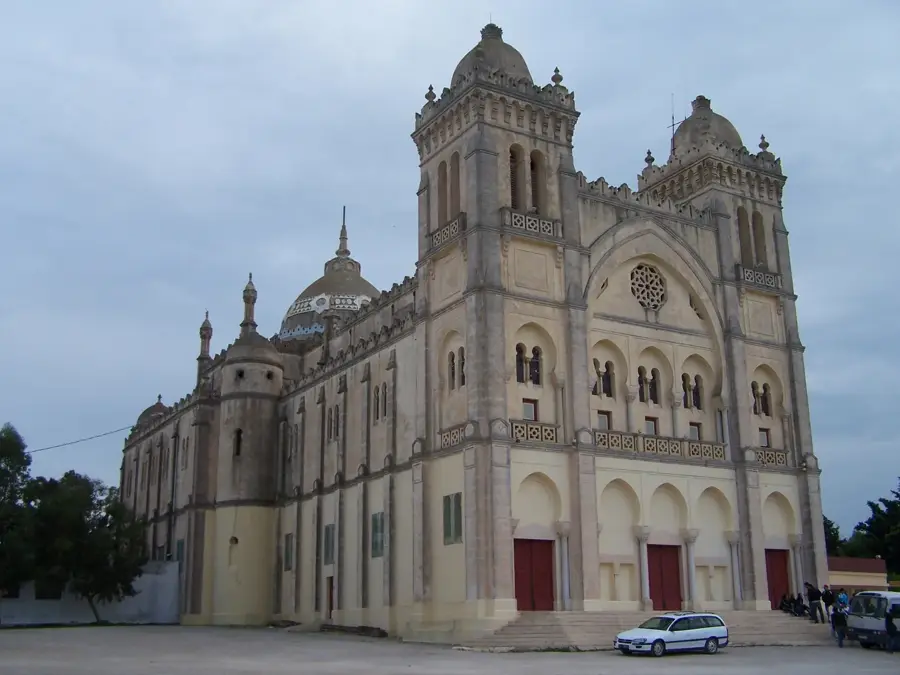
The Acropolium of Carthage, formerly the Saint Louis Cathedral, sits atop Byrsa Hill overlooking the ruins of the ancient Punic and Roman city. Built between 1884 and 1890 during the French protectorate, the cathedral was designed in a Neo-Byzantine-Moorish style and dedicated to Saint Louis IX, who died in Carthage in 1270. The architecture is striking for its two prominent towers, numerous domes, and colorful stained-glass windows that blend Christian and Oriental elements. After religious services ceased in 1964, the building served as a museum and is now primarily used as a cultural center for concerts and exhibitions. From its vantage point, visitors can enjoy expansive views across the Gulf of Tunis and the surrounding archaeological sites. It remains a significant monument of colonial history and a landmark for cultural dialogue in the region.

Best time to visit & climate

The most pleasant time to visit is May, Jun, Oct.

JanFebMarAprMayJunJulAugSepOctNovDec
Avg °C131214161923262725221814
Rain mm52425542271752071635260

📋 Practical info

🚪
Visiting
The Acropolium of Carthage is a former church building now used for cultural events. The interior is accessible during events, otherwise access is usually limited to the forecourt.
🕒
Typical hours
Since the building is used mainly for events, there are no fixed opening hours for visitors. It is advisable to check the official website in advance for public tour dates.
📷
Photography
Photography is allowed anytime outdoors, but indoors it is usually permitted only without flash. During events, photography may be restricted or prohibited.
⏱️
Time needed
Viewing the exterior and the forecourt takes about 20 to 30 minutes. If attending a guided tour or an event, allow at least one hour.
Combine with
The Acropolium sits on Byrsa Hill, where the excavations of ancient Carthage are also located. Right next to it are the ruins of the Antonine Baths, which are also worth seeing.
🧭
Getting there
The Acropolium is in the Byrsa district of Carthage and is reachable by taxi or bus (line 20 from Tunis). From the parking at the foot of the hill, a short walk leads up.
💡
Insider tip
Visit the Acropolium in the late afternoon when sunlight beautifully illuminates the stained glass windows of the former church. Combine the visit with a walk on Byrsa Hill for a panoramic view of the sea.

Geography

Coordinates
36.85300, 10.32410

Facts

  • Built between 1884 and 1890 on Byrsa Hill
  • Formerly the Saint Louis Roman Catholic Cathedral
  • Architectural style is Neo-Byzantine and Moorish
  • Dedicated to the memory of King Louis IX of France
  • Has served as a cultural center (Acropolium) since the 1990s
  • Located in the middle of the ancient ruins of Carthage

Explore nearby

Notable places around
Route planner — Car & Motorhome

Where do you start? We build the route here, with stops and country notes along the way.

Vehicle
Only stops with (optional):

© OpenStreetMap contributors · OpenRouteService

Sights in the town Acropolium of Carthage (12)

The Carthage Early Christian Museum🏛 museum

The Carthage Early Christian Museum preserves valuable mosaics and artifacts from the early Christian era of North Africa.

Carthage National Museum🏛 museum

The Carthage National Museum on Byrsa Hill displays one of the most significant archaeological collections from the Punic and Roman periods.

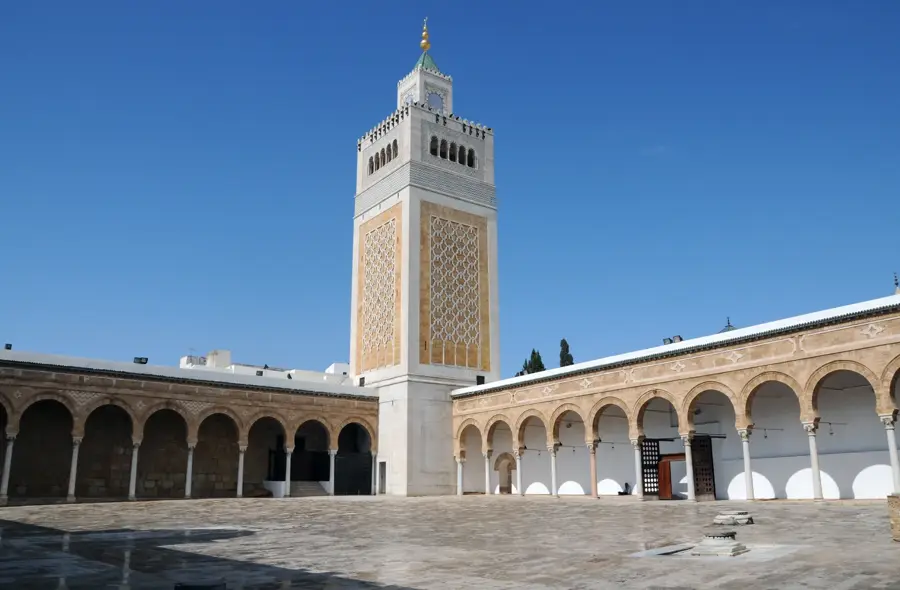
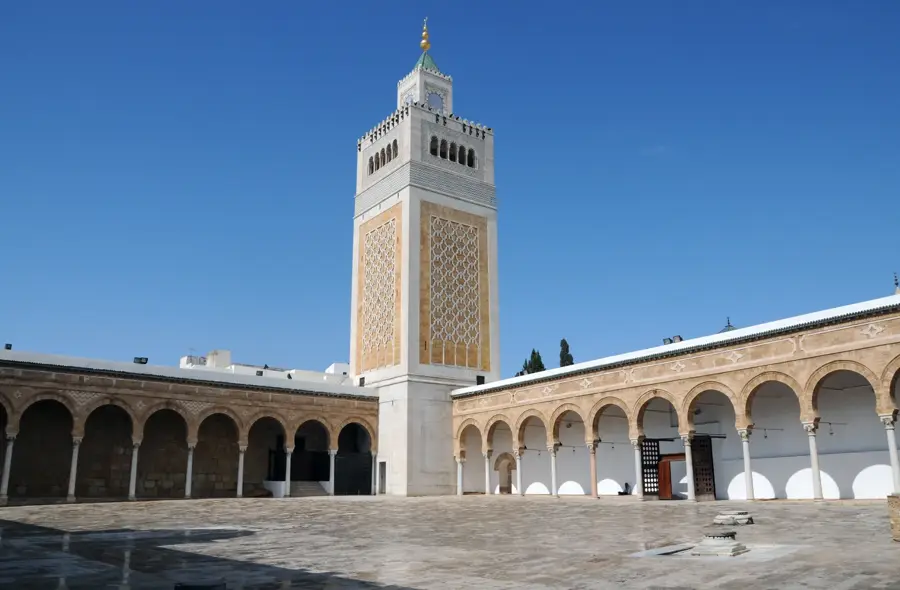
Zai Al3abdeen Mosque🏰 castle

The Zai Al3abdeen Mosque stands out with its fortress-like architecture among the historic landscapes of Carthage.

Punic Necropolises🏺 historical

The Punic Necropolises are extensive ancient burial sites carved deep into the bedrock of Carthage.

Casa del Criptoportico📍 landmark

The Casa del Criptoportico showcases the remains of a Roman villa featuring a vaulted underground passageway in Carthage.

WaterTanks of Borj-Jedid🏺 historical

The ruined water tanks of Borj-Jedid stand as evidence of the advanced Roman water supply system in Carthage.

Colonnes des Thermes d'Antonin de Carthage après anastylose📍 landmark

The re-erected columns of the Antoninus Baths in Carthage illustrate the massive height of the former Roman bath complex.

Beit El-Hikma (Ksar Zarrouk)🏰 castle

The palatial Ksar Zarrouk, home to Beit El-Hikma, is a magnificent historic building on the coast of Carthage.

Mâlik ibn Anas Mosque⛪ religious

The Mâlik ibn Anas Mosque is a prominent Islamic place of worship situated on the Odéon Hill in Carthage.

Roman Theatre of Carthage🏺 historical

The Roman Theatre of Carthage is a semicircular archaeological site that is still used today for the international summer festival.

Odeon📍 landmark

The Roman Odeon of Carthage was a once-covered theater specifically designed for musical and literary performances.

Mad'Art🎭 culture

Mad'Art in Carthage is a contemporary cultural center hosting independent cinema, theater, and art exhibitions.

Sights nearby

Frequently asked questions

What is the Acropolium of Carthage?
It is the former Saint-Louis Cathedral, which now serves as a cultural center and concert hall.
What are the opening hours?
Usually daily from 09:00 to 17:00, subject to change during events.
Are there tickets?
Yes, a ticket is required for entry and to visit the interior.
Can I take photos there?
The architecture and the view of the Bay of Tunis are excellent photo opportunities.
Is the area accessible?
The entrance area is accessible, but historical architectural hurdles may exist inside.
Acropolium of Carthage: where is it located?
Acropolium of Carthage is located in Tunisia.
Acropolium of Carthage: what is there to see?
Highlights include The Carthage Early Christian Museum, Carthage National Museum, Zai Al3abdeen Mosque.
Acropolium of Carthage: when is the best time to visit?
The most pleasant time to visit is May, Jun, Oct.
Acropolium of Carthage: why is it worth visiting?

The Acropolium of Carthage, formerly the Saint Louis Cathedral, sits atop Byrsa Hill overlooking the ruins of the ancient Punic and Roman city.
View on map → The Top 50 Attractions → OpenStreetMap →
Africa
Explore with Plizio Discover more places in Africa
More places in Tunisia →

Nearby cities

History & landmarks
More places