Plizio Visual Lab
Palmyra
ℹ️Practical info — Palmyra
▾
🌤 Weather — 5 days
📍 Nearby
Sights nearby
💡 Tips
- Watch the sunrise or sunset over the ancient ruins; the golden light on the limestone is unforgettable.
- Visit the palm oasis located behind the ancient temples, a lush green contrast to the surrounding desert.
- Palmyra (Tadmur) is a desert city; drink plenty of water and protect yourself from the intense midday sun.
- The Great Colonnade is the centerpiece; take your time to admire the intricate carvings on the pillars.
- Respect the archaeological site and always stay on the established paths and walkways.
🍽 Food
Palmyra is famous for its sweet dates; try them from the local vendors near the palm groves.
Strong, cardamom-scented coffee, a symbol of local hospitality often offered to guests.
A traditional desert dish of lamb and rice served with a dry yogurt sauce, usually for special occasions.
🛍 Shopping · 🧘 Quiet spots
In addition to fresh dates, look for date syrups and traditional sweets in the local market.
Handwoven baskets and mats made from local palm fronds are a traditional specialty.
The winding paths inside the date palm gardens offer a cool and peaceful retreat from the sun.
Located just outside the main ruins, this area is often very quiet and highly atmospheric.
Water temperature…
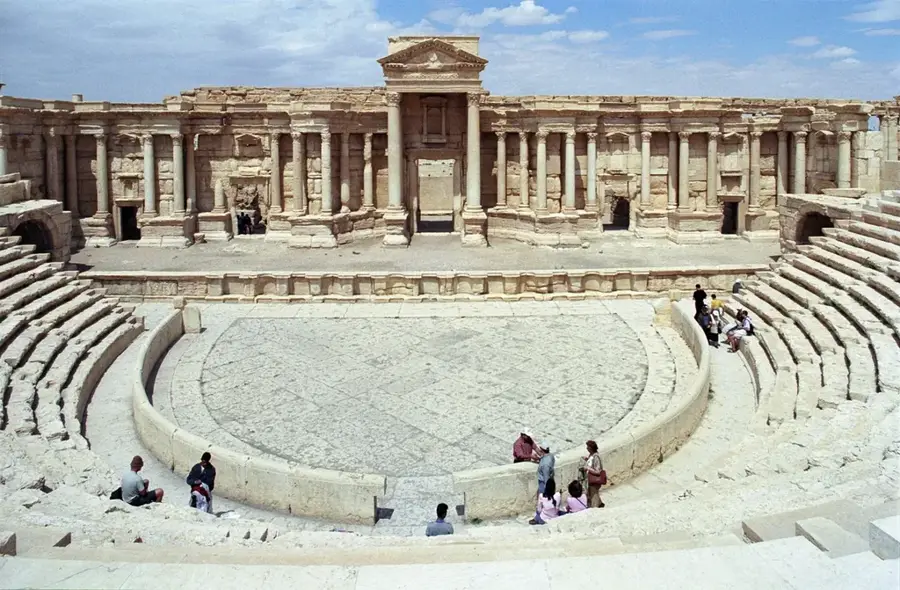
Palmyra, in Arabic Tadmur, lies in the central Syrian desert beside an oasis that has served as a caravan station on the routes between the Mediterranean and Mesopotamia since the Bronze Age. The ancient city flourished in the first to third centuries, when under Roman suzerainty it acted as a wealthy commercial intermediary between Rome and Parthian Persia. From that period come the famous colonnaded streets, the Temple of Bel, the theater, the Tetrapylon and the many tower tombs in the surrounding hills. Queen Zenobia briefly proclaimed her own empire in the mid-third century until Roman legions destroyed Palmyra in 273. The modern town of Tadmur grew in the nineteenth century in the oasis beside the ruins. The UNESCO site suffered grave damage from deliberate demolitions during the occupation by the so-called Islamic State in 2015 and is the focus of international restoration efforts.
- Location: Syria
- Top sights: Palmyra · Baths of Diocletian · Agora
- Population: ~51.015 (2017)
Best time to visit & climate
The most pleasant time to visit is Apr, May, Oct.
| Jan | Feb | Mar | Apr | May | Jun | Jul | Aug | Sep | Oct | Nov | Dec | |
|---|---|---|---|---|---|---|---|---|---|---|---|---|
| Avg °C | 6 | 8 | 13 | 18 | 23 | 28 | 30 | 30 | 27 | 21 | 13 | 8 |
| Rain mm | 23 | 17 | 12 | 9 | 9 | 1 | 0 | 1 | 1 | 8 | 13 | 18 |
Geography
Facts
- Palmyra was added to the UNESCO World Heritage List in 1980.
- Queen Zenobia ruled the Palmyrene Empire starting around 267 AD.
- The Temple of Bel was dedicated in the year 32 AD.
- The Great Colonnade extends over a length of about 1,100 meters.
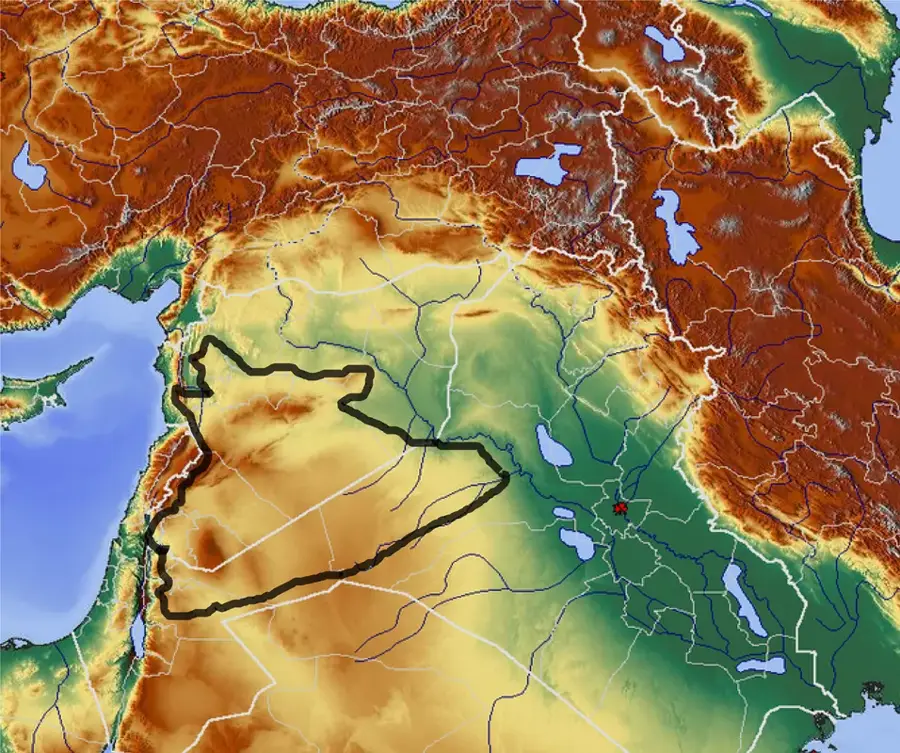
- Palmyra is located about 215 kilometers northeast of Damascus.
- The city was a major junction for the trade of silk and spices.
Explore nearby
Notable places around




Route planner — Car & Motorhome
Where do you start? We build the route here, with stops and country notes along the way.
© OpenStreetMap contributors · OpenRouteService
Sights in the town Palmyra (5)
Baths of Diocletian🏺 historical
Remains of ancient Roman baths in the historic city of Palmyra.
Agora🏺 historical
The former public marketplace and gathering place of ancient Palmyra.
Frequently asked questions
How much time is needed for Palmyra?
Is there shade at the Palmyra archaeological site?
Is photography allowed in Palmyra?
How is the accessibility in Palmyra?
When do the gates open in Palmyra?
Palmyra: where is it located?
Palmyra: what is there to see?
Palmyra: when is the best time to visit?
Palmyra: why is it worth visiting?

Nearby cities
Nature
More places