Plizio Visual Lab
Port of Gothenburg
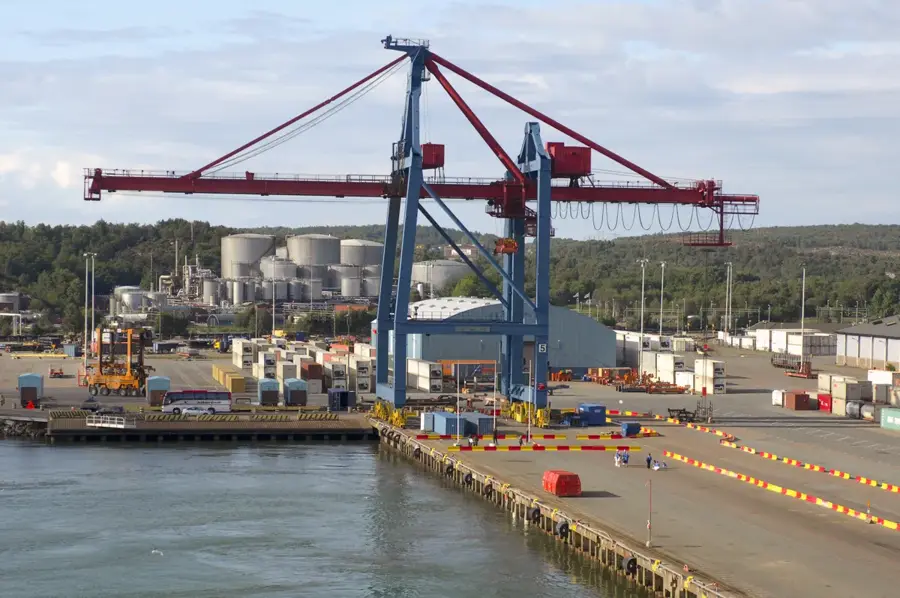
The Port of Gothenburg is the largest port in Scandinavia and Sweden's primary gateway to international trade. Since its establishment in 1621 by King Gustavus Adolphus, it has functioned as a vital strategic link between Northern Europe and the global market. Situated at the mouth of the Göta älv river, the port provides direct access to the North Sea and the Atlantic Ocean. It manages approximately 30% of Sweden's foreign trade, handling a vast array of goods including containers, vehicles, oil, and timber products. The heart of the facility is the Skandia Terminal, the region's most advanced container hub, capable of servicing the world's largest ultra-large container vessels. The port is indispensable to the Swedish automotive sector, as Volvo utilizes it as the main export hub for its global shipments. Recently, the Port of Gothenburg has led the industry in sustainability, implementing shore-side power for vessels and digitalizing logistics chains. With an extensive rail network connecting it to the Swedish and Norwegian hinterlands, the port is a critical economic engine and a symbol of Gothenburg's enduring maritime heritage.
- Location: Sweden
- Top sights: Vikans Hällristningar · Rya skogs naturreservat · Galleri Långedrag
- Nearby: Fiskebäck (4 km)
Best time to visit & climate
The most pleasant time to visit is Jun–Aug.
| Jan | Feb | Mar | Apr | May | Jun | Jul | Aug | Sep | Oct | Nov | Dec | |
|---|---|---|---|---|---|---|---|---|---|---|---|---|
| Avg °C | 1 | 0 | 2 | 7 | 11 | 15 | 17 | 17 | 14 | 9 | 6 | 2 |
| Rain mm | 94 | 68 | 60 | 54 | 64 | 90 | 95 | 108 | 85 | 113 | 100 | 102 |
📋 Practical info
Geography
Facts
- The Port of Gothenburg covers a total area of approximately 12 square kilometers.
- The facility handles roughly 800,000 standard containers (TEU) annually.
- The Skandia Terminal features a water depth of 17.5 meters for large vessels.
- Nearly 30% of Sweden's total foreign trade passes through this port.
- More than 11,000 ships call at the Port of Gothenburg every year.
- The port operates 25 different rail terminals for efficient inland freight transport.
Explore nearby
Notable places around

Route planner — Car & Motorhome
Where do you start? We build the route here, with stops and country notes along the way.
© OpenStreetMap contributors · OpenRouteService
Sights in the town Port of Gothenburg (7)
Galleri Långedrag
Art gallery in the Långedrag district, hosting rotating exhibitions by local artists.
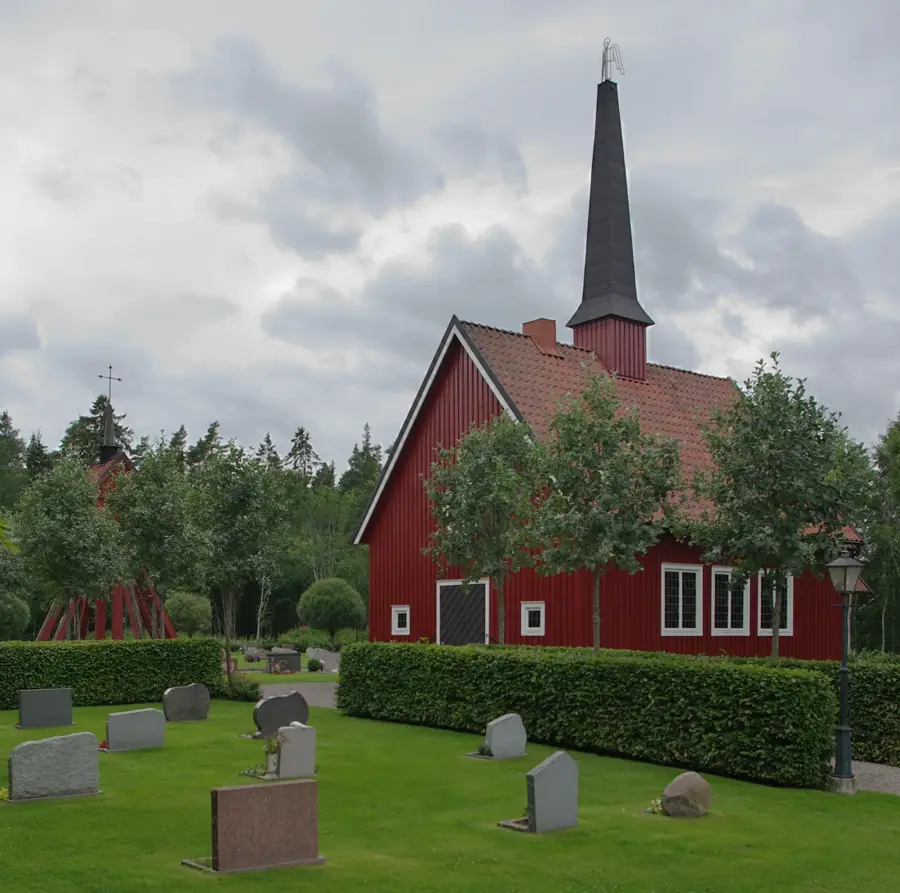
Älvsborgs kyrka
Church building in Gothenburg Municipality, Gothenburg and Bohus County, Sweden.
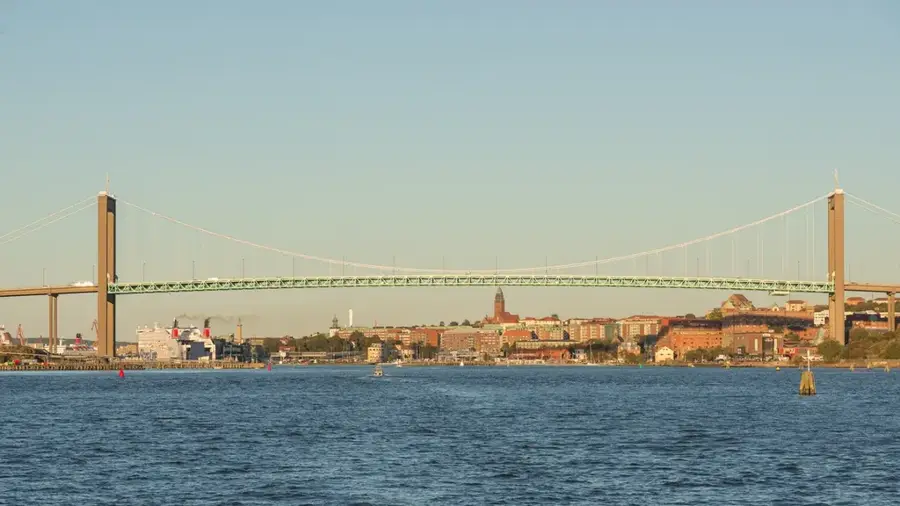
Älvsborgsbron
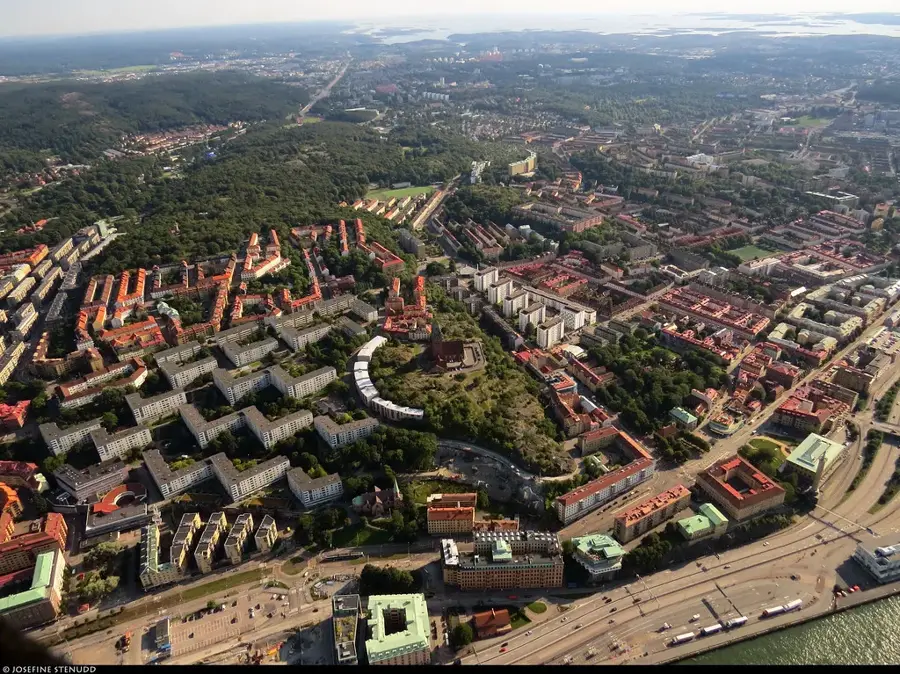
Bridge in Gothenburg, Sweden, connecting islands to the mainland, a major traffic route.
Röda Sten Konsthall
Building in Gothenburg Municipality, Gothenburg and Bohus County, Sweden, used as an art hall.
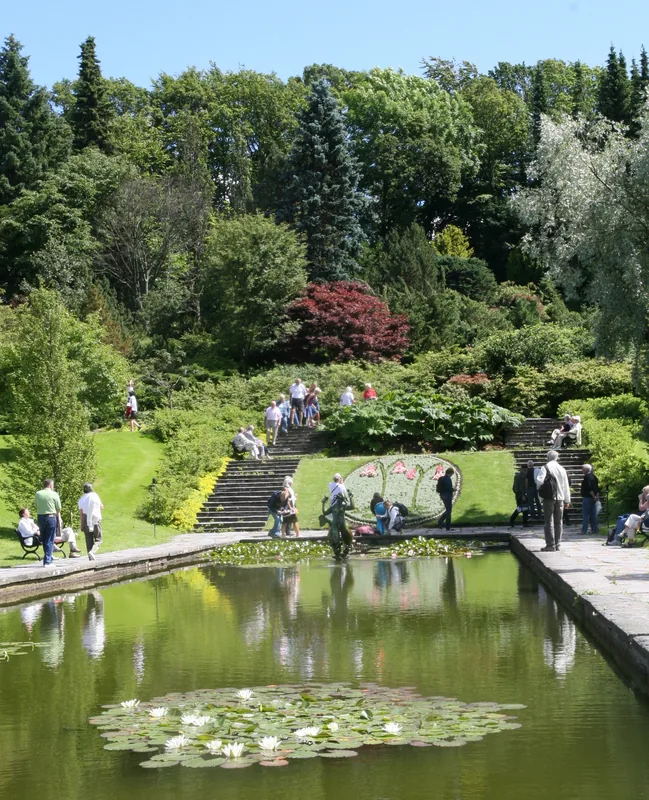
Färjenäsparken🌳 park
Park in Gothenburg, Sweden, green space with trees and benches by the water.
Sights nearby
Frequently asked questions
How big is the Port of Gothenburg?
Can you visit the port?
What is mainly handled here?
Is there a museum nearby?
When is the best time to visit?
Port of Gothenburg: where is it located?
Port of Gothenburg: what is there to see?
Port of Gothenburg: when is the best time to visit?
Port of Gothenburg: why is it worth visiting?

Nearby cities