Plizio Visual Lab
Jebel Marra Crater
Weather…
Water temperature…
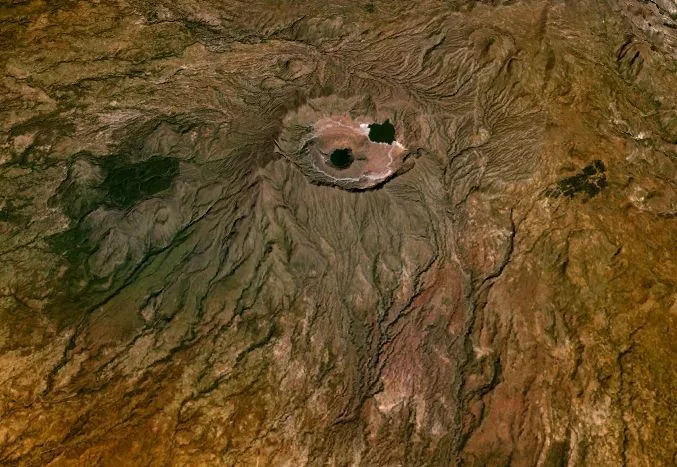
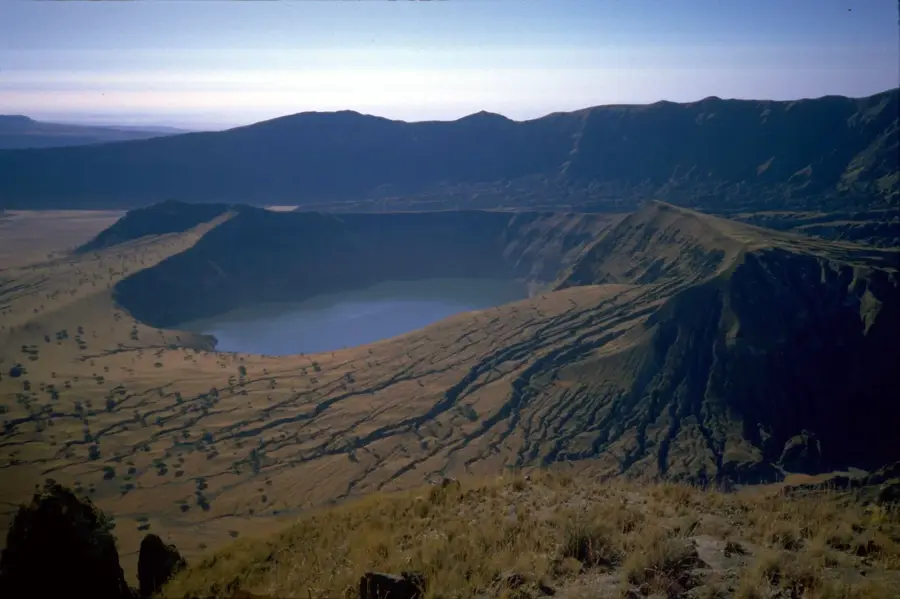
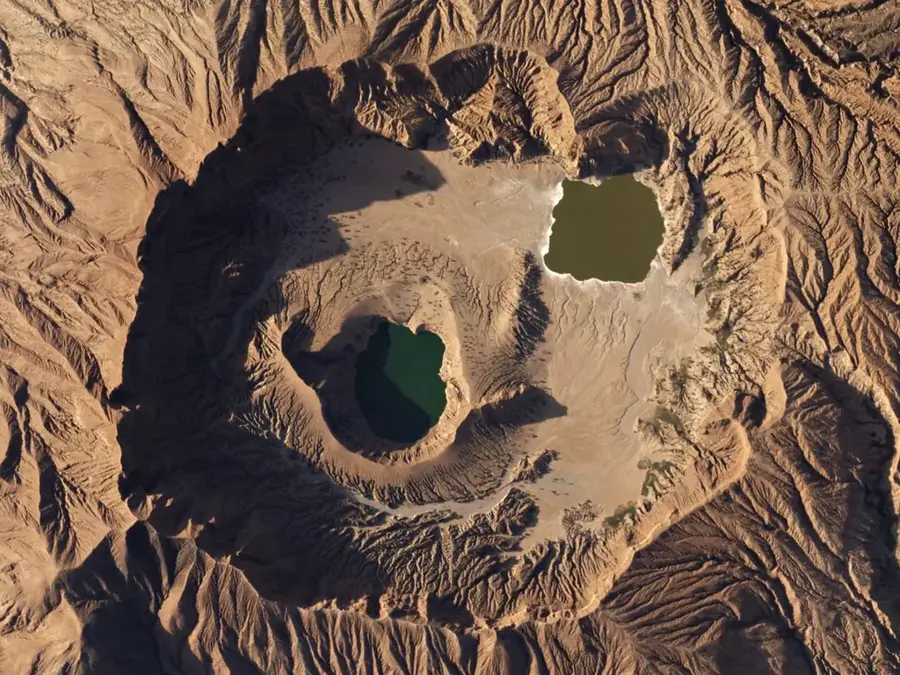
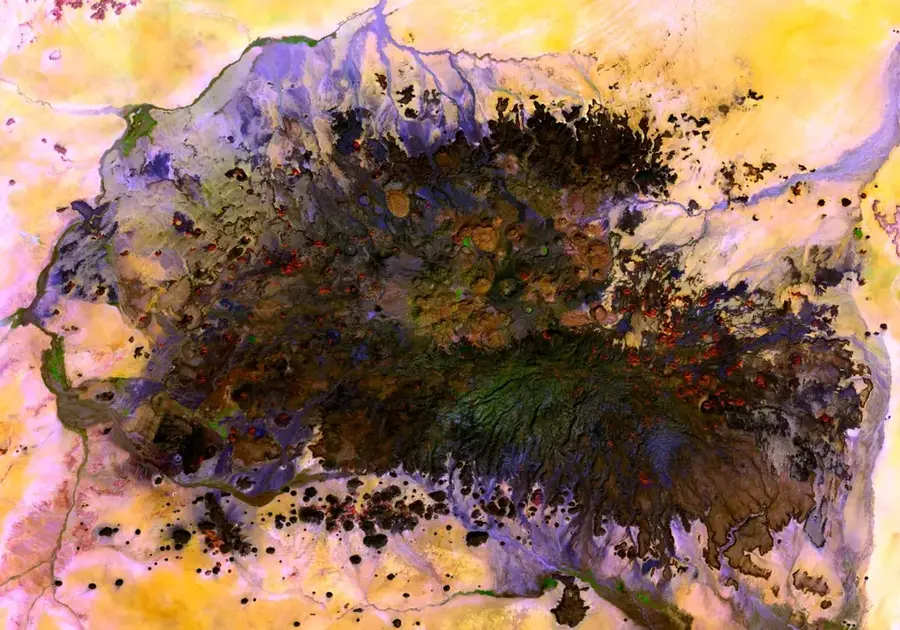
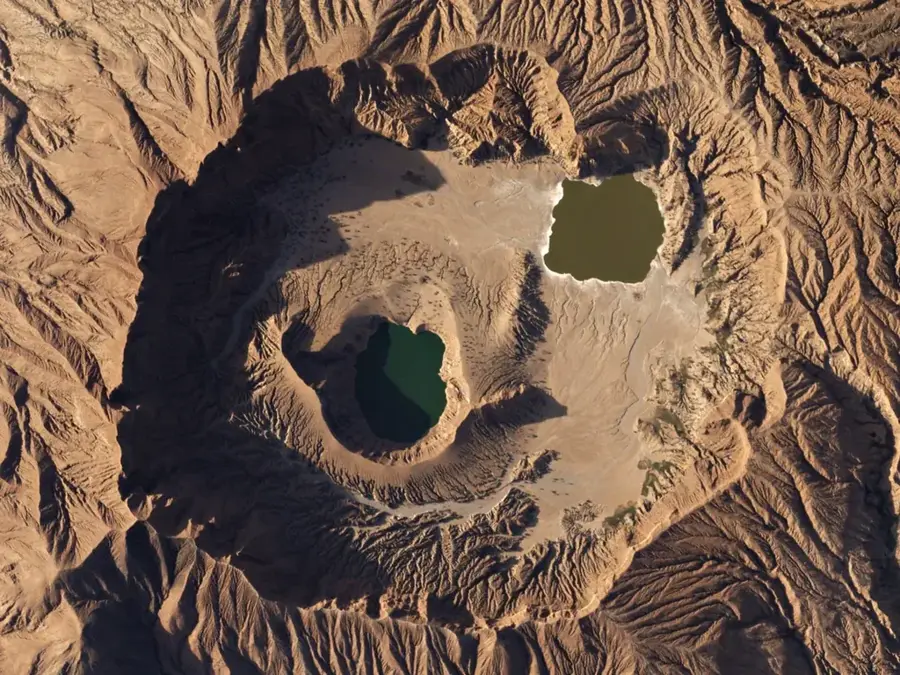
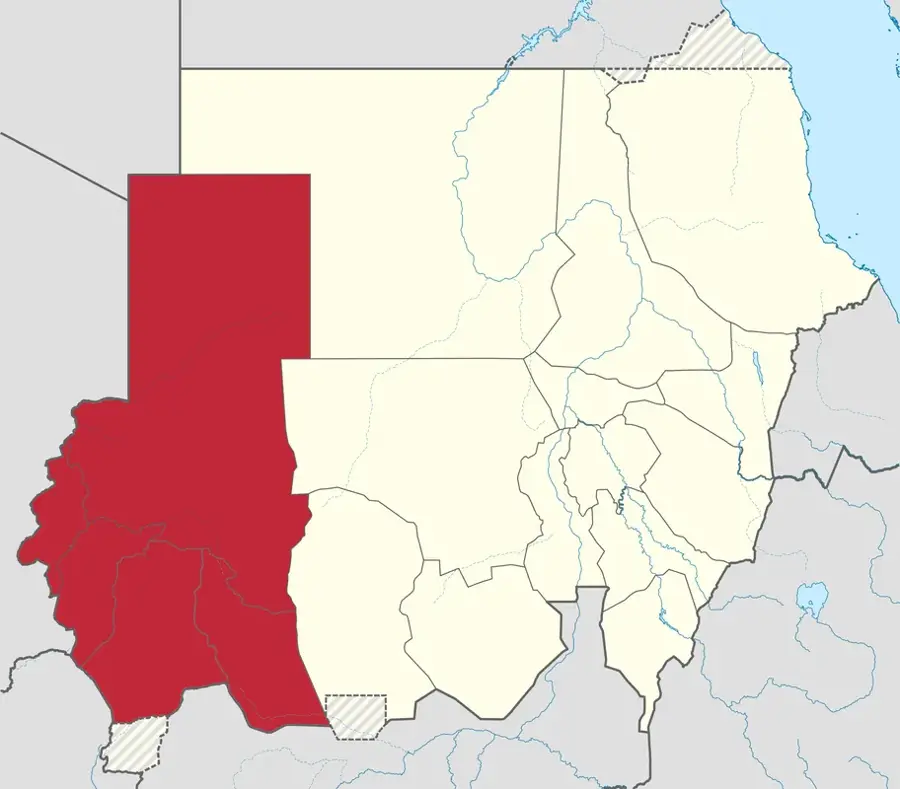
The Jebel Marra Crater, also known as the Deriba Crater, is the center-piece of the Jebel Marra volcanic complex in the Darfur region of western Sudan. At an elevation of approximately 3,042 meters, it is one of the highest points in the country and a prominent example of an extinct volcano with a massive caldera. The crater was formed about 3,500 years ago during a massive eruption and now houses two permanent crater lakes, which fascinate with their differing salt concentrations and colors. Due to the significant altitude, the crater region enjoys a temperate microclimate with regular rainfall, allowing for lush vegetation and agriculture in an otherwise arid zone. The fertile volcanic soils have been used for centuries for growing grains and fruits. The geological structure of the caldera spans a diameter of about five kilometers and is an important destination for geoscientific research on East African volcanism. Despite political instability in the region, Jebel Marra remains a symbol of Sudan's natural diversity. The preservation of this unique ecosystem is of central importance for the regional water supply and nature conservation in the Sahel.
- Location: Sudan
- Top sights: Deriba (caldera) · Marrah Mountains
Best time to visit & climate
The most pleasant time to visit is Feb, Mar, Nov.
| Jan | Feb | Mar | Apr | May | Jun | Jul | Aug | Sep | Oct | Nov | Dec | |
|---|---|---|---|---|---|---|---|---|---|---|---|---|
| Avg °C | 18 | 21 | 24 | 26 | 27 | 26 | 24 | 22 | 23 | 23 | 20 | 18 |
| Rain mm | 0 | 0 | 0 | 1 | 20 | 33 | 164 | 216 | 66 | 26 | 0 | 0 |
📋 Practical info
Geography
Facts
- The Deriba Crater is situated at an elevation of over 3,000 meters.
- The caldera measures approximately five kilometers in diameter.
- The two lakes within the crater have different chemical compositions.
- The volcano is considered dormant, with its last major eruption 3,500 years ago.
- It serves as the most important water catchment area for the Darfur region.
- The soil consists of extremely fertile volcanic ash deposits.
Explore nearby
Notable places around

Route planner — Car & Motorhome
Where do you start? We build the route here, with stops and country notes along the way.
© OpenStreetMap contributors · OpenRouteService
Sights in the town Jebel Marra Crater (2)
Sights nearby
Frequently asked questions
Is hiking allowed in the crater?
What is the climate like?
Are there water sources?
Is the way there difficult?
When is the best travel time?
Jebel Marra Crater: where is it located?
Jebel Marra Crater: what is there to see?
Jebel Marra Crater: when is the best time to visit?
Jebel Marra Crater: why is it worth visiting?

Nearby cities
History & landmarks
Nature
More places