Plizio Visual Lab
Suakin
ℹ️Practical info — Suakin
▾
🌤 Weather — 5 days
📍 Nearby
Sights nearby
💡 Tips
- Visit the historic coral island ruins early in the morning when the light is best for photography.
- Try a traditional Jabana coffee in the small cafes near the port; it is brewed with ginger and spices.
- Be careful when exploring the ruins as the old coral structures can be unstable; wear sturdy shoes.
- Use local shared taxis (Amjad) to commute cheaply between the old town and the modern port area.
- Check ferry departure times with locals, as schedules can change frequently due to sea conditions.
🍽 Food
Freshly caught fish grilled over charcoal near the port area, often served with spicy sauces.
Stewed fava beans with oil and cheese, a hearty breakfast found in local cookshops.
Traditional spiced coffee served in a distinctive clay pot, available throughout the port area.
🛍 Shopping · 🧘 Quiet spots
Buy fresh cloves, cardamom, and ginger, which are staples of the local trade.
Small decorative items made from fossilized coral found in the local markets.
A peaceful spot for a sunset walk with views over the historic ruins.
Secluded beach areas north of the city, excellent for escaping the port's bustle.
Water temperature…
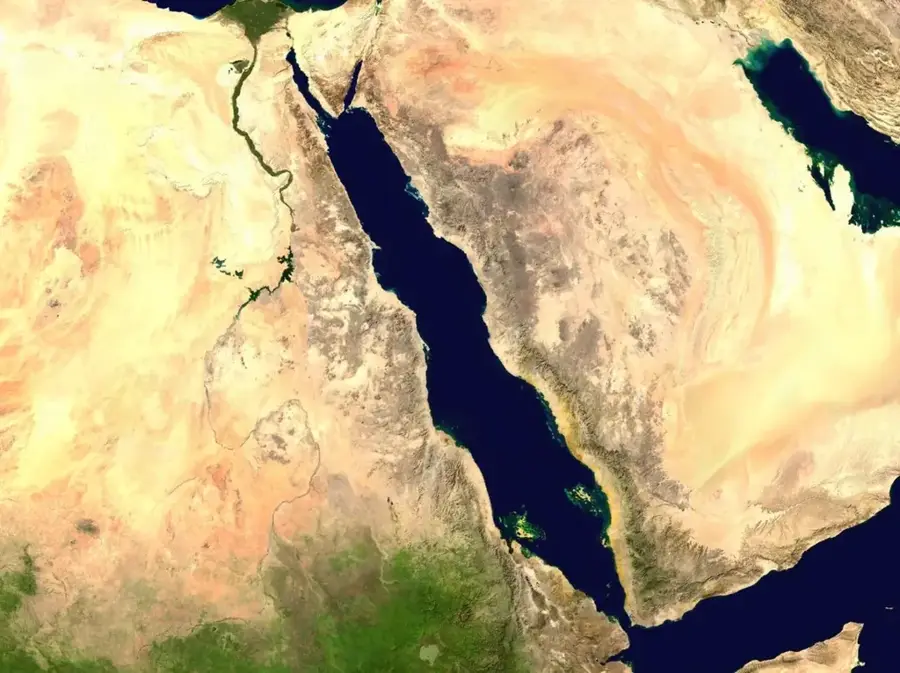
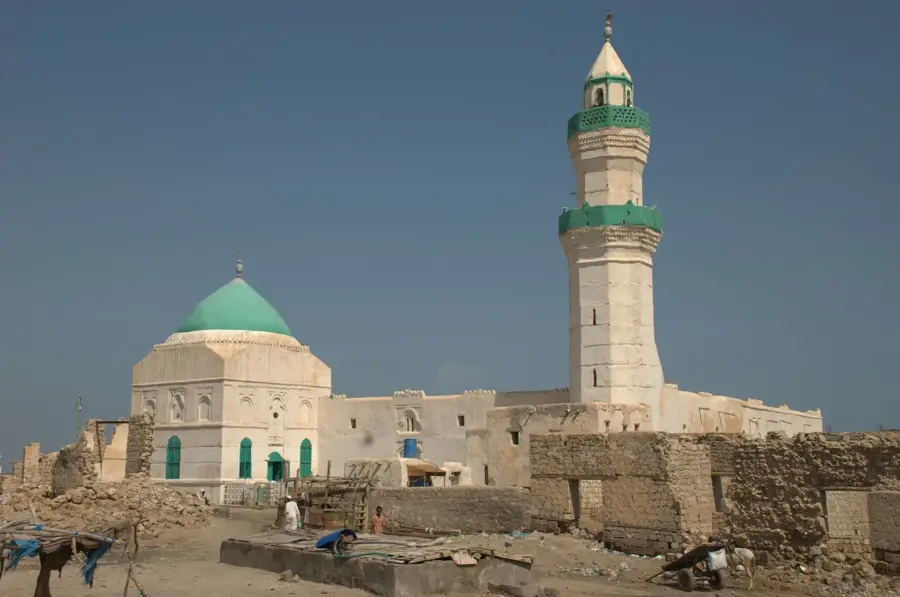
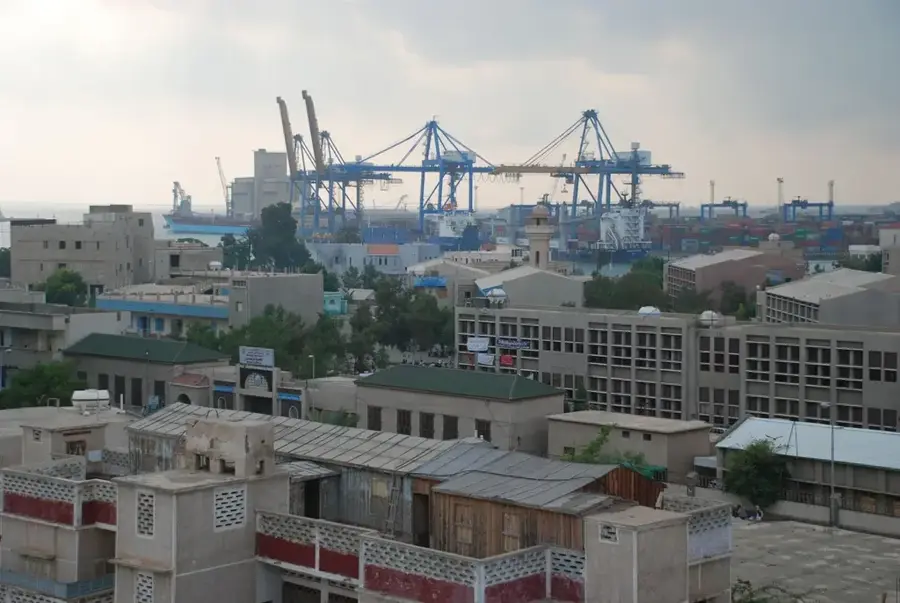
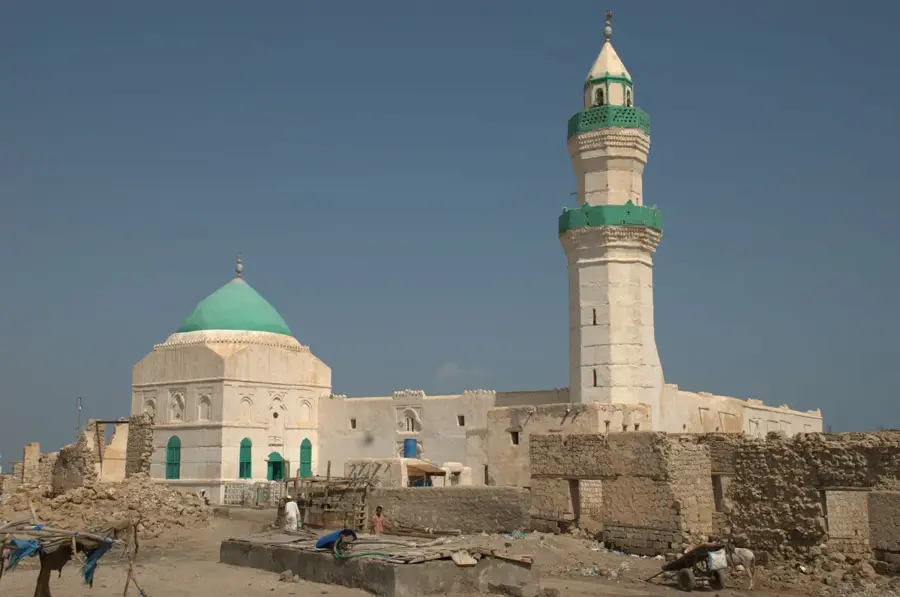
Suakin is an ancient port city on the Red Sea coast, serving for centuries as Sudan’s most vital link to the international world. The city is renowned for its distinctive architecture crafted from coral stone, which gives its ruins a haunting yet majestic appearance. Originally built on a circular island, Suakin functioned as a strategic Ottoman naval base and the premier departure point for pilgrims traveling to Mecca across the sea. Its commercial dominance ended in the early 20th century with the construction of Port Sudan, leading much of the coral city to fall into decay, creating a site of immense archaeological interest today. Recent years have seen international efforts to modernize the port facilities and preserve the historic structures as symbols of shared Islamic and African heritage. Today, Suakin remains a cultural landmark, drawing history enthusiasts and serving as a bustling ferry terminal for pilgrims bound for Jeddah.
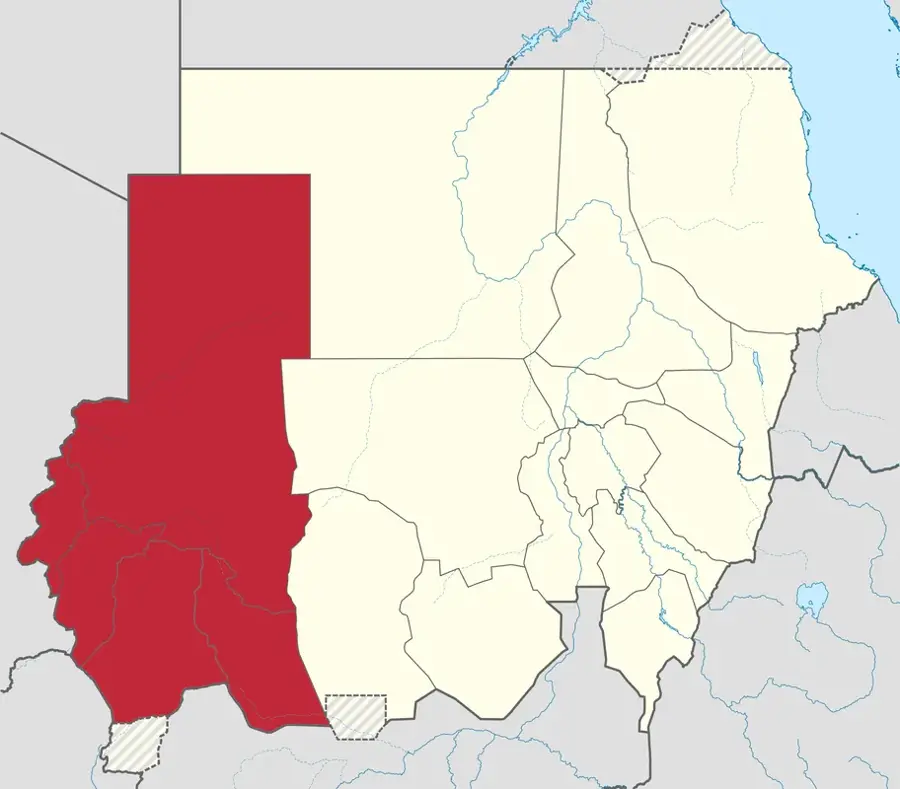
- Location: Sudan
- Nearby: Erkowit (38 km)
- Population: ~42.456 (2024)
Best time to visit & climate
The most pleasant time to visit is Jan–Mar.
| Jan | Feb | Mar | Apr | May | Jun | Jul | Aug | Sep | Oct | Nov | Dec | |
|---|---|---|---|---|---|---|---|---|---|---|---|---|
| Avg °C | 24 | 24 | 25 | 27 | 30 | 33 | 34 | 34 | 33 | 30 | 28 | 26 |
| Rain mm | 5 | 1 | 0 | 4 | 3 | 0 | 4 | 6 | 2 | 8 | 13 | 8 |
Geography
Facts
- Suakin was originally built on a small island connected to the shore by a causeway.
- It remained Sudan’s primary seaport until the development of Port Sudan in 1905.
- The historic buildings were uniquely constructed using fossilized coral stone.
- In the 16th century, Suakin served as the seat of an Ottoman pasha.
- The port is currently the leading terminal for ferry services to Jeddah, Saudi Arabia.
- The island city of Suakin is on the tentative list for UNESCO World Heritage status.
Explore nearby
Notable places around


Route planner — Car & Motorhome
Where do you start? We build the route here, with stops and country notes along the way.
© OpenStreetMap contributors · OpenRouteService
Sights in the town Suakin (1)
Frequently asked questions
Why is Suakin historically important?
What can you see today?
Is Suakin safe for tourists?
How do you get there?
Do you need a guide?
Suakin: where is it located?
Suakin: when is the best time to visit?
Suakin: why is it worth visiting?

Nearby cities


History & landmarks
Nature


More places