Plizio Visual Lab
Wadi Howar

Weather…
Water temperature…
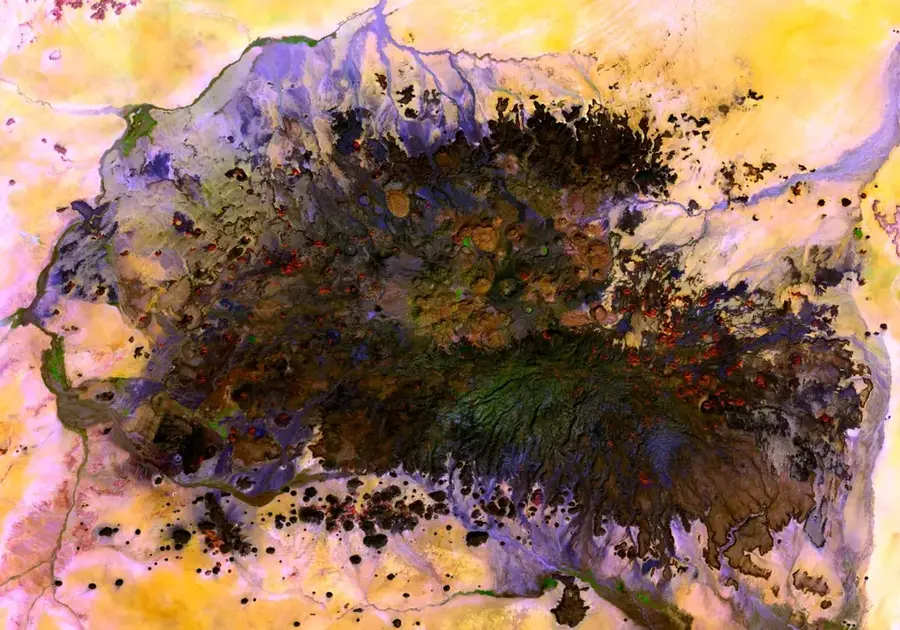
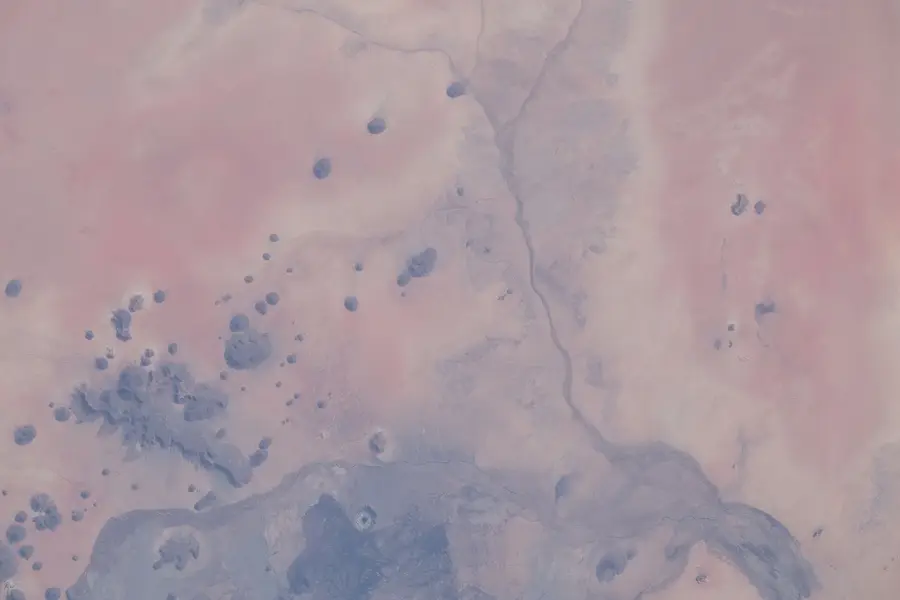
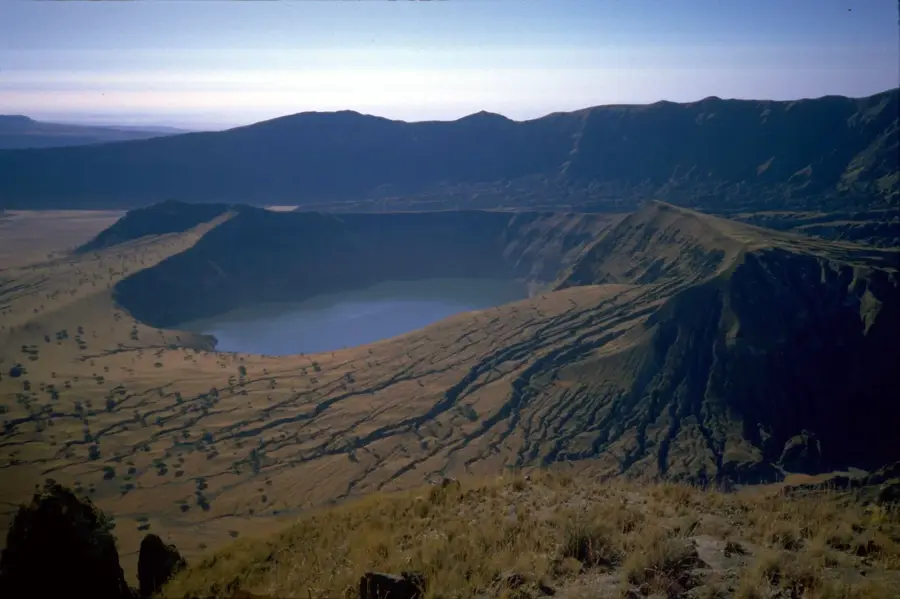
Wadi Howar is a massive dry valley in northern Sudan that was once the primary tributary of the Nile in the Sahara, known as the Yellow Nile. During the African Humid Period, approximately 10,000 to 4,000 years ago, this river stretched over 1,100 kilometers from the Ennedi Mountains in Chad to the Nile Valley. Today, it is the largest wadi in the Sahara and a significant paleoclimatological archive, documenting the transition from a fertile savanna to extreme desert. Archaeological investigations have unearthed numerous Neolithic settlement remains, pottery fragments, and rock art along the former riverbed. In 2001, a portion of the area was designated as the Wadi Howar National Park to protect its unique geology and remaining wildlife populations, such as gazelles and ostriches. The wadi still serves nomadic communities today as a vital migratory route and grazing ground during the short rainy season. The region is of immense importance for understanding human migration and adaptation to climatic changes in North Africa. Despite its extreme aridity, Wadi Howar preserves a fascinating biological diversity beneath its sandy surface.
Best time to visit & climate
The most pleasant time to visit is Feb, Mar, Nov.
| Jan | Feb | Mar | Apr | May | Jun | Jul | Aug | Sep | Oct | Nov | Dec | |
|---|---|---|---|---|---|---|---|---|---|---|---|---|
| Avg °C | 14 | 17 | 21 | 26 | 29 | 31 | 32 | 32 | 30 | 25 | 19 | 14 |
| Rain mm | 0 | 0 | 0 | 0 | 0 | 0 | 3 | 8 | 0 | 0 | 0 | 0 |
📋 Practical info
Geography
Facts
- The wadi was once a perennial tributary of the Nile known as the Yellow Nile.
- It stretches for approximately 1,100 kilometers across the Sahara Desert.
- The river dried up about 2,000 years ago due to increasing aridity.
- In 2001, part of the wadi was officially designated as a national park.
- It is rich in Neolithic archaeological sites and ancient rock art.
- The region documents the savanna-to-desert transition from 4,000 years ago.
Route planner — Car & Motorhome
Where do you start? We build the route here, with stops and country notes along the way.
© OpenStreetMap contributors · OpenRouteService
Sights nearby
Frequently asked questions
Is Wadi Howar accessible year-round?
What is special about this place?
Is a permit required?
How about water supply?
Is the area safe for tourists?
Wadi Howar: where is it located?
Wadi Howar: when is the best time to visit?
Wadi Howar: why is it worth visiting?

Nearby cities

History & landmarks
Nature
More places