Plizio Visual Lab
Bayuda Desert
Weather…
Water temperature…
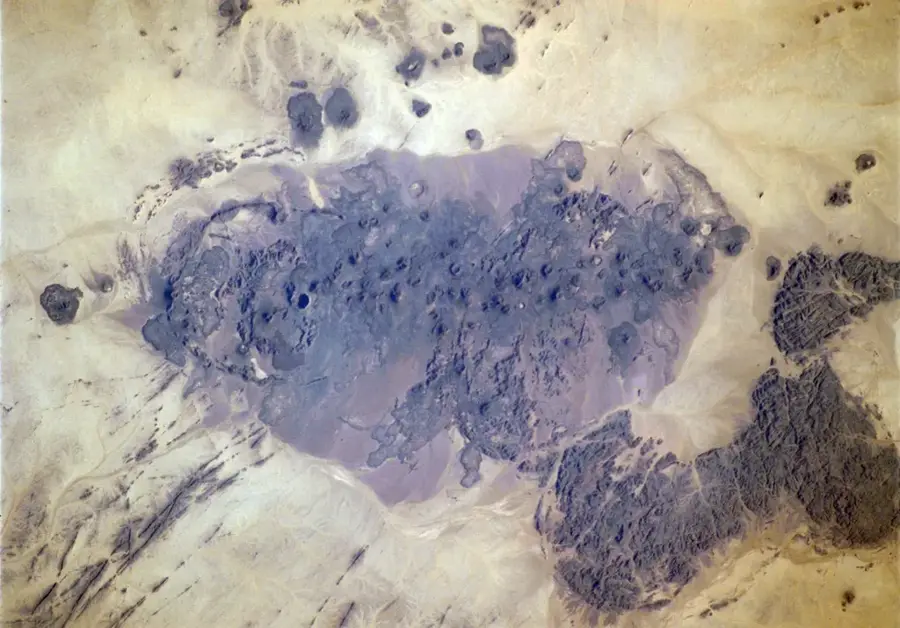
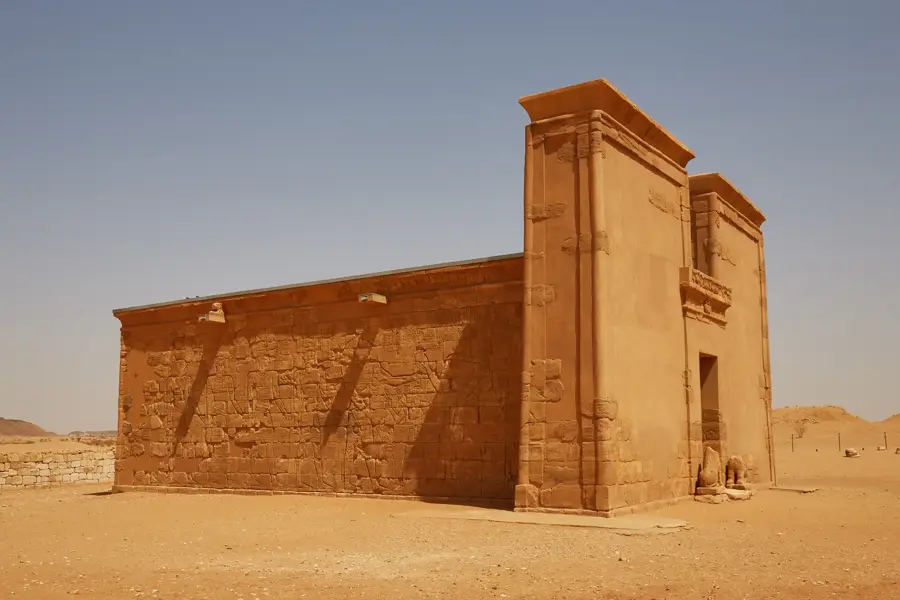
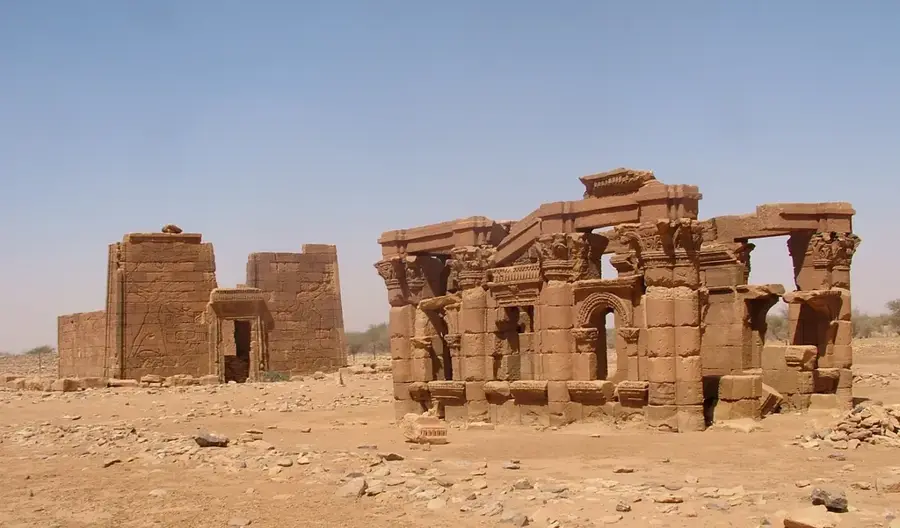
The Bayuda Desert is situated within the great bend of the Nile in northern Sudan, between the cities of Khartoum and Abu Hamed. This region is geographically unique as it is defined by the Bayuda Volcanic Field, which includes approximately 40 basaltic volcanic cones and extensive lava flows. The relief consists of a mixture of dark volcanic rocks, sandy wadis, and rocky hills, providing a sharp contrast to the fertile Nile banks. Historically, the Bayuda Desert was a crucial corridor for caravans that chose the shortcut through the desert to avoid the difficult sections of the Nile with its cataracts. This route, known as the Bayuda Road, connected ancient Meroe with the northern regions of Napata. Archaeological finds in the desert suggest a long history of settlement dating back to prehistoric times. The landscape is today largely uninhabited but is used seasonally by nomads as grazing land. Scientifically, the Bayuda Desert is of international importance due to its volcanic structures and well-preserved prehistoric sites.
Best time to visit & climate
The most pleasant time to visit is Jan, Feb, Dec.
| Jan | Feb | Mar | Apr | May | Jun | Jul | Aug | Sep | Oct | Nov | Dec | |
|---|---|---|---|---|---|---|---|---|---|---|---|---|
| Avg °C | 19 | 22 | 25 | 29 | 33 | 35 | 34 | 34 | 34 | 31 | 25 | 21 |
| Rain mm | 0 | 0 | 0 | 0 | 2 | 0 | 6 | 11 | 2 | 1 | 0 | 0 |
📋 Practical info
Geography
Facts
- The Bayuda Desert is located in the area of the 4th to 6th Nile cataracts.
- The Bayuda Volcanic Field contains approximately 40 ash and scoria cones.
- The region was an important shortcut for caravans between Meroe and Napata.
- Archaeologists discovered rock art here dating back over 7,000 years.
- The desert consists predominantly of Precambrian rocks of the African Shield.
- The annual rainfall is often below 50 millimeters.
Explore nearby
Notable places around


Route planner — Car & Motorhome
Where do you start? We build the route here, with stops and country notes along the way.
© OpenStreetMap contributors · OpenRouteService
Sights nearby
Frequently asked questions
Can you cross the Bayuda desert?
What is the best travel time?
Are there archaeological sites?
Do I need to bring a lot of water?
Is desert camping allowed?
Bayuda Desert: where is it located?
Bayuda Desert: when is the best time to visit?
Bayuda Desert: why is it worth visiting?

Nearby cities
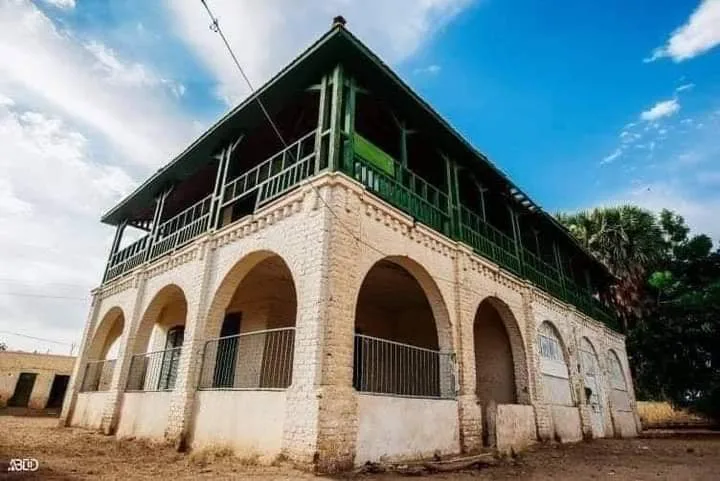
History & landmarks
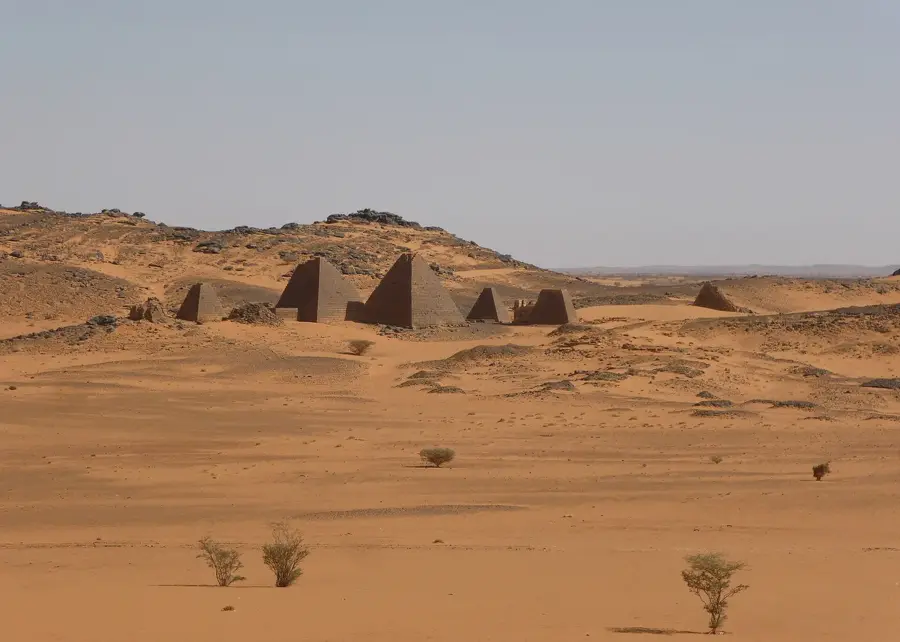
Nature
More places