Plizio Visual Lab
Nile Valley
Weather…
Water temperature…
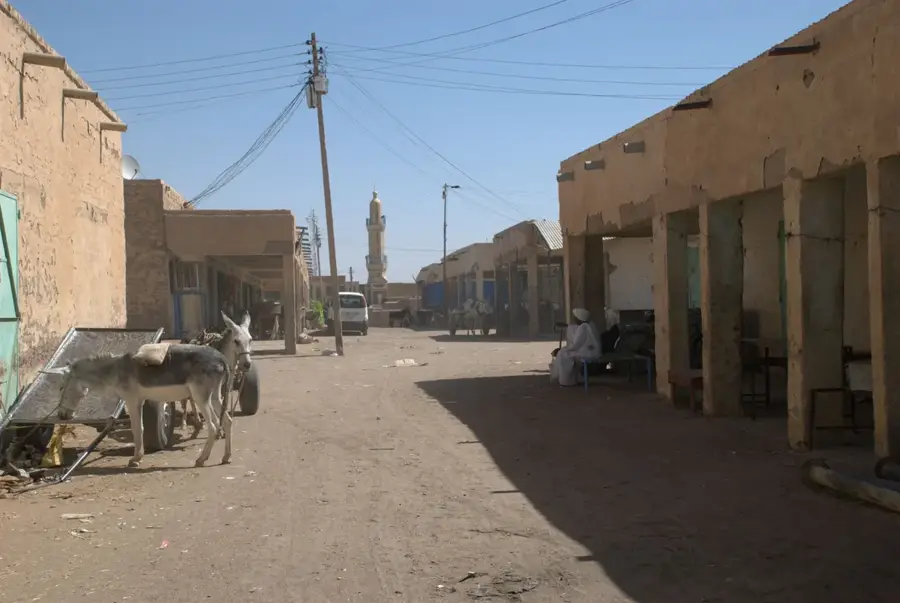
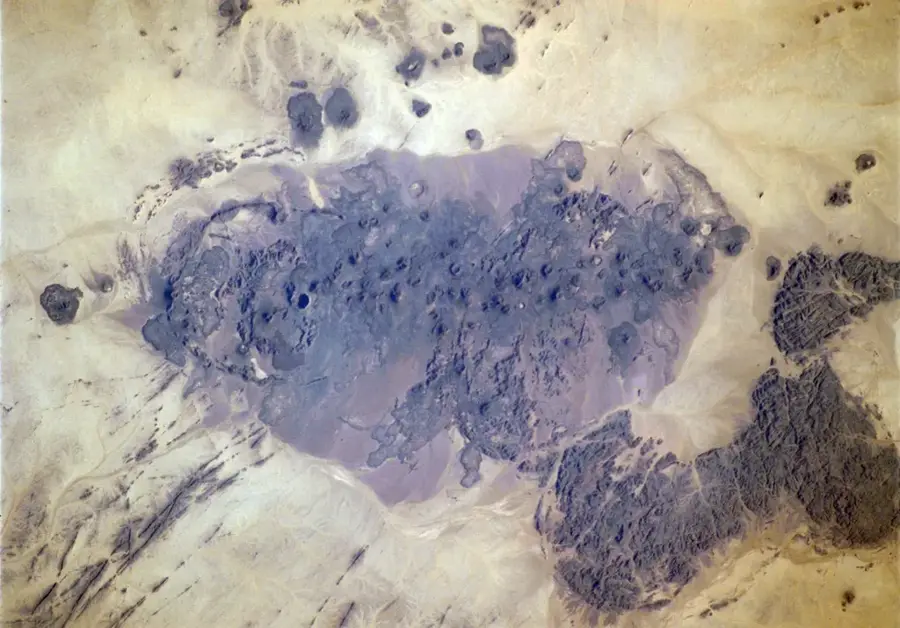
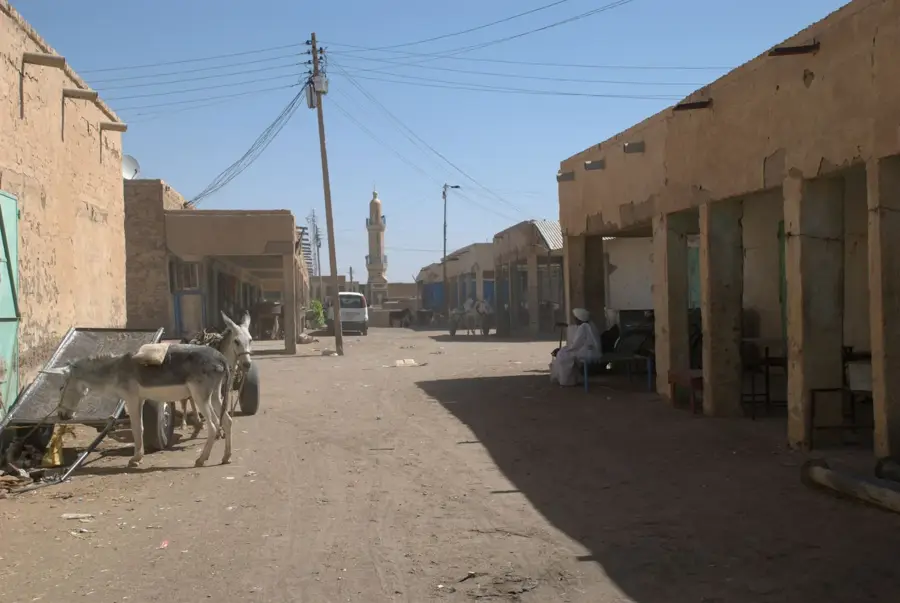
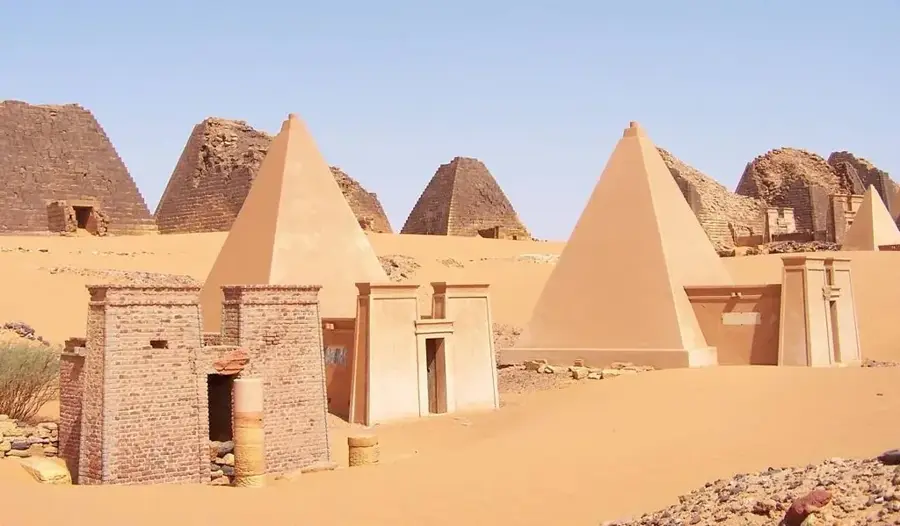
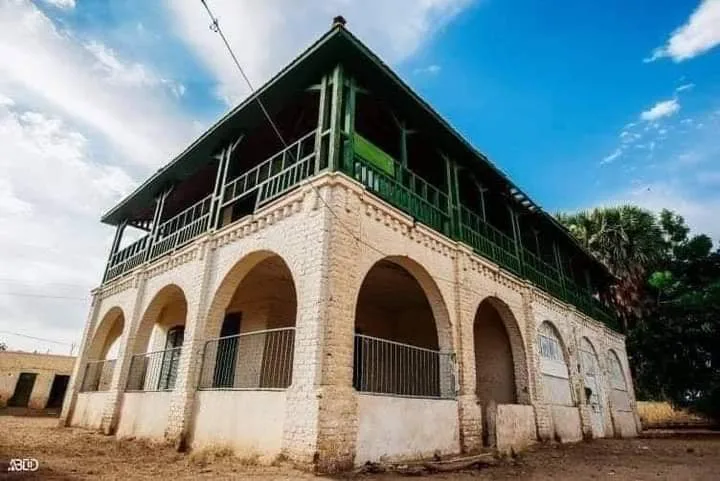
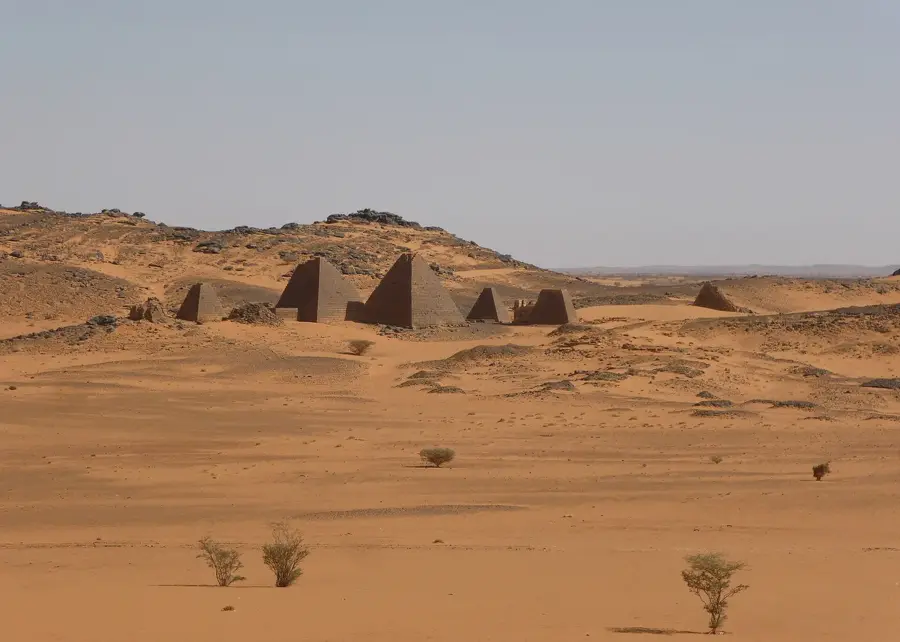
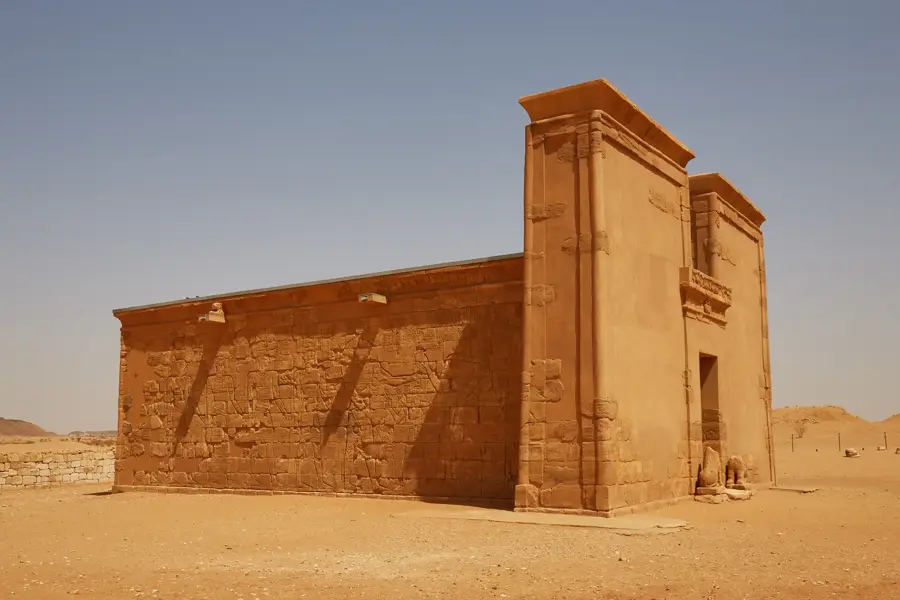
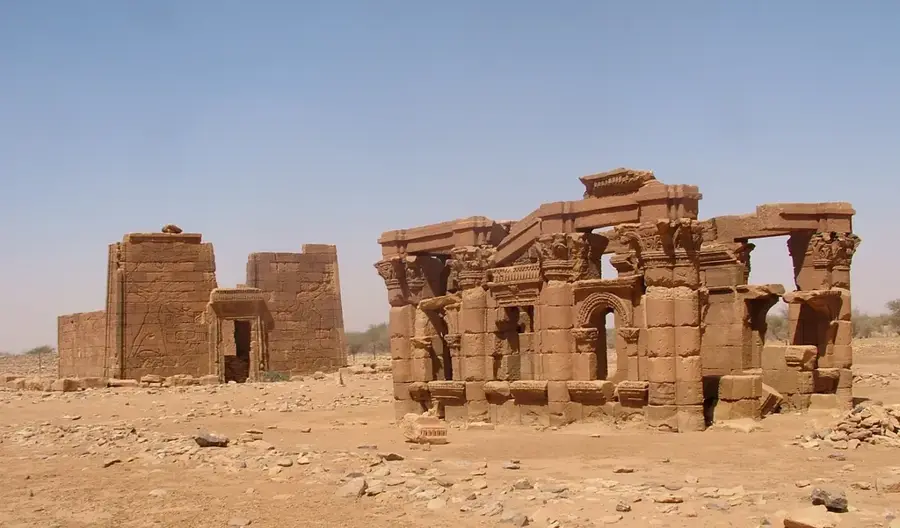
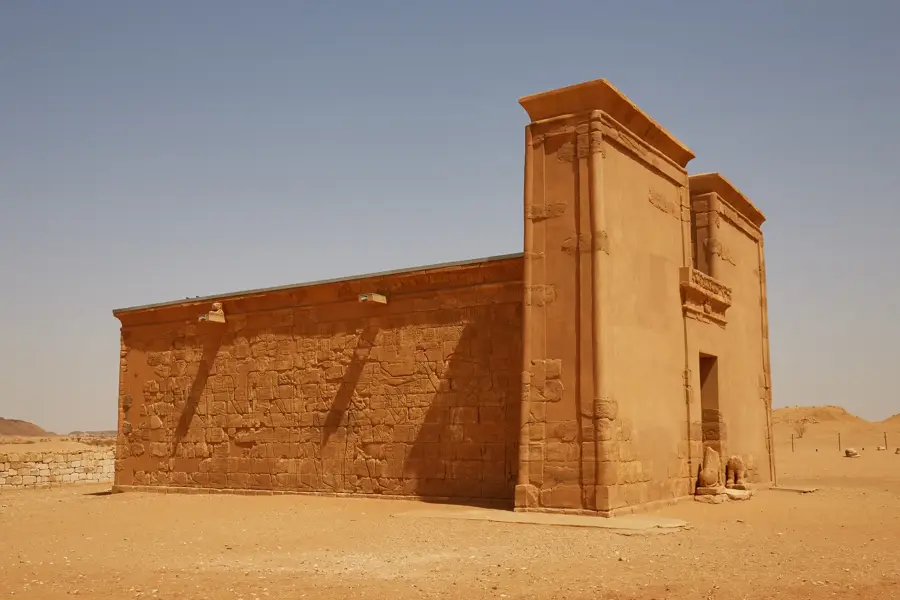
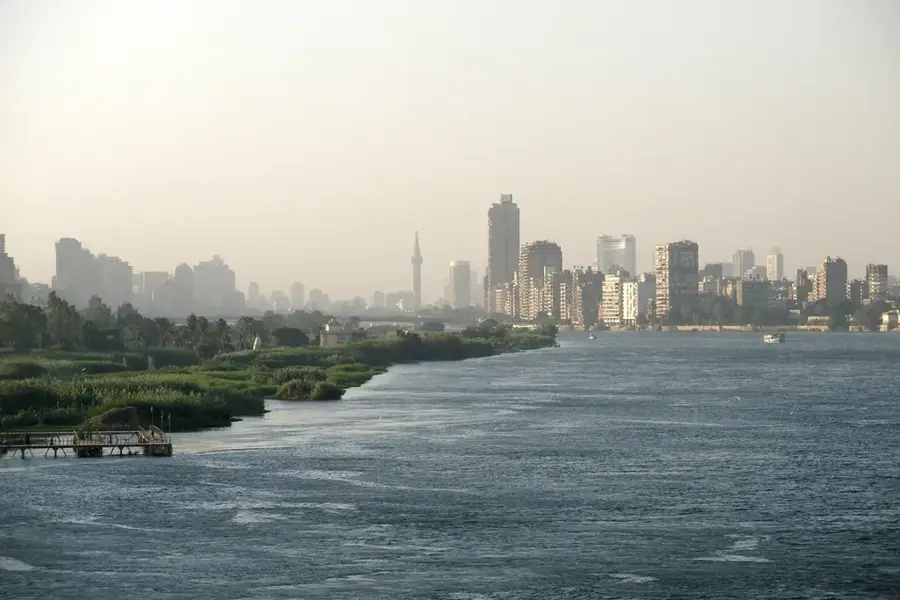
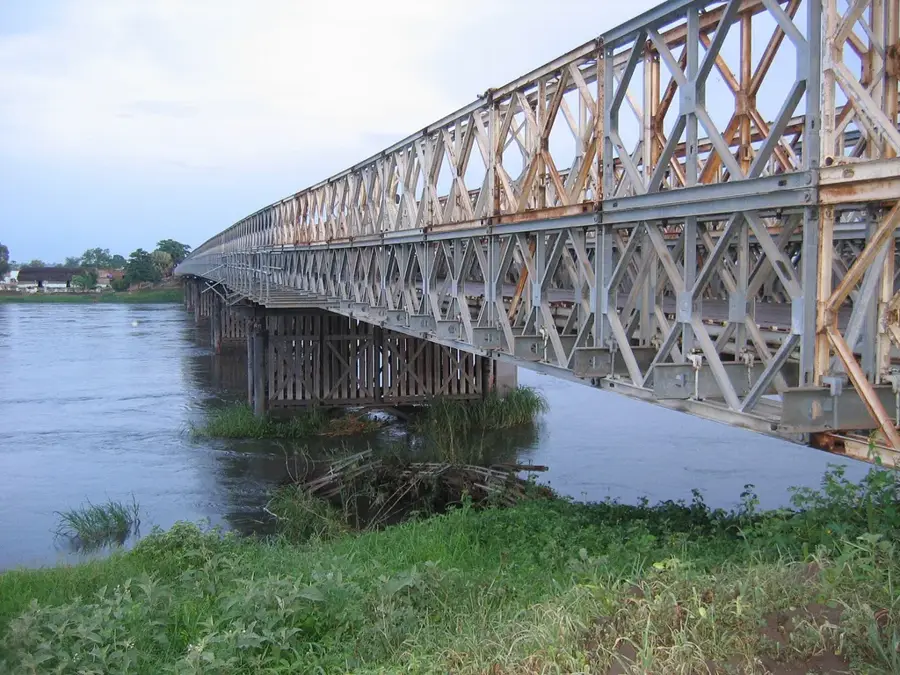
The Nile Valley in Sudan is a vital oasis that stretches like a green ribbon through the arid landscapes of the Nubian Desert and the Sahara. It is defined by the courses of the Blue and White Niles, which join at Khartoum, and the six cataracts that interrupt the river's flow towards the north. The relief varies between broad alluvial plains used for agriculture and narrow rocky gorges where the river is deeply cut into the basement rock. Historically, the Nile Valley is the cradle of Nubian civilizations such as Kerma, Napata, and Meroe, whose monumental pyramids and temples still bear witness to former greatness. Annual Nile floods were the basis for survival for millennia until modern dams like the Merowe Dam regulated water flow in the 20th century. Today, the valley is the most populous area of Sudan and the center of economy, culture, and transport. The ecological diversity along the river provides habitat for numerous bird species and aquatic life in the midst of the hostile desert.
- Location: Sudan
- Nearby: Berber (72 km)
Best time to visit & climate
The most pleasant time to visit is Jan, Feb, Dec.
| Jan | Feb | Mar | Apr | May | Jun | Jul | Aug | Sep | Oct | Nov | Dec | |
|---|---|---|---|---|---|---|---|---|---|---|---|---|
| Avg °C | 21 | 24 | 27 | 31 | 34 | 36 | 35 | 34 | 35 | 32 | 27 | 23 |
| Rain mm | 0 | 0 | 0 | 1 | 3 | 1 | 12 | 21 | 7 | 3 | 0 | 0 |
📋 Practical info
Geography
Facts
- The confluence of the Blue and White Nile occurs at Khartoum.
- There are six main cataracts of the Nile between Khartoum and the Egyptian border.
- The Merowe Dam is the largest hydroelectric project on the Nile in Sudan.
- The valley hosts over 200 Nubian pyramids, more than in all of Egypt.
- Over 80% of the Sudanese population lives within the Nile Valley catchment area.
- The annual flood traditionally reached its peak in August and September.
Explore nearby
Notable places around



Route planner — Car & Motorhome
Where do you start? We build the route here, with stops and country notes along the way.
© OpenStreetMap contributors · OpenRouteService
Sights nearby
Frequently asked questions
When is the Nile Valley region most beautiful?
Is it family-friendly?
What is the main activity?
How is the travel?
Should I book a guide?
Nile Valley: where is it located?
Nile Valley: when is the best time to visit?
Nile Valley: why is it worth visiting?

Nearby cities
History & landmarks
Nature
More places