Plizio Visual Lab

Kumana National Park
Plizio editorial teamData Sources
wildlife-area
—°7
Kumana National Park (Sri Lanka)

Weather…

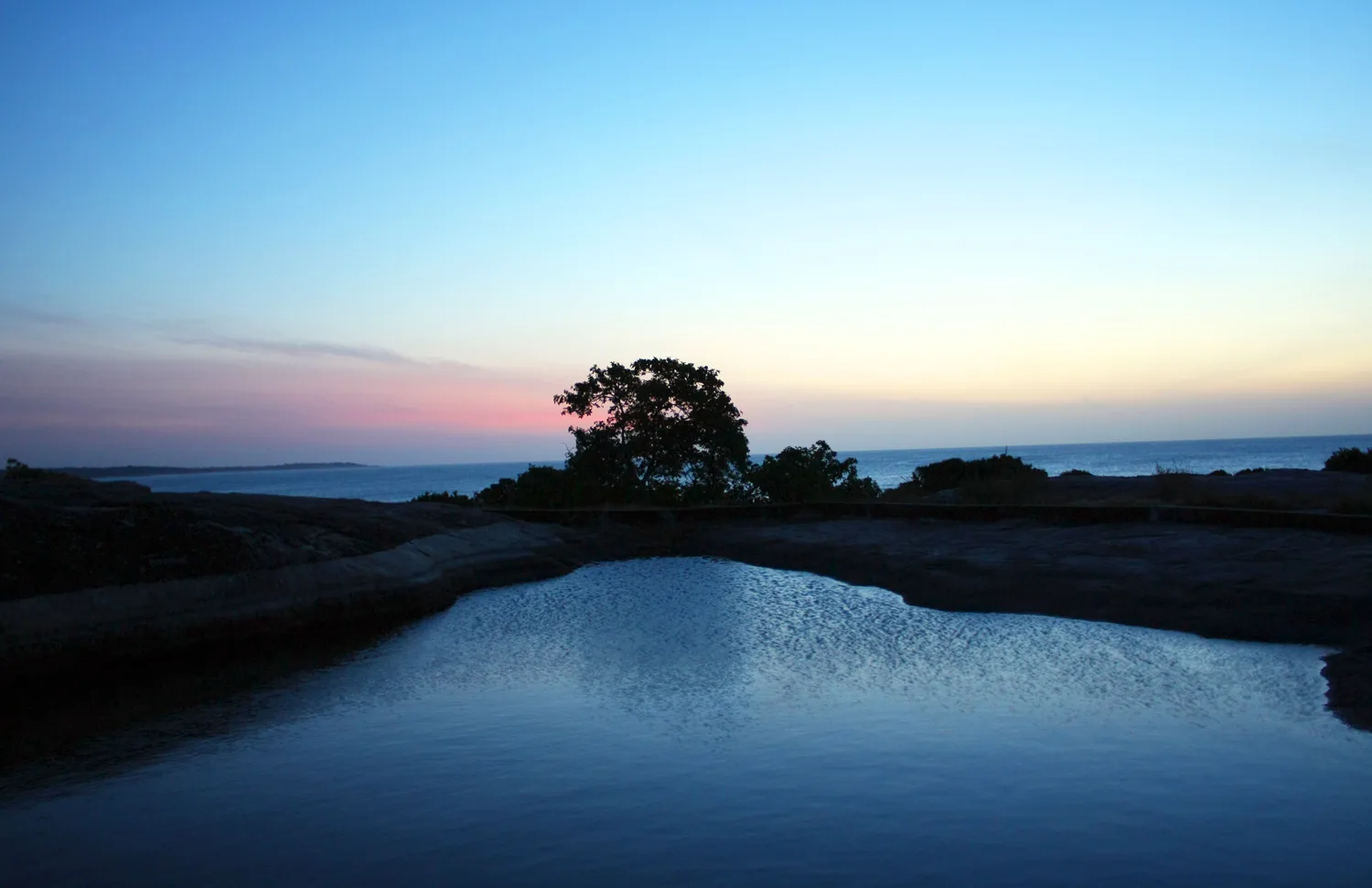
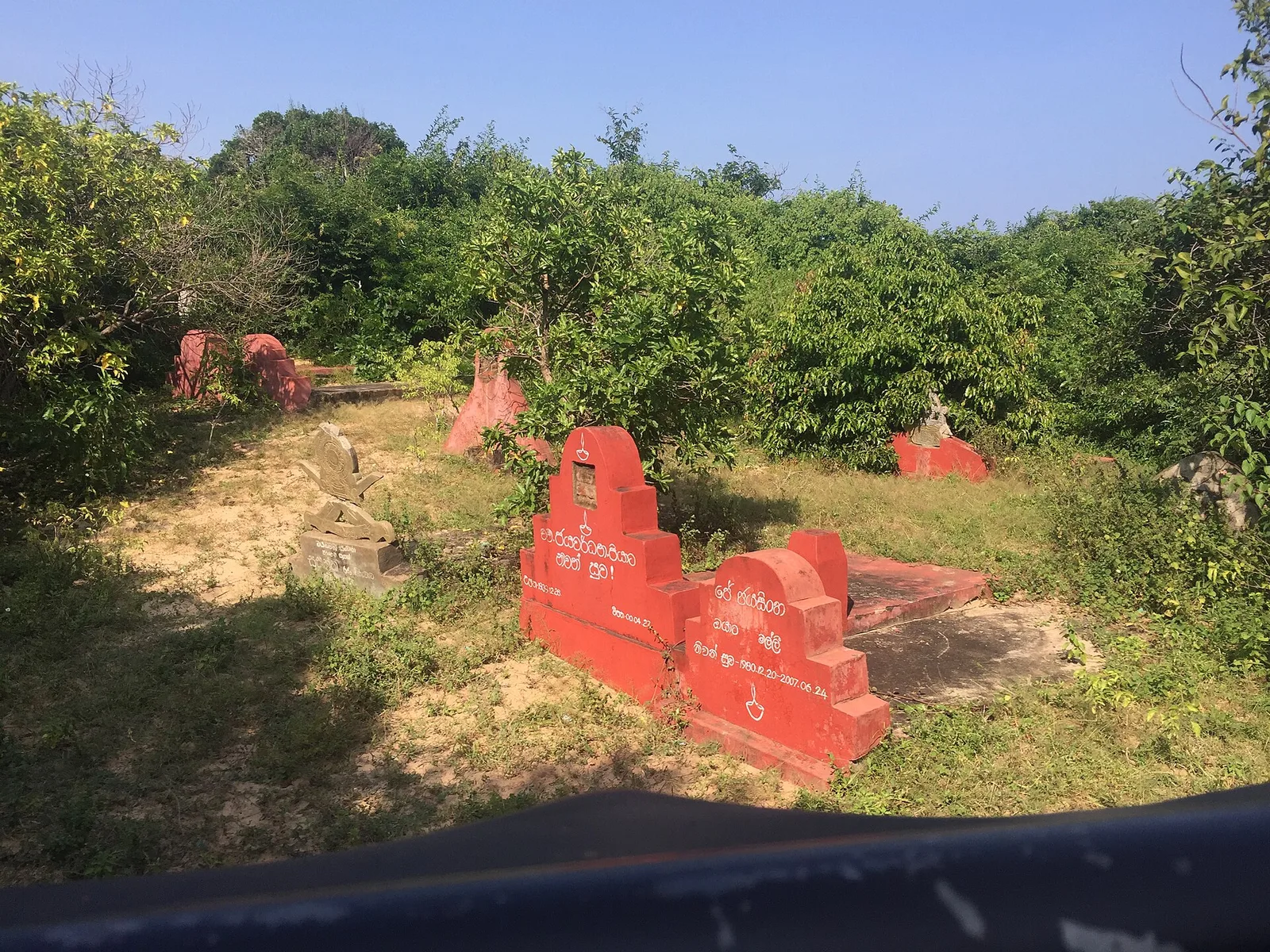
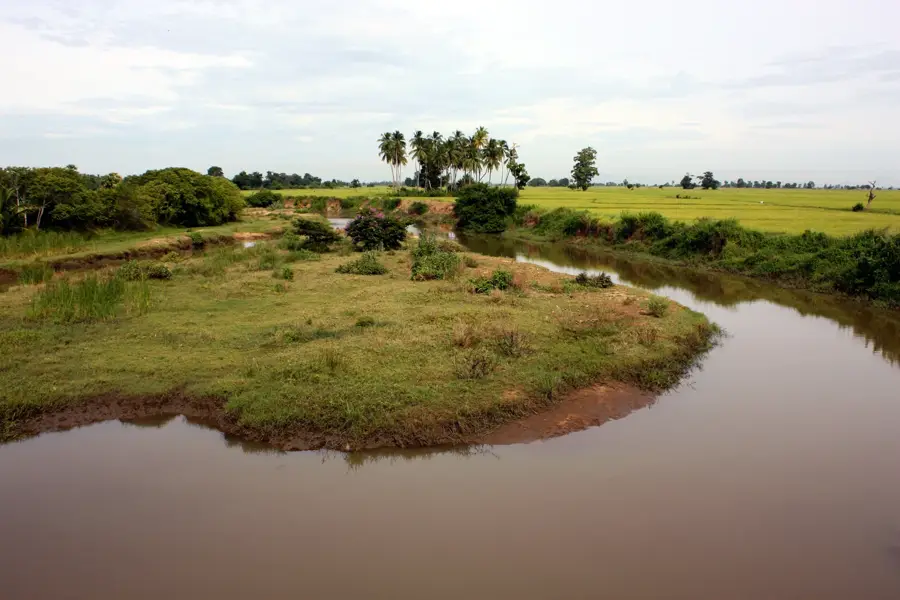
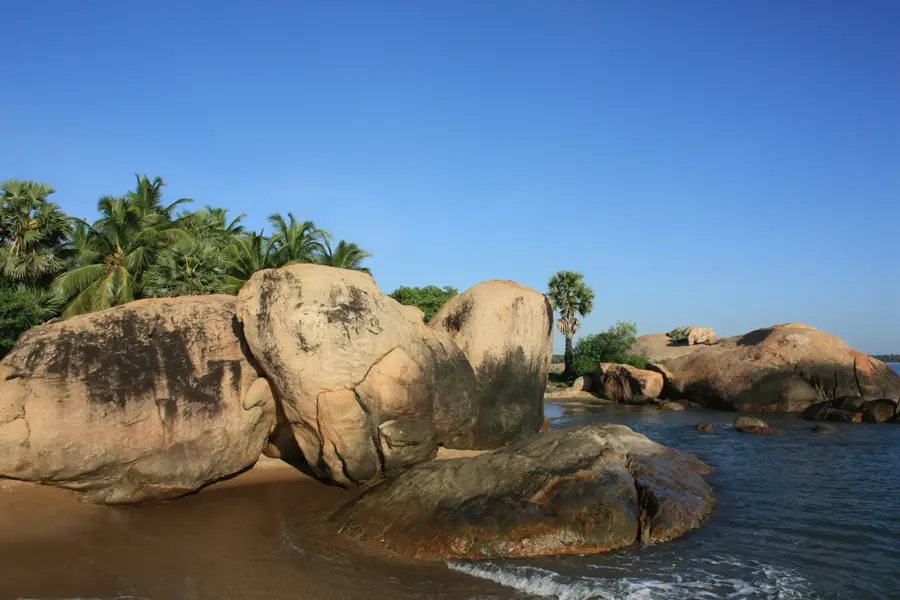
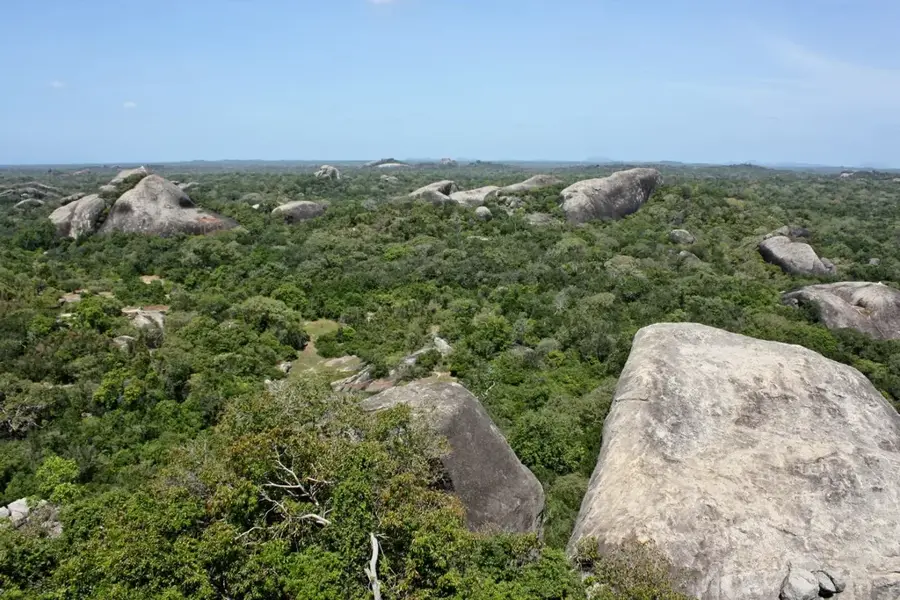
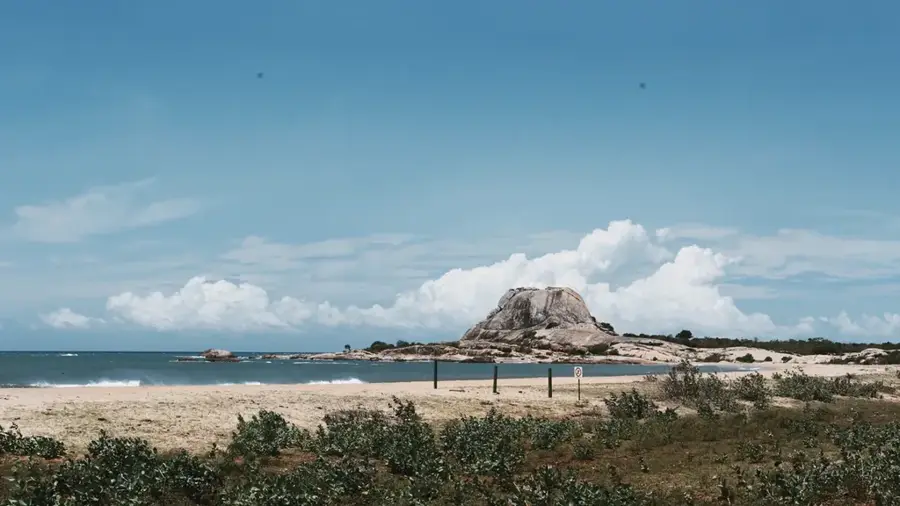
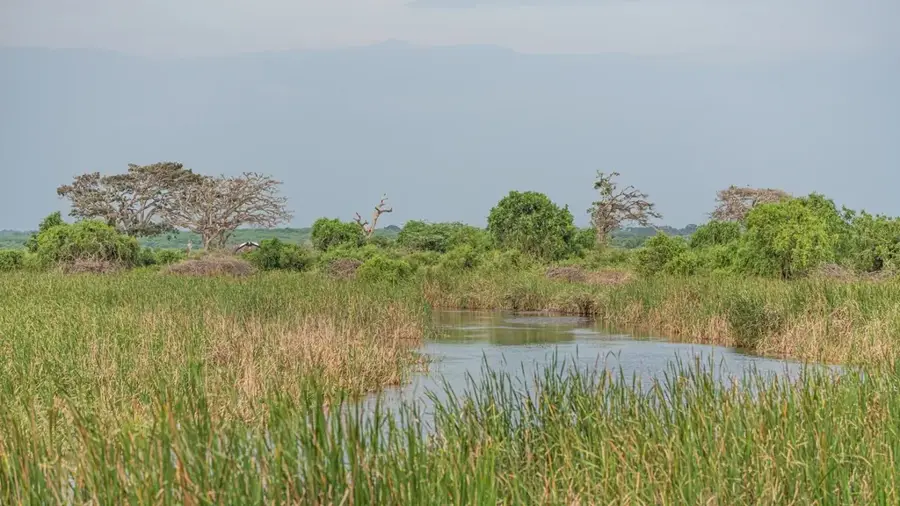
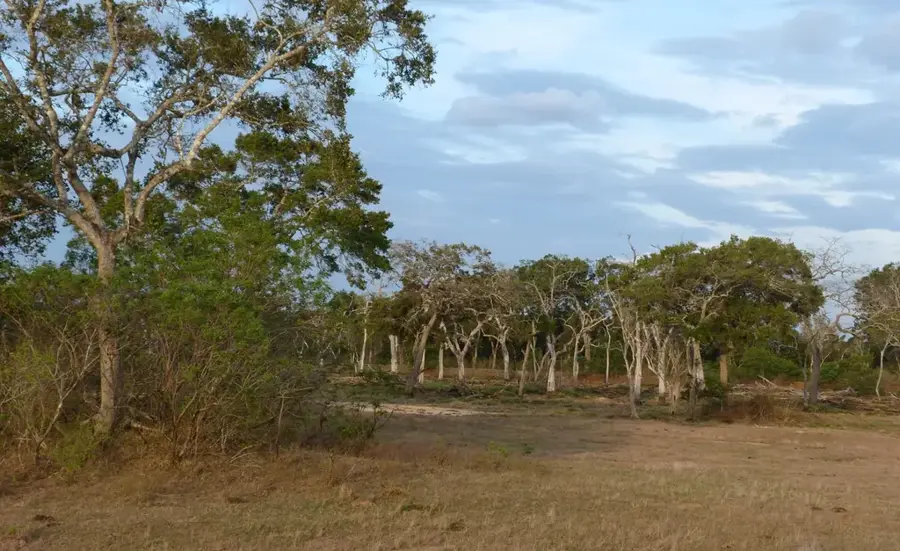
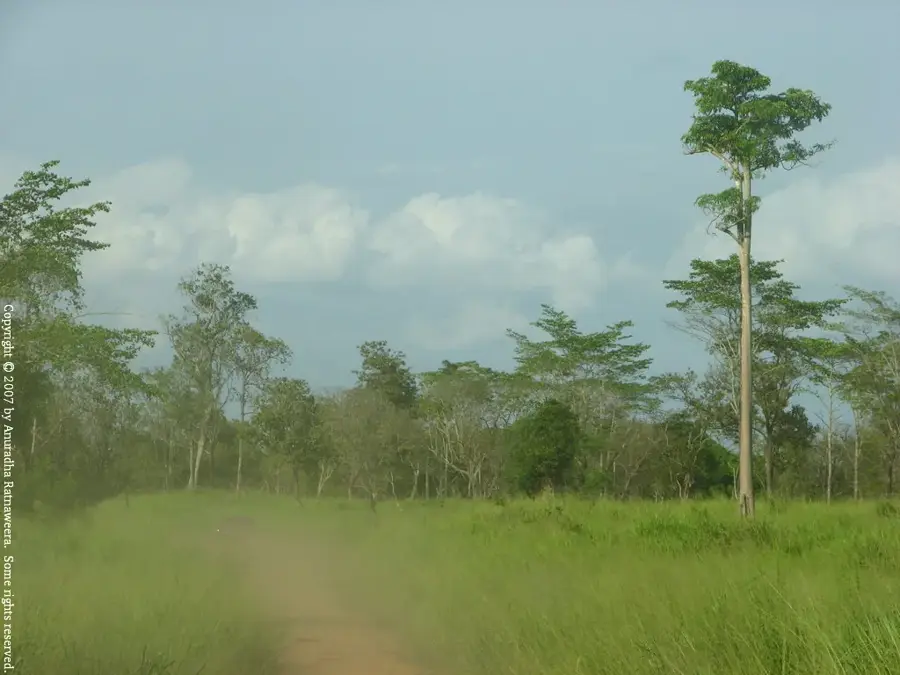
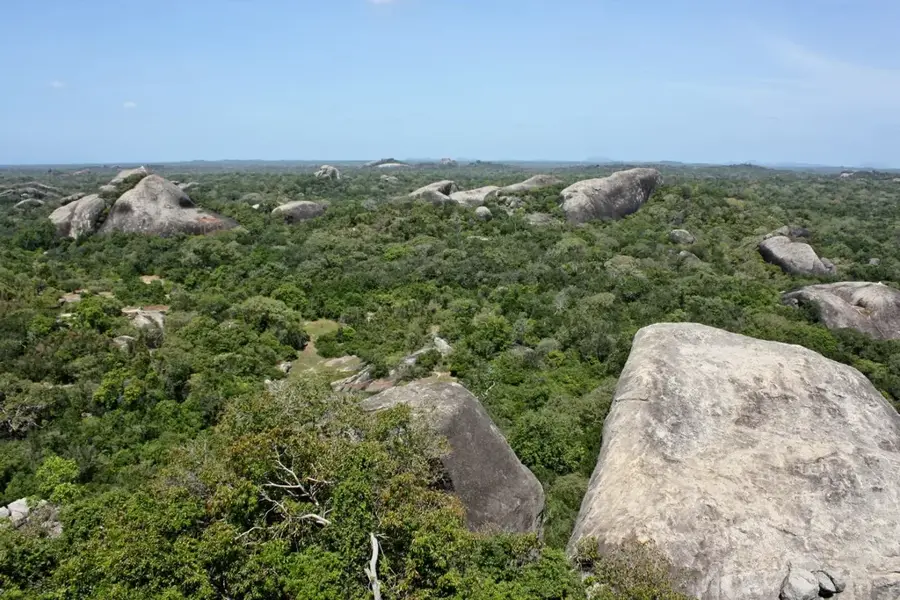
Kumana National Park, formerly known as Yala East National Park, is situated on the southeast coast of Sri Lanka and spans an area of approximately 18,149 hectares. It is internationally recognized as one of the most important bird sanctuaries in the region, primarily due to the 200-hectare Kumana Villu, a mangrove swamp that serves as a vital nesting ground. Over 430 species of birds have been recorded within the park, including numerous migratory waterbirds that arrive from the northern hemisphere between October and April. In addition to its rich avian diversity, the park supports populations of large mammals such as elephants, leopards, and golden jackals. The landscape is characterized by low-lying coastal plains and scattered rock outcrops, some of which feature ancient inscriptions dating back to the 1st century BC. The park plays a crucial role in wetland conservation and serves as a significant resting site for rare species like the black-necked stork. Management is overseen by the Department of Wildlife Conservation, focusing on the preservation of these sensitive ecological habitats.

Best time to visit & climate

The most pleasant time to visit is Feb, Jun, Jul.

JanFebMarAprMayJunJulAugSepOctNovDec
Avg °C242526272727262727262625
Rain mm140105112188167917394147250306247

📋 Practical info

📅
Best season
The most rewarding time for birdwatching here is typically during the dry season, roughly between May and July, when migratory flocks gather around the receding water holes. However, diverse avian life can generally be observed throughout most of the year.
🌅
Best time of day
Avian activity peaks prominently during the early morning hours, usually shortly after sunrise, when temperatures are cooler. Late afternoon also has a secondary window of increased activity as birds return to their roosting spots before dusk.
📜
Etiquette
Visitors are generally required to remain inside their designated safari vehicles at all times while exploring the park's trails. Keeping noise levels to an absolute minimum is strictly enforced to avoid startling the sensitive nesting birds and other wildlife.
🎒
What to bring
A high-quality telephoto lens and a reliable pair of binoculars are essential tools for identifying distant bird species across the wetlands. Lightweight, breathable clothing in neutral tones will help you stay comfortable in the tropical heat without standing out.
🧭
Getting there
Access to this renowned bird sanctuary is typically facilitated through guided jeep safaris arranged from nearby towns or coastal hubs. The park's entrance is usually reachable via established roads that connect to the broader regional highway network.
🦌
What to expect
Exceptional bird photography requires immense patience as you wait for the great moment at the observation points. Focus your attention near the water margins and allow the birds to naturally approach your position rather than chasing them for a closer look.

Geography

Coordinates
6.55000, 81.71670

Facts

  • The park covers a total area of 18,149 hectares
  • More than 430 bird species have been recorded
  • It was formerly known as Yala East National Park
  • Kumana Villu swamp spans roughly 200 hectares
  • Features ancient rock inscriptions from 1st century BC
  • Crucial habitat for the rare black-necked stork

Explore nearby

Notable places around

Route planner — Car & Motorhome

Where do you start? We build the route here, with stops and country notes along the way.

Vehicle
Only stops with (optional):

© OpenStreetMap contributors · OpenRouteService

Sights in the town Kumana National Park (7)

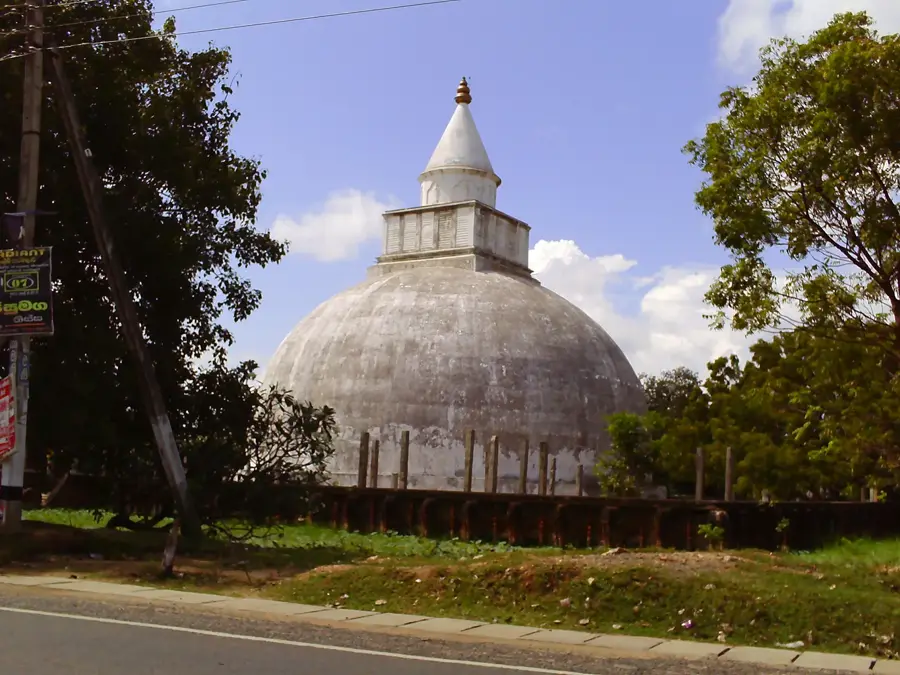
Kiripokunahela Monastic Ruins🏺 historical

Ancient monastic ruins situated on a hill within the Kumana bird sanctuary.

Giant Hearth-Stone📍 landmark

A large rock formation resembling a massive cooking stone in Kumana.

Kongala🏺 historical

Ancient stone ruins located in the eastern sector of Kumana National Park.

Birds Information Center🌿 nature

An observation point providing information on Kumana's diverse birdlife.

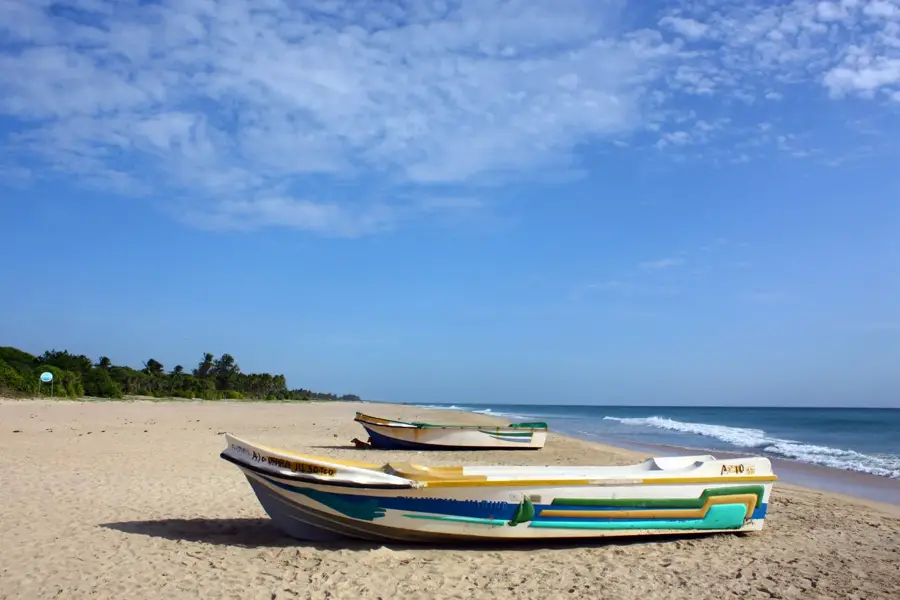
Yakala South Beach🎡 recreation

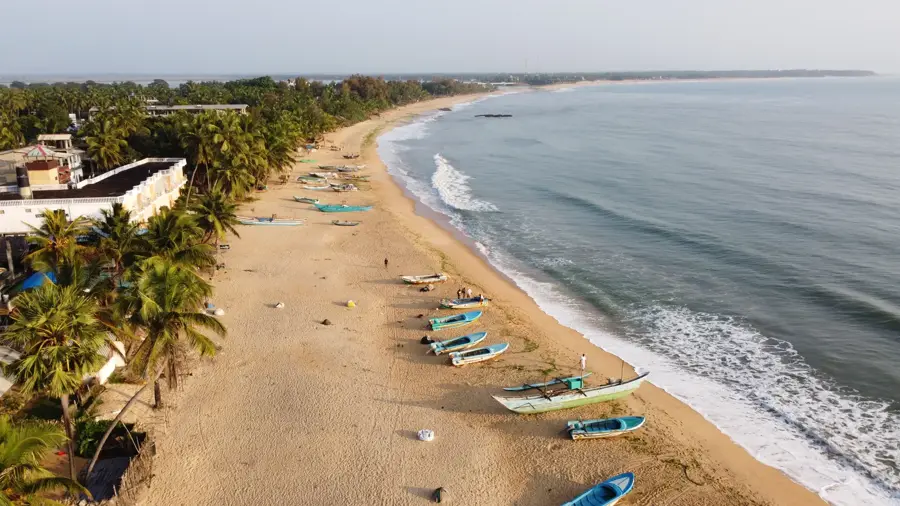
A secluded sandy beach on the southern coast of Kumana National Park.

Andarakala South Beach🎡 recreation

A wild coastal stretch in Kumana known for its pristine sands.

Andarakala North Beach🎡 recreation

A remote beach area on the northern edge of the Andarakala coastline in Kumana.

Sights nearby

Frequently asked questions

What is Kumana National Park known for?
It is world-famous for its rich birdlife and the Kumana Villu lagoons.
When is the best time for birdwatching?
May to June is the well-suited time when many migratory birds rest in the park.
Are there leopards there too?
Yes, although famous for birds, the park also hosts leopards and elephants.
Do you need a jeep for the visit?
Yes, the park can only be explored with a licensed safari jeep.
Where is the entrance to the park?
The entrance is located in Okanda, south of Arugam Bay.
Kumana National Park: where is it located?
Kumana National Park is located in Sri Lanka.
Kumana National Park: what is there to see?
Highlights include Kiripokunahela Monastic Ruins, Giant Hearth-Stone, Kongala.
Kumana National Park: when is the best time to visit?
The most pleasant time to visit is Feb, Jun, Jul.
Kumana National Park: why is it worth visiting?

Kumana National Park, formerly known as Yala East National Park, is situated on the southeast coast of Sri Lanka and spans an area of approximately 18,149 hectares.
View on map → The Top 50 Attractions → OpenStreetMap →
Asia
Explore with Plizio Discover more places in Asia
More places in Sri Lanka →

Nearby cities

History & landmarks
Nature
More places