Plizio Visual Lab

Sierra de Grazalema
Plizio editorial teamData Sources
Mountain
—°7
Sierra de Grazalema (Spain)

Weather…

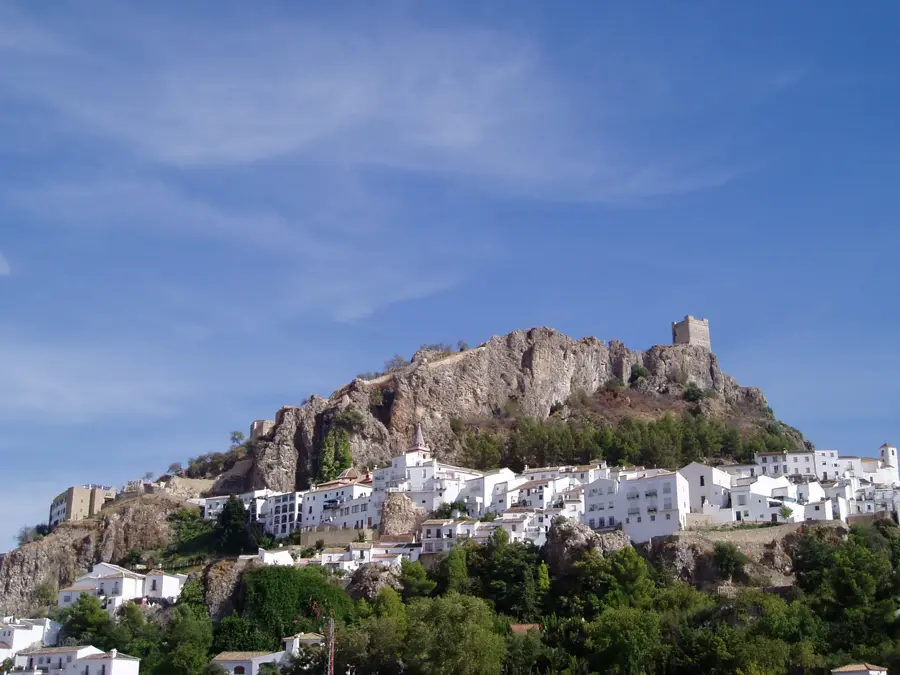
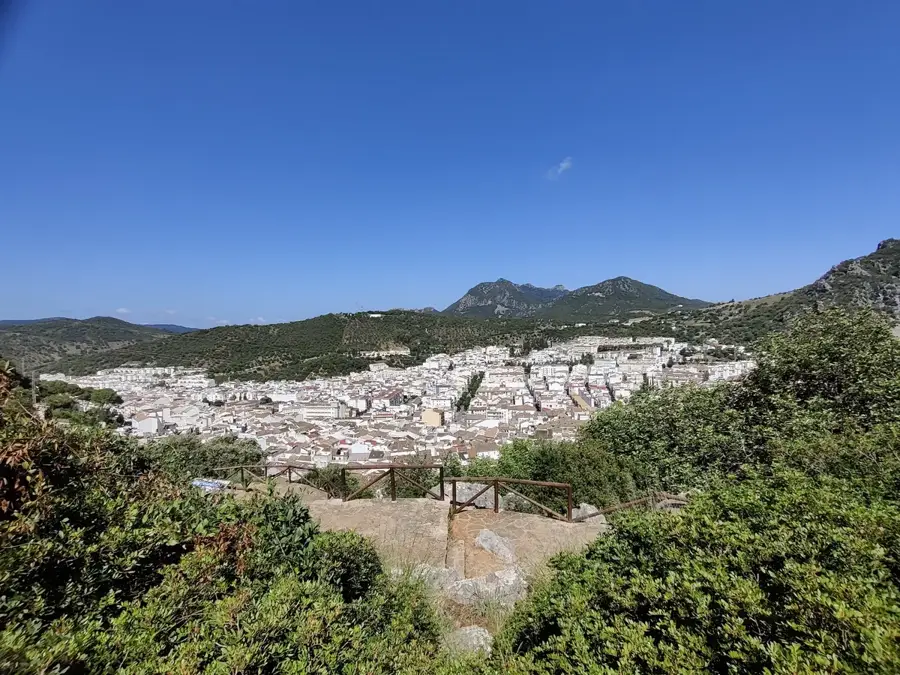
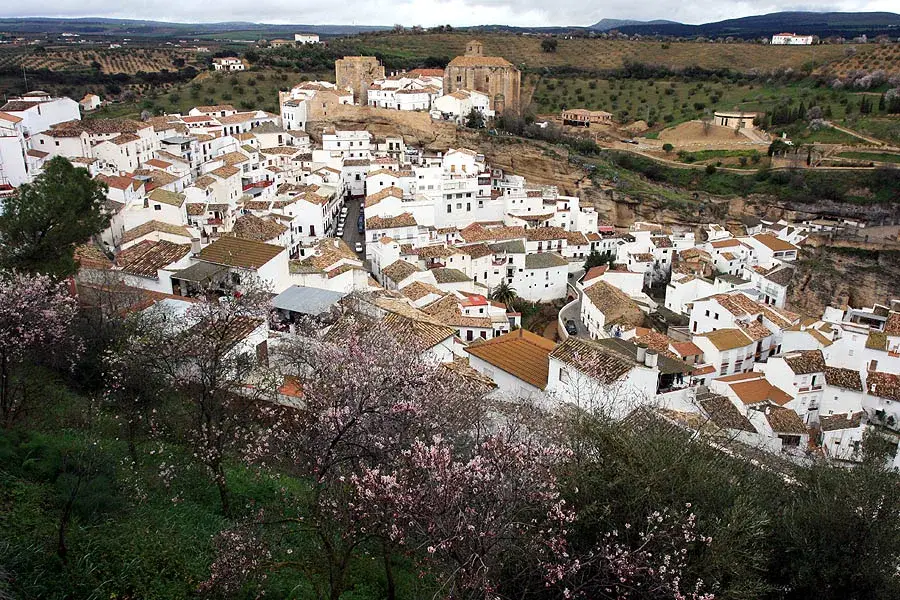
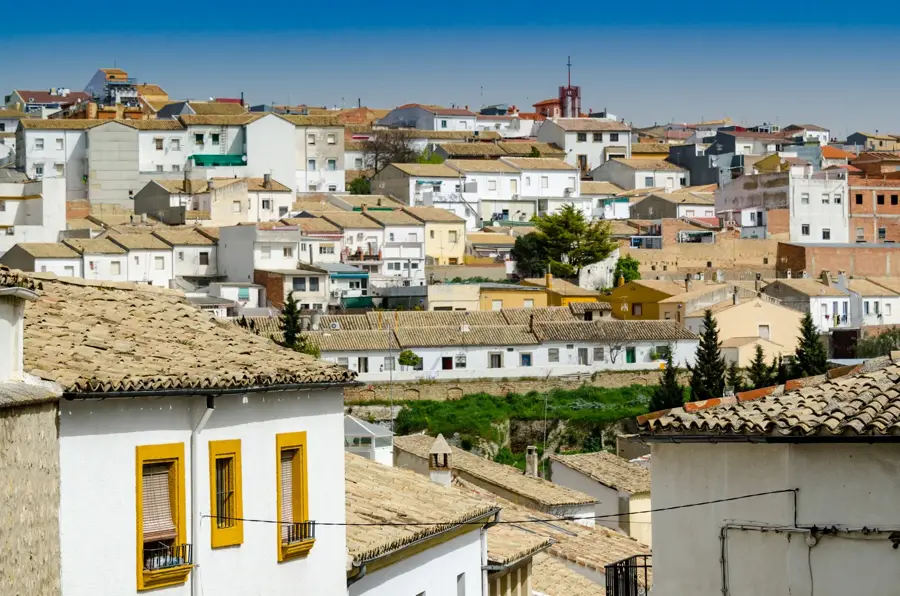
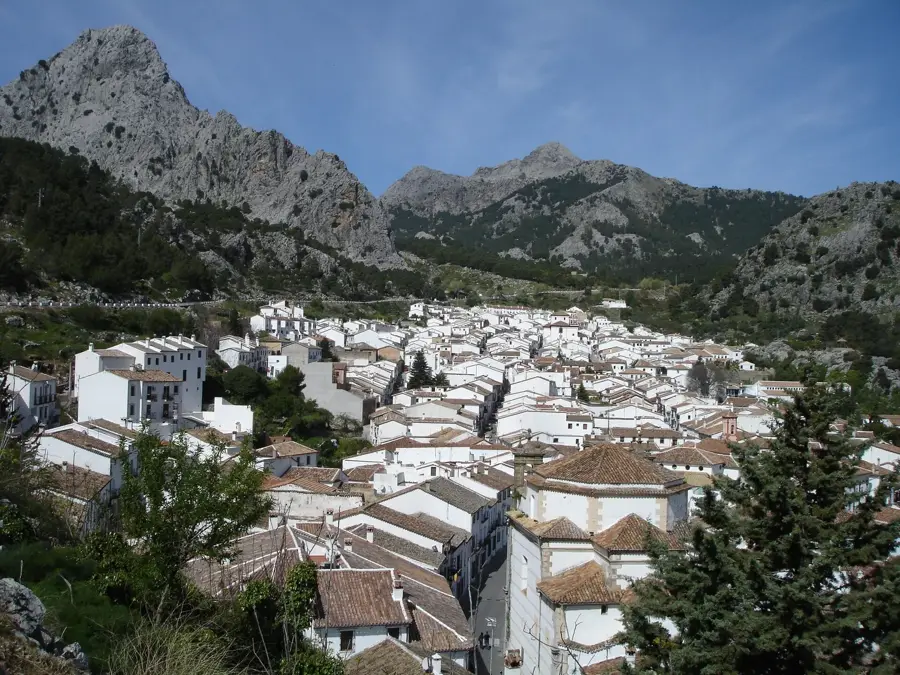
The Sierra de Grazalema is located in the northeastern part of the province of Cádiz and is known as one of the wettest locations in Spain. This limestone mountain range belongs to the western sector of the Baetic System and is characterized by a spectacular karst landscape featuring deep gorges, caves, and rugged rock formations. The region was designated a UNESCO Biosphere Reserve in 1977 and hosts unique flora, including the rare Spanish fir (pinsapo) forests, a relic from the last glacial period. The high rainfall is caused by moisture-laden clouds from the Atlantic Ocean rising over the mountains. Historically, the area was a center for traditional crafts, particularly wool blanket production. Today, the natural park is a premier destination for hikers and nature enthusiasts, who also explore 'white villages' like Grazalema and Zahara de la Sierra, famous for their traditional architecture.

Best time to visit & climate

The most pleasant time to visit is May, Jun, Sep.

JanFebMarAprMayJunJulAugSepOctNovDec
Avg °C91012151924272723191310
Rain mm565669552941326727971

📋 Practical info

🧭
Getting there
To reach the Sierra de Grazalema area, visitors typically start their journey from nearby regional towns, using local roads that wind through the natural terrain. Many travelers appreciate the well-maintained approach routes that connect the tranquil local villages directly to the primary trailheads.
📅
Best season
For the optimal outdoor experience, travelers generally prefer the transitional seasons when the local climate in Cádiz province remains relatively temperate. During these periods, the natural lighting also creates excellent photographic opportunities across the expansive valleys and elevated ridges.
⛰️
Terrain & paths
Expect a mix of rugged paths and uneven ground, heavily influenced by the wet limestone landscapes, requiring a good level of physical fitness. Sturdy footwear with excellent grip is considered absolutely essential to safely negotiate the frequent loose rocks and uneven ascents.
🎒
What to bring
It is highly recommended to bring sturdy hiking boots, sufficient hydration, and layered clothing to adapt to the changing mountain weather. Additionally, carrying a fully charged mobile phone and a basic first aid kit is strongly advised by local mountain rescue organizations.
🅿️
Parking
Official parking zones are usually located at the lower elevations, from where most recognized walking routes into the massif naturally begin. Arriving early in the morning is highly recommended during peak periods to secure a convenient space close to the main information boards.
⚠️
Safety
It is important to heed local advisories regarding trail conditions, especially given the remote nature of the terrain and limited mobile reception. It is always wise to thoroughly check the local meteorological forecast before setting out, as highland conditions can deteriorate rapidly.
⏱️
Time needed
Most guided and independent excursions in this sector generally last anywhere from a half-day trek to a multi-day challenging outdoor adventure. For those planning to conquer the more remote sections, allocating an early start and plenty of extra time for rest stops is highly advisable.

Geography

Coordinates
36.75000, -5.36000

Facts

  • Annual rainfall in the region can exceed 2,000 millimeters.
  • The highest peak is El Pinar, reaching an altitude of 1,654 meters.
  • The Cueva del Gato is one of the largest cave systems in Andalusia.
  • The Biosphere Reserve covers an area of roughly 53,400 hectares.
  • Grazalema was designated as Andalusia's first natural park in 1977.
  • The 'Garganta Verde' gorge features vertical walls up to 400 meters high.

Explore nearby

Notable places around
Route planner — Car & Motorhome

Where do you start? We build the route here, with stops and country notes along the way.

Vehicle
Only stops with (optional):

© OpenStreetMap contributors · OpenRouteService

Sights in the town Sierra de Grazalema (7)

Parque Natural de la Sierra de Grazalema🌿 nature

A natural park in Andalusia known for its diverse flora and fauna.

Reloj📍 landmark

A historic clock tower in the Sierra de Grazalema natural park.

Cerro del Simancón📍 landmark

Cerro del Simancón is a mountain peak in the Sierra de Grazalema.

Ermita del Calvario🏺 historical

A hilltop hermitage (Calvary) in the Sierra de Grazalema.

Cueva de las dos puertas🌿 nature

A natural viewpoint with cave formations in the Sierra de Grazalema.

Fuente de Abajo📍 landmark

Natural spring fountain in the Sierra de Grazalema limestone mountains.

Mirador "El Santo"🌿 nature

A viewpoint offering a wide vista over the Sierra de Grazalema.

Sights nearby

Frequently asked questions

Why does it rain so much in Grazalema?
Moist Atlantic winds hit the mountains and release precipitation, making it the wettest place in Spain.
What is the Pinsapo fir?
It is a rare, glacial-era fir species that survives almost exclusively in these mountains.
Is Cueva del Gato accessible?
The entrance area is freely accessible and popular for swimming; a permit is required for the interior.
Which white villages are nearby?
Grazalema and Zahara de la Sierra are among the most beautiful Pueblos Blancos in the vicinity.
How challenging is the climb to El Torreón?
The climb is steep and strenuous. In peak season, a prior online permit is strictly required.
Sierra de Grazalema: where is it located?
Sierra de Grazalema is located in Galicia, Spain.
Sierra de Grazalema: what is there to see?
Highlights include Parque Natural de la Sierra de Grazalema, Reloj, Cerro del Simancón.
Sierra de Grazalema: when is the best time to visit?
The most pleasant time to visit is May, Jun, Sep.
Sierra de Grazalema: why is it worth visiting?

The Sierra de Grazalema is located in the northeastern part of the province of Cádiz and is known as one of the wettest locations in Spain.
View on map → The Top 50 Attractions → Most beautiful beaches → OpenStreetMap →
Europe
Explore with Plizio Discover more places in Europe
More places in Spain →

Nearby cities

History & landmarks