Feria de Almería (Festival of the Virgin of the Sea)
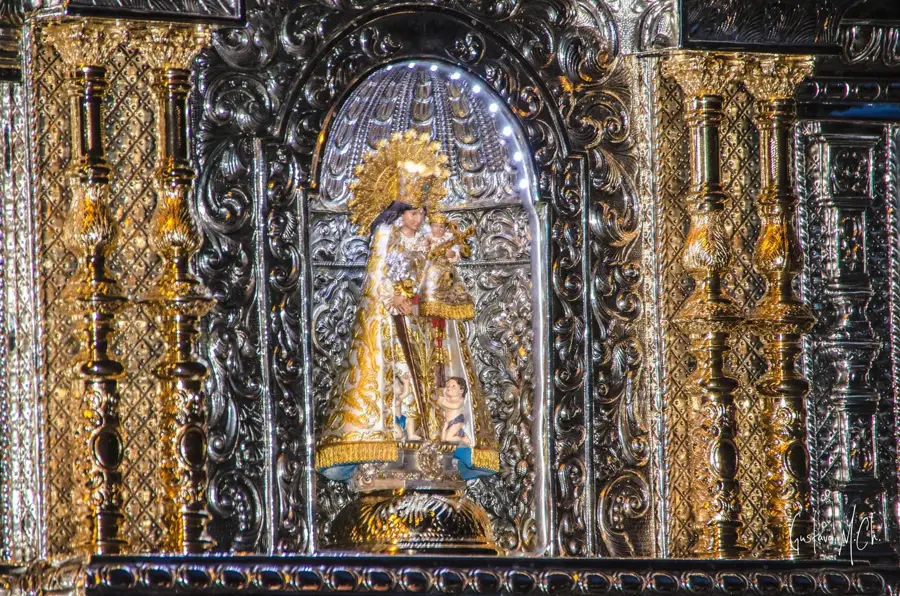
A nine-day city festival in late August honoring the patron Virgin of the Sea, with daytime and nighttime fairgrounds, concerts, a folklore festival and a floral offering.
PlizioGo
A classic breakfast or snack of toasted bread with various toppings. Available in most local cafes in the center.
A hearty, traditional stew with local pasta and rabbit, often found in traditional restaurants in the province.
Head to the coastal neighborhoods or the Central Market area for excellent fried or grilled local fish.
The spirited central market is the best place for fresh local produce and an atmospheric food shopping experience.
The tree-lined main boulevard featuring a mix of local boutiques and international brands.
A botanical garden on the outskirts of the city, offering a peaceful retreat.
Drive out to this iconic viewpoint for remarkable, serene coastal landscapes.
A quiet, enclosed square in the old town, well-suited for a relaxing coffee.
Water temperature…
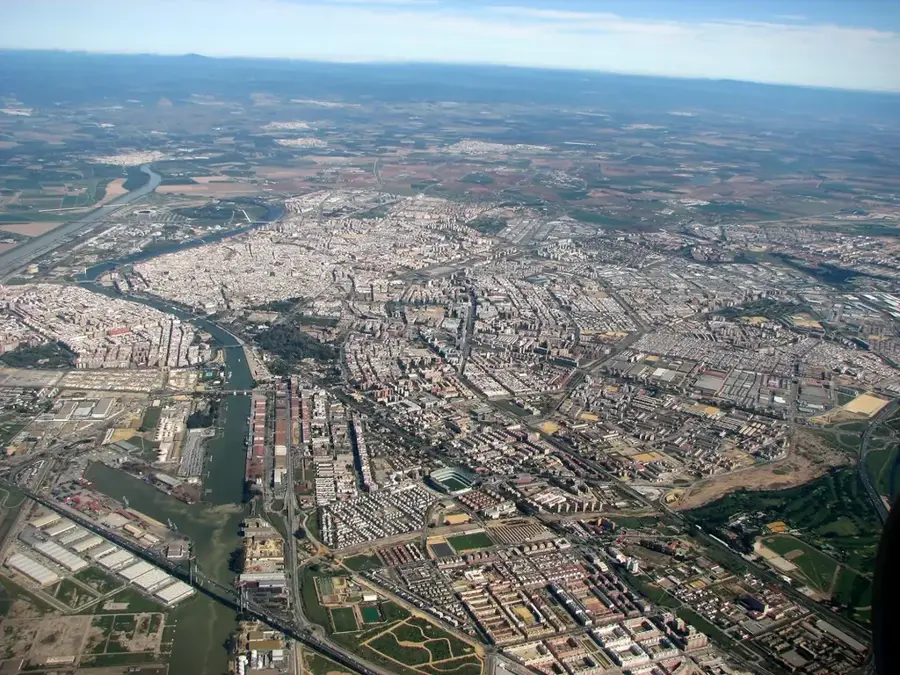
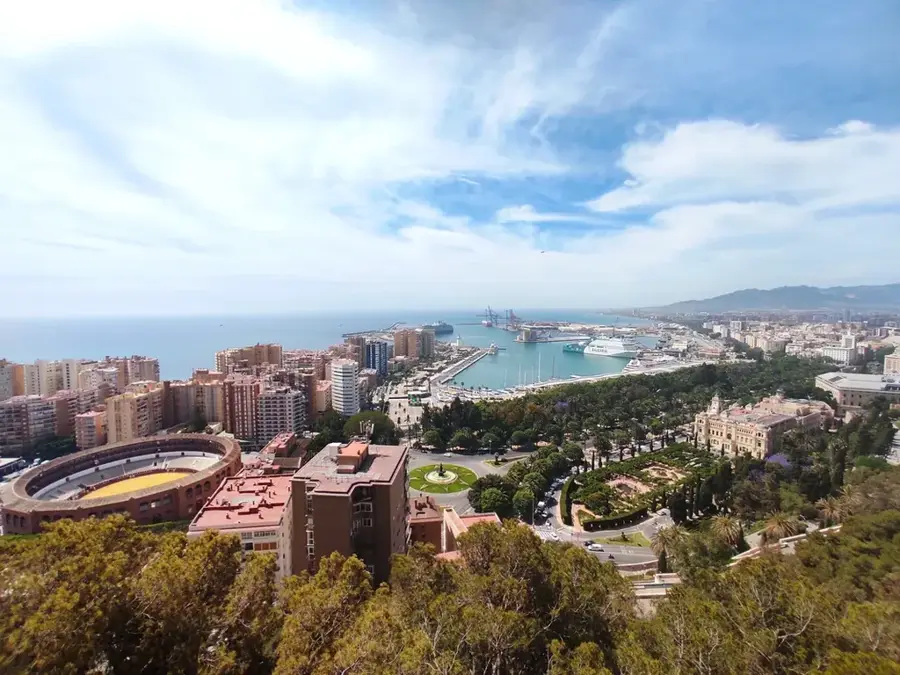
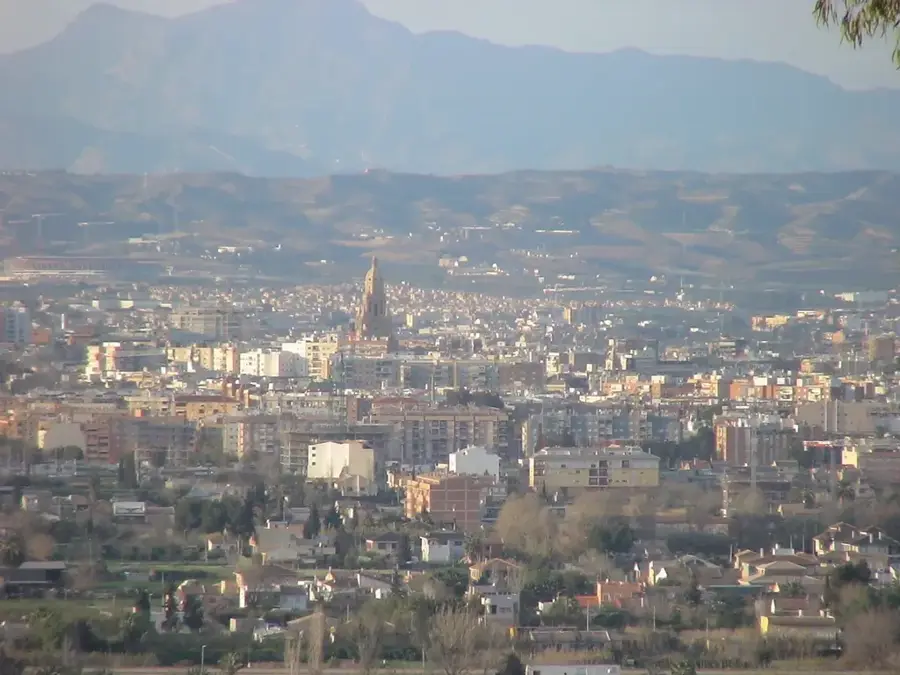
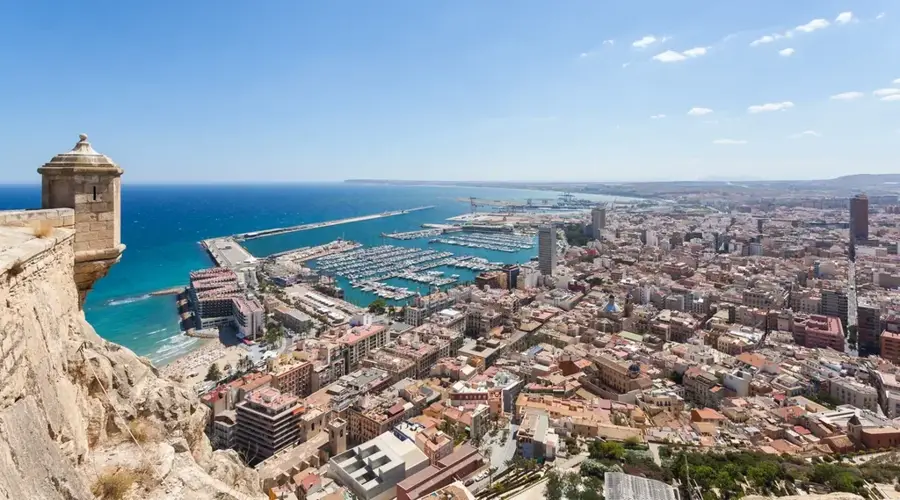
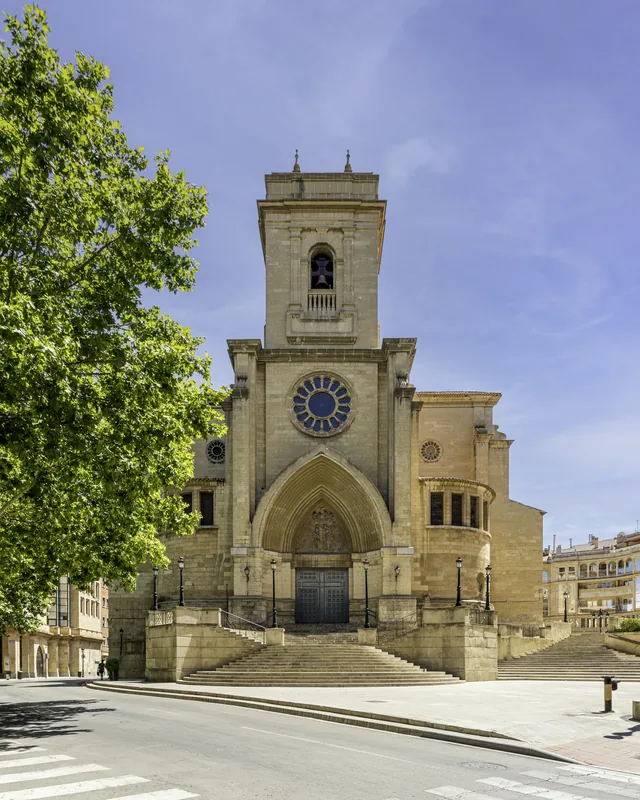
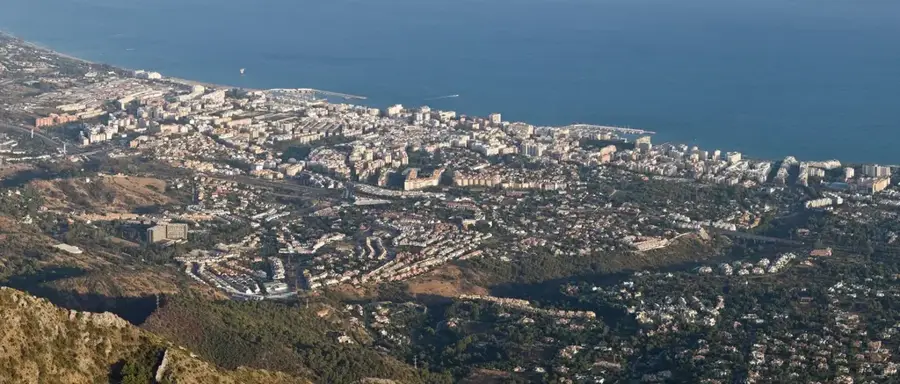
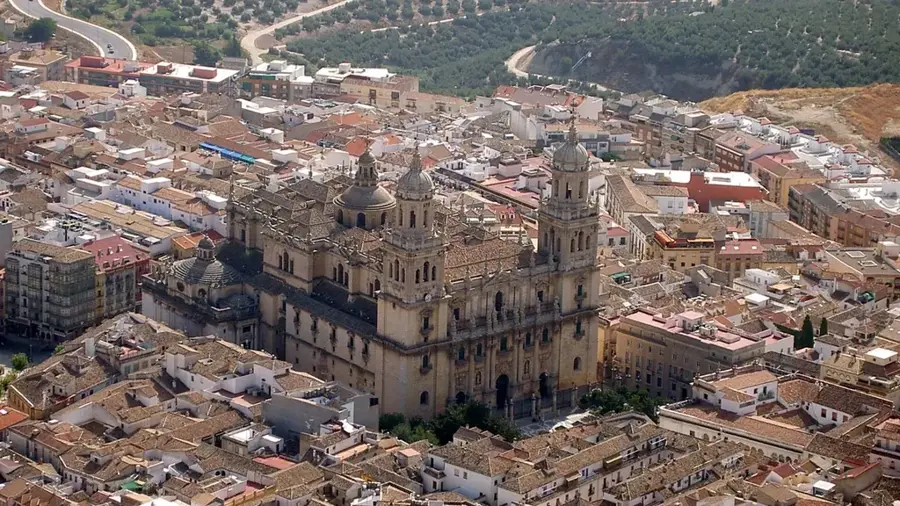
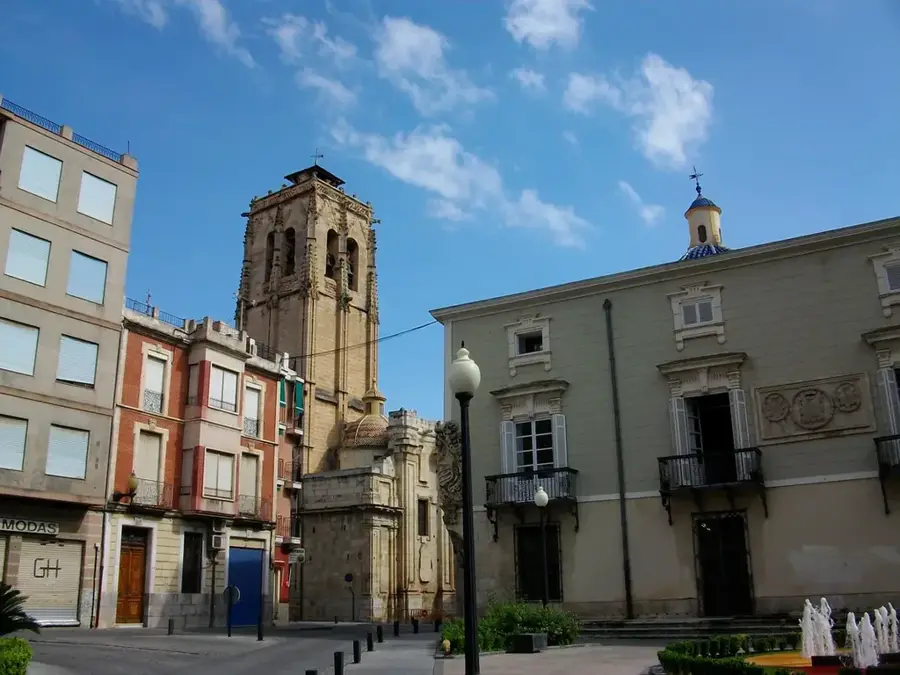
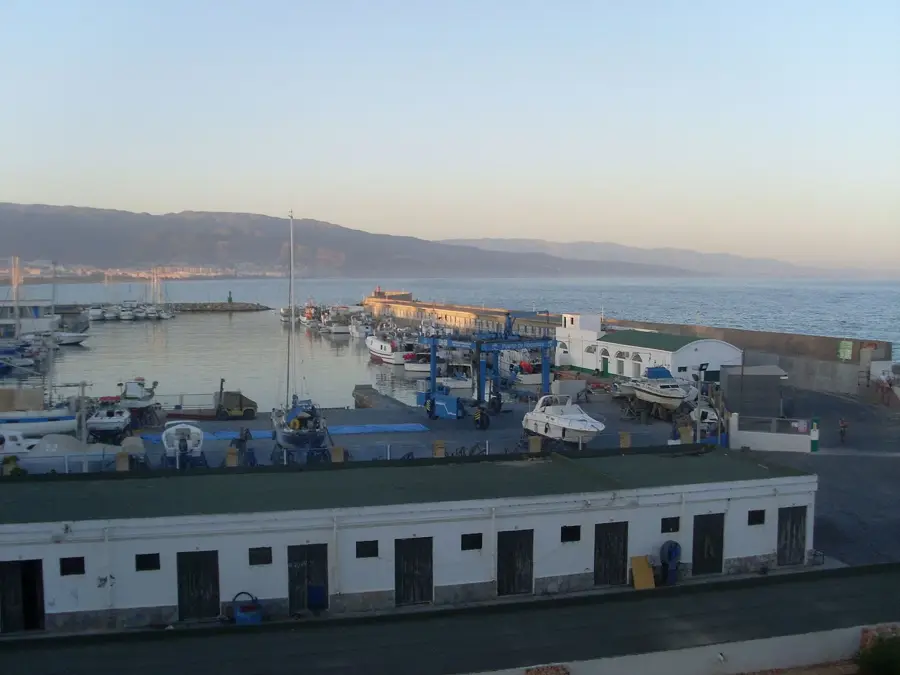
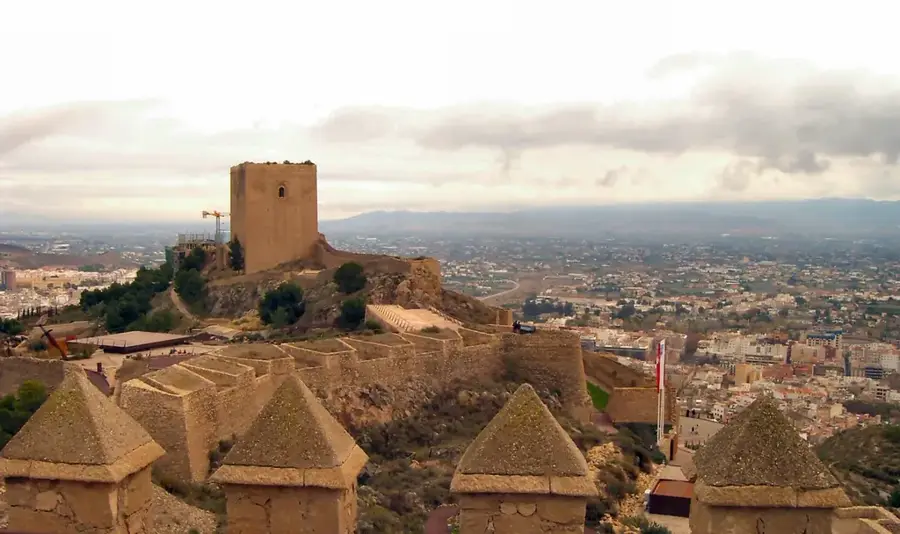
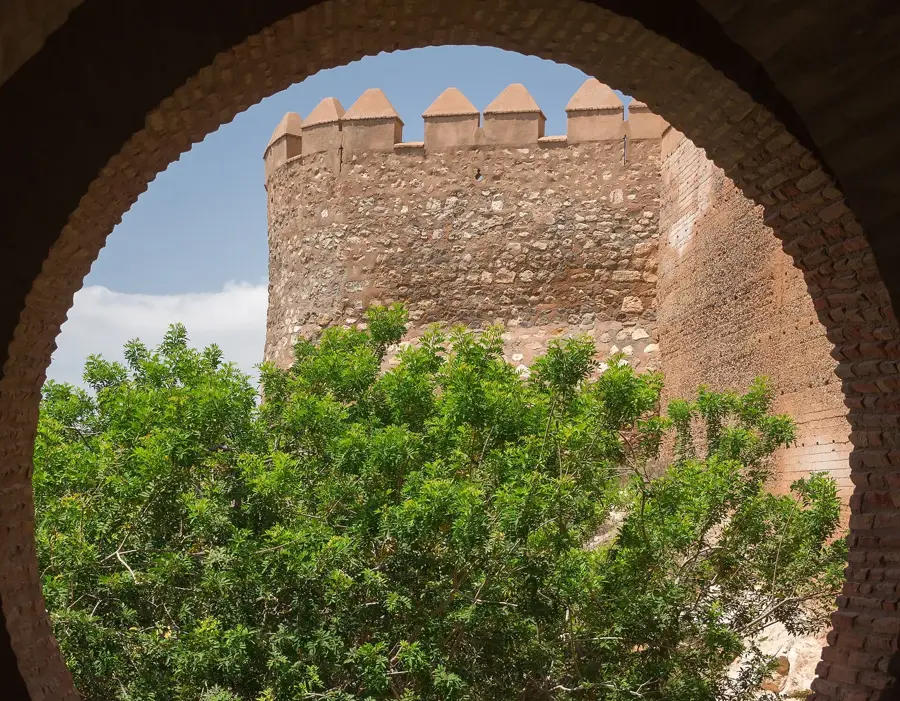
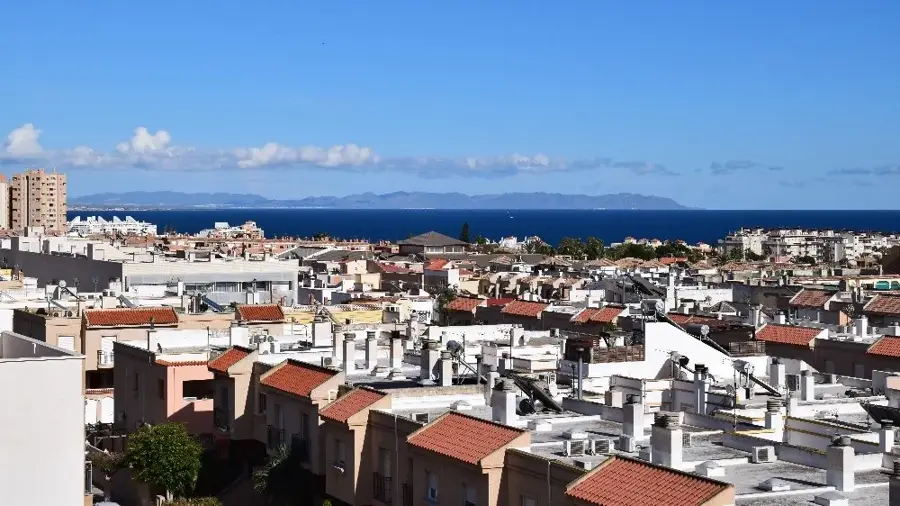
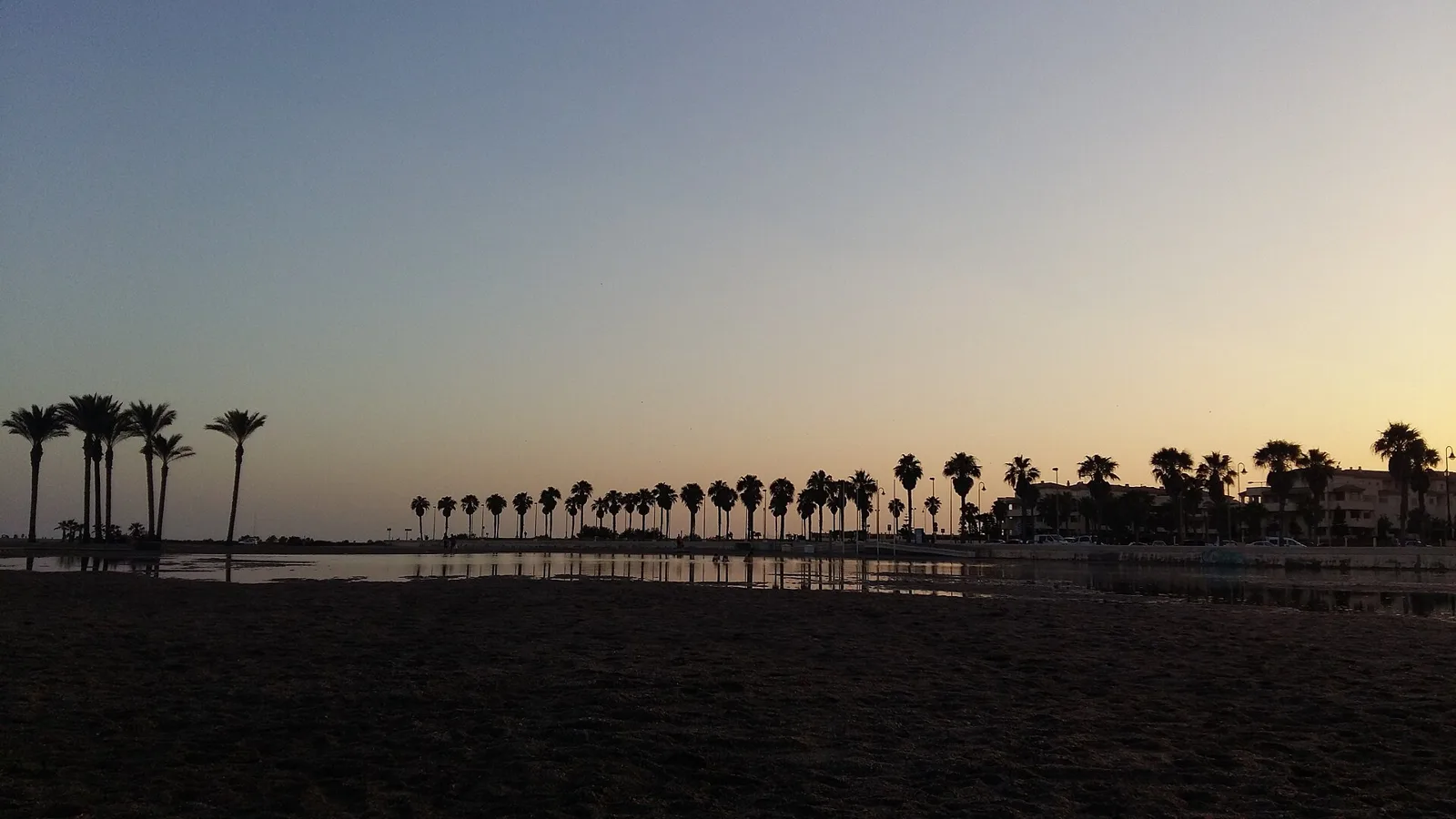
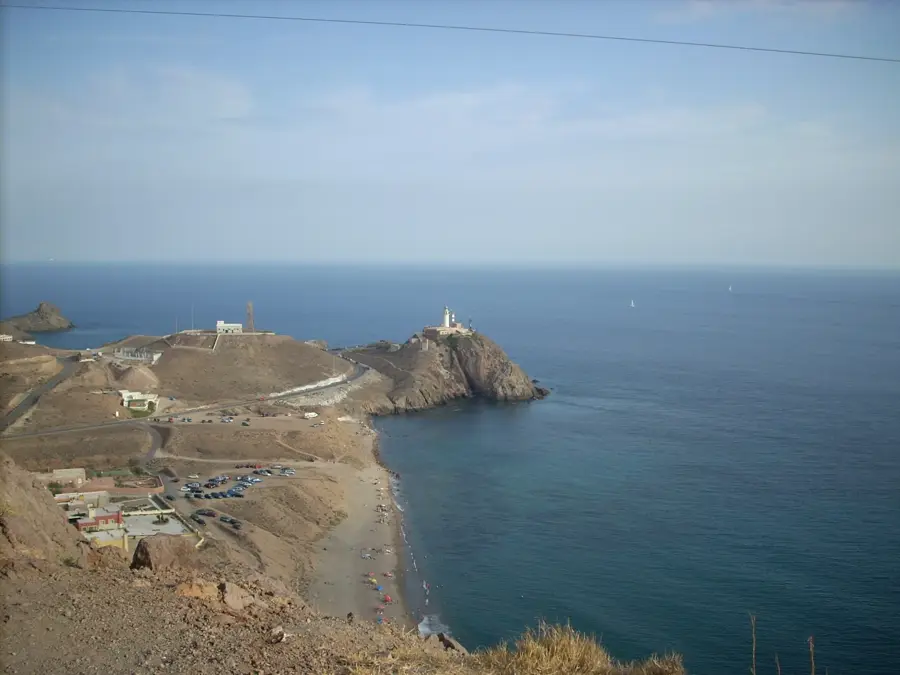
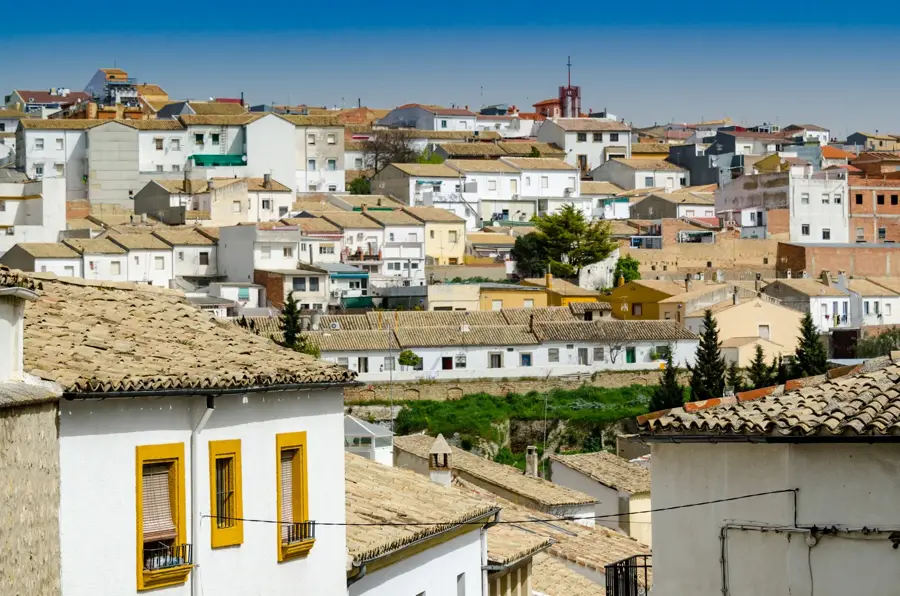
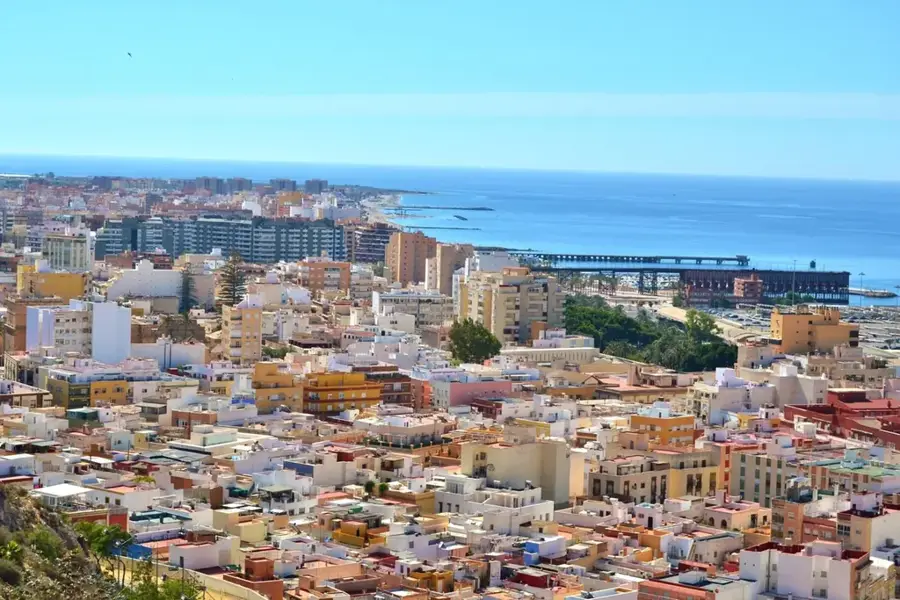
Almería, sun-drenched and surrounded by barren, dramatic landscapes, is an Andalusian port city full of contrasts and historical depth. The cityscape is majestically dominated by the Alcazaba, a massive 10th-century Moorish fortress that bears witness to the region's glorious Islamic past. Set among the winding streets sits the unique, fortress-like cathedral, originally built not only for prayer but also as a defense against pirate attacks. In more recent history, the barren, desert-like surroundings of Tabernas gained cult status as the backdrop for countless world-famous Spaghetti Westerns. Today, Almería is also the undisputed center of European greenhouse agriculture and an emerging tourism destination.
The most pleasant time to visit is May, Jun, Sep.
| Jan | Feb | Mar | Apr | May | Jun | Jul | Aug | Sep | Oct | Nov | Dec | |
|---|---|---|---|---|---|---|---|---|---|---|---|---|
| Avg °C | 8 | 9 | 11 | 14 | 18 | 23 | 26 | 26 | 22 | 17 | 12 | 9 |
| Rain mm | 25 | 23 | 29 | 26 | 14 | 4 | 1 | 5 | 20 | 26 | 34 | 32 |
Notable places around
Where do you start? We build the route here, with stops and country notes along the way.
© OpenStreetMap contributors · OpenRouteService
Your day starts in the bustling Puerta de Purchena, then takes you underground into the Civil War shelters. The morning explores the historic heart with the fortress-like Cathedral and Plaza de la Constitución. After a tapas lunch, you'll climb the mighty Alcazaba for stunning views over the city and sea. The afternoon is for exploring the Moorish fortress before descending to the industrial landmark, the Cable Inglés, to catch the sunset.
Start your morning under the protective arcades of Puerta de Purchena. Descending into the Refugios is the best choice today, as the underground tunnels remain perfectly dry and fascinating. At lunch, the narrow streets around the Cathedral hide many cozy tapas bars where you can enjoy the sound of the rain with a glass of wine. The fortress-like Cathedral itself is a sturdy, dry haven. In the afternoon, the climb to the Alcazaba requires caution as the stone paths can be slippery. Seek cover in the palace rooms while enjoying the view of the misty sea. End the day at the English Cable. The industrial pier looks particularly dramatic in the rain, and nearby cafes provide the perfect retreat from the damp weather.
Enjoy the mild winter sun at Puerta de Purchena. The crisp morning air is ideal for a stroll through the historic old town without facing the oppressive summer heat. At lunch, Plaza de la Constitución is the perfect spot to soak up some Vitamin D. The low sun bathes the ocher walls of the Cathedral in a warm, golden glow. Spend your afternoon at the Alcazaba. In winter, you can explore the extensive gardens and fortress walls without exhaustion. The distant view of the snow-capped Sierra Nevada peaks is breathtaking. As the sun sets around 6:00 PM, head to the English Cable early. The remaining daylight paints the harbor sky in deep violet tones before you retreat into a cozy tapas bar.
Start your day on two wheels in the center of Almería. In the morning, you'll cycle through the old town, visit the Cathedral, and tackle the climb to the Alcazaba. After exploring the fortress, your route takes you along the coast to the industrial Cable Inglés. Enjoy a relaxed lunch by the sea on the promenade. The afternoon offers a cultural cool-down at the Museum of Almería before you cycle back to the center to end your active day with delicious tapas.
A rainy bike day in Almería requires caution on the slippery city tiles. Start at Puerta de Purchena and cycle carefully to the Cathedral, where you can lock your bike in a sheltered spot. At lunch, a ride along the Paseo Marítimo is recommended. The wind can be strong, but the view of the churning sea is quite an experience. Look for a restaurant with bike racks under an awning. In the afternoon, the Museum of Almería provides a dry and culturally rich escape. The route there follows wider roads, which are safer when wet than the narrow backstreets. Finish the tour with a short ride to the English Cable. The metal structures are slippery in the rain, so stay on the marked paths before returning your bike.
Winter cycling in Almería is a delight, as temperatures rarely drop below 15 degrees. Start at Puerta de Purchena and take advantage of the empty bike paths in the morning to reach the Cathedral. At lunch, the ride to the Paseo Marítimo is especially beautiful since the sun isn't too harsh. You can cycle for miles along the beach, enjoying the fresh sea breeze. In the afternoon, visiting the Alcazaba provides a welcome break from cycling. The fortress's cool walls are much more pleasant to climb in winter, and the view over the city is crystal clear. End your tour at the English Cable just before sunset. The golden winter light is perfect for photos before you return the bike and finish the day in a lively tapas bar.
Your day by car is split into three clusters. You'll start in the old town, where you park and explore the shelters, squares, and cathedral on foot. After lunch, you drive to the second cluster: the imposing Alcazaba on the hill, which you also discover on foot. The final part of the day takes you by car to the museum and coastal cluster in the east. There, you'll visit the Museum of Almería and finish the day with a walk to the industrial landmark, the Cable Inglés.
On a rainy day, a car is the most comfortable way to explore Almería. Park centrally and visit the Refugios to experience the city's history while staying completely dry. At lunch, driving through the old town to the Cathedral keeps you shielded from the weather. There are parking garages near the Cathedral, just a short, dry walk from the best tapas bars. In the afternoon, head to the Alcazaba. Parking right at the entrance saves you a wet climb on foot. Enjoy the view from the window before exploring the covered sections of the fortress. End the day with a drive to the museum and the coast. The museum is climate-controlled and dry, and the English Cable can even be admired from the warmth of your car if the rain gets too heavy.
Winter in Almería is ideal for a car tour as the streets are much less congested. Start at Puerta de Purchena and enjoy the stress-free parking near the Refugios. At lunch, driving to the Cathedral is a treat. The low sun might be a bit blinding, but the light hitting the historic facades is incomparably beautiful. Look for a sunny parking spot. In the afternoon, the route takes you to the Alcazaba. Without the summer heat, strolling through the fortress grounds is much more enjoyable. The car will be waiting in the shade for your return. End the day at the coast by the English Cable. Parking at the harbor is plentiful in winter, and you can comfortably enjoy the sunset from your driver's seat or a short walk.
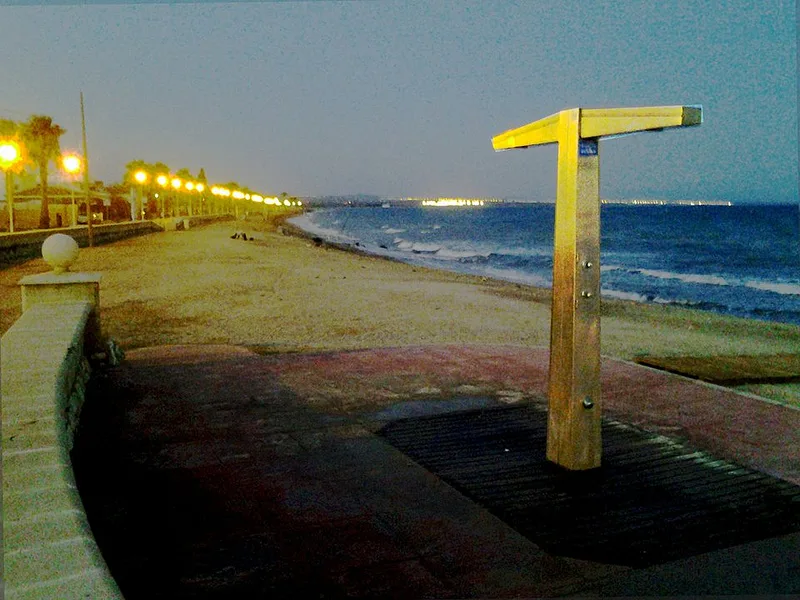
On the eastern edge of Almería stretches Playa de Nueva Almería with its wonderfully fine, golden sand. This extensive urban beach is bordered by a lively promenade that invites you to stroll under the southern Spanish sun. The open atmosphere attracts sun worshippers and water lovers alike to spend carefree days by the Mediterranean Sea. A handy place for families and active people who want to combine swimming pleasure with urban comfort.
Plaza de los derechos humanos in Almería is a cheerful, public playground dedicated entirely to the youngest visitors. Children can play carefree and release their energy in a safe, urban environment here. For parents, the square gives a relaxed atmosphere to take a deep breath while the little ones romp around happily. Ideally located to enrich a family trip to the Andalusian city with playful breaks.