Plizio Visual Lab

Úbeda
Plizio editorial teamData Sources
Landmark
—°14
Úbeda (Spain)

Weather…

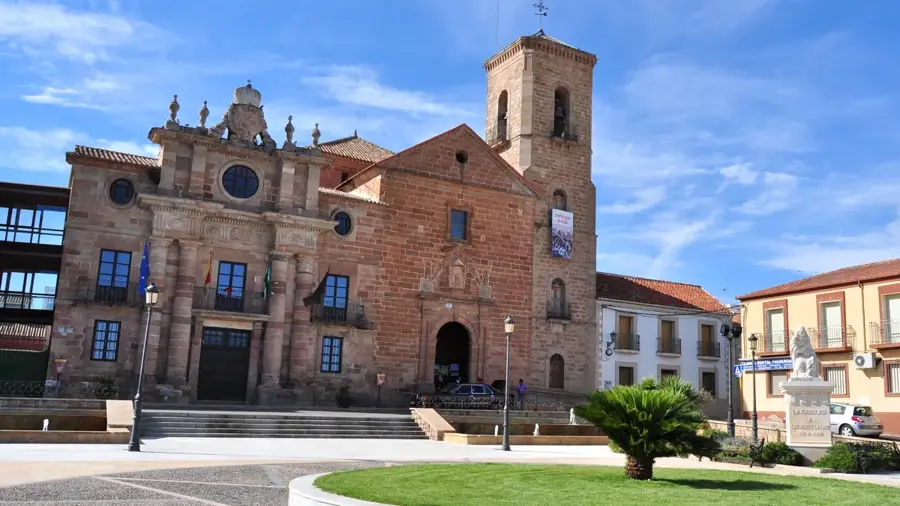
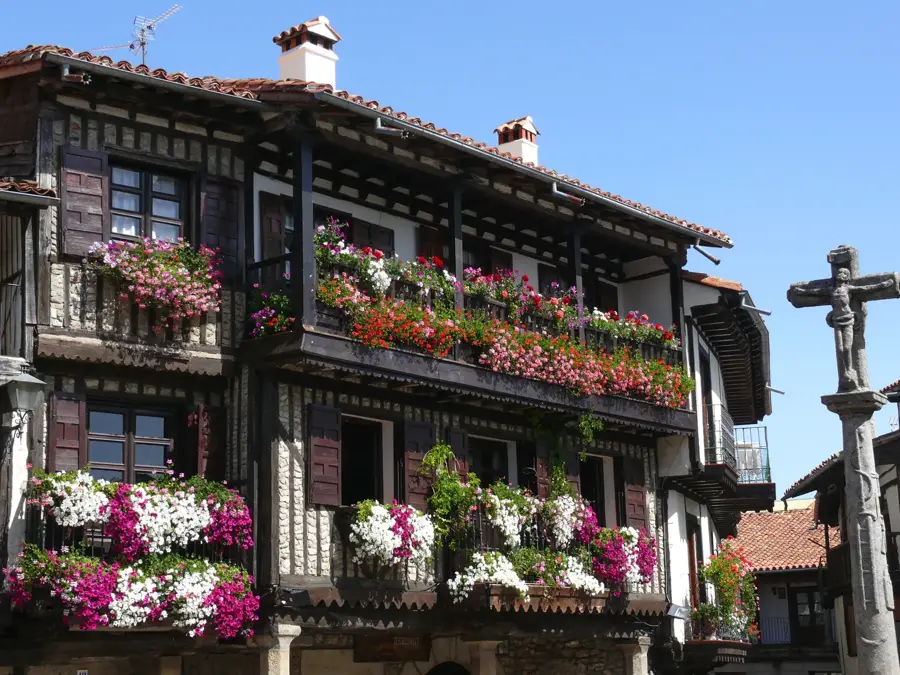
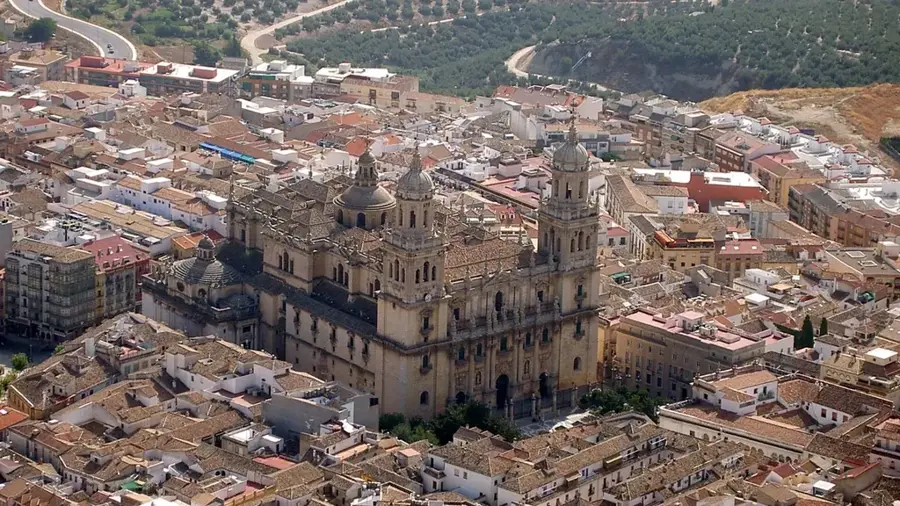
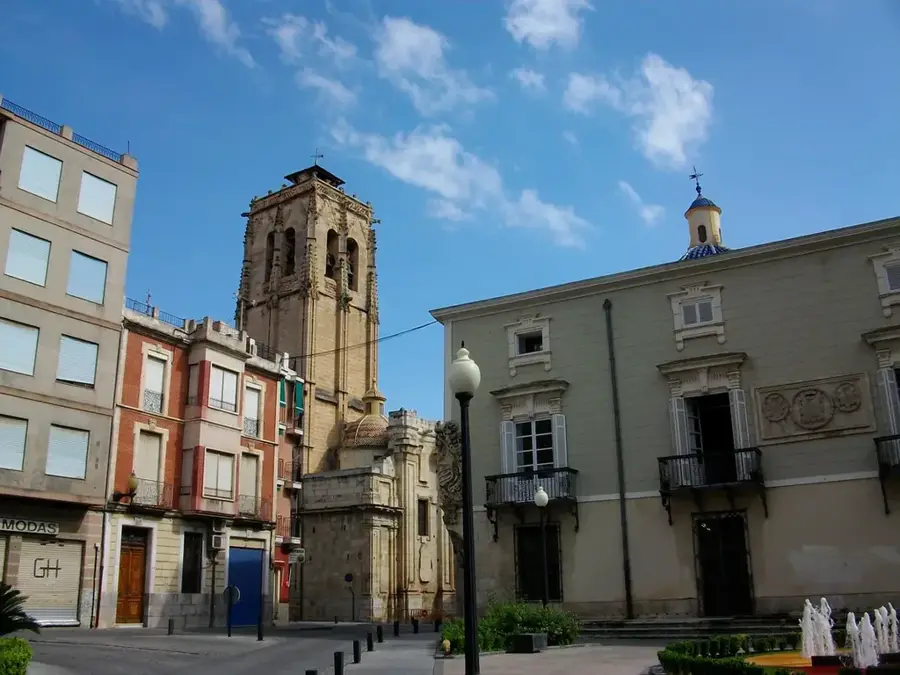
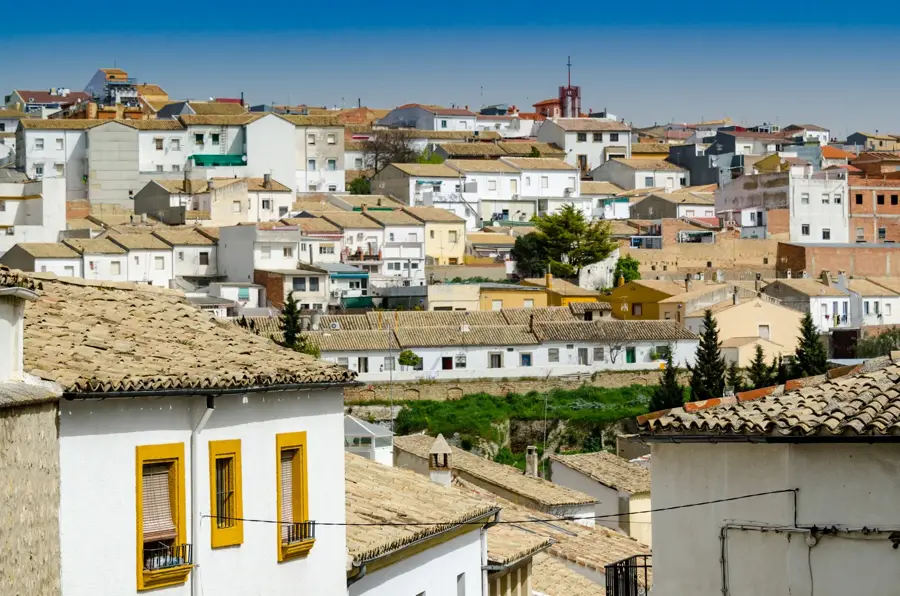
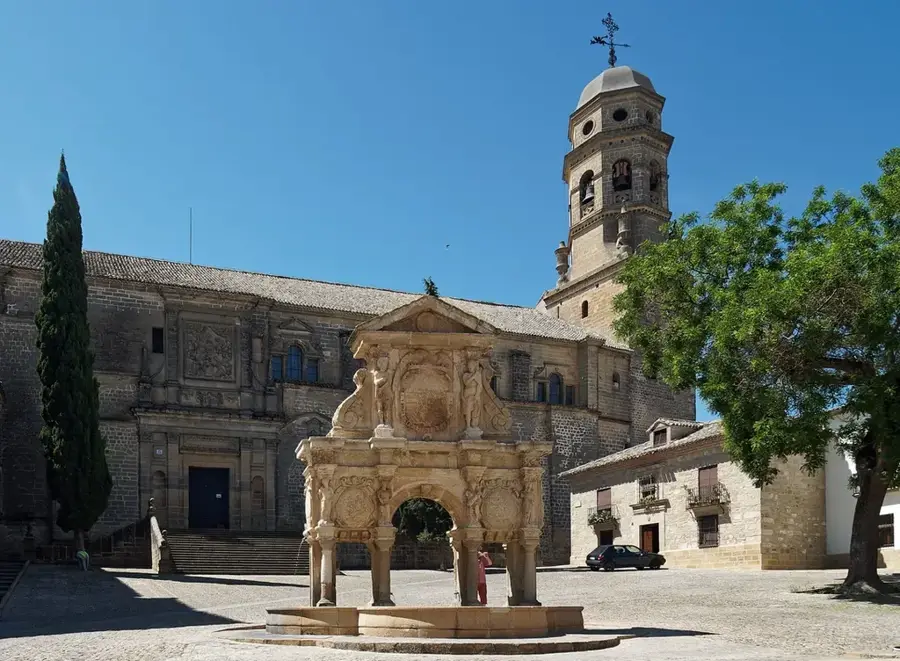
Úbeda, along with the neighboring town of Baeza, represents one of the most important ensembles of Renaissance architecture in Spain. The heart of the city is the Plaza Vázquez de Molina, a monumental square lined with magnificent palaces and churches, including the Sacra Capilla del Salvador, a masterpiece by Andrés de Vandelvira dating back to 1536. The city walls and the winding streets of the Jewish quarter speak of a rich medieval history, while the Sinagoga del Agua is a fascinating site recently rediscovered from that era. The economic significance of the region is highlighted by the surrounding olive groves, as Úbeda sits at the center of the world's largest olive oil producing area. Visitors can taste various qualities of the liquid gold in local oil mills. Besides agriculture, handicrafts, particularly the green-glazed pottery (alfarería), are a living part of the local identity. In Calle Valencia, traditional workshops can still be found where master potters pass down their techniques through generations. Culturally, Úbeda gives highlights throughout the year, such as the renowned International Festival of Music and Dance in May. The city's gastronomy features Andalusian specialties like oxtail stew or andrajos. Access is typically via Granada or Córdoba, and the city serves as a convenient base for excursions to the Sierras de Cazorla, Segura, and Las Villas Natural Park. The best times to visit are spring and autumn, when temperatures are mild enough for urban exploration.

Best time to visit & climate

The most pleasant time to visit is May, Jun, Sep.

JanFebMarAprMayJunJulAugSepOctNovDec
Avg °C781114192528282318118
Rain mm394459493272628515550

📋 Practical info

🚪
Visiting
The entire historic center of Úbeda is freely accessible on foot. Some Renaissance palaces and churches offer limited interior visits during daytime hours.
🕒
Typical hours
Most public spaces are open 24 hours. Specific monuments like the Sacra Capilla del Salvador typically follow standard Spanish opening hours (mornings and afternoons).
📷
Photography
Photography is allowed in all outdoor areas. Inside religious buildings, flash photography may be restricted.
⏱️
Time needed
At least half a day (3-4 hours) to appreciate the main plazas and architecture.
Combine with
Combine with the nearby UNESCO city of Baeza (10 km) or explore the olive oil routes of Jaén.
🧭
Getting there
By train from Madrid or Jaén to Úbeda station, then a short taxi ride. Alternatively, by car via the A-44 motorway.
💡
Insider tip
Visit Plaza Vázquez de Molina late afternoon for warm light on the stone facades, avoiding midday heat.

Geography

Population
34,602 (2025)
Coordinates
38.01167, -3.37167

Facts

  • UNESCO World Heritage site since 2003
  • Center of Spanish Renaissance architecture
  • Important location for artisanal pottery
  • Home to the Sacra Capilla del Salvador (1536)
  • World's largest olive oil producing region
  • Well-preserved medieval city walls
  • Site of the ancient Sinagoga del Agua
  • Annual international music festival in May

Explore nearby

Notable places around
Route planner — Car & Motorhome

Where do you start? We build the route here, with stops and country notes along the way.

Vehicle
Only stops with (optional):

© OpenStreetMap contributors · OpenRouteService

Sights in the town Úbeda (14)

Vaso de competicion🎡 recreation

The competition pool in Úbeda is an Olympic-sized swimming pool for sporting events.

Palacio de Vela de los Cobos🏰 castle

The Palacio de Vela de los Cobos is a prominent Renaissance palace and historic monument located in Úbeda.

Centro de Interpretación Olivar y Aceite🏛 museum

The interpretation center of olive groves and oil in Úbeda explains the traditional olive oil production of the region.

Alcázar🏺 historical

The Alcázar of Úbeda is a significant archaeological site showcasing the remains of the city's ancient fortress.

Convento de Santa Clara📍 landmark

16th-century convent of Poor Clares, with a beautiful cloister and a church facade.

Casa de las Torres📍 landmark

Renaissance palace with two monumental towers, on the Plaza de Vázquez de Molina in Úbeda.

Basílica menor de Santa María de los Reales Alcázares📍 landmark

Gothic-Mudéjar church with a remarkable altarpiece, part of the former royal fortress.

Iglesia de San Nicolás de Bari🏺 historical

Iglesia de San Nicolás de Bari is a Gothic-Mudejar church in Úbeda's historic center.

Puerta del Losal🛡️ fortress

Puerta del Losal is a fortified city gate in Úbeda's walls.

San Isidoro⛪ religious

San Isidoro is a Renaissance church in Úbeda's historic center.

Museo San Juan de la Cruz🏛 museum

The San Juan de la Cruz Museum in Úbeda is dedicated to the life and work of the Spanish mystic.

🕒 Mo off

Museo de Alfarería🏛 museum

The pottery museum in Úbeda showcases the city's traditional ceramics.

Teatro Don Bosco🎭 culture

The Teatro Don Bosco is a local theatre offering various performances in the city of Úbeda.

Auditorio SA.FA.🎭 culture

The SA.FA. Auditorium in Úbeda is a modern venue for concerts and cultural events.

Sights nearby

Frequently asked questions

Why is Úbeda a UNESCO World Heritage site?
Because of its exceptional 16th-century Renaissance architecture.
What is the most important square?
Plaza Vázquez de Molina, surrounded by palaces and the El Salvador Chapel.
Is the town famous for ceramics?
Yes, Úbeda has a long tradition of pottery, especially the green glaze is typical.
How far is Baeza?
Its sister city Baeza is only 15 minutes away by car.
Can you visit the Synagogue of Water?
Yes, it is a fascinating private museum; a guided tour is recommended.
Úbeda: where is it located?
Úbeda is located in Galicia, Spain.
Úbeda: what is there to see?
Highlights include Vaso de competicion, Palacio de Vela de los Cobos, Centro de Interpretación Olivar y Aceite.
Úbeda: when is the best time to visit?
The most pleasant time to visit is May, Jun, Sep.
Úbeda: why is it worth visiting?
Úbeda, along with the neighboring town of Baeza, represents one of the most important ensembles of Renaissance architecture in Spain.
View on map → The Top 50 Attractions → Most beautiful beaches → OpenStreetMap →
Europe
Explore with Plizio Discover more places in Europe
More places in Spain →

Nearby cities

History & landmarks