Plizio Visual Lab
Mérida
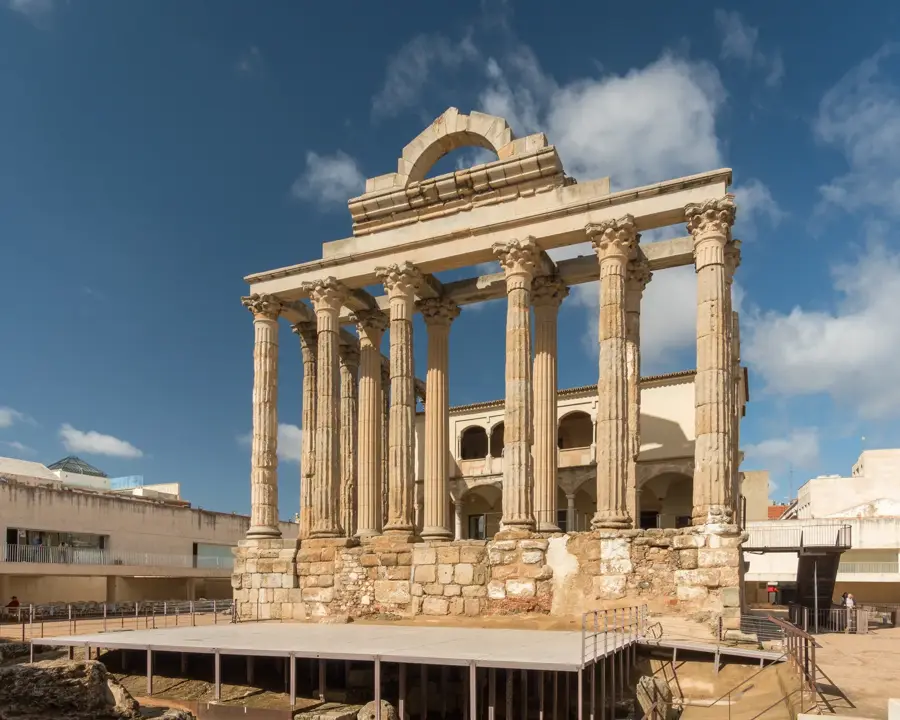
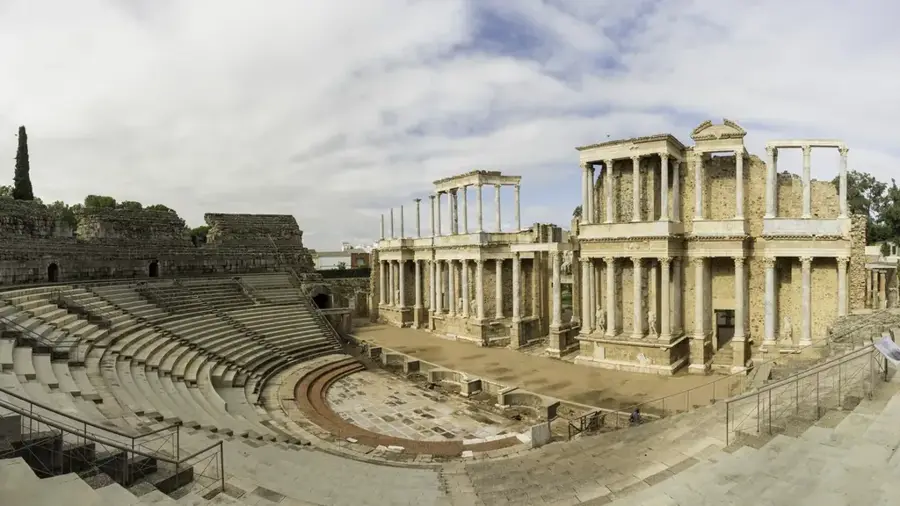
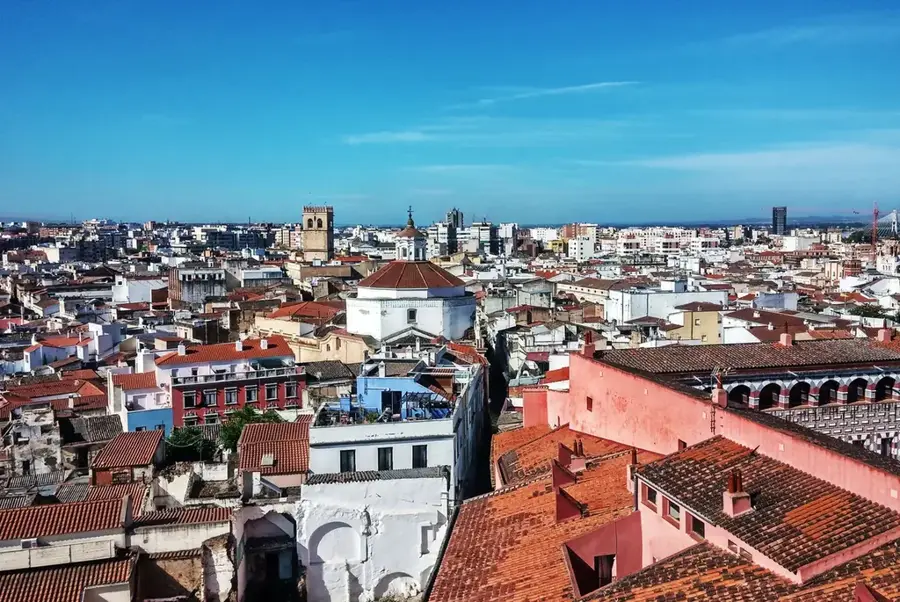
Mérida, founded in 25 BC as Emerita Augusta, is an unparalleled open-air museum of Roman civilization. As the capital of the province of Lusitania, the city boasted all the amenities of ancient Rome. The absolute highlight is the Roman Theatre, still used for performances today during the International Festival of Classical Theatre in July and August. Right next to it is the amphitheater, where up to 15,000 spectators once watched gladiator fights. The archaeological ensemble also includes the impressive Aqueduct of the Miracles (Acueducto de los Milagros), the Temple of Diana in the city center, and the Roman bridge over the Guadiana, which at nearly 800 meters is one of the longest surviving bridges from antiquity. The National Museum of Roman Art, designed by Rafael Moneo, provides a modern setting for the region's impressive collection of mosaics and sculptures. UNESCO declared the entire ensemble a World Heritage site in 1993. Beyond Roman history, Mérida also features remnants of the Moorish era, such as the Alcazaba, the oldest Muslim fortress on the Iberian Peninsula. The city is best explored on foot, as many sights are within close proximity. After sightseeing, riverside terraces invite you to relax. Gastronomically, try 'Cojondongo,' a cold soup from Extremadura, or the region's excellent cheeses. Summers can be extremely hot (often exceeding 40°C), so spring or late autumn are the best times to visit. The city is well-connected to the rail network and the A-5 motorway, making it a first-rate stopover on the route between Madrid and Lisbon.
- Location: Galicia, Spain
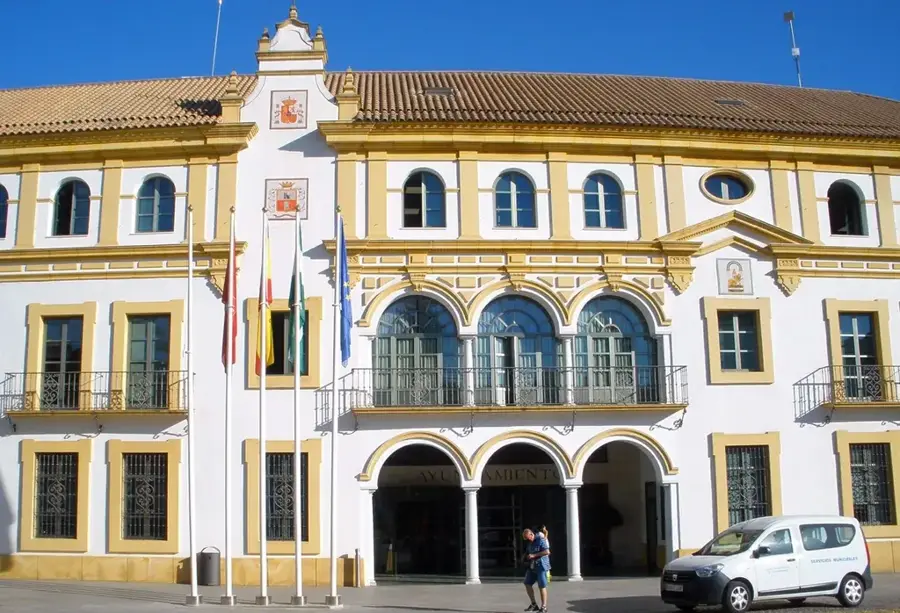
- Top sights: Ayuntamiento de Mérida · Acueducto de los Milagros · Los Milagros Aqueduct
- Nearby: Montijo (25 km)
- Population: ~59.857 (2025)
Best time to visit & climate
The most pleasant time to visit is May, Jun, Sep.
| Jan | Feb | Mar | Apr | May | Jun | Jul | Aug | Sep | Oct | Nov | Dec | |
|---|---|---|---|---|---|---|---|---|---|---|---|---|
| Avg °C | 7 | 8 | 11 | 14 | 18 | 24 | 28 | 28 | 23 | 17 | 11 | 7 |
| Rain mm | 46 | 48 | 59 | 50 | 34 | 11 | 3 | 5 | 24 | 77 | 65 | 52 |
📋 Practical info
Geography
Facts
- UNESCO World Heritage since 1993
- Working ancient Roman theatre
- Longest Roman bridge
- Temple of Diana in center
- Aqueduct of Miracles
- Moorish Alcazaba fortress
- Museum designed by Rafael Moneo
- Capital of Extremadura
Explore nearby
Notable places around
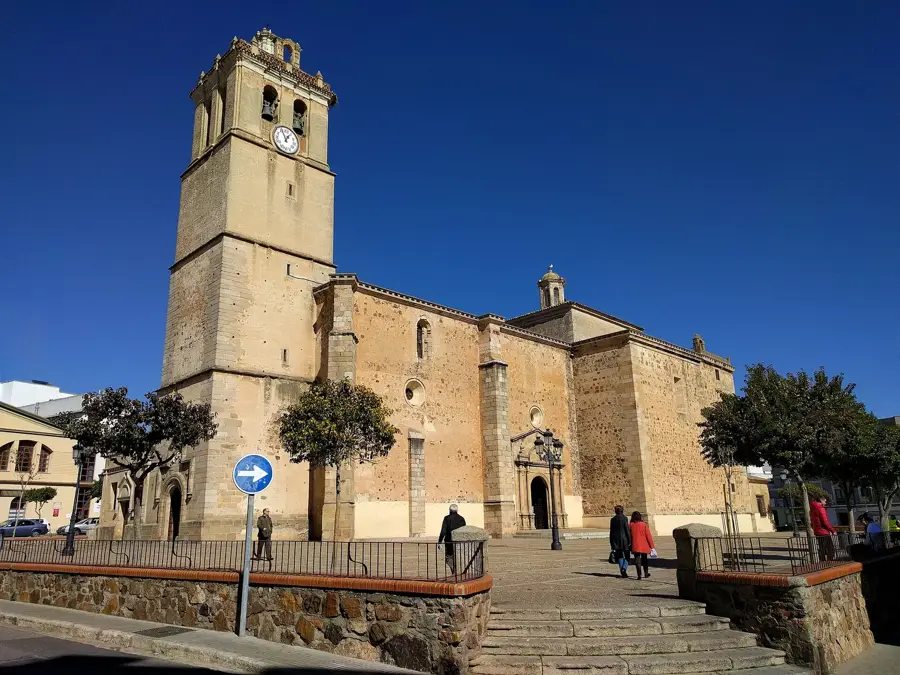
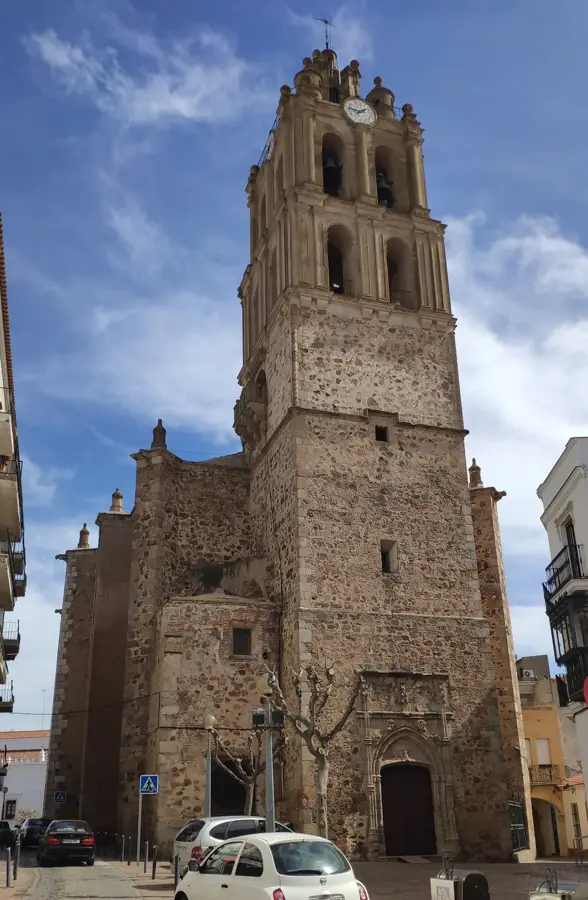
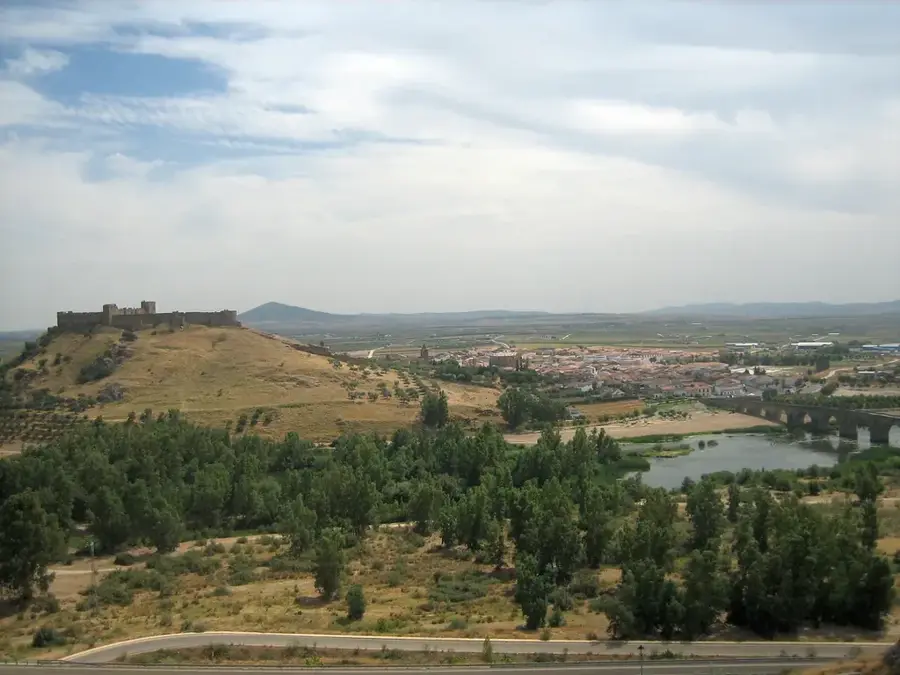
Route planner — Car & Motorhome
Where do you start? We build the route here, with stops and country notes along the way.
© OpenStreetMap contributors · OpenRouteService
Sights in the town Mérida (11)
Acueducto de los Milagros🏺 historical
The Acueducto de los Milagros is a well-preserved Roman aqueduct and renowned archaeological site in Mérida.
Los Milagros Aqueduct🏺 historical
Los Milagros Aqueduct is a magnificent ancient Roman waterworks ruin preserved as an archaeological site in Mérida.
Puente Romano de la Puerta📍 landmark
An ancient Roman bridge crossing the Albarregas river in Mérida.
Museo Abierto de Mérida🏛 museum
Open-air museum showcasing Roman archaeological remains in Mérida.
Sala Trajano🎭 culture
Cultural venue named after Emperor Trajan in the Roman circus area of Mérida.
Sights nearby
Frequently asked questions
What is the most famous Roman ruin in Mérida?
Is one day enough to visit Mérida?
What is the National Museum of Roman Art?
Is the Roman bridge still in use?
Are there combined tickets for the attractions?
Mérida: where is it located?
Mérida: what is there to see?
Mérida: when is the best time to visit?
Mérida: why is it worth visiting?

Nearby cities
History & landmarks