Plizio Visual Lab

Serranía de Ronda

Plizio editorial teamData Sources
Mountain
—°
Serranía de Ronda (Spain)

Weather…

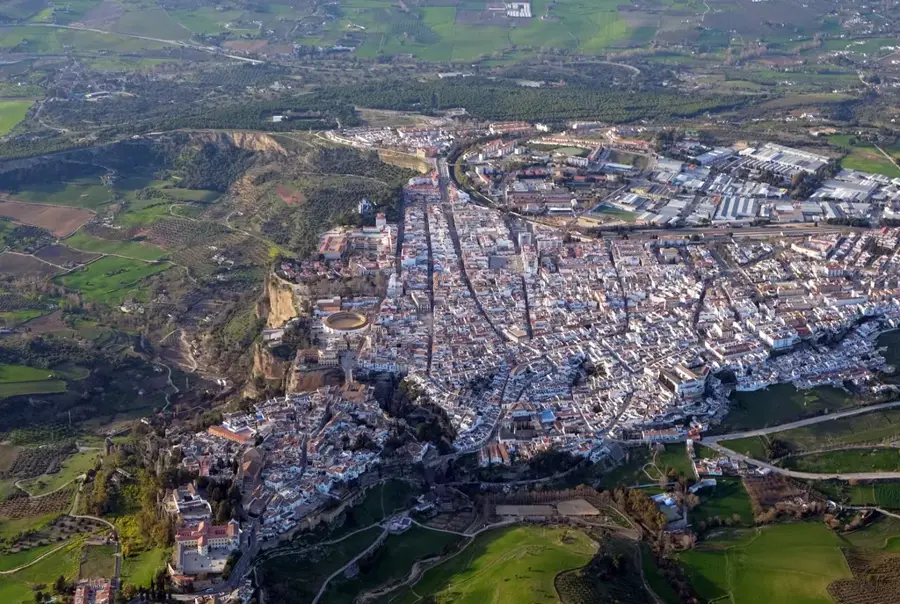
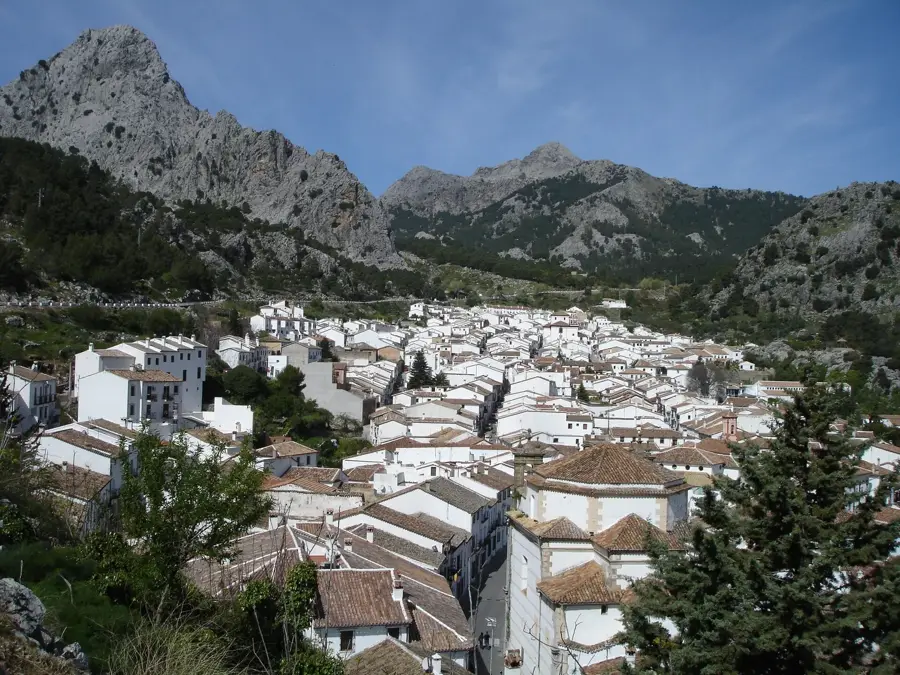
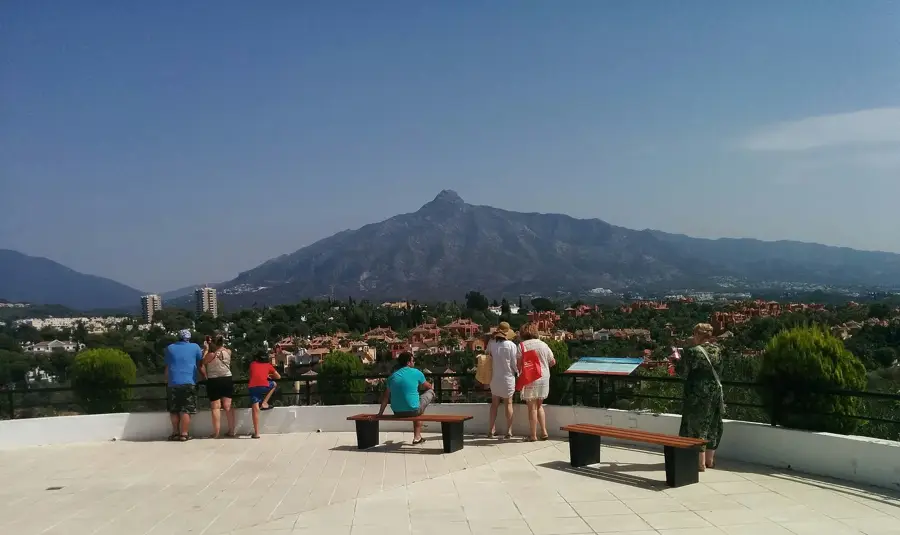
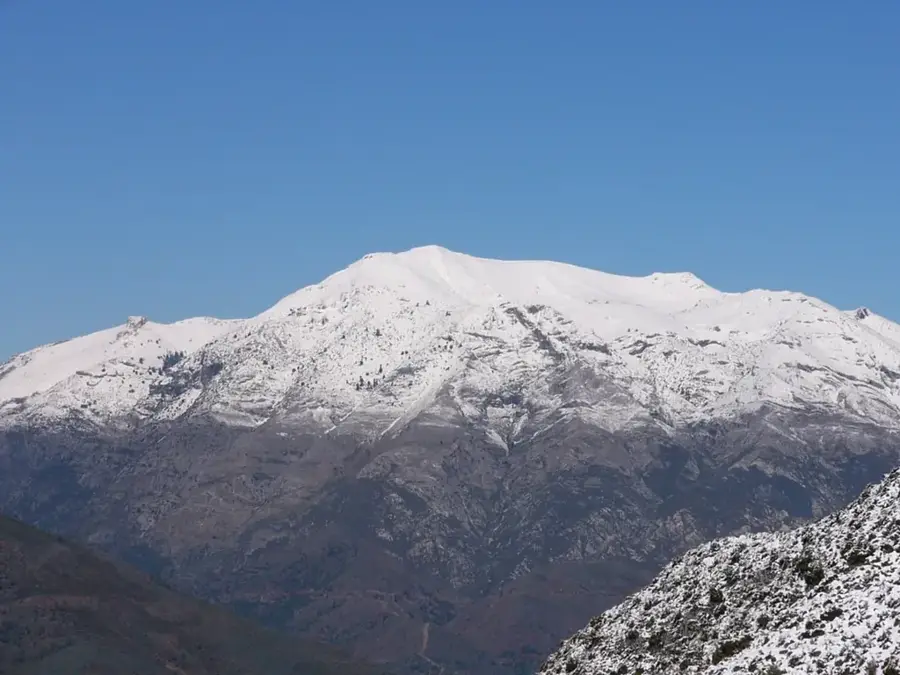
The Serranía de Ronda is a wild, highly rugged, and scenically wide-open mountain region located in the western part of the Andalusian Baetic Cordillera. It rises steeply in the immediate hinterland of the famous Costa del Sol and is geologically dominated primarily by massive limestone formations. The constant erosion has created an extremely spectacular karst relief here, which captivates visitors with extraordinarily deep gorges, enormous cave systems, and sheer rock walls. The most famous natural wonder of the entire region is undoubtedly the panoramic Tajo de Ronda gorge, which literally slices the historic city of the same name perfectly in half. The highest peak of the mountains is the prominent Torrecilla, which reaches a proud altitude of 1919 meters within the Sierra de las Nieves Natural Park. Botanically, the Serranía de Ronda is also unique, as it provides one of the last remaining refuges for the rare Pinsapo (Spanish fir).

Best time to visit & climate

The most pleasant time to visit is Jun, Jul, Sep.

JanFebMarAprMayJunJulAugSepOctNovDec
Avg °C111213151822252522191412
Rain mm616275552731328699081

📋 Practical info

🧭
Getting there
To reach the Serranía de Ronda area, visitors typically start their journey from nearby regional towns, using local roads that wind through the natural terrain. Many travelers appreciate the well-maintained approach routes that connect the tranquil local villages directly to the primary trailheads.
📅
Best season
For the optimal outdoor experience, travelers generally prefer the transitional seasons when the local climate in Andalusia remains relatively temperate. During these periods, the natural lighting also creates excellent photographic opportunities across the expansive valleys and elevated ridges.
⛰️
Terrain & paths
Expect a mix of rugged paths and uneven ground, heavily influenced by the steep precipices, requiring a good level of physical fitness. Sturdy footwear with excellent grip is considered absolutely essential to safely negotiate the frequent loose rocks and uneven ascents.
🎒
What to bring
It is highly recommended to bring sturdy hiking boots, sufficient hydration, and layered clothing to adapt to the changing mountain weather. Additionally, carrying a fully charged mobile phone and a basic first aid kit is strongly advised by local mountain rescue organizations.
🅿️
Parking
Official parking zones are usually located at the lower elevations, from where most recognized walking routes into the massif naturally begin. Arriving early in the morning is highly recommended during peak periods to secure a convenient space close to the main information boards.
⚠️
Safety
General precautions involve informing others of your planned route and being constantly aware of the steep drops and unstable rocks typical here. It is always wise to thoroughly check the local meteorological forecast before setting out, as highland conditions can deteriorate rapidly.
⏱️
Time needed
A typical thorough exploration of the main trails can easily occupy an entire day, while shorter viewpoints might require only a few hours. For those planning to conquer the more remote sections, allocating an early start and plenty of extra time for rest stops is highly advisable.

Geography

Coordinates
36.70000, -5.10000

Explore nearby

Notable places around
Route planner — Car & Motorhome

Where do you start? We build the route here, with stops and country notes along the way.

Vehicle
Only stops with (optional):

© OpenStreetMap contributors · OpenRouteService

Sights nearby

Frequently asked questions

What is the main attraction in Ronda?
The 'Puente Nuevo', a bridge over a 120-meter deep gorge.
What is the 'Pinsapo'?
A rare fir species that grows only here and in nearby mountain ranges.
Are there 'white villages' there?
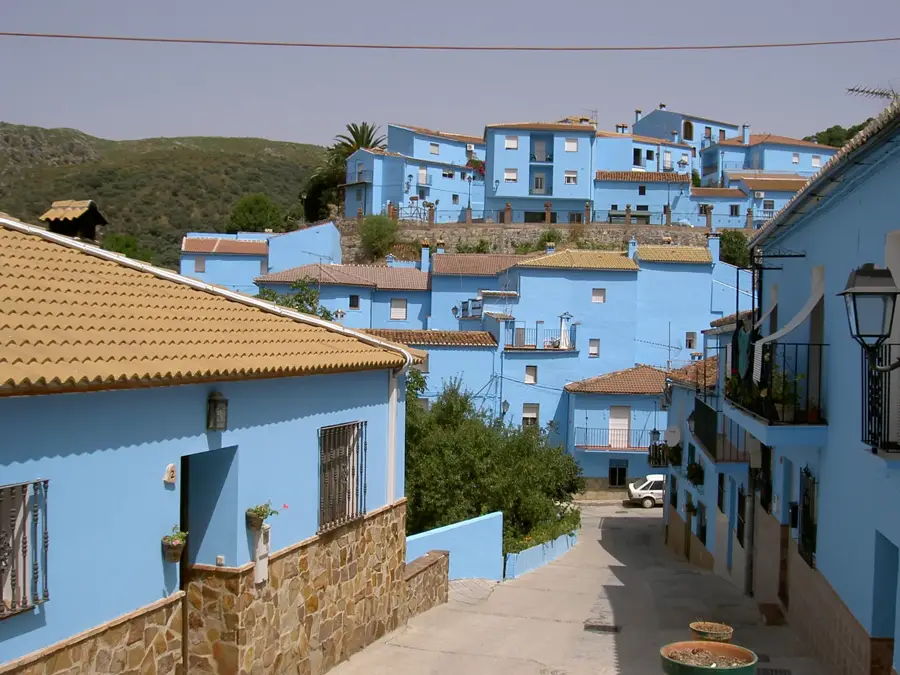
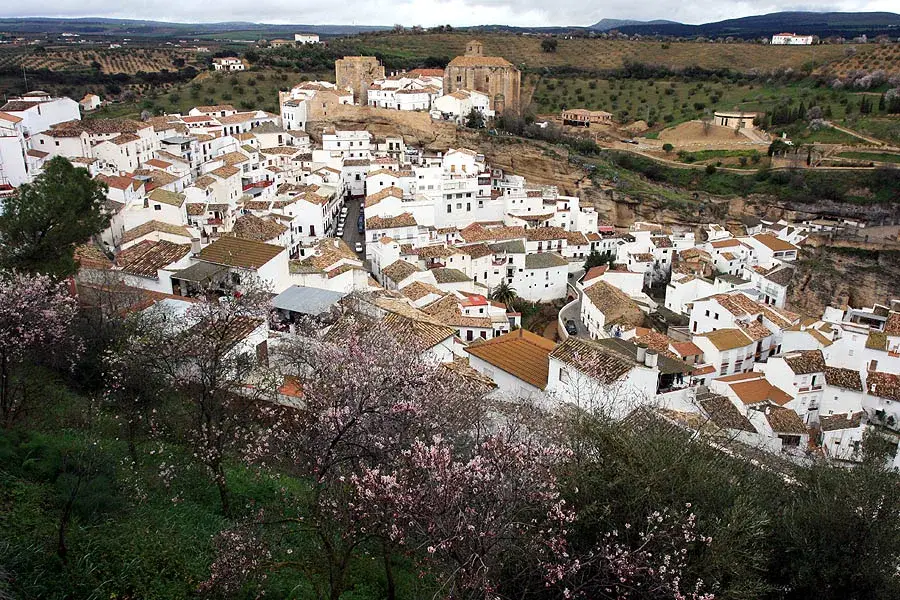
Yes, the region is the heart of the famous Pueblos Blancos.
Is it a very dry area?
Surprisingly, the nearby Sierra de Grazalema has Spain's highest rainfall.
What activities are offered?
Hiking, canyoning, and visits to historical bullrings.
Serranía de Ronda: where is it located?
Serranía de Ronda is located in Galicia, Spain.
Serranía de Ronda: when is the best time to visit?
The most pleasant time to visit is Jun, Jul, Sep.
Serranía de Ronda: why is it worth visiting?

The Serranía de Ronda is a wild, highly rugged, and scenically wide-open mountain region located in the western part of the Andalusian Baetic Cordillera.
View on map → The Top 50 Attractions → Most beautiful beaches → OpenStreetMap →
Europe
Explore with Plizio Discover more places in Europe
More places in Spain →

Nearby cities

History & landmarks