Plizio Visual Lab

Pre-Pyrenees
Plizio editorial teamData Sources
Mountain
—°5
Pre-Pyrenees (Spain)

Weather…

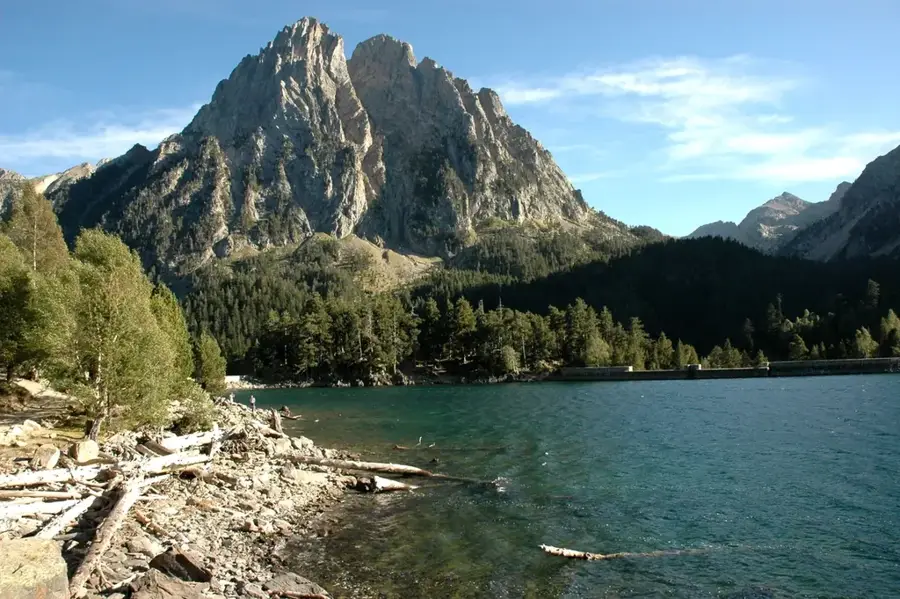
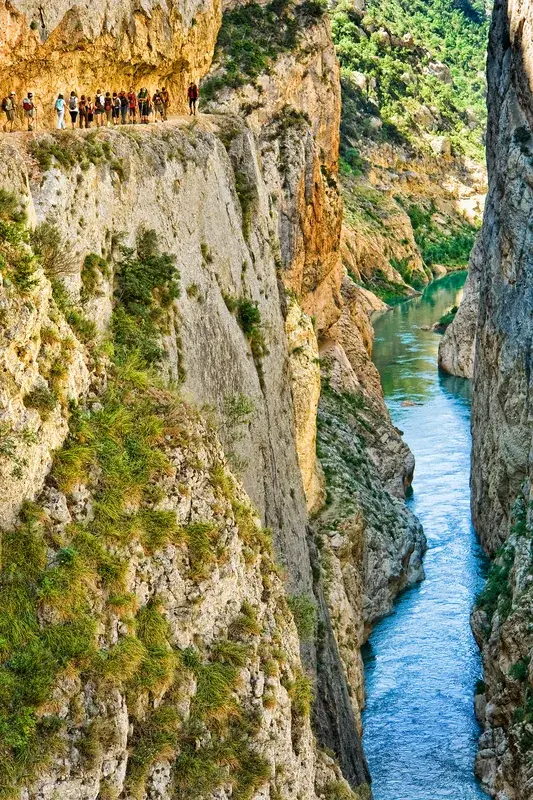
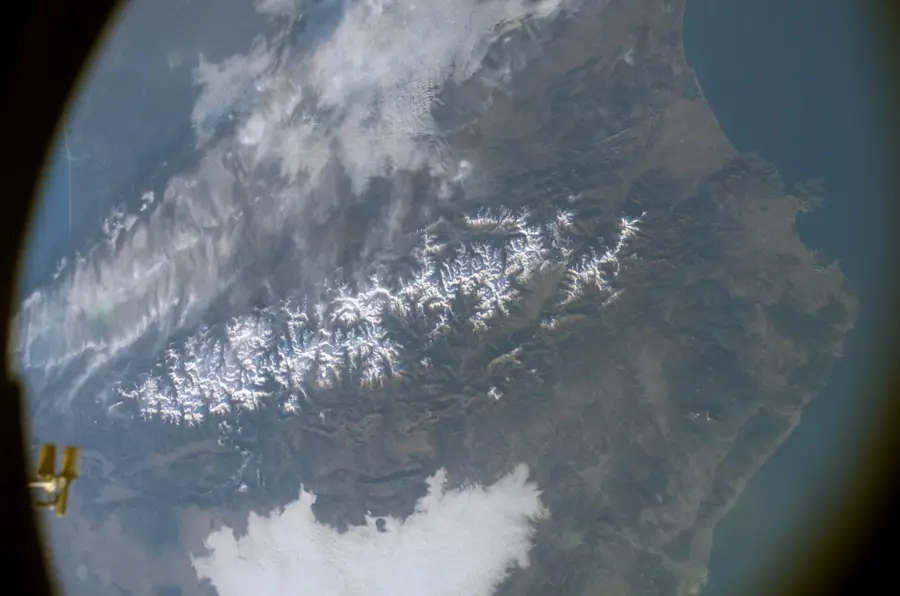
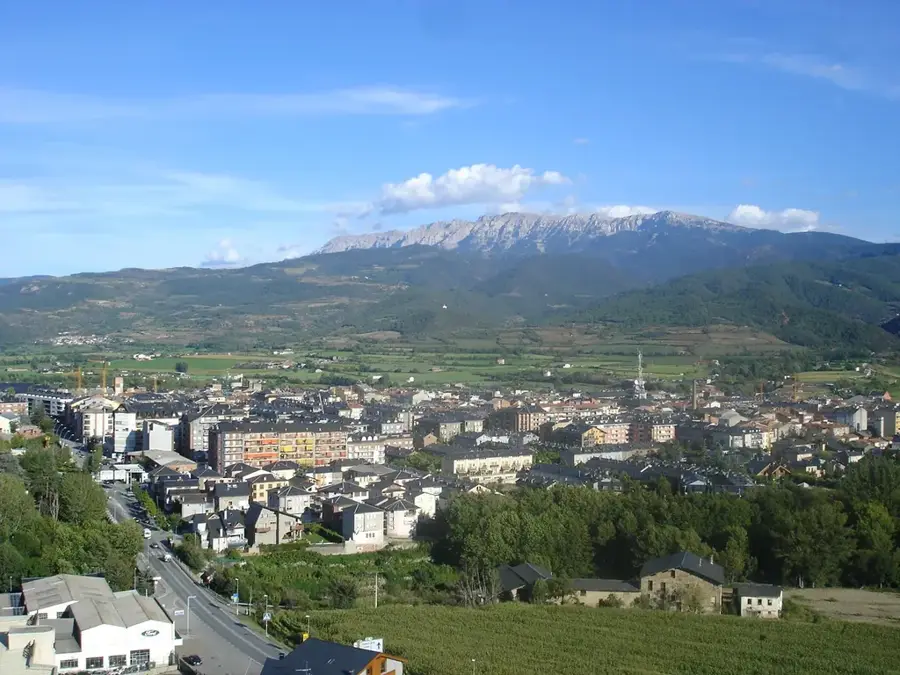
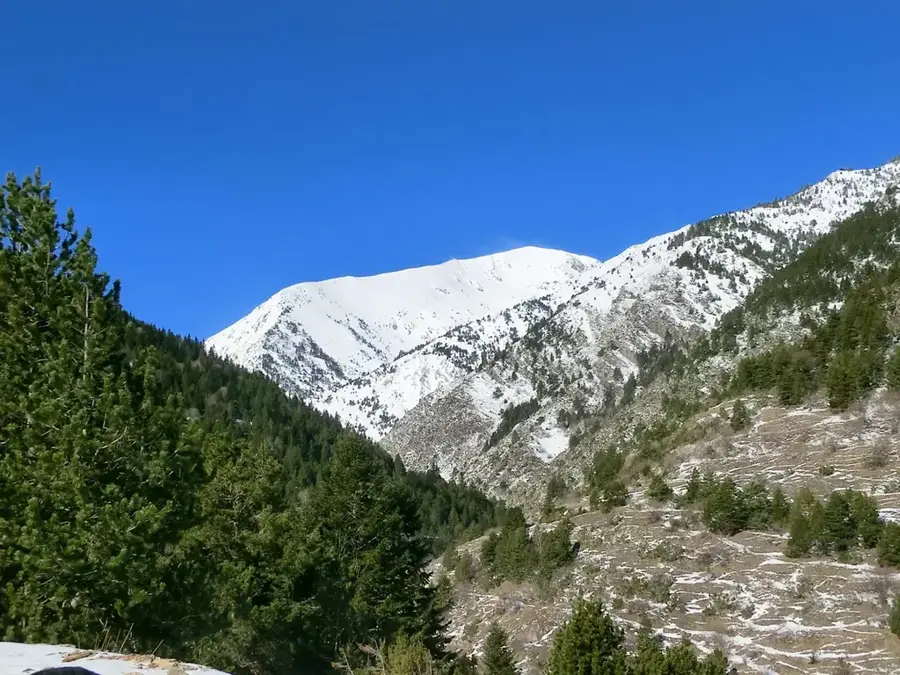
The Pre-Pyrenees, known in Spanish as Prepirineos, form the extensive southern marginal zone and the mountainous transition of the Pyrenees proper down into the broad valley of the Ebro River. This complex foreland consists of a series of elongated mountain chains running largely parallel to the main Pyrenean range, generally exhibiting significantly lower elevations than the ice-covered Central Pyrenees. Geologically, the Pre-Pyrenees are predominantly composed of heavily folded Mesozoic and Tertiary sedimentary rocks, particularly limestone. The flowing water has carved deeply into the rock here, leaving behind spectacular canyons such as the Congost de Mont-rebei and the Cañón de Añisclo, which today are highly popular destinations for nature lovers and hikers. The highest and most impressive mountain range within this system is the Serra del Cadí, whose rugged, rocky northern face is visible from afar. The climate here is noticeably more Mediterranean and much drier than in the high altitudes.

📋 Practical info

🧭
Getting there
The southern fringe of the Pyrenees is generally well accessible via the Ebro Valley and its country roads, which lead directly directly to the gentler foothills.
📅
Best season
Spring and autumn are most often the most pleasant seasons for a visit, as the summer months in this transition zone can become extremely hot and completely dry.
⛰️
Terrain & paths
The terrain is characterized by lower, often forested ridges and striking rock formations, which feature significantly more moderate inclines than the high mountains.
🎒
What to bring
For exploring the trails, comfortable hiking shoes, strong sun protection for the hot midday hours, and sufficient hydration for longer distances are mostly sufficient.
🅿️
Parking
Free parking spaces can generally be found quite easily in the Pre-Pyrenean villages, from which many highly scenic hiking trails start almost directly.
⚠️
Safety
Although the altitudes are somewhat lower, water sources in remote areas can completely dry up in summer, which is exactly why good planning is very crucial.
⏱️
Time needed
The highly diverse region invites visits that can comfortably range from short, two to three-hour explorations to completely relaxed, full-day wanderings.

Geography

Coordinates
42.30000, 1.00000

Explore nearby

Notable places around
Route planner — Car & Motorhome

Where do you start? We build the route here, with stops and country notes along the way.

Vehicle
Only stops with (optional):

© OpenStreetMap contributors · OpenRouteService

Sights in the town Pre-Pyrenees (5)

Cabana del Moro🏺 historical

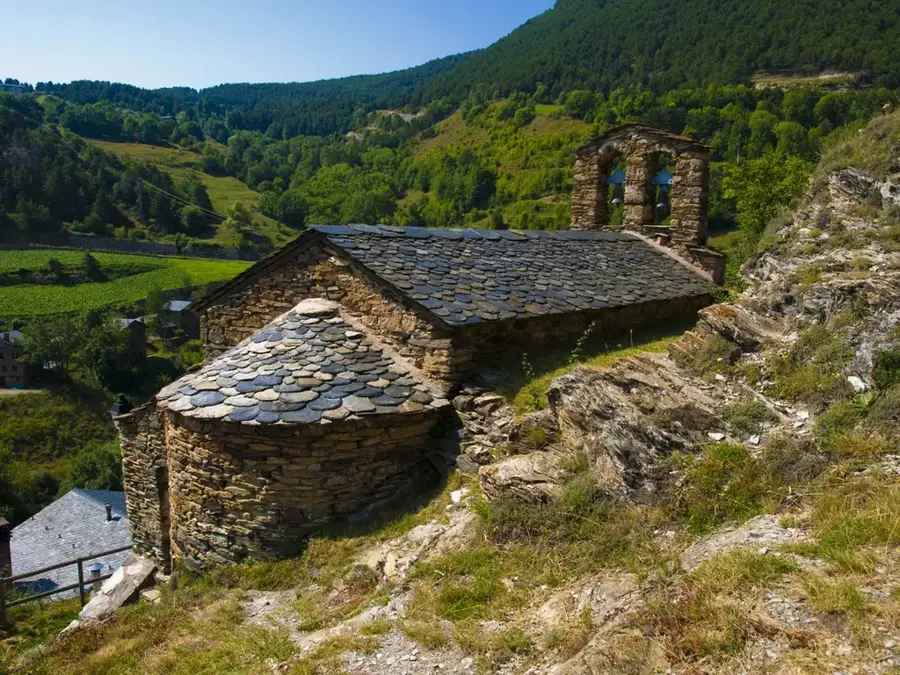
A prehistoric megalithic dolmen in the Catalan Pre-Pyrenees.

Sepulcre megalític de la Cabana de Perauba🏺 historical

An archaeological burial site from the megalithic culture in the Pre-Pyrenees.

lo Tossalet📍 landmark

A mountain peak in the Pre-Pyrenees with views of the surrounding landscape.

el Tossal📍 landmark

El Tossal is a hill in the Pre-Pyrenees.

Muntanyeta de Comosí📍 landmark

An elevation in the Pre-Pyrenees characteristic of the local relief.

Sights nearby

Frequently asked questions

When is the best time for hiking in the Pre-Pyrenees?
Spring and autumn are well-suited as temperatures are mild. In summer, it can get very hot in the lower elevations.
Are there opportunities for canyoning in the area?
Yes, especially in the Sierra de Guara, there are world-famous canyons for canyoning tours.
Are the trails suitable for families with children?
There are many easy valley trails, but alpine paths require sure-footedness and experience.
Which animals can be observed there?
Griffon vultures, bearded vultures, and chamois are frequently seen in the higher Pre-Pyrenees.
Is a permit required for national parks?
Access is mostly free, but reservations are needed for some protected zones or overnight stays in huts.
Pre-Pyrenees: where is it located?
Pre-Pyrenees is located in Galicia, Spain.
Pre-Pyrenees: what is there to see?
Highlights include Cabana del Moro, Sepulcre megalític de la Cabana de Perauba, lo Tossalet.
Pre-Pyrenees: why is it worth visiting?

The Pre-Pyrenees, known in Spanish as Prepirineos, form the extensive southern marginal zone and the mountainous transition of the Pyrenees proper down into the broad valley of the Ebro River.
View on map → The Top 50 Attractions → Most beautiful beaches → OpenStreetMap →
Europe
Explore with Plizio Discover more places in Europe
More places in Spain →

Nearby cities