Fires de Sant Narcís
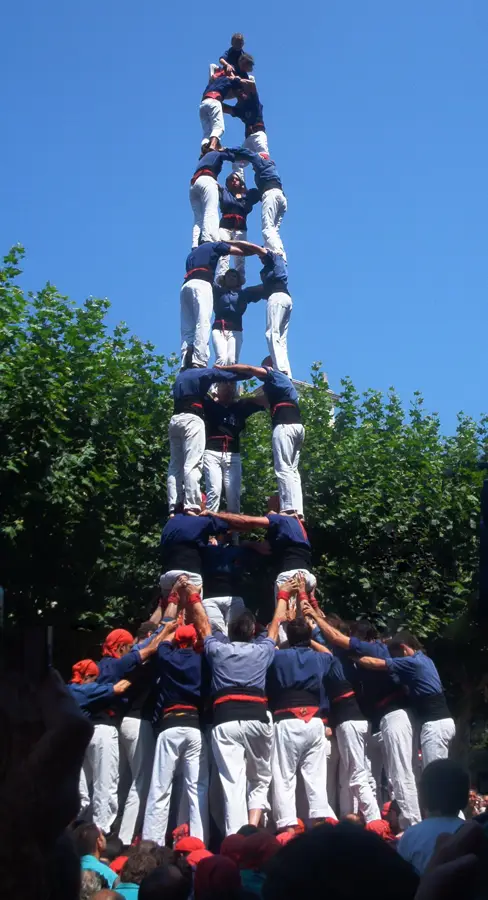
The city's main festival around 29 October honoring patron saint Sant Narcís. Features concerts, fireworks, a funfair, giants and traditional Catalan activities.
PlizioGo
A deep-fried, sugar-coated pastry filled with crema catalana. Find it in traditional bakeries in the old town.
A sweet sausage often cooked with apple. Try it at traditional Catalan restaurants near Plaça de la Independència.
A traditional Catalan fish stew. Best enjoyed in seafood restaurants near the riverside.
The main indoor municipal market for fresh local produce, meats, and cheeses.
A local herbal liqueur. Pick up a bottle in specialized liquor stores or gourmet shops in the center.
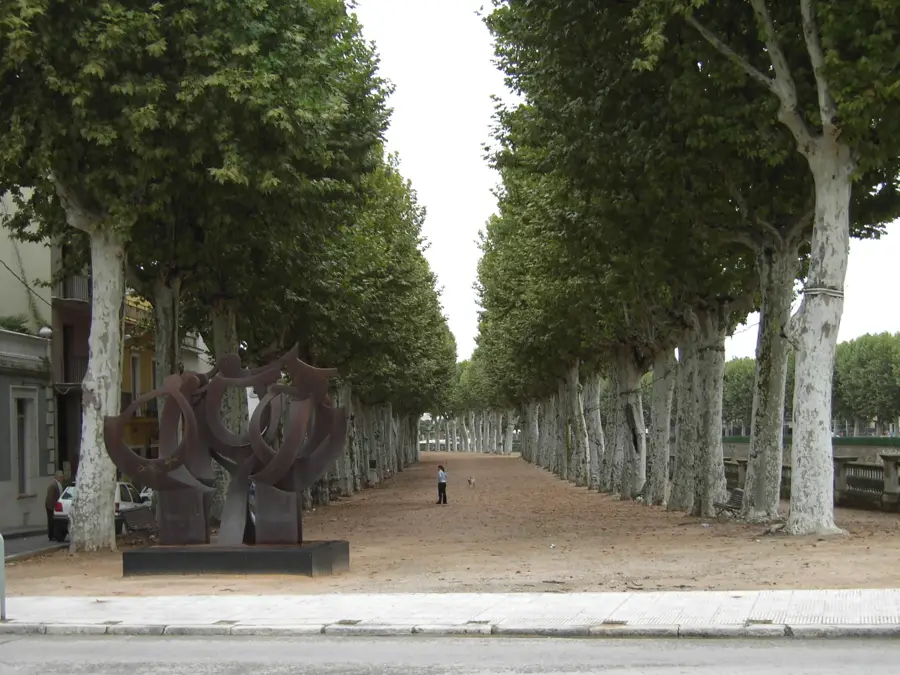
A huge park with massive plane trees, great for a shaded and peaceful walk.
A green valley starting just outside the city walls, great for a relaxing nature stroll.
Water temperature…
The city's main festival around 29 October honoring patron saint Sant Narcís. Features concerts, fireworks, a funfair, giants and traditional Catalan activities.
A famous flower festival held every May, when the courtyards, monuments and streets of the old town are decorated with artistic floral installations. Draws hundreds of thousands of visitors.
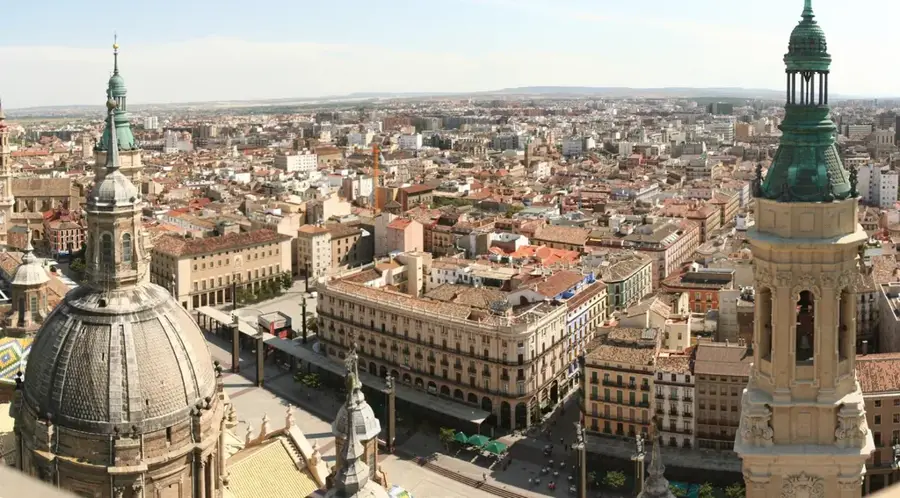
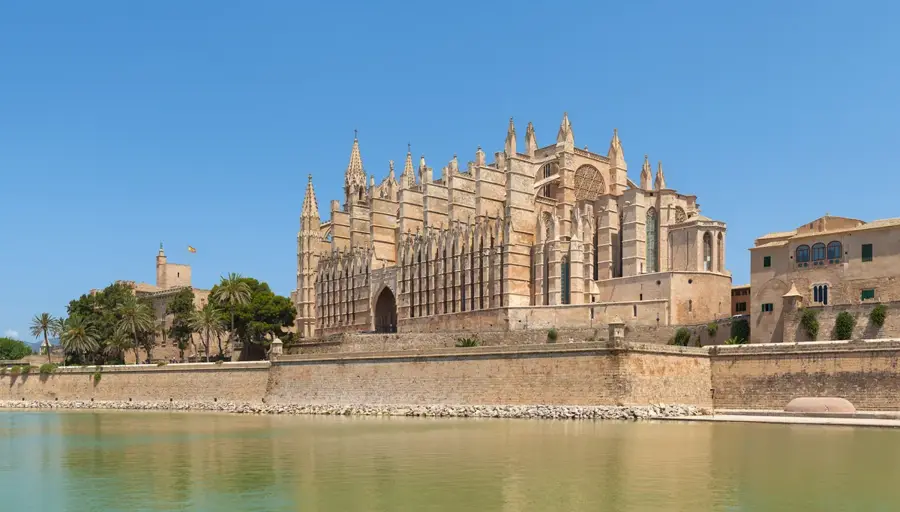
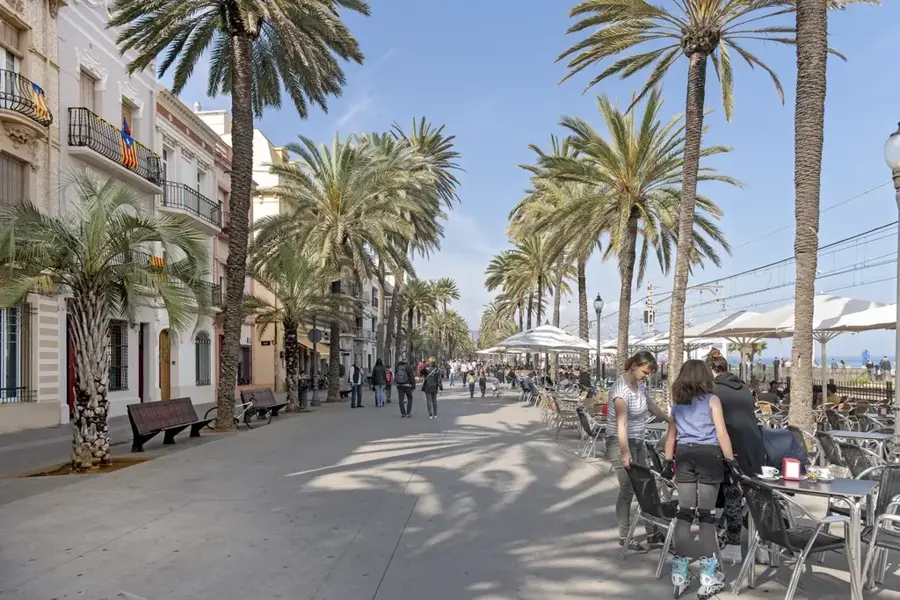
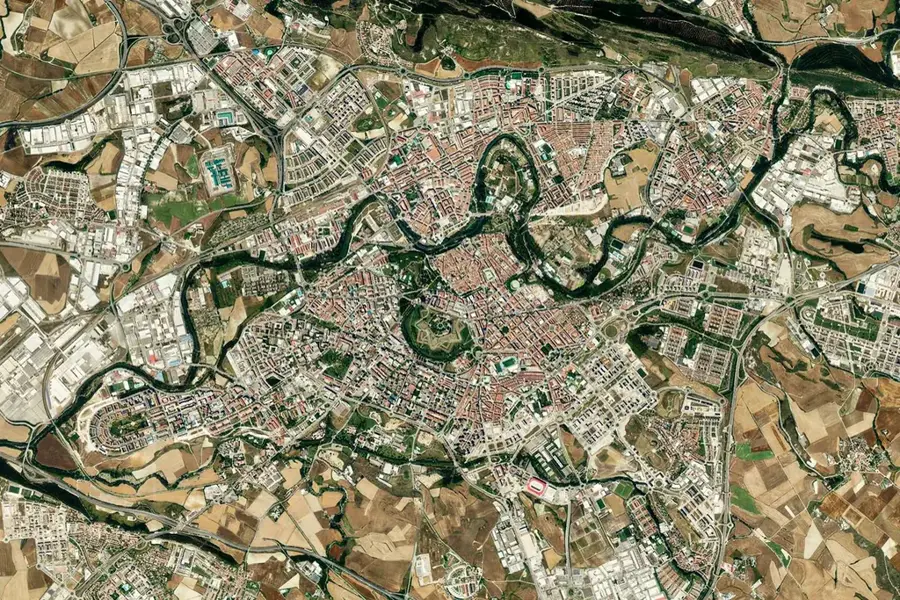
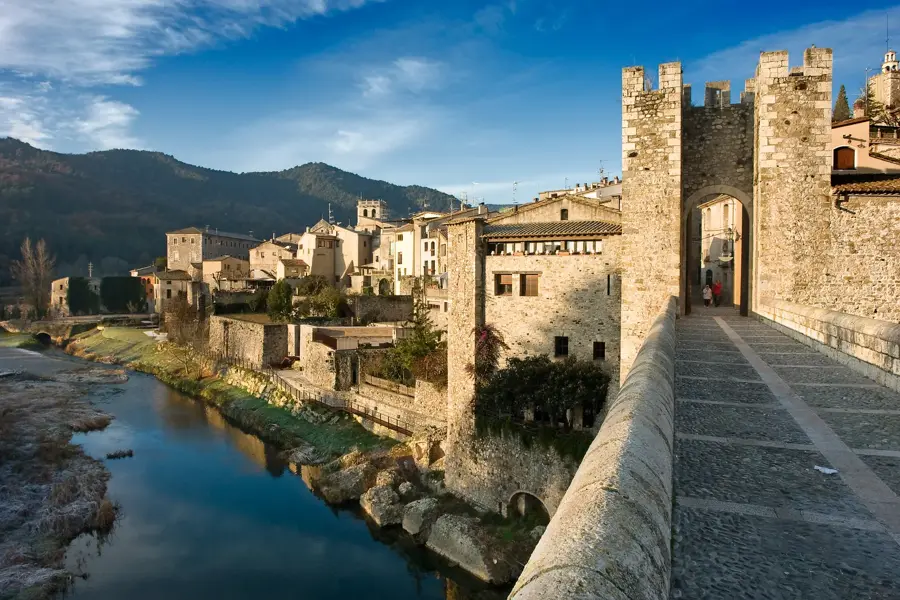
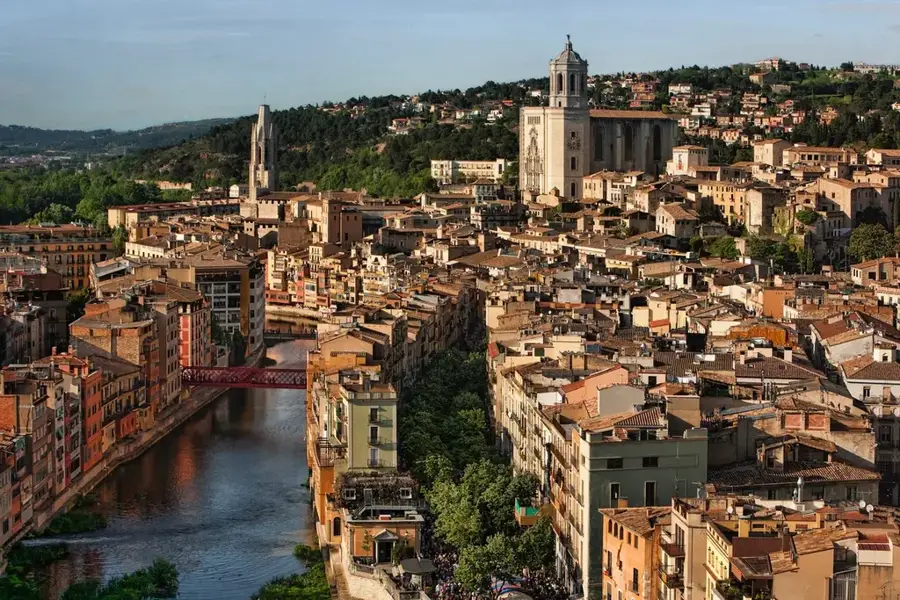
Girona, strategically located between the Pyrenees and the Costa Brava, is one of the most fascinating and best-preserved historical cities in Catalonia. The city is majestically intersected by the Onyar River, whose banks are lined with brightly painted, overhanging houses that provide one of the most iconic photographic motifs in Spain. The centerpiece of Girona is the historic Barri Vell district with the 'Call', one of the best-preserved Jewish quarters in Europe, whose labyrinthine, cobblestone streets transport visitors back to long-gone centuries. Towering above the district is the mighty Girona Cathedral, which has the widest Gothic nave in the world and is approached via a monumental Baroque staircase.
The most pleasant time to visit is Jun, Jul, Sep.
| Jan | Feb | Mar | Apr | May | Jun | Jul | Aug | Sep | Oct | Nov | Dec | |
|---|---|---|---|---|---|---|---|---|---|---|---|---|
| Avg °C | 9 | 9 | 12 | 14 | 17 | 22 | 24 | 24 | 21 | 18 | 13 | 10 |
| Rain mm | 52 | 44 | 60 | 71 | 63 | 35 | 34 | 37 | 58 | 91 | 65 | 42 |
See what it looks like near Girona right now.
Bescano › West · 7.2 km · Open webcam on Windy · Webcams provided by Windy.com
Notable places around
Where do you start? We build the route here, with stops and country notes along the way.
© OpenStreetMap contributors · OpenRouteService
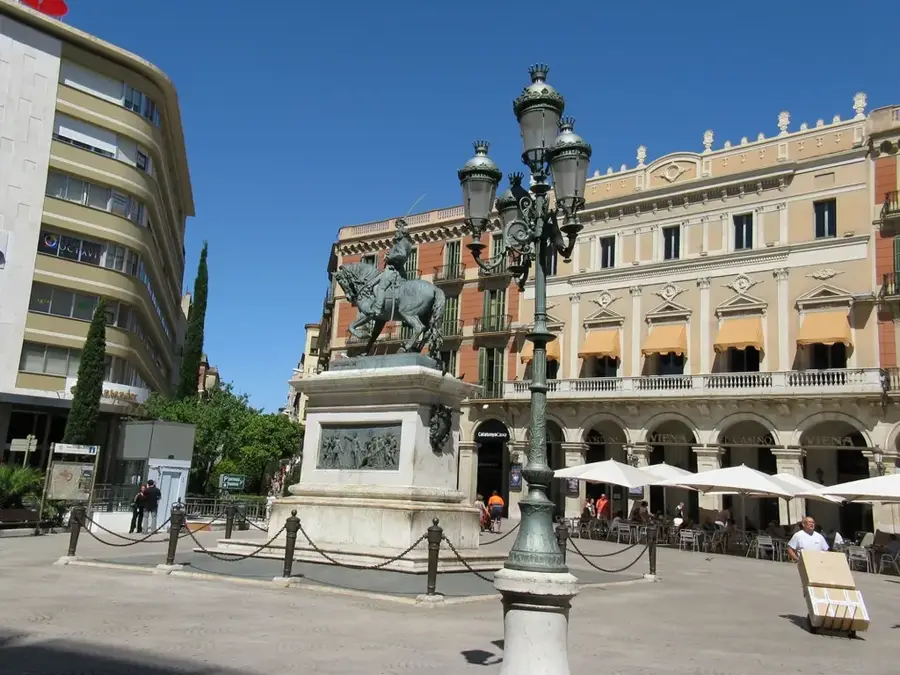
A walk through Girona is a journey through time. In the morning, explore the vibrant Plaça de la Independència and cross the famous Eiffel Bridge to admire the colorful houses on the Onyar. At midday, delve into the labyrinth of the Jewish Quarter before ascending to the impressive Cathedral. The afternoon is dedicated to history, with a visit to the Arab Baths and the ancient Sant Pere monastery. The day culminates with a stroll along the medieval city walls as the sun sets, bathing the city in a golden light.
Morning starts under the protective arcades of Plaça de la Independència, perfect for watching the rain with a coffee. By midday, the narrow alleys of the Jewish Quarter provide some shelter, though the stones get slippery. The afternoon is best spent inside the dry Cathedral. Finish the day in a cozy Old Town cafe, as the city walls are quite exposed during heavy downpours.
A crisp winter morning at Independence Square often starts with brilliant blue skies. By midday, the sun warms the stones of the Jewish Quarter, but the shade remains chilly. The afternoon provides the clearest views from the city walls before the 5:30 PM sunset. Spend the evening enjoying a thick hot chocolate near the Onyar river houses.
Exploring Girona by bike offers a unique perspective. Start in the morning at Plaça de la Independència, pedal across the Eiffel Bridge and along the Onyar River. At midday, ditch the bike to explore the steep, narrow alleys of the Jewish Quarter and the majestic Cathedral on foot. The afternoon takes you downhill to the historic Sant Pere de Galligants monastery. End your day with a leisurely ride through the shady avenues of the vast Devesa Park, a perfect cool-down after the old town's hills.
Morning requires caution on the wet roads leading to Independence Square. By midday, it's best to walk your bike across the Eiffel Bridge as the metal slats are treacherous when wet. In the afternoon, the Jewish Quarter is best explored by parking your bike nearby. End the day at Devesa Park, where wide paths remain rideable even in the rain.
Morning air is biting cold at Independence Square; gloves are essential. By midday, enjoy riding past the Onyar houses under brilliant winter sunshine. In the afternoon, the Devesa Park paths are crisp and dry, perfect for cycling. Wrap up your ride early as temperatures drop sharply once the sun goes down.
With a car, you can explore Girona efficiently by switching between parking clusters. In the morning, park near the river to explore Plaça de la Independència and the famous bridges and colourful houses on foot. At midday, drive up near the cathedral, park again, and delve into the upper old town, exploring the Jewish quarter and having lunch. In the afternoon, drive to an access point for the city walls. From there, a long walk along the ramparts lets you see the city light up in the evening sun.
The day starts conveniently by parking at Berenguer Carnicer. By midday, use the car to stay dry while moving between the Onyar houses and the Cathedral area. Spend the afternoon at the Arab Baths before driving toward the walls. The rain barely affects driving, but you'll need an umbrella for the short walks from the parking spots.
Morning parking at Independence Square is quick, keeping the cold at bay. By midday, use your vehicle to move comfortably between the historical districts. The afternoon walk along the city walls offers fantastic clear views, followed by a warm-up session in the car. End the day stress-free with a short drive through beautifully lit Girona.