Carnival of Santa Cruz de Tenerife
One of the world's largest carnivals, held in February with lavish costumes, murga groups, the carnival queen election and huge street parties.
PlizioGo
Small salty potatoes served with iconic red and green spicy sauces.
Grilled local goat cheese drizzled with palm honey, a classic Canarian starter.
Sample this local white fish, usually served grilled or boiled with oil and vinegar.
The city's main pedestrian shopping street, connecting the center to Plaza de España.
A beautiful Moorish-style market hall for fresh fruits, seafood, and Canarian spices.
A lush botanical park in the city center with beautiful fountains and exotic flora.
A massive botanical garden on a hill dedicated to palms, offering great sea views and calm.
Water temperature…
One of the world's largest carnivals, held in February with lavish costumes, murga groups, the carnival queen election and huge street parties.
International classical music festival in January and February, with concerts including at the Auditorio de Tenerife.
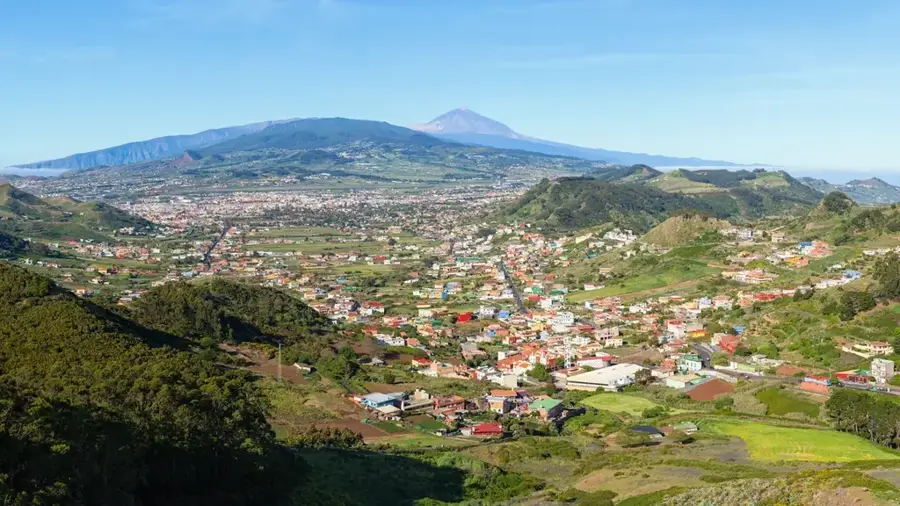
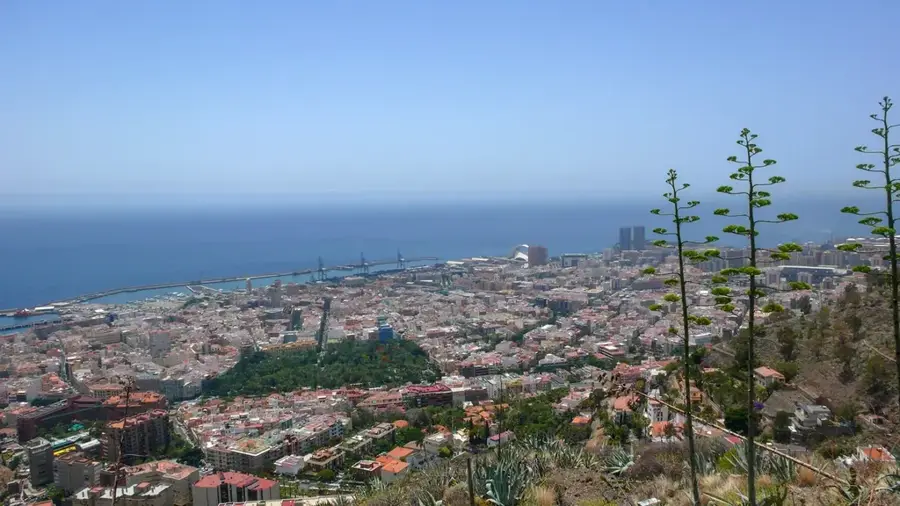
Santa Cruz de Tenerife is the capital of the province of the same name and shares the status of capital of the Canary Islands with Las Palmas de Gran Canaria. Located in the northeast of Tenerife, the city has one of the Atlantic's most significant deep-water ports, which has functioned as a strategic hub between Europe, Africa, and the Americas for centuries. The settlement was established in 1494 when Alonso Fernández de Lugo planted a cross on the shore, giving the city its name. Its architectural landscape features a blend of traditional colonial structures and avant-garde modern landmarks, most notably the Auditorio de Tenerife designed by Santiago Calatrava. The city is internationally renowned for its Carnival, widely considered the second most important in the world after Rio de Janeiro's. With its mild subtropical climate and proximity to the Anaga Rural Park, Santa Cruz serves as an animated administrative, commercial, and cultural center, balancing historical traditions with a dynamic modern economy.
The most pleasant time to visit is Jun–Aug.
| Jan | Feb | Mar | Apr | May | Jun | Jul | Aug | Sep | Oct | Nov | Dec | |
|---|---|---|---|---|---|---|---|---|---|---|---|---|
| Avg °C | 17 | 17 | 17 | 18 | 19 | 21 | 22 | 23 | 23 | 22 | 20 | 19 |
| Rain mm | 25 | 32 | 22 | 15 | 7 | 3 | 3 | 5 | 10 | 25 | 35 | 39 |
See what it looks like near Santa Cruz de Tenerife right now.
San Cristobal de La Laguna: Tenerife North Airport - Aeropuerto de los Rodeos · 7.6 km · Open webcam on Windy · Webcams provided by Windy.com
Notable places around
Where do you start? We build the route here, with stops and country notes along the way.
© OpenStreetMap contributors · OpenRouteService
Your morning walk takes you through the historic heart of Santa Cruz, from the bustling Plaza de España to the spiritual calm of the city's oldest church. At midday, you'll explore the vibrant Mercado de África, followed by modern art at TEA. The afternoon is for relaxing in the green oasis of Parque García Sanabria before strolling down to the architectural marvel of the Auditorio by the sea. The evening is perfect for enjoying tapas near the Plaza.
Start your morning at Plaza de España, where the lake reflects the rainy sky beautifully. At noon, the Church of the Conception provides a peaceful shelter before you explore the covered market stalls. In the afternoon, the TEA museum is the perfect indoor escape from Atlantic showers. End your evening under the iconic, sweeping roof of the Auditorio de Tenerife, staying dry and inspired.
Enjoy a mild winter morning at Plaza de España with temperatures around a pleasant 20°C. At noon, explore the old town and the market without the summer heat. In the afternoon, the exotic plants in García Sanabria Park bloom despite the season. Spend your evening by the Auditorio, where the winter sun sets early but spectacularly over the Atlantic horizon.
Your bike tour starts in the green Parque García Sanabria, leading to the bustling market. You'll cycle through the city center to Plaza de España. At midday, you reach the coast to admire the modern Auditorio. The afternoon is for exploring the Palmetum, an impressive collection of palm trees. Your tour concludes at the historic Castillo de San Juan fortress for a final sea view.
Start carefully at García Sanabria Park, as paths can be slippery when wet. At noon, the market offers dry spots and local refreshments. In the afternoon, cycle towards the port, watching Plaza de España glisten in the rain. End your evening at the Auditorio, where the massive overhang provides shelter from both the Atlantic spray and the rain.
Start your winter ride in the blooming García Sanabria Park with ideal cycling temperatures. At noon, cycle to the market for fresh local juices. In the afternoon, the coastal path leads you to Plaza de España and the Palmetum, where palms glisten in the winter light. The sunset at the black castle is the perfect end to a mild Canarian winter day.
Your day starts by car in the center, where you explore your first cluster on foot: the market, the historic church, the TEA museum, and Plaza de España. Around midday, you drive to the coastal cluster. You park again and explore the modern architecture of the Auditorio, the nearby fortress, and the botanical wonders of the Palmetum. This approach minimizes parking hassles and maximizes the experience.
Park comfortably at the market while the rain pours outside. At noon, drive dry to the church and the TEA museum, using the direct-access parking garages. In the afternoon, the tour takes you to Plaza de España and the Auditorio, where you can admire the architecture from your warm car. End the evening at the Palmetum, where tropical plants glow in deep green under the grey sky.
Start your winter driving tour at the market, where the bustle begins on a crisp 18°C morning. At noon, explore the city's sights comfortably, with easier parking in the off-season. In the afternoon, visit the Auditorio and the Palmetum, where the winter sun illuminates the subtropical splendor. The evening ends at the port, where the air is fresh and the city lights shine crystal clear.
This museum features significant archaeological finds and natural history from the Canary Islands.
Hidden in the north of Santa Cruz de Tenerife is Playa de Tahodio, a wonderfully natural and quiet pebble beach. Near the Barrio de la Alegría, a rugged, authentic coastal landscape unfolds, promising relaxation far from mass tourism. Visitors can listen to the soothing sound of the stones in the surf and enjoy the wide view of the ocean here. To ensure a carefree swimming experience, bringing water shoes is highly recommended.