Plizio Visual Lab
Palma del Río
ℹ️Practical info — Palma del Río
▾
🌤 Weather — 5 days
📍 Nearby
Sights nearby
💡 Tips
- Visit the Almohad walls and the Alcázar area in the late afternoon when the lighting is best for photography.
- Try to visit during the winter or spring months to experience the peak of the local orange harvest.
- Walk down to the confluence of the Genil and Guadalquivir rivers, a scenic and culturally significant spot.
- Parking is generally easier and less stressful just outside the narrow streets of the historic center.
🍽 Food
Enjoy fresh local oranges and freshly squeezed juice, widely available in cafes throughout the town.
A cold, thick tomato soup that is excellent for hot Andalusian days, found in most traditional taverns.
A hearty, traditional oxtail stew, best experienced in the classic restaurants near the center.
🛍 Shopping · 🧘 Quiet spots
The municipal market is the best place to buy fresh Andalusian produce and local olive oil.
Pick up some extra virgin olive oil from regional cooperatives or small specialty shops in town.
A pleasant tree-lined promenade that is handy for a quiet afternoon stroll.
Peaceful gardens located near the historic monastery, offering a lovely spot to sit and relax.
Water temperature…
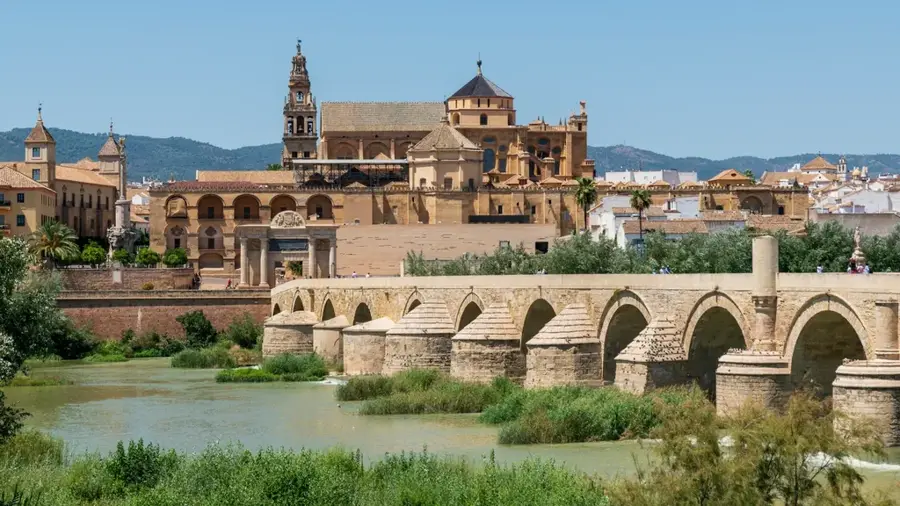
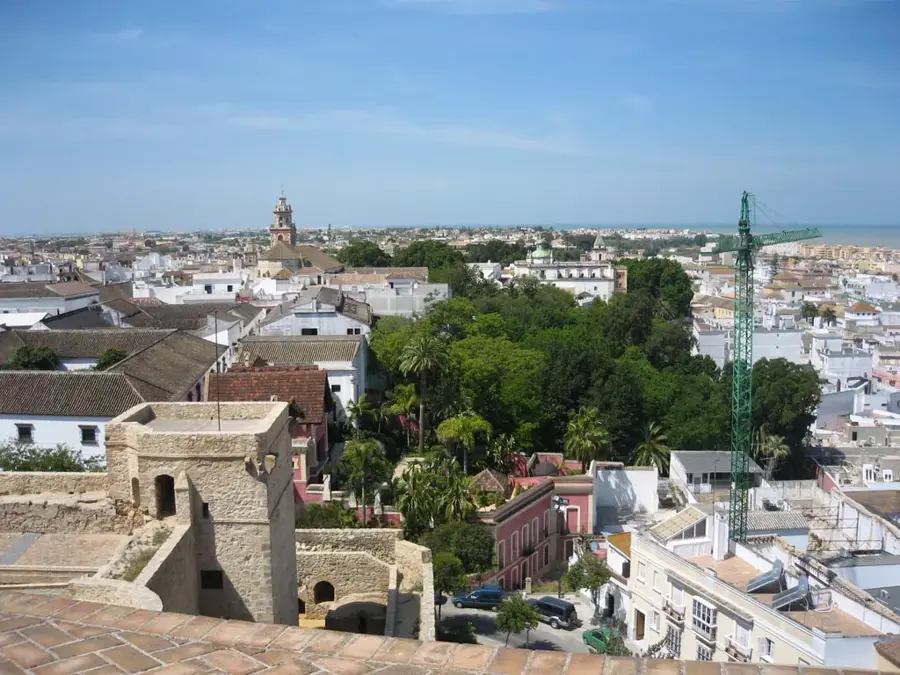
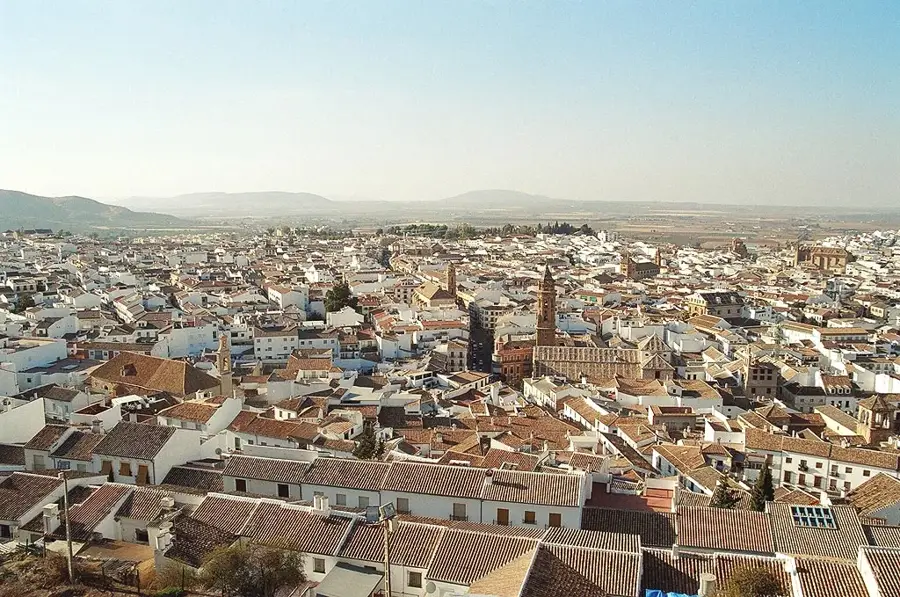
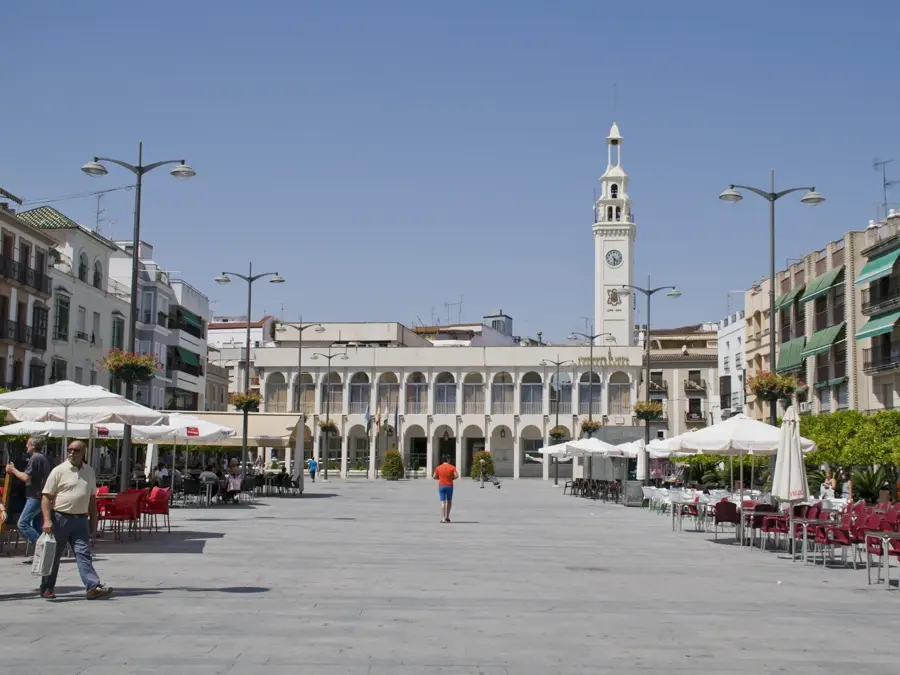
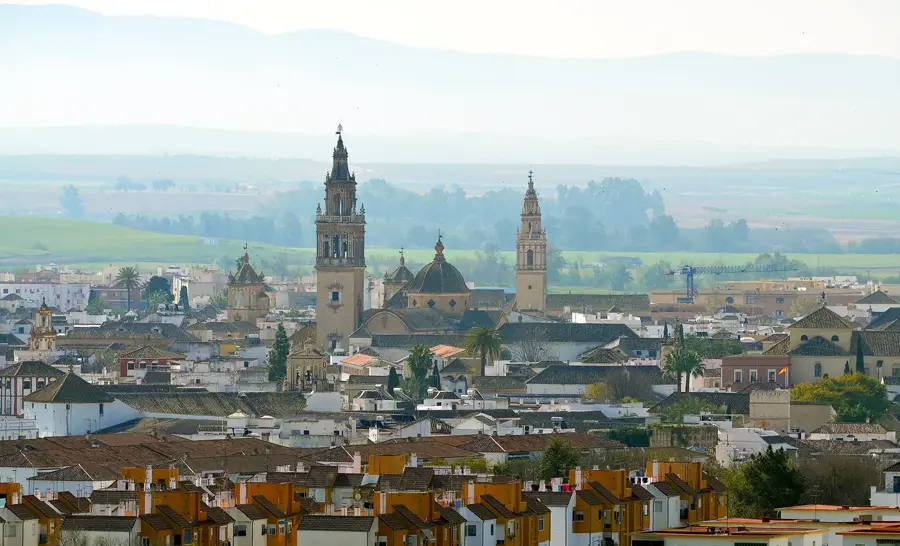
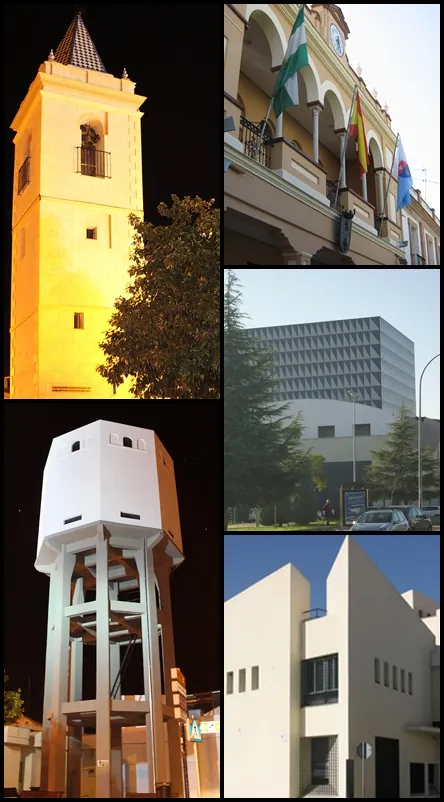
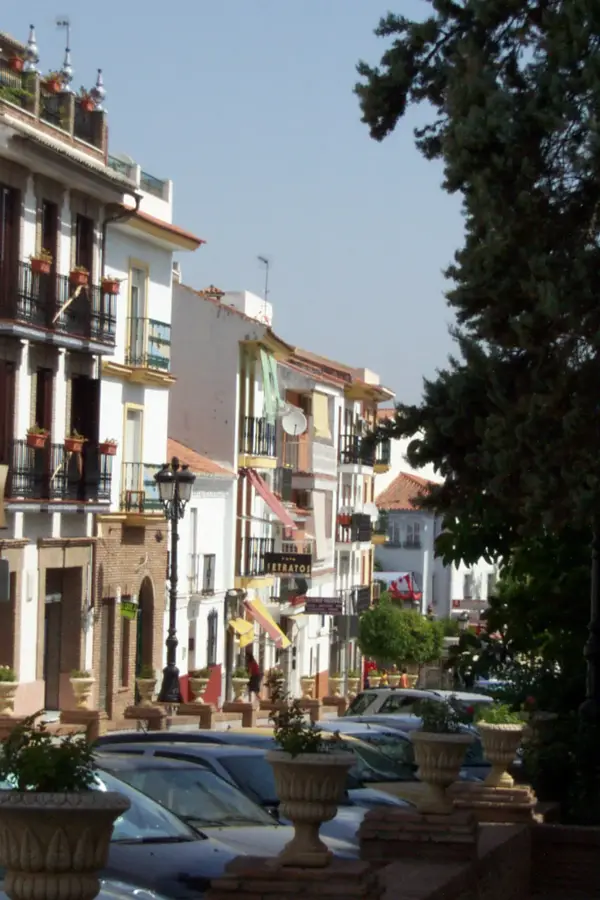
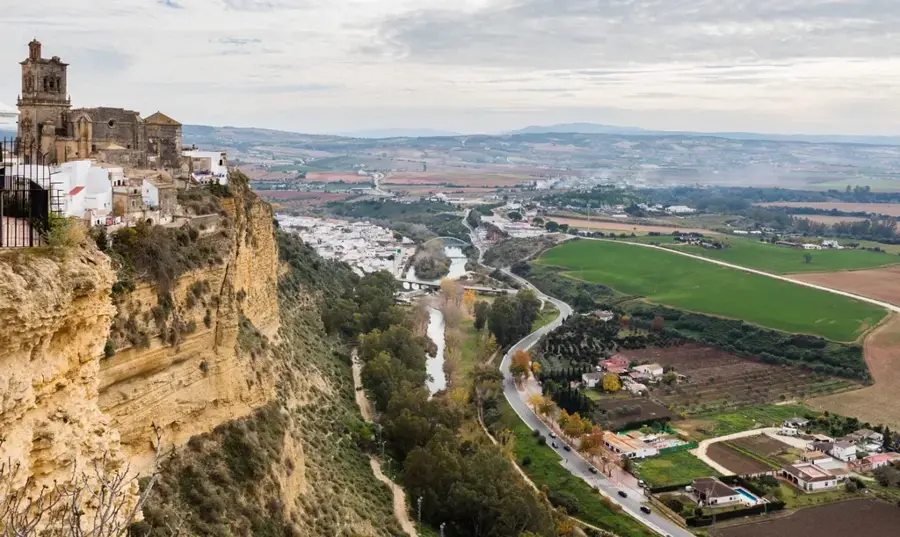
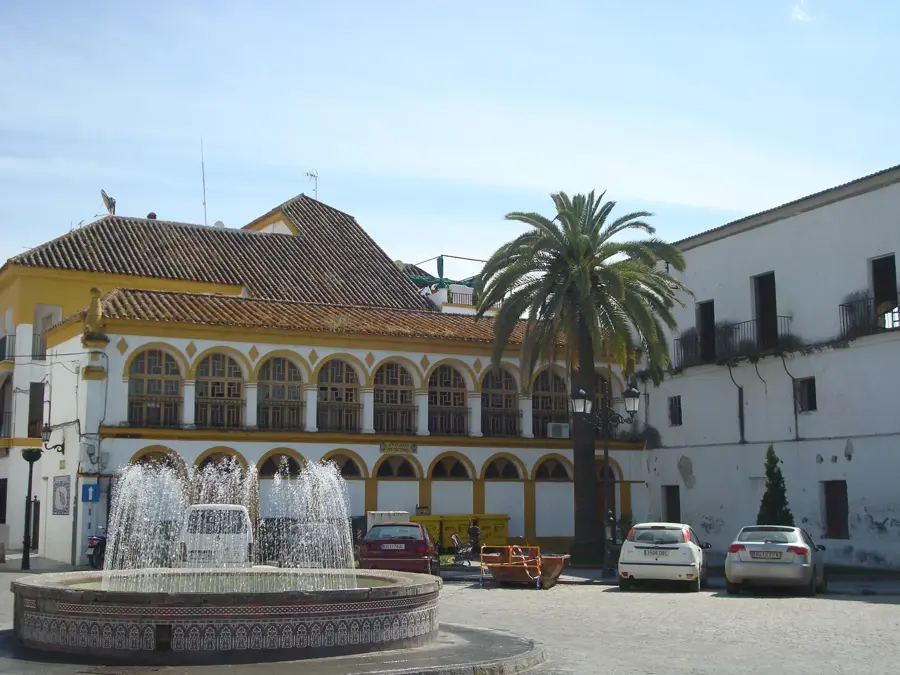
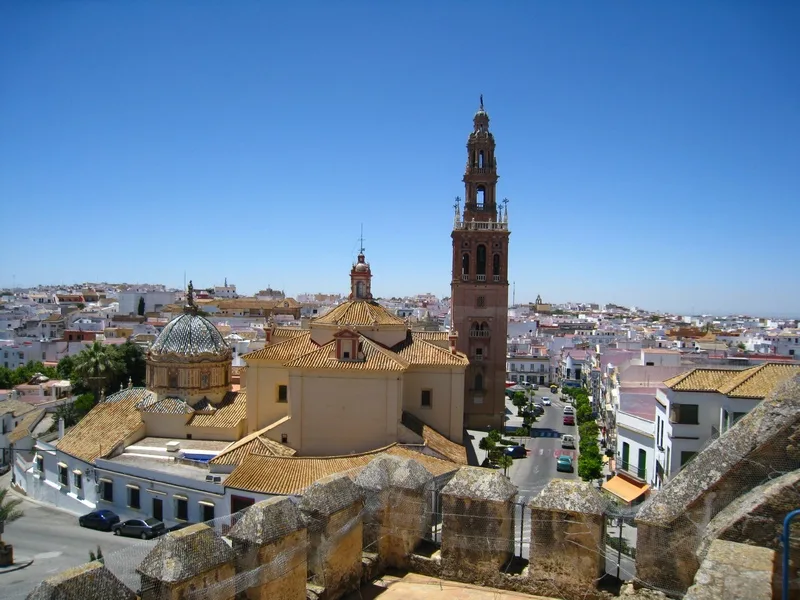
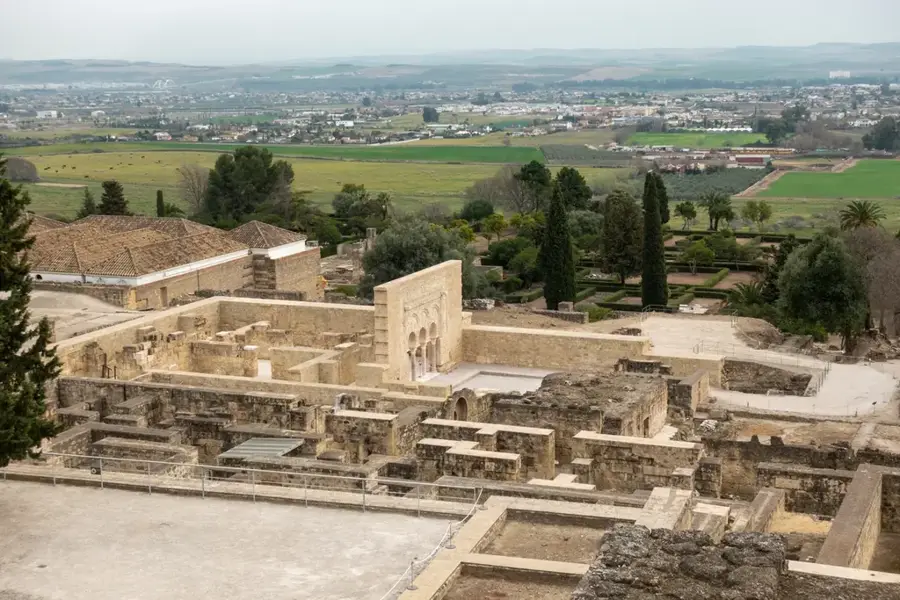
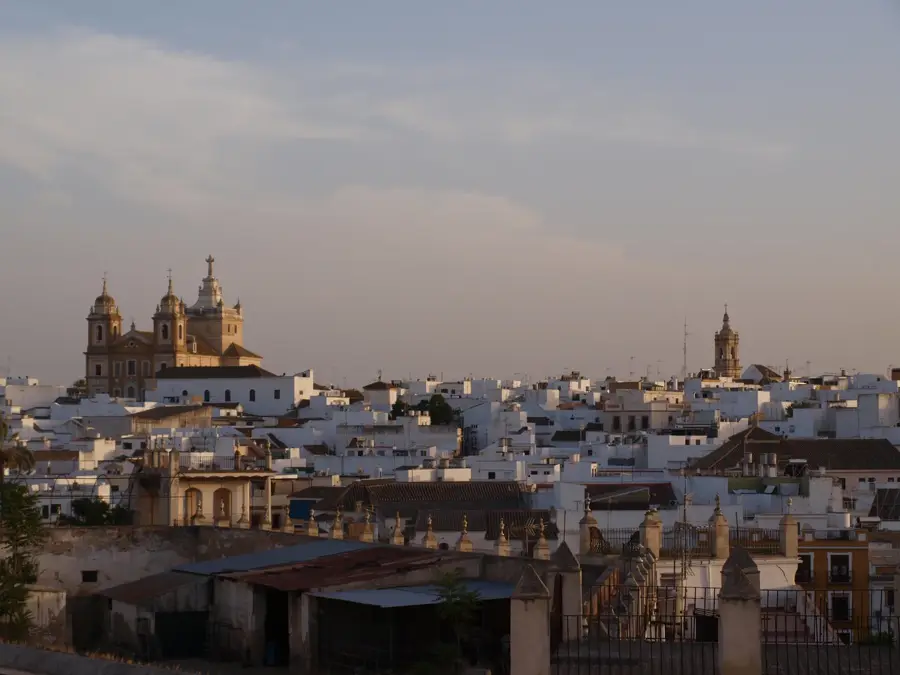
Palma del Río is strategically located in the province of Córdoba, at the confluence of the Guadalquivir and Genil rivers. Known as the 'cradle of bullfighters', this town has produced some of Spain's most famous matadors, including El Cordobés. The region is also renowned for growing high-quality oranges, which shape the landscape and drive the local economy. The town's historical heritage is significant, with the 12th-century Almohad city walls, the Portocarrero Palace, and the Parish Church of Nuestra Señora de la Asunción. Gastronomy benefits from the local produce, especially oranges, which are used in many desserts and sauces. Be sure to try 'espinacas con garbanzos' (spinach with chickpeas) and the local orange products. Palma del Río is a feast for the senses. The town is well-connected, situated halfway between the provincial capitals of Córdoba and Seville, both approximately 55 km away and easily accessible by train or car. Spring is the best time to visit, when the orange trees are in blossom and temperatures are pleasant.
- Location: Spain
- Top sights: Teatro Coliseo · Sala de Exposiciones · Museo Municipal
- Nearby: Écija (25 km)
- Population: ~21.159
Best time to visit & climate
The most pleasant time to visit is May, Jun, Sep.
| Jan | Feb | Mar | Apr | May | Jun | Jul | Aug | Sep | Oct | Nov | Dec | |
|---|---|---|---|---|---|---|---|---|---|---|---|---|
| Avg °C | 9 | 10 | 13 | 16 | 20 | 25 | 29 | 29 | 25 | 19 | 13 | 10 |
| Rain mm | 50 | 51 | 65 | 54 | 31 | 5 | 1 | 4 | 27 | 72 | 71 | 63 |
Geography
Facts
- Cradle of famous bullfighters
- Famous for high-quality oranges
- Located at the confluence of Guadalquivir and Genil rivers
- Historic Almohad city walls
- 15th-century Portocarrero Palace
- Halfway between Córdoba and Seville
- Rich local gastronomy
- Home of matador 'El Cordobés'
Explore nearby
Notable places around
Route planner — Car & Motorhome
Where do you start? We build the route here, with stops and country notes along the way.
© OpenStreetMap contributors · OpenRouteService
Sights in the town Palma del Río (4)
Frequently asked questions
What is special about Palma del Río?
How to get to Palma del Río?
What are the most important architectural monuments?
When should you visit the city?
Are there local specialties?
Palma del Río: where is it located?
Palma del Río: what is there to see?
Palma del Río: when is the best time to visit?
Palma del Río: why is it worth visiting?

Nearby cities